




























































































Where Iran Stands Against Trump To The Deal In Favor
-
Khalid M Raza
- May 4, 2026
- 2
- 4 min read


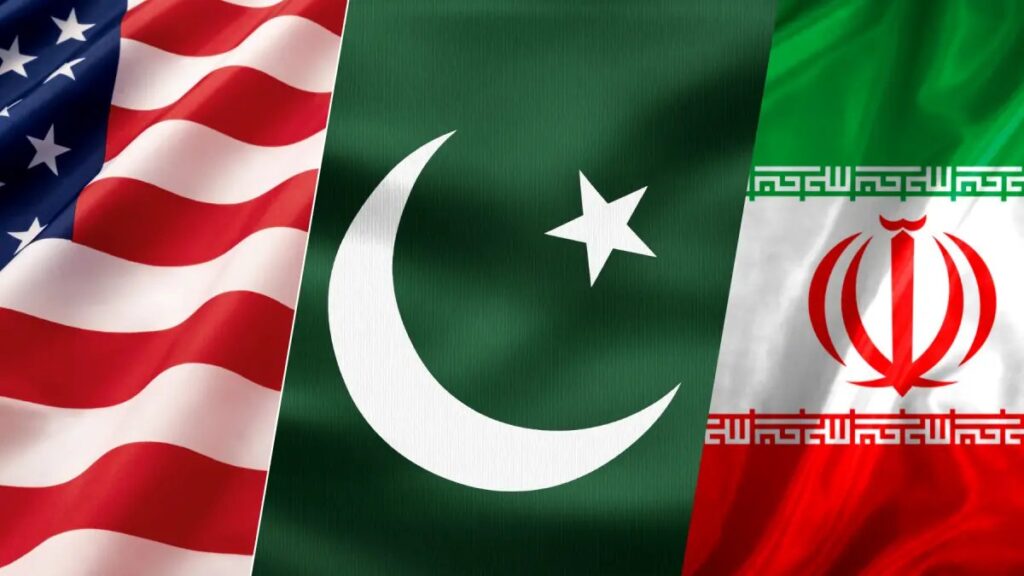
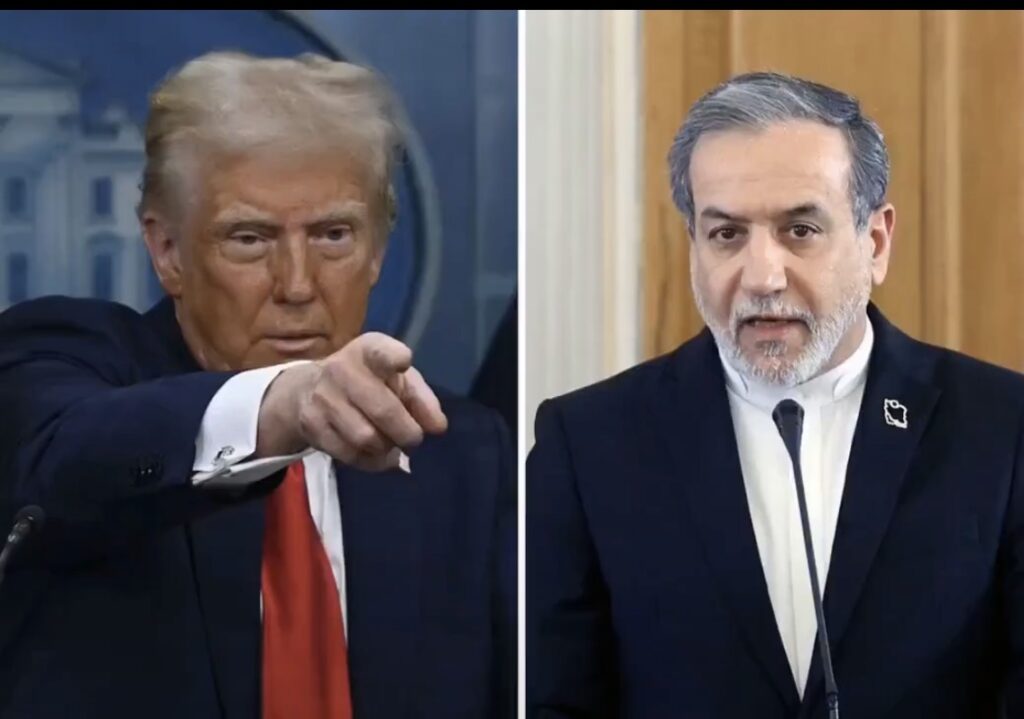
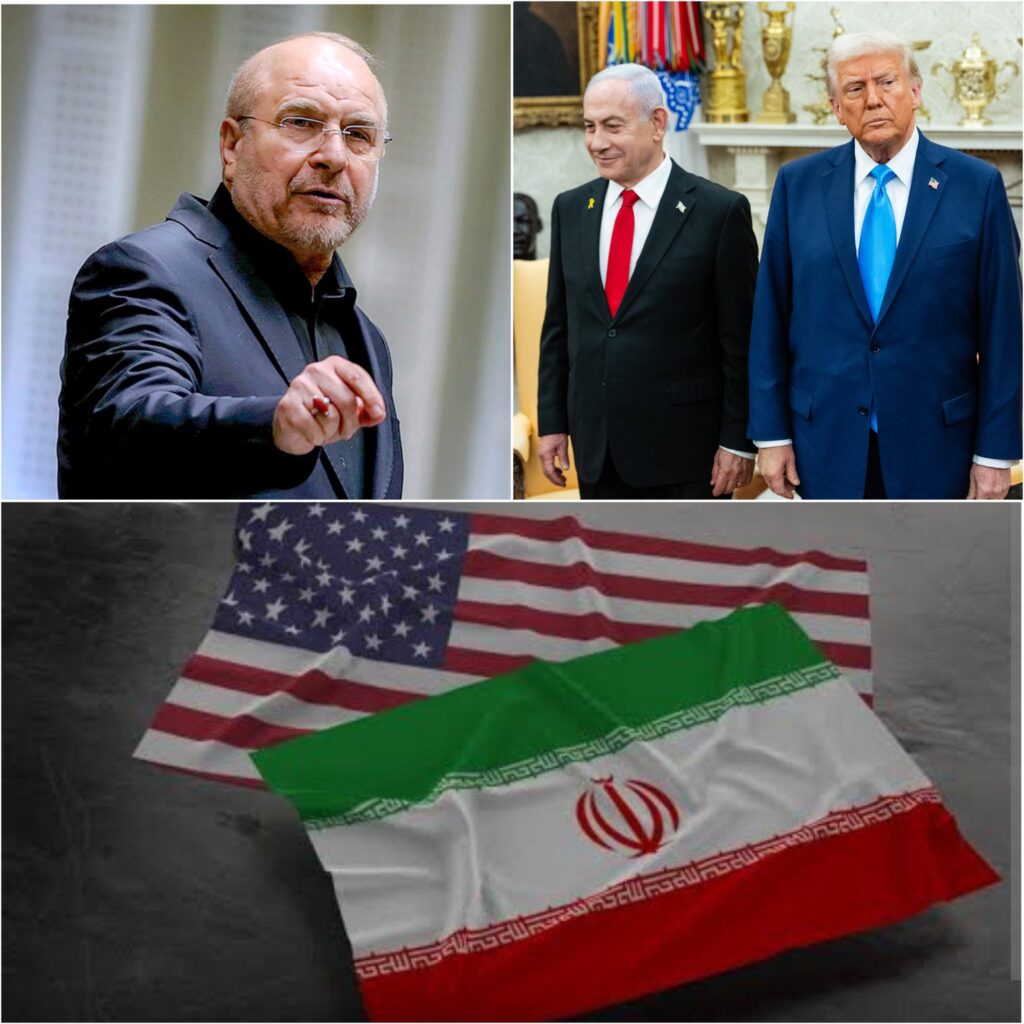
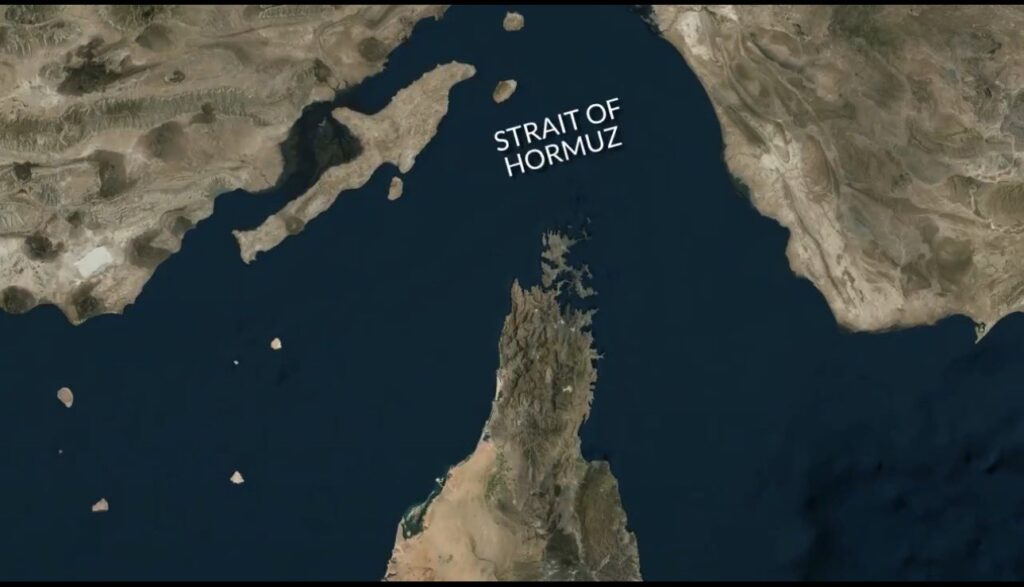
Iran and the United States are in a fragile, indirect negotiation phase following an intense 2026 Iran war (primarily US/Israel strikes on Iranian targets starting late February). A temporary ceasefire, brokered by Pakistan and announced around April 7–8, has held tenuously but is strained by a US naval blockade of Iranian ports, Iranian restrictions/control and tolls in the Strait of Hormuz, and deep disagreements over Iran’s nuclear program.
Current IRAN’S Stance and Key Positions
Iran’s position emphasizes limited concessions to end immediate hostilities while protecting core strategic capabilities:
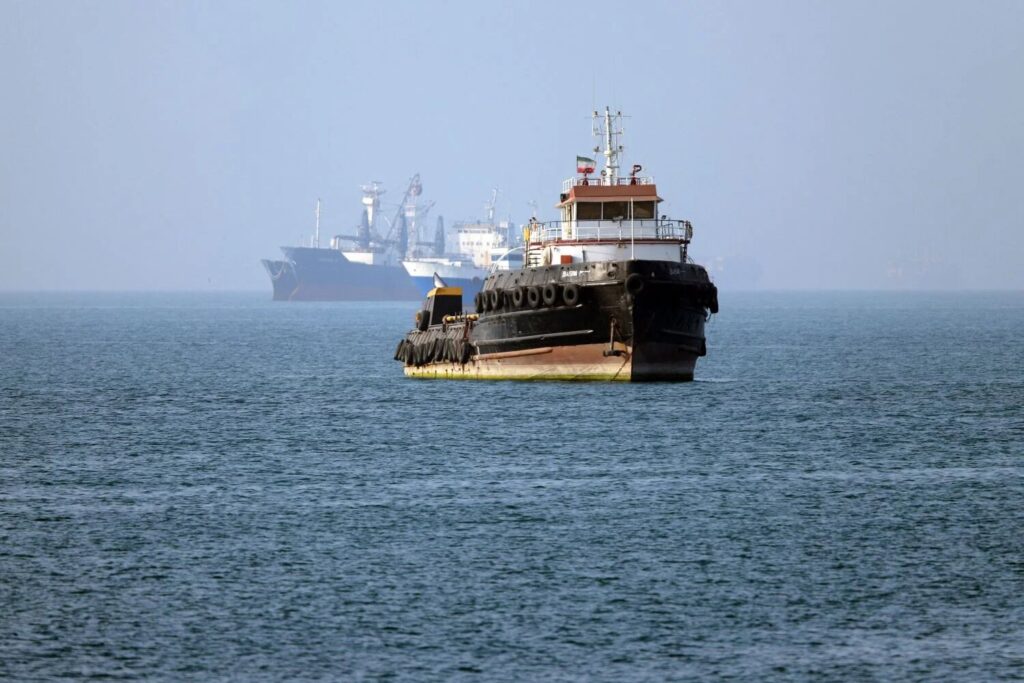
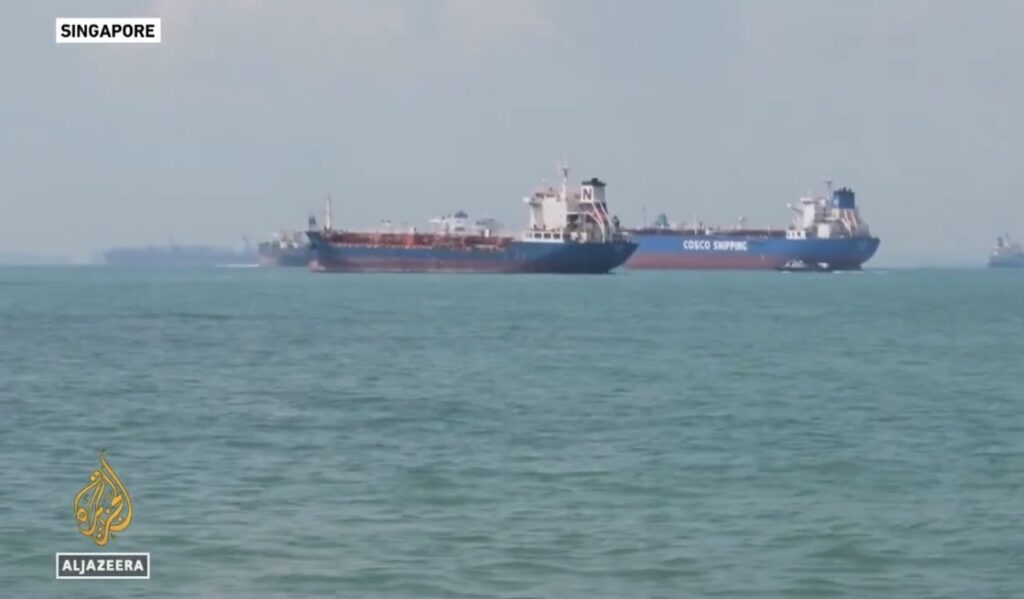
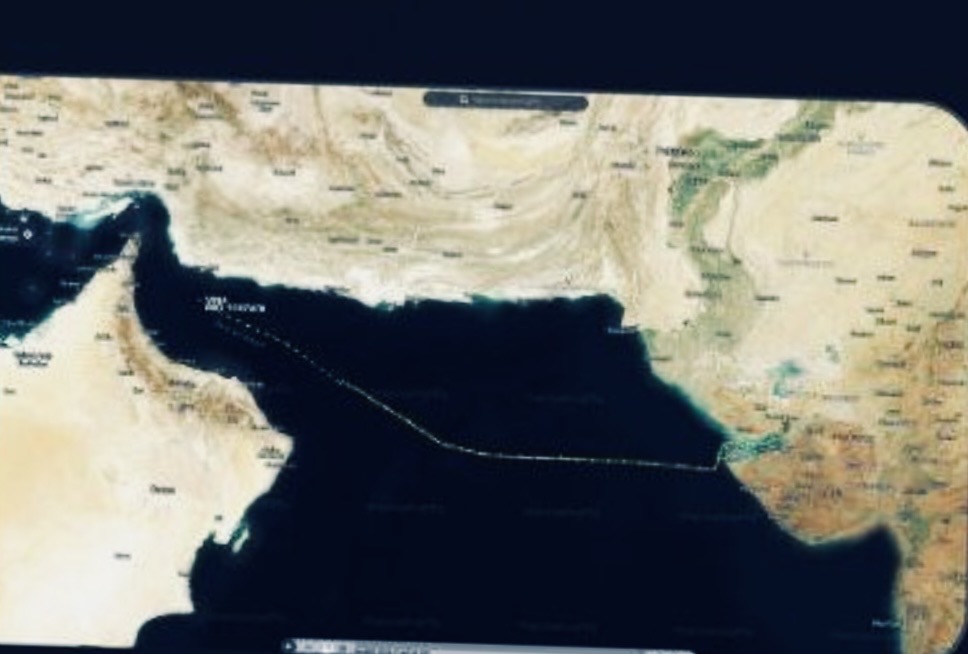
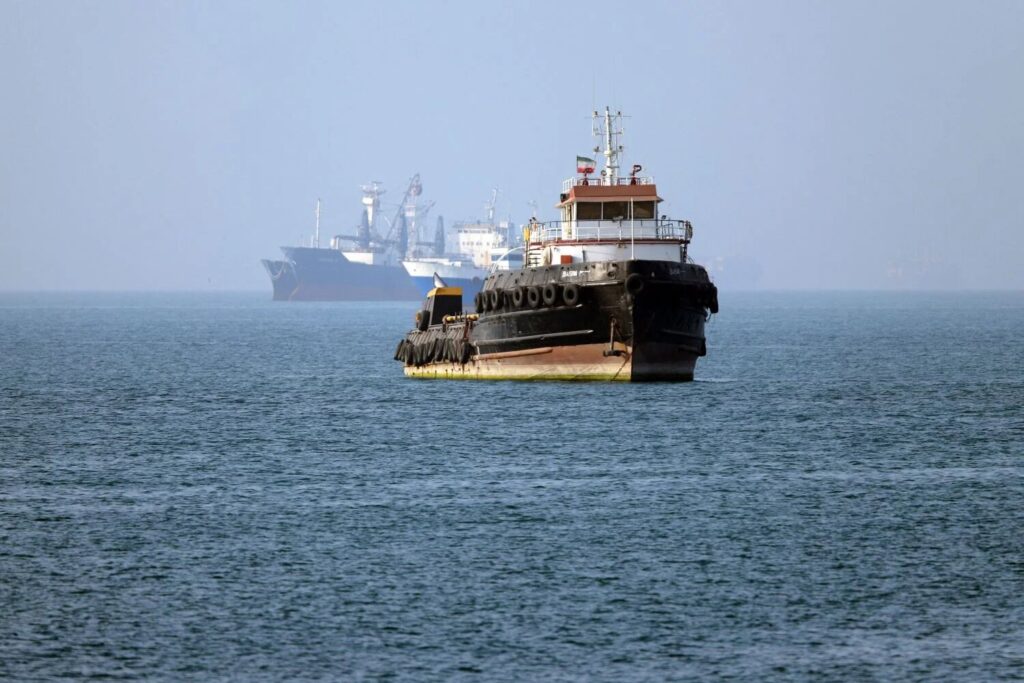
• Strait of Hormuz and Ceasefire: The Iranian regime has proposed reopening the Strait (a critical global oil chokepoint it has partially restricted) in exchange for the US lifting its naval blockade. Recent proposals (e.g., a 14-point plan) focus on ending the war, reopening the strait, and sequencing steps like opening it first before fully lifting the blockade. Iran has shown some flexibility on timing but resists full, unrestricted access without reciprocal US moves.
• Nuclear Program: This is the biggest sticking point. Iran insists on its “indisputable” right to uranium enrichment for civilian purposes. It rejects full dismantlement of facilities, handing over its large stockpile of enriched uranium (estimated at ~11 tons post-JCPOA collapse), or zero-enrichment demands. Proposals often seek to postpone or de-link nuclear talks from immediate war-ending deals. Hardliners (e.g., IRGC figures like Ahmad Vahidi with influence near the Supreme Leader) resist major concessions.
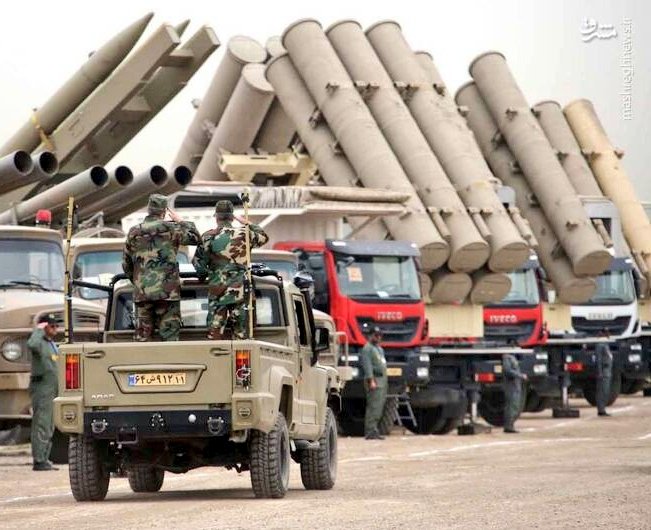
• Broader Demands: Iran wants sanctions relief, an end to US “maximalist” pressure, and no concessions on its missile program or regional allies. It has set a one-month deadline (roughly into June 2026) for meaningful negotiations.
• Overall Approach: Tehran is open to diplomacy but prepared to defend its “strategic programs.” It warns to stop US/Israeli aggression and uses mediators (Pakistan, Oman historically) while highlighting domestic resilience despite huge damages.
US Position To Where Iran Stands:
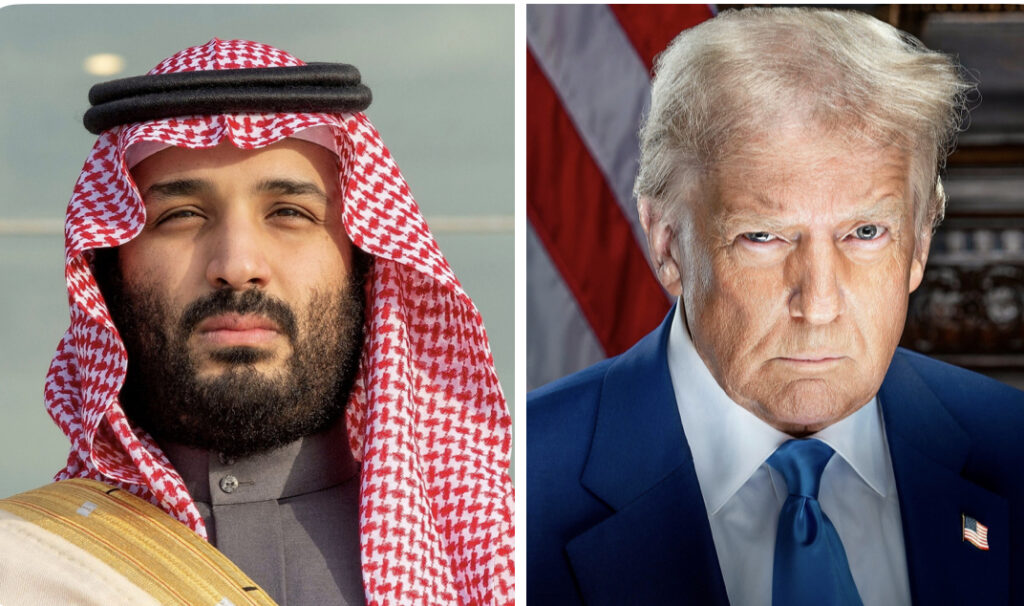
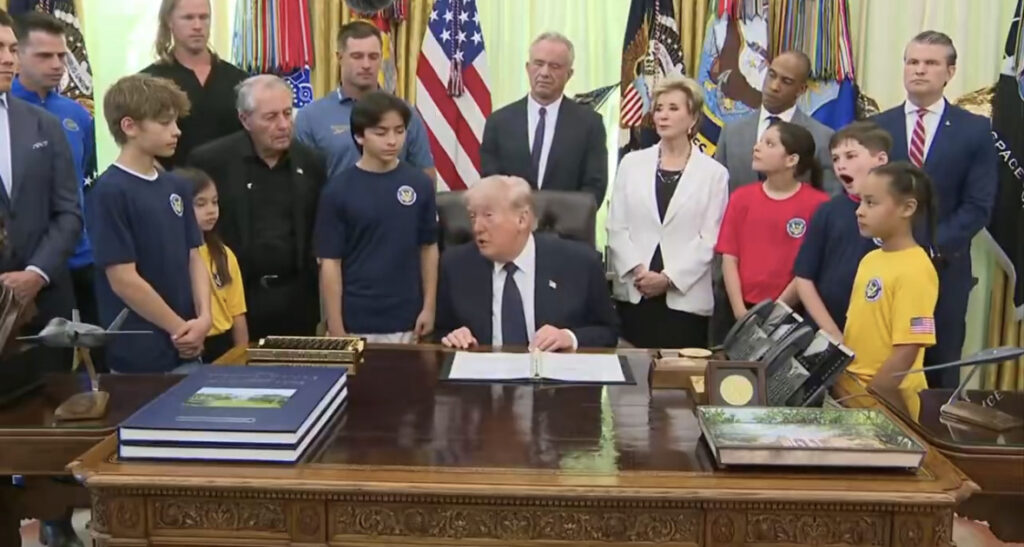
Demands a “far better” deal than the 2015 JCPOA, with maximum pressure via blockade and military posture. Key red lines include:
Verifiable end to Iran’s nuclear weapons pathway (full enrichment suspension, facility dismantlement, removal of highly enriched uranium).
Unrestricted Hormuz access without Iranian tolls/control.
Limits on missiles and proxies.
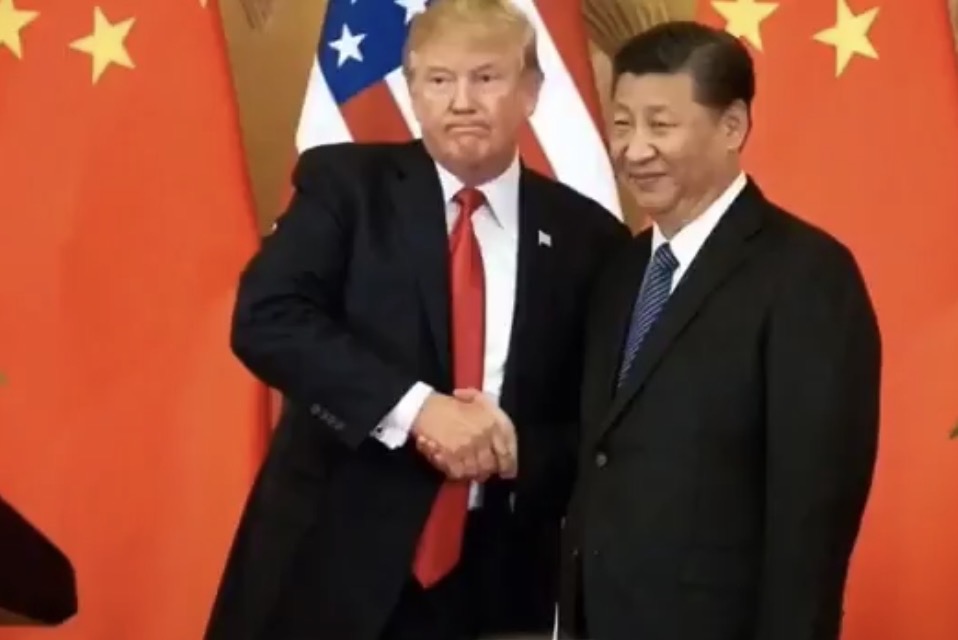
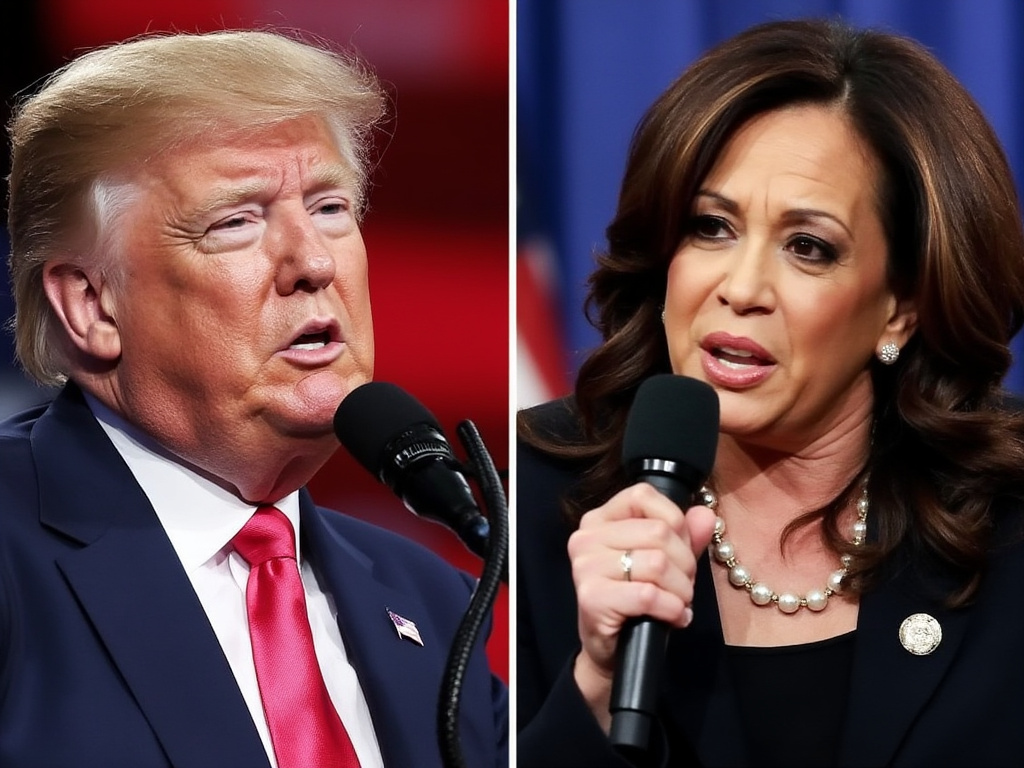
Trump has repeatedly called Iranian proposals unsatisfactory (“not satisfied,” “asking for things I can’t agree to”), rejected recent offers, and signaled no rush while maintaining leverage. Talks in Islamabad (April 11–12) collapsed without agreement, though indirect channels and proposals continue.
Why the Impasse?
• Mutual Distrust and Red Lines: Iran views nuclear/missile capabilities as existential deterrents; the US sees them as an unacceptable threat. Post-war damage weakened Iran but hasn’t forced capitulation.
• Recent History: Failed 2025 talks, Israeli/US strikes in 2025–2026, and Iran’s accelerated enrichment after the JCPOA collapse have hardened positions. Protests added pressure for relief but also regime defensiveness.
• External Factors: Involvement of Israel, Gulf states, and mediators; global energy prices affected by Hormuz disruptions.
Outlook
Negotiations remain active via mediators but are stalled at an impasse. Iran is pushing for a deal that ends isolation and economic pain without surrendering its nuclear threshold status. The US is using blockade leverage to force deeper nuclear concessions.
A breakthrough could involve phased steps (e.g., partial Hormuz reopening + sanctions easing tied to IAEA monitoring), but analysts see risks of miscalculation, renewed escalation, or a prolonged frozen conflict.
In the end Iran will win and also month ago, it was Iran’s outside victory, which was seen when their regime wasn’t or isn’t changed and to note that if situation go ever in US favor, Iran will not surrender now or later to any pressure as it is all way through too strong to taste any sort of defeat. So, now, before or later will be the same for Iran.

Trump Mocks Young Girl On Volleyball - Tumido News
06th May 2026[…] Where Iran Stands Against Trump To The Deal […]
United States Is Grappling With Sharp Surge In Petrol Prices - Tumido News
06th May 2026[…] Where Iran Stands Against Trump To The Deal […]