































































































































































United States Is Grappling With Sharp Surge In Petrol Prices
-
Khalid M Raza
- May 6, 2026
- 1
- 3 min read

The United States is grappling with a sharp surge in petrol prices, which have climbed to an average of $4.48 per gallon according to the American Automobile Association (AAA). This marks a 31-cent increase in just one week and represents a staggering 50 percent rise compared to levels before the US–Israel war on Iran.
The escalation underscores the fragility of global energy markets when key chokepoints like the Strait of Hormuz face disruption.
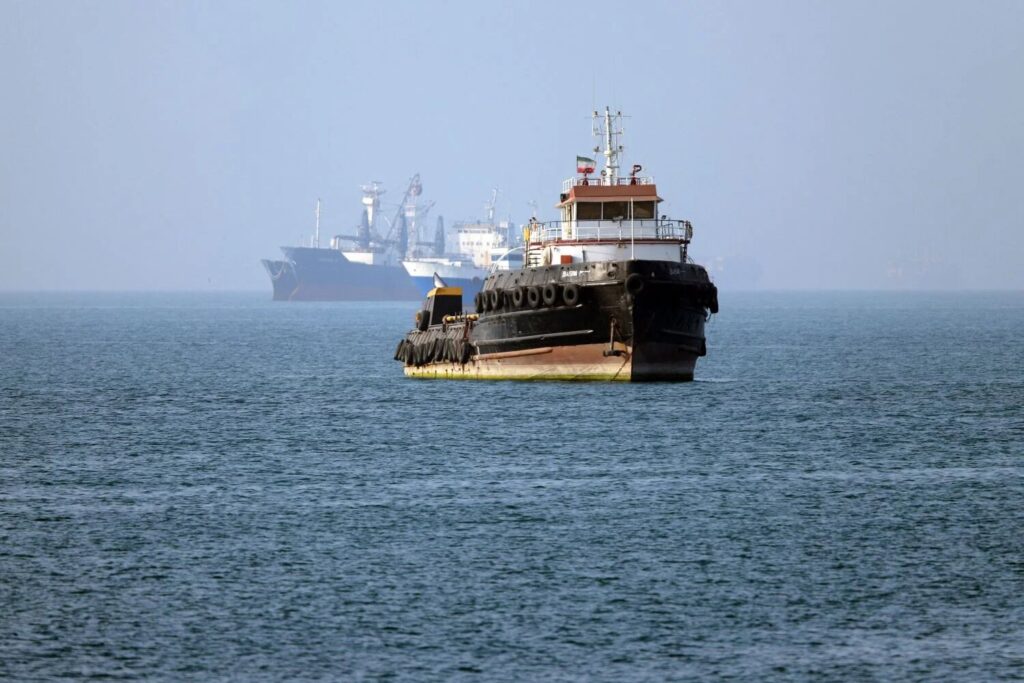
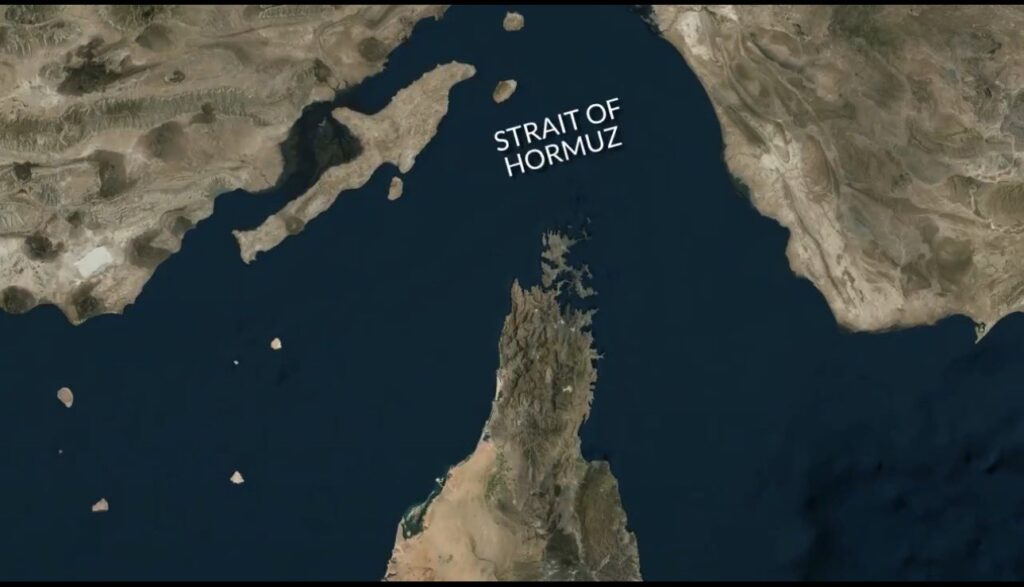
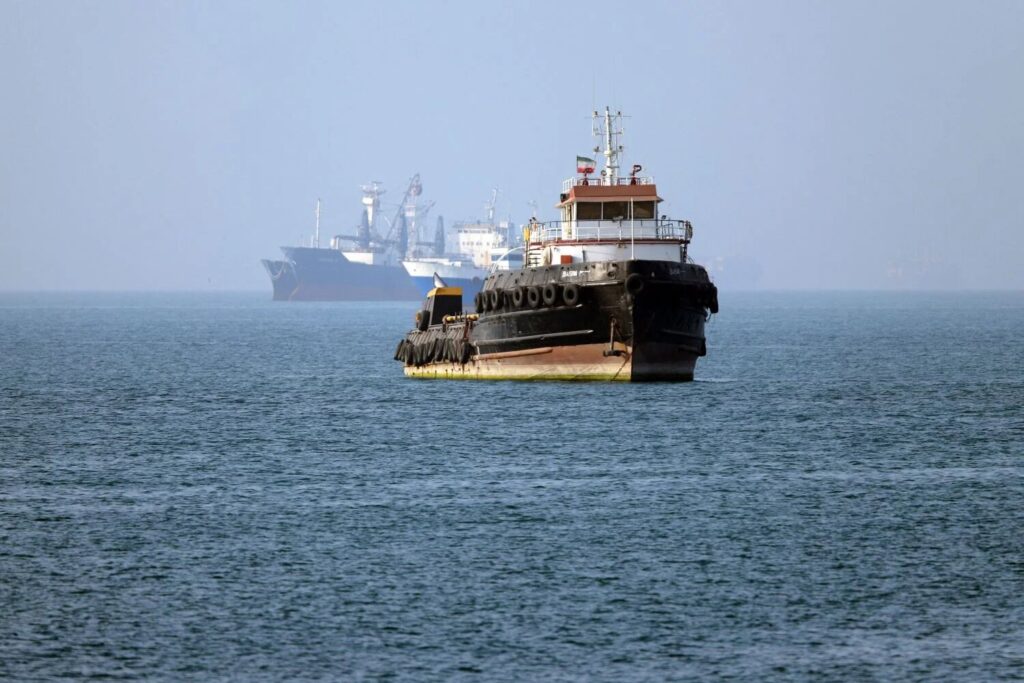
The Strait of Hormuz, a narrow waterway through which roughly one-fifth of the world’s oil supply typically flows, has become the epicenter of supply chain turmoil.
Ongoing hostilities and reported blockages have stranded tankers, reduced throughput, and created a fundamental shortfall in global crude availability. As inventories tighten, refiners and distributors pass on higher costs to consumers at the pump.
Analysts emphasize that sustained constraints in the region will continue exerting upward pressure on fuel prices, with limited immediate alternatives available to offset the shortfall.
Families in the United States and the global markets
A ceasefire announced on April 8 offered brief hope, triggering a modest dip in prices during mid-April. However, that relief proved short-lived. Petrol prices have resumed their climb, reflecting persistent risk premiums in the market. Reduced active combat, elevated tensions in the Persian Gulf have inflated shipping rates, insurance premiums, and operational uncertainties.
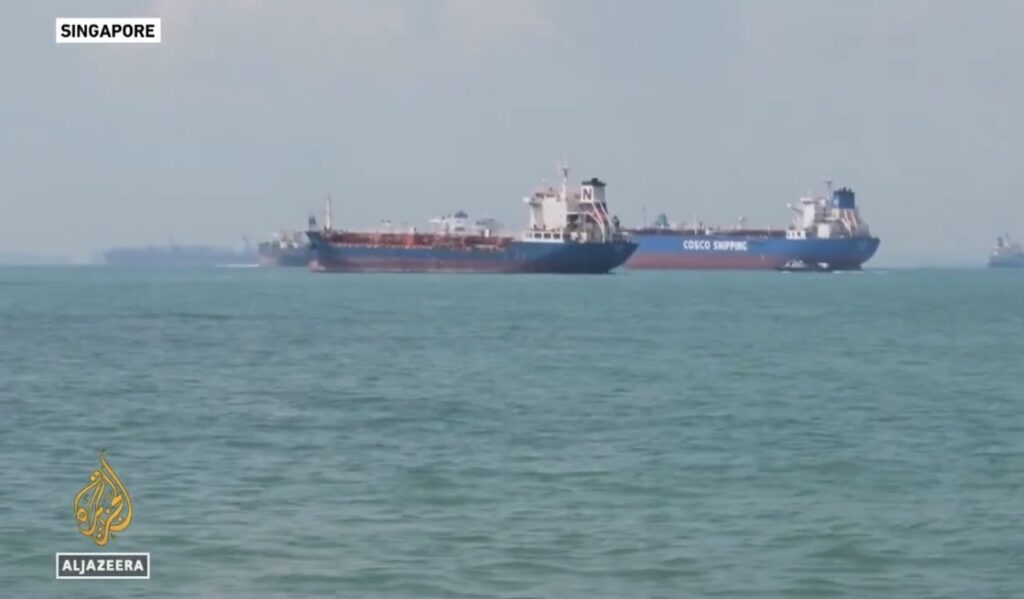
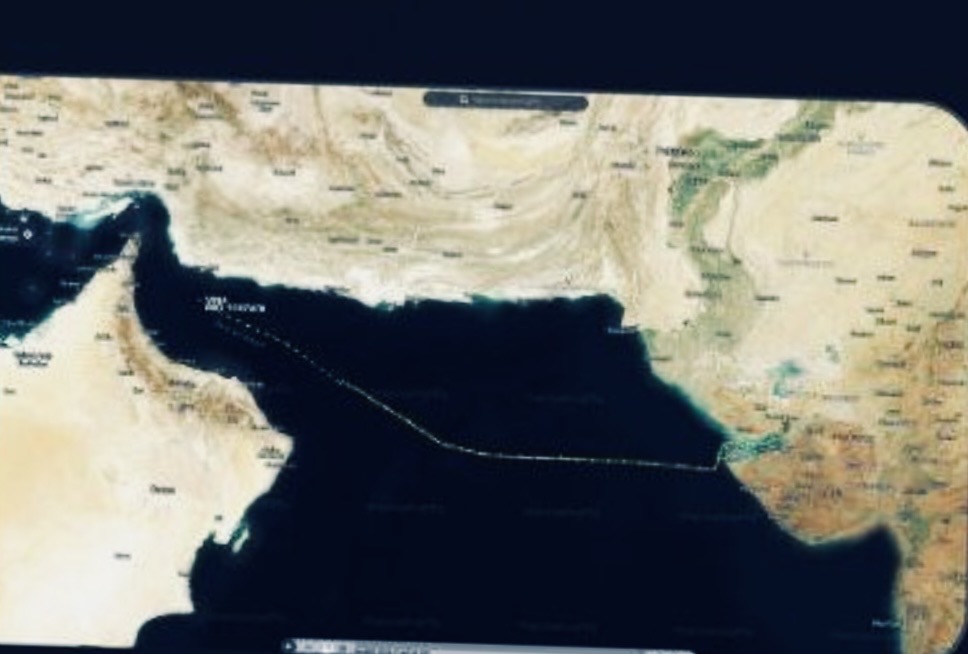
Tanker operators remain wary of transiting the strait, opting for longer, costlier routes or delaying voyages altogether. This lingering lack of confidence in safe passage perpetuates supply volatility.
The ripple effects extend beyond American drivers.
Higher energy costs threaten to fuel broader inflation, impacting everything from transportation and manufacturing to household budgets. Industries reliant on affordable fuel, such as agriculture, logistics, and aviation, face squeezed margins that could translate into higher consumer prices across the board. For the economy of the United States, already facing recovery challenges, this energy shock risks dampening growth and complicating monetary policy decisions.
Geopolitically, the crisis highlights the world’s over-reliance on a single volatile corridor for energy security. Long-term solutions, such as diversified supply routes, accelerated investment in renewables, and strategic reserves, appear urgent. Until shipping flow through Hormuz stabilize and regional confidence returns, Families in the United States and the global markets will continue to bear the costly burden of distant conflicts. Without swift diplomatic progress, $4.48 per gallon may soon feel like the new normal, and will be hard to cope with.
Note: This article is written by Khalid M. Raza and published on Tumido News to help readers understand politics and raise awareness. However, we do not claim this article as an intent to differentiate one country from the other. It’s a lot of opinionated and avoidable content, if for any reason, to avoid hurting anyone’s sentiments, as the Editor in Chief does not like offensive tones being carried forward into hatred. Justice is to take this article as a write-up. We value your thoughts, so if you have any questions, please leave a comment. All content on Tumido News is for the information and knowledge of our esteemed readers. Feel free to ask.


Iran attacked by US and Israel bearing huge losses - Tumido News
06th May 2026[…] United States Is Grappling With Sharp Surge In Petrol Prices […]