





















































































































Saudi officials say American aircraft could neither operate from Saudi territory nor use its airspace for attack on Iran
-
Khalid M Raza
- May 7, 2026
- 0
- 3 min read

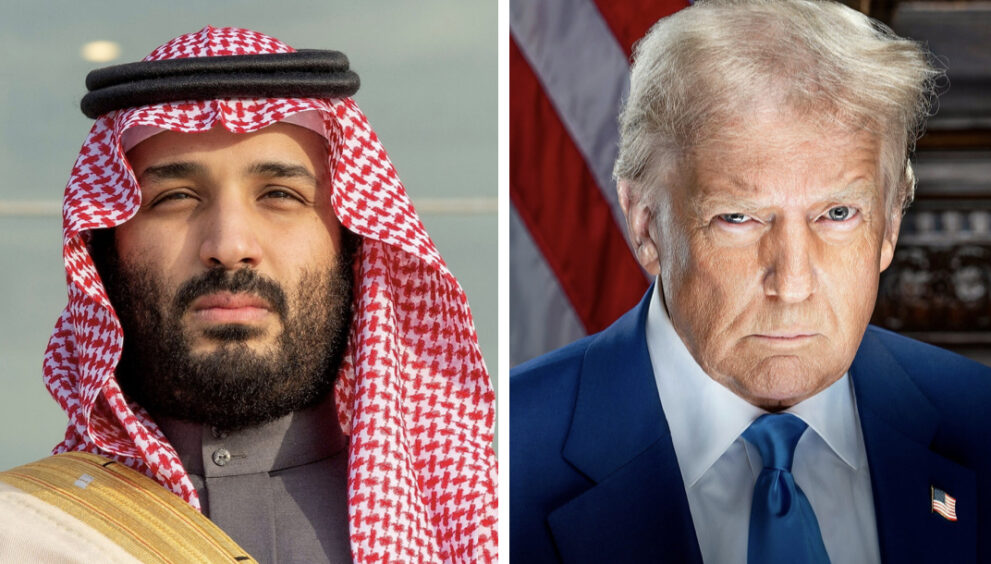
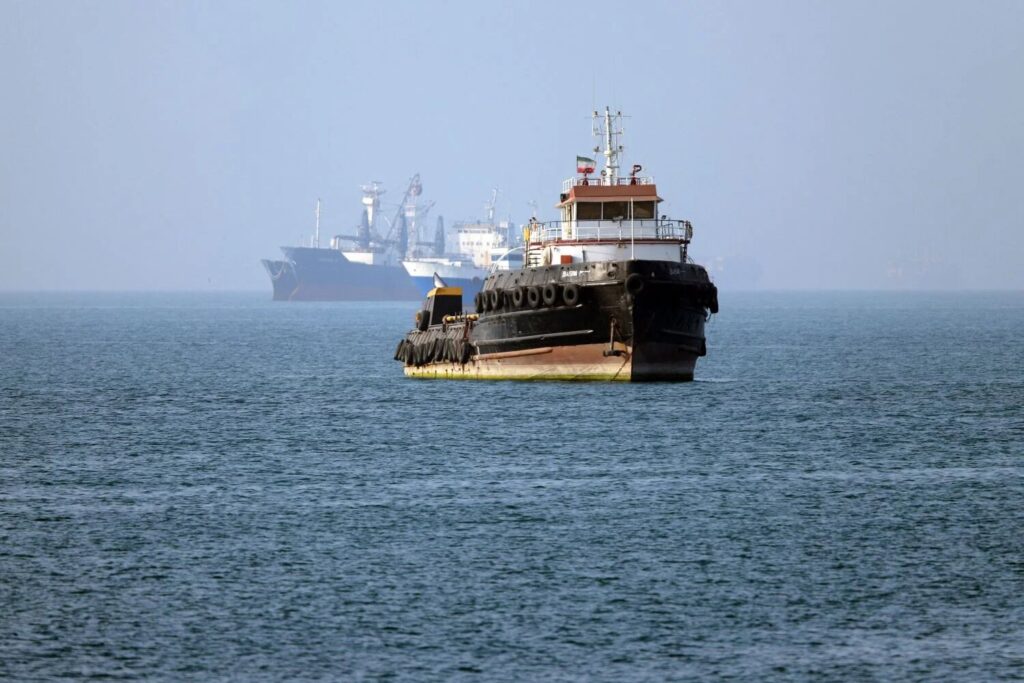
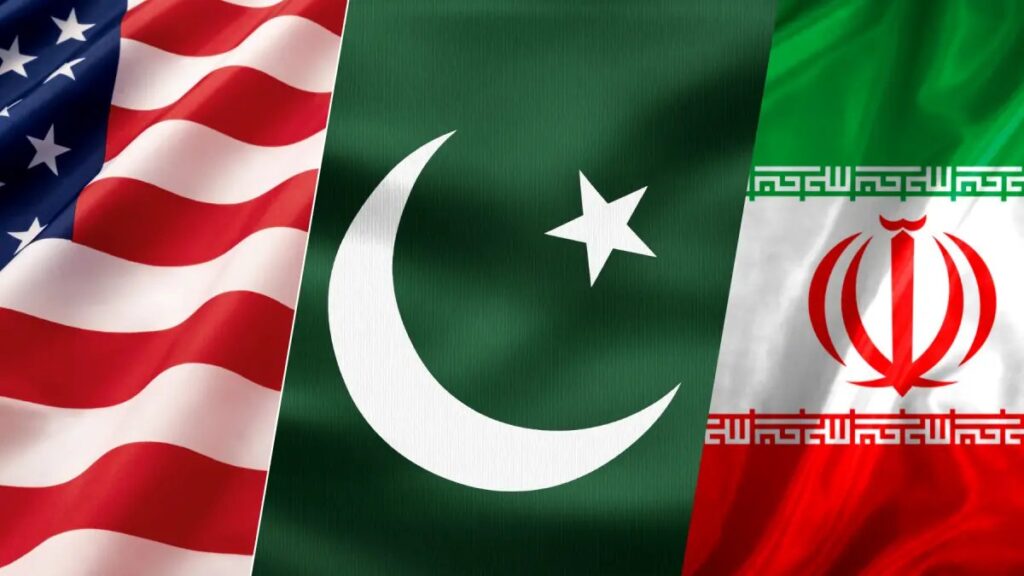
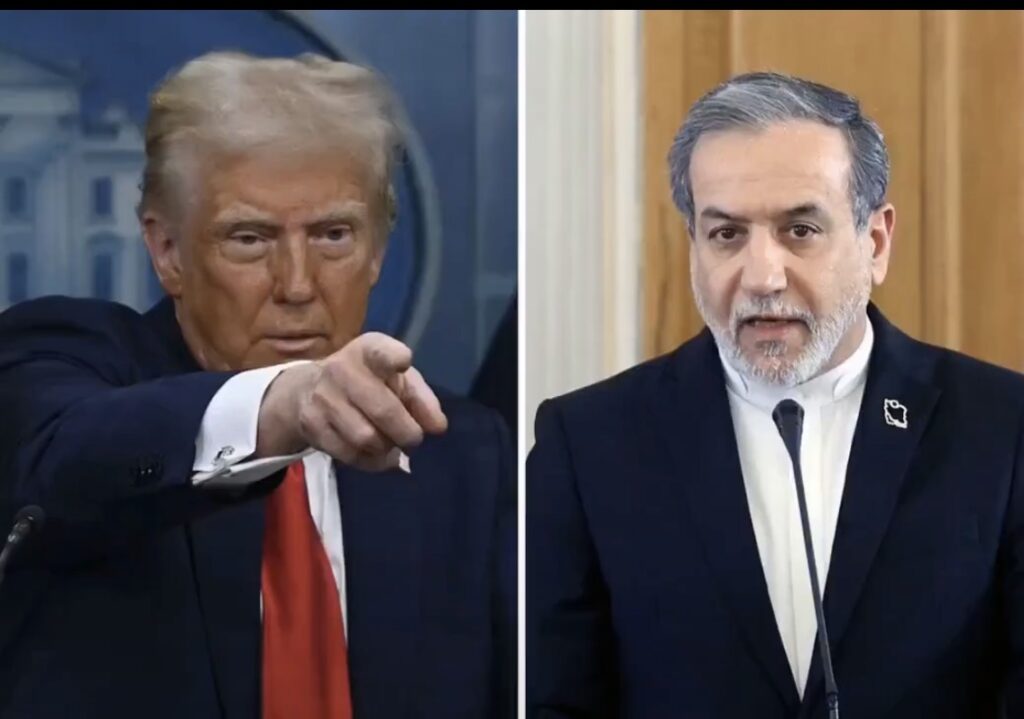
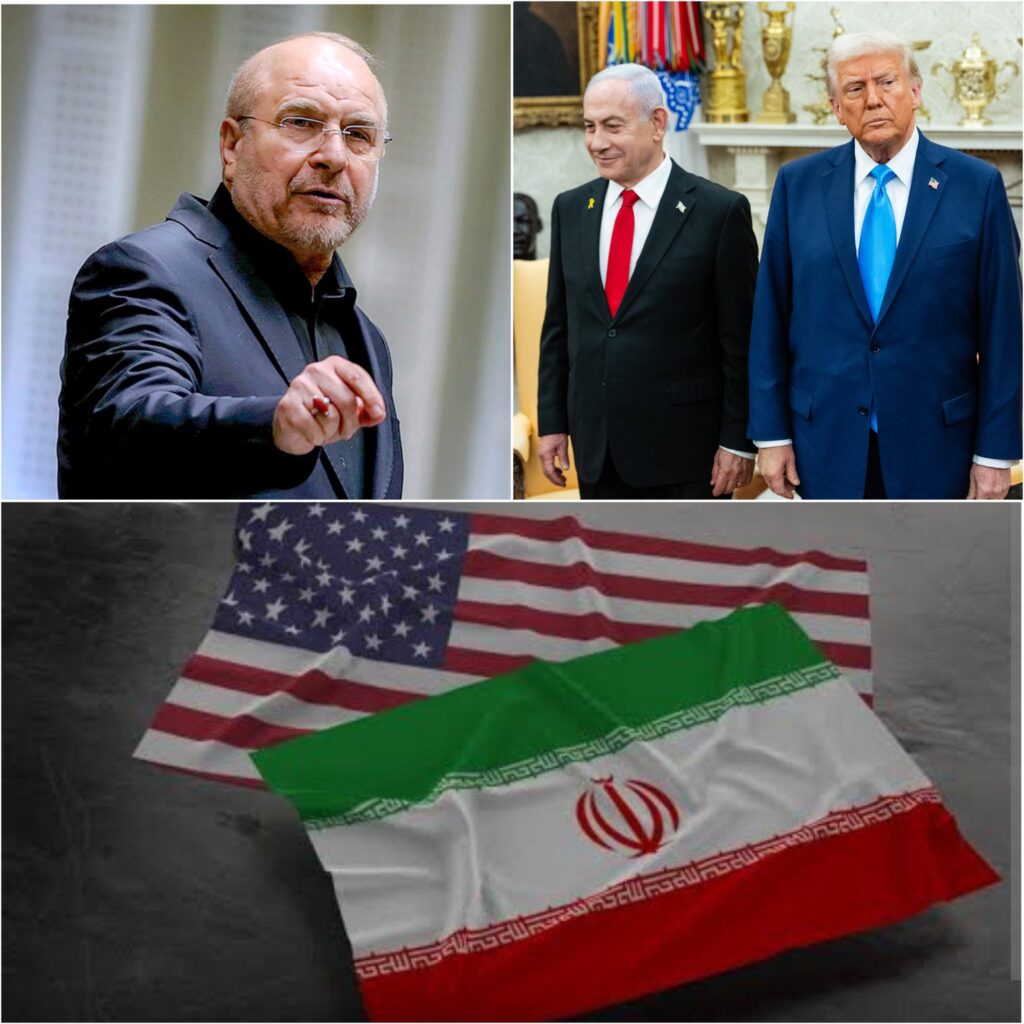
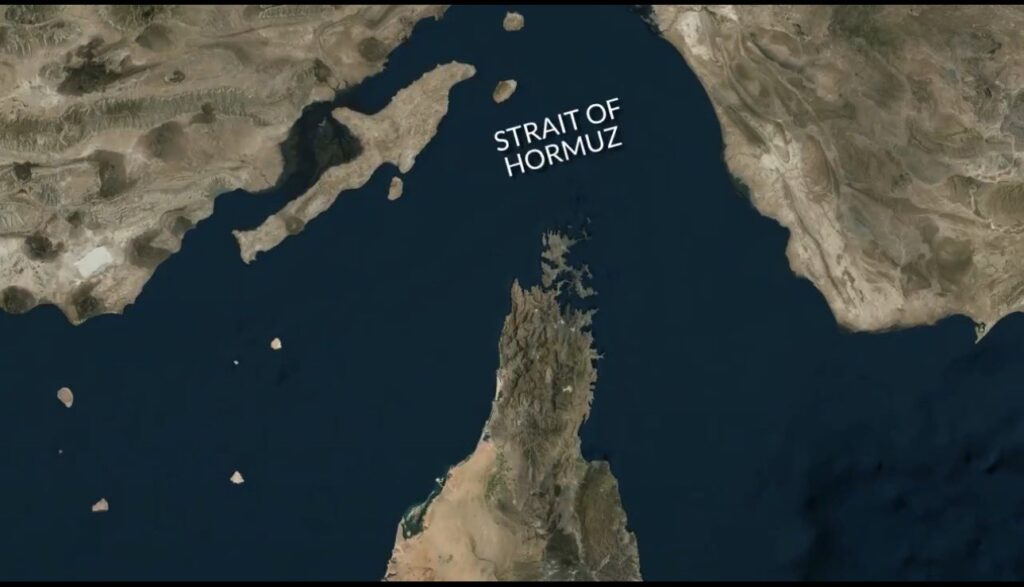
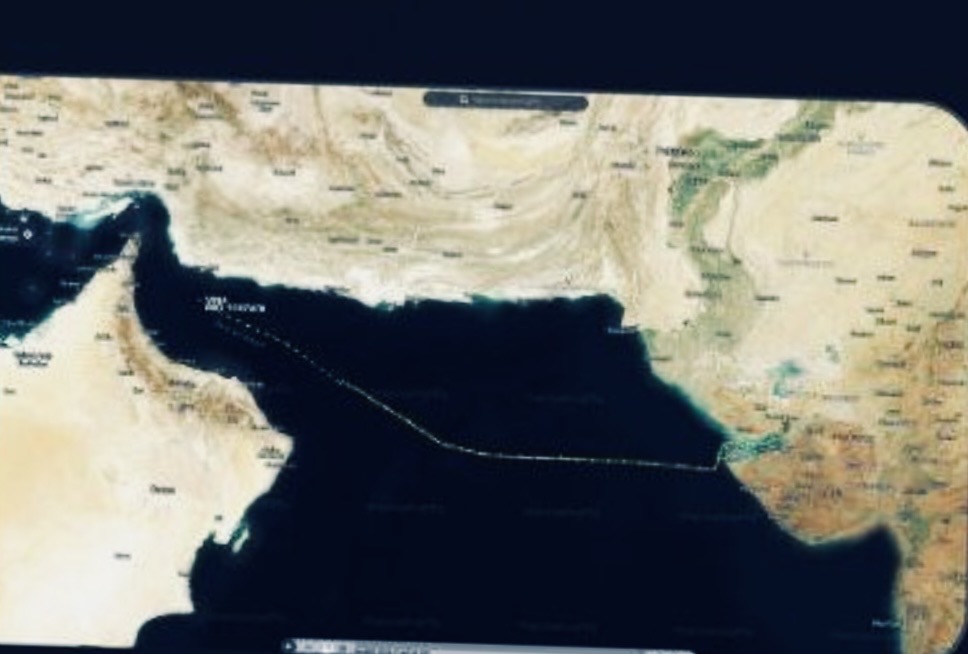
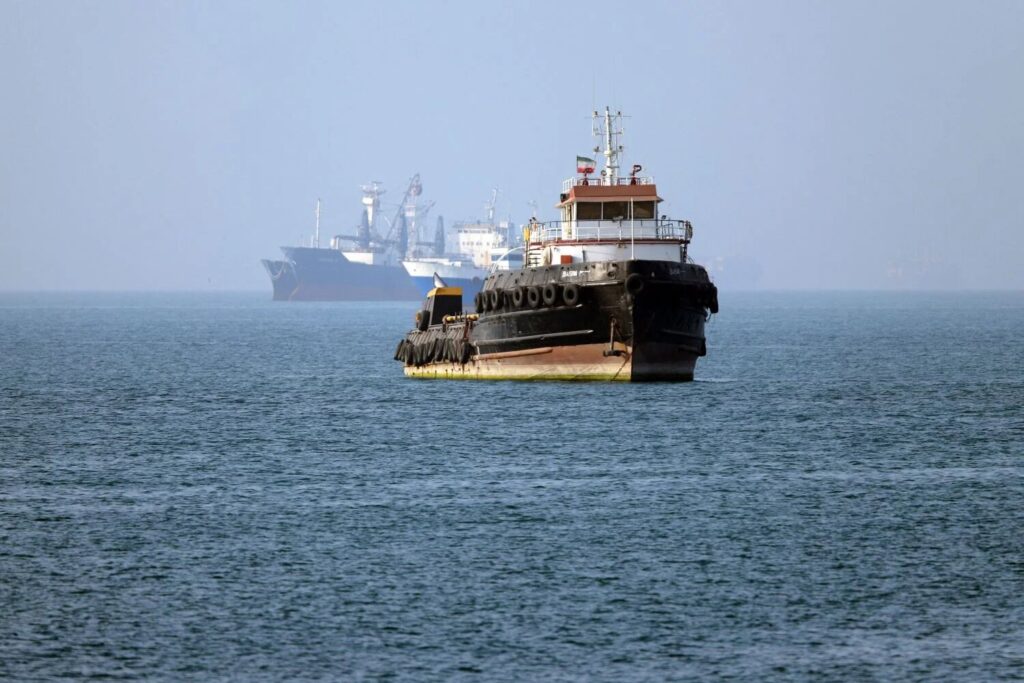
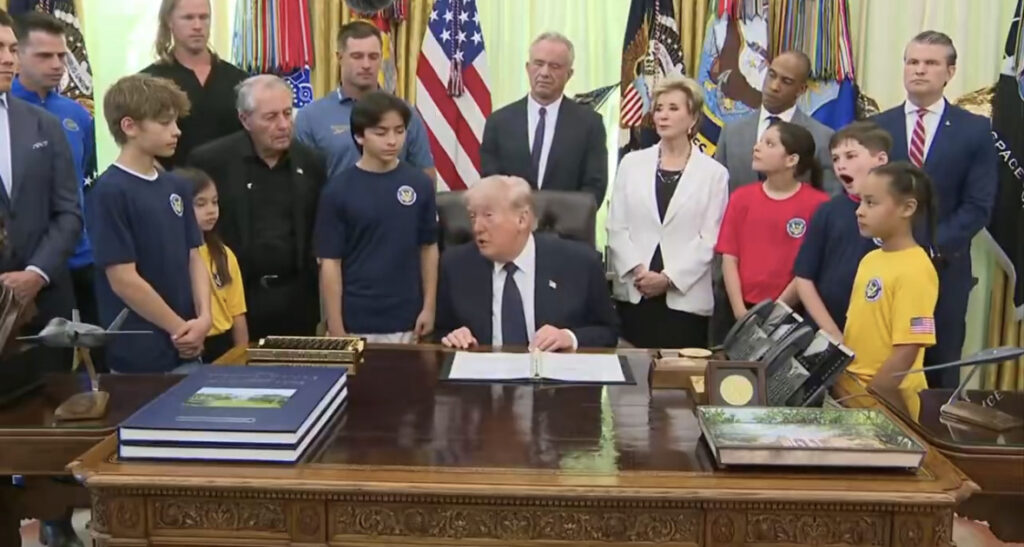
In a dramatic escalation of U.S. efforts to secure global energy routes amid tensions with Iran, President Donald Trump announced “Project Freedom” in early May 2026. The operation aimed to escort stranded commercial ships, many from neutral countries through the Strait of Hormuz, a critical chokepoint for roughly 20-30% of global oil shipments. However, the Saudi officials informed the U.S. that American aircraft could neither operate from Saudi territory nor transit its airspace for the operation.
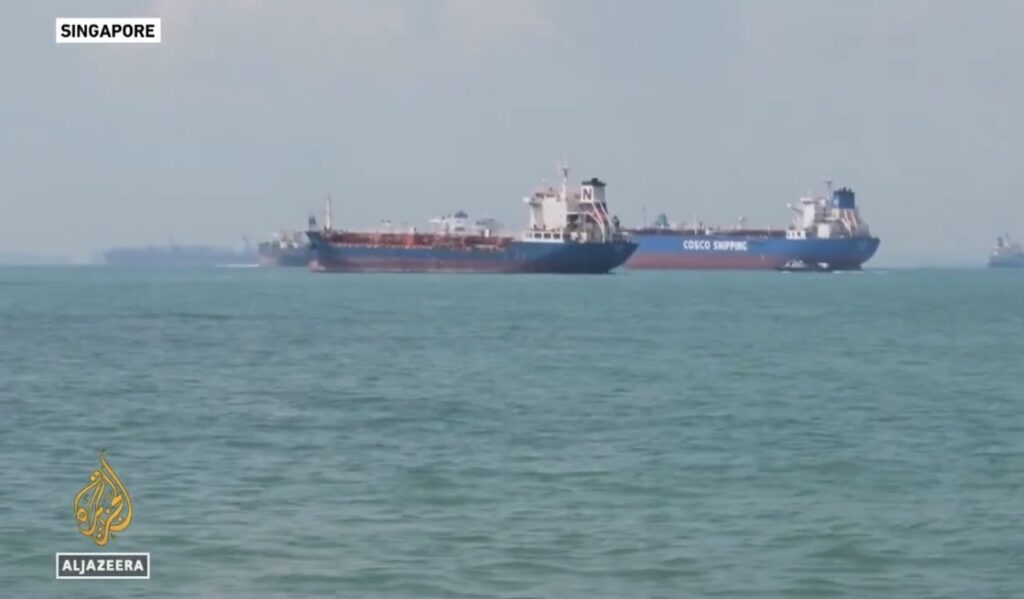
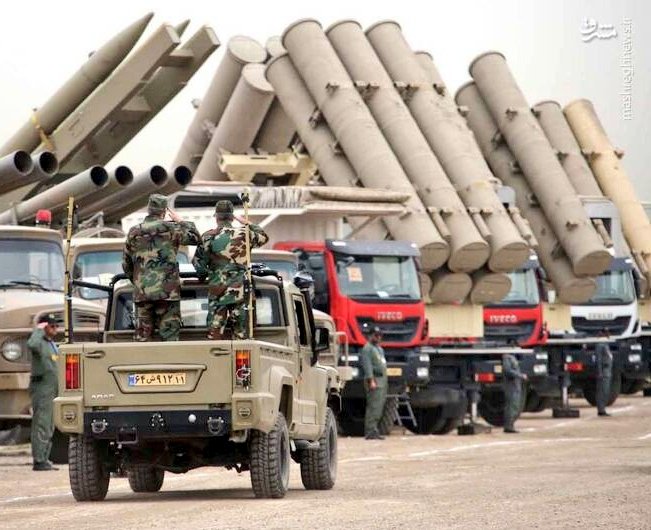
Iran had effectively blockaded the strait during ongoing conflicts, stranding vessels and threatening energy markets.
Trump framed the mission as a humanitarian and economic imperative, deploying U.S. Navy destroyers, over 100 aircraft, unmanned platforms, and thousands of personnel to guide ships safely.
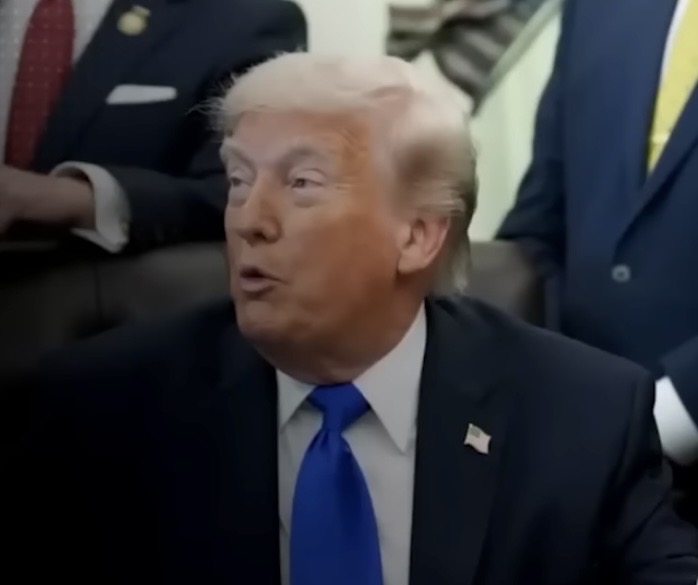
The announcement, made abruptly on social media, caught key Gulf allies off guard. According to NBC News, it particularly angered Saudi leadership, prompting Riyadh to suspend U.S. military access to its airspace and bases, notably Prince Sultan Air Base southeast of Riyadh.
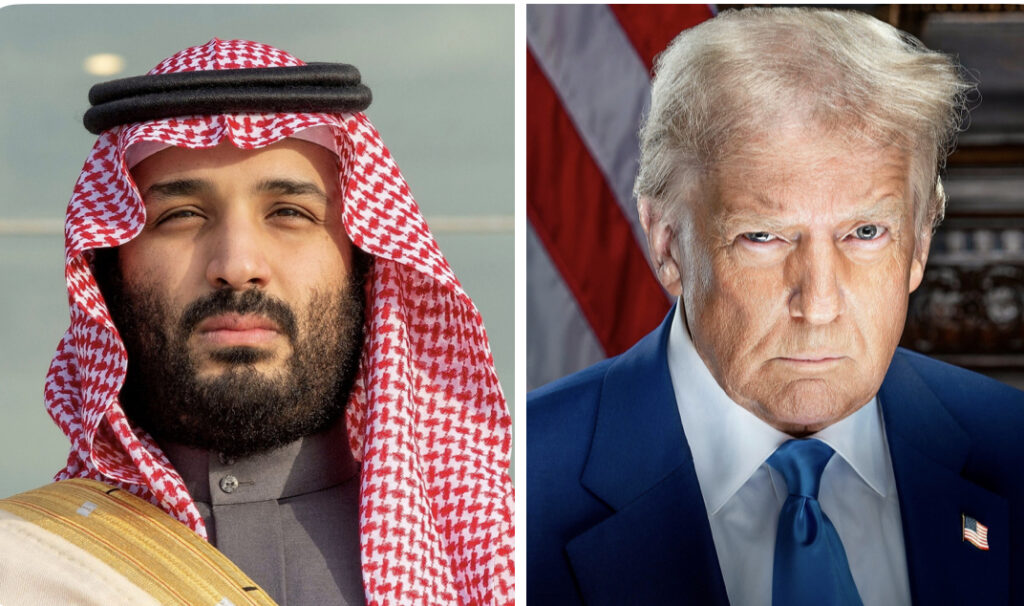
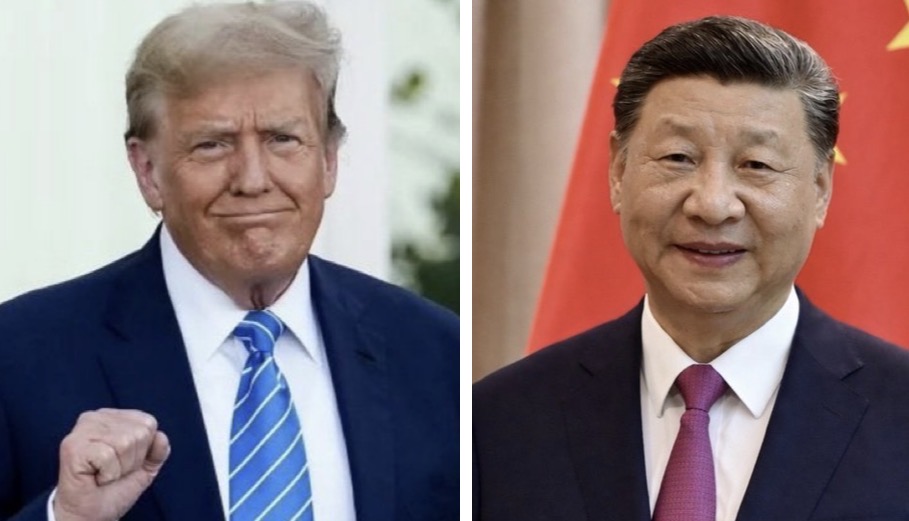
Saudi officials informed the U.S. that American aircraft could neither operate from Saudi territory nor transit its airspace for the operation. A direct call between Trump and Crown Prince Mohammed bin Salman failed to resolve the impasse, forcing the administration to pause the project shortly after launch to restore vital logistical access.
Saudi officials dislike Trump’s “project freedom”
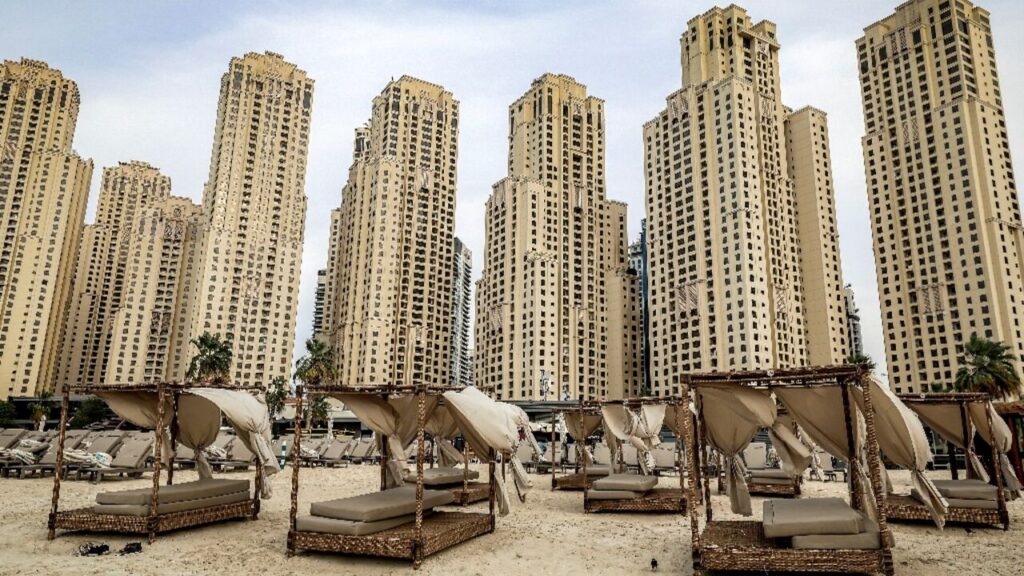
This rift highlights longstanding complexities in U.S.-Saudi relations. While Riyadh has historically hosted U.S. forces for regional security, it prioritizes avoiding direct entanglement in escalated conflicts with Iran, fearing retaliation against its oil infrastructure and cities.
Saudi Arabia’s move echoes broader Gulf caution; reports indicate Kuwait and others expressed similar reservations. The Kingdom appears focused on diplomatic de-escalation and protecting its Vision 2030 economic diversification from war disruptions.
Trump’s reversal came amid claims of progress toward an Iran deal, with the blockade remaining in place but ship escorts halted temporarily. Critics argue the episode reveals limits to unilateral U.S. action in the Gulf, where allied buy-in is essential for sustained operations.
Supporters view it as pragmatic flexibility amid evolving talks. The incident subjects the Strait of Hormuz’s volatility: any disruption ripples through global oil prices, inflation, and supply chains.
Ultimately, Project Freedom’s brief lifespan illustrates the interplay of military assertiveness, alliance management, and great-power diplomacy.
As Trump navigates ceasefires and negotiations, restoring Gulf cooperation will be key to long-term stability in one of the world’s most combustible regions.
The episode serves as a reminder that even decisive leaders must balance bold initiatives with the realities of coalition warfare and shared strategic interests.