

















































































































































Concerns raised for Strait of Malacca due to disruptions in Strait of Hormuz
-
Khalid M Raza
- May 5, 2026
- 0
- 3 min read

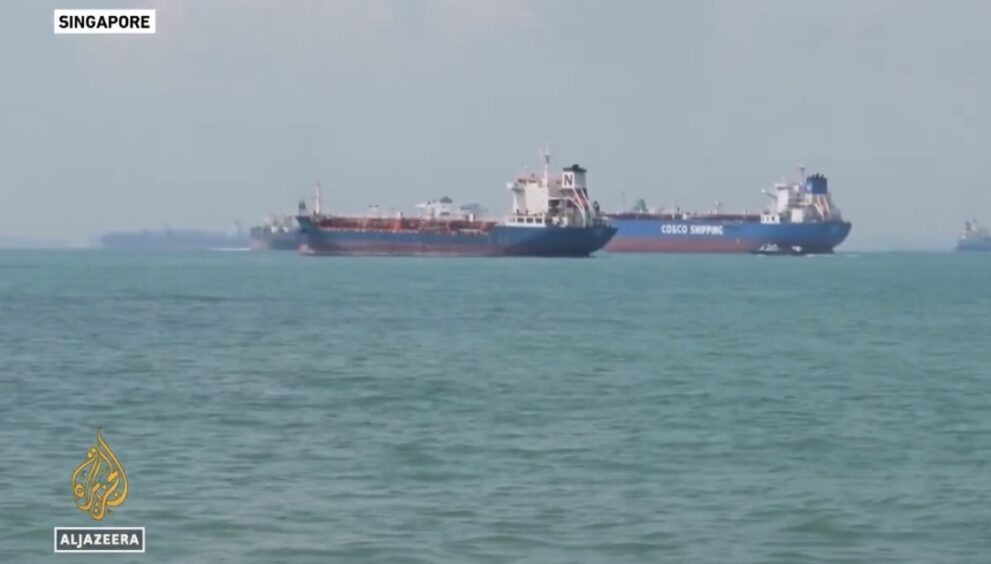
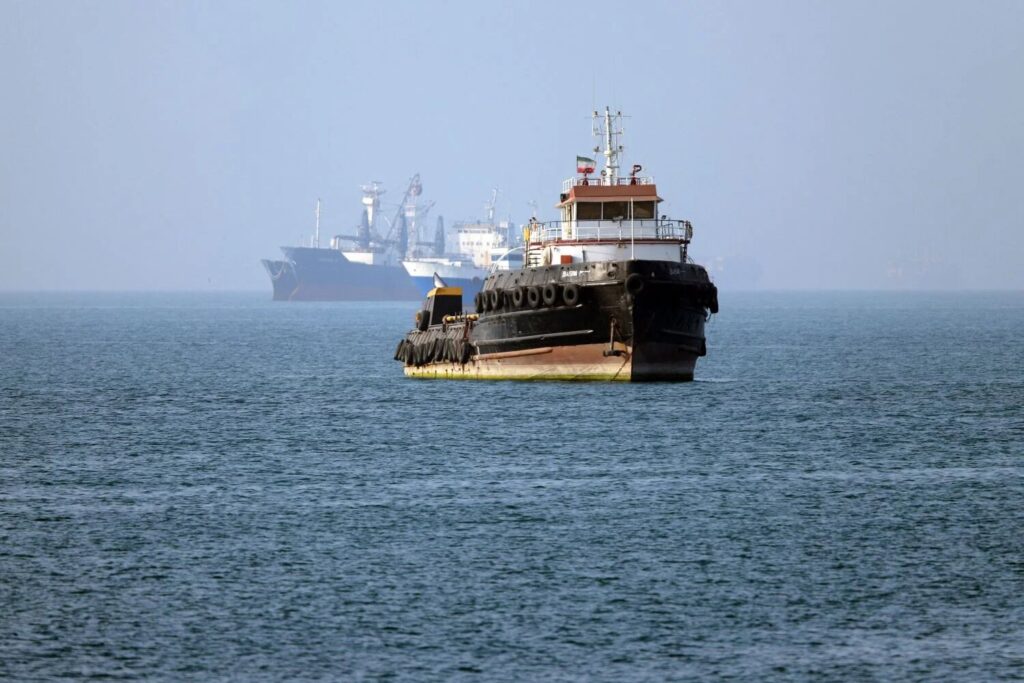
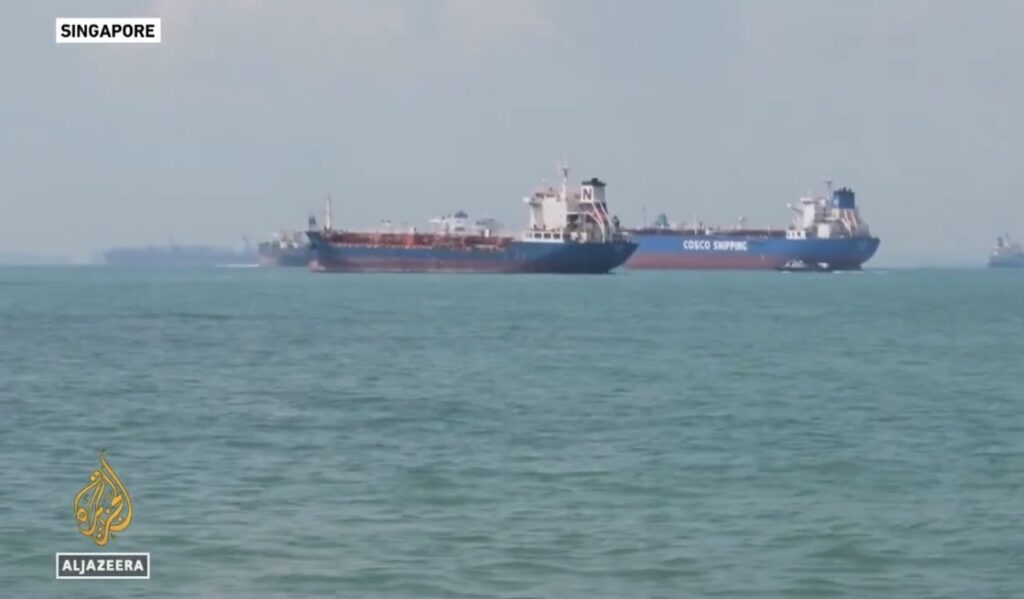
Disruptions to shipping in the Strait of Hormuz have raised concerns in another critical maritime corridor. The Strait of Malacca will be top of the agenda at this week’s ASEAN summit. Al Jazeera’s Patrick Fok reports from Singapore.
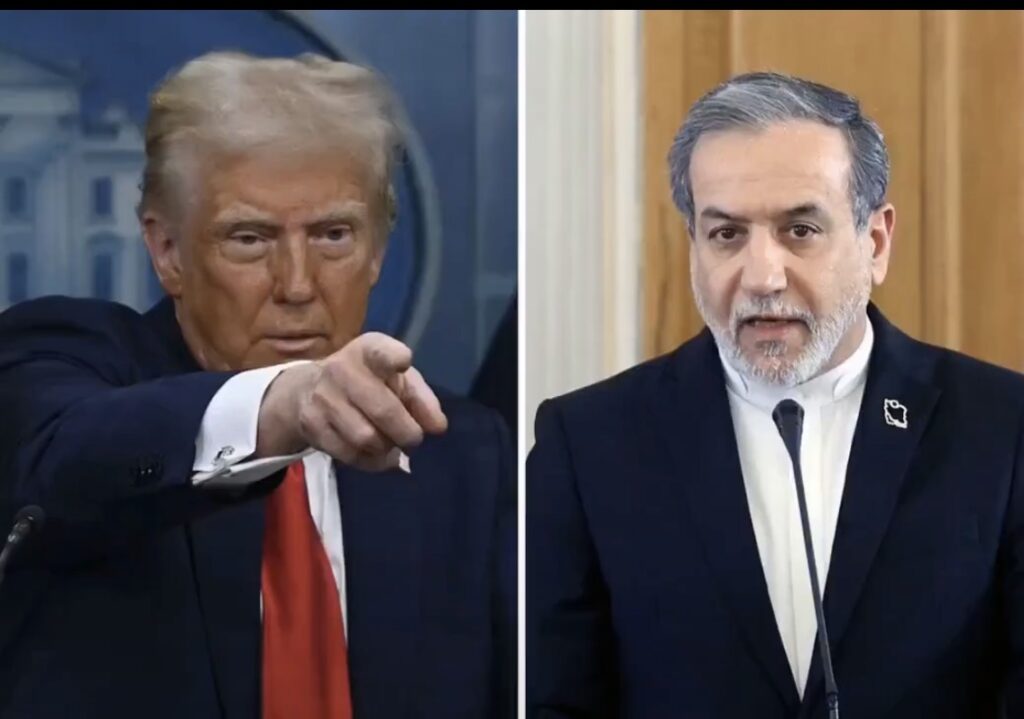
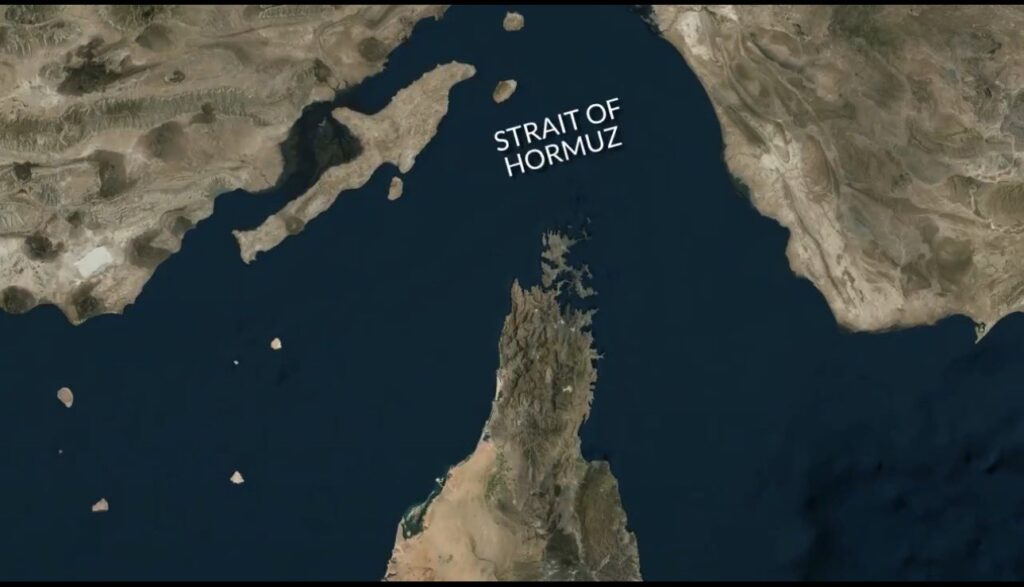
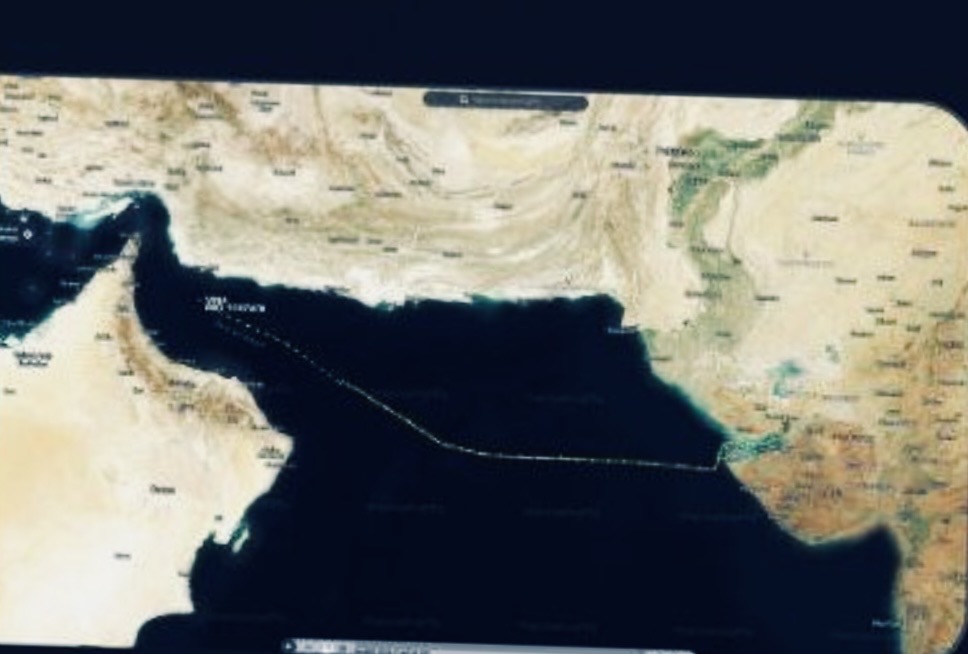
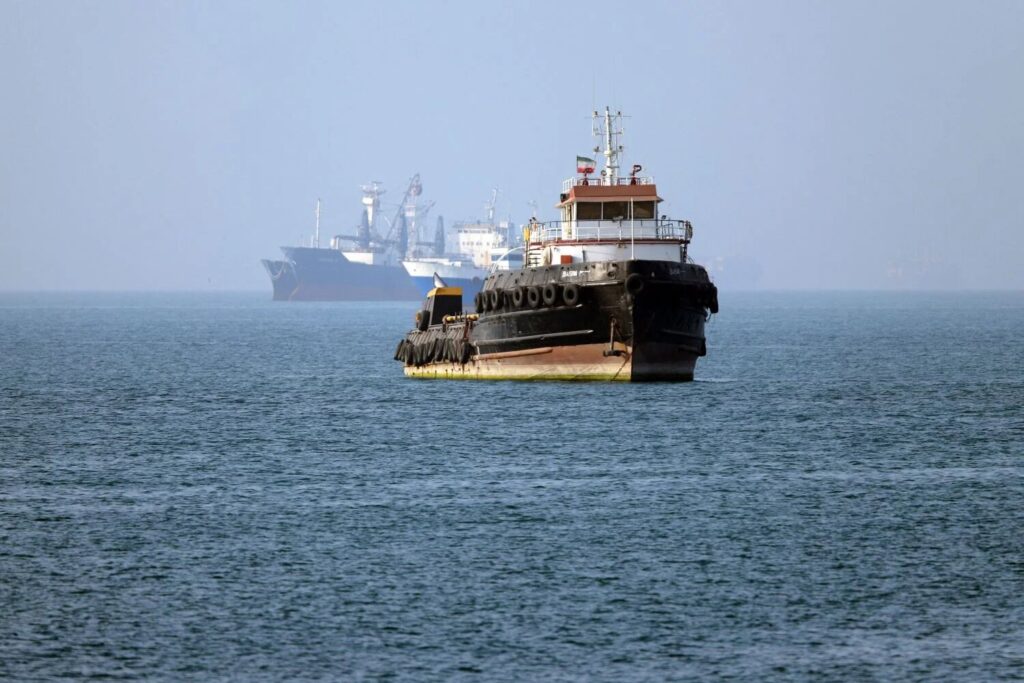
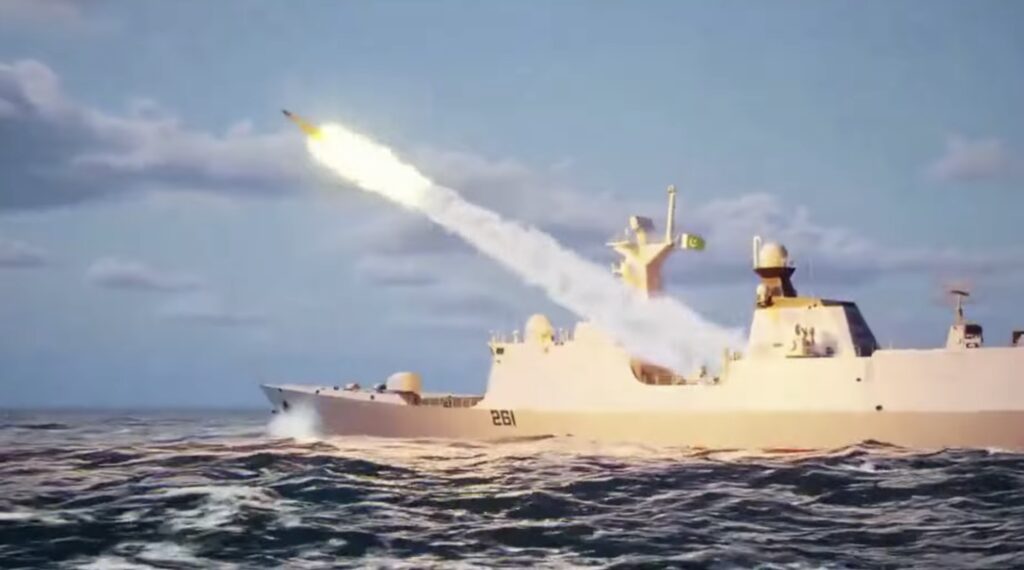
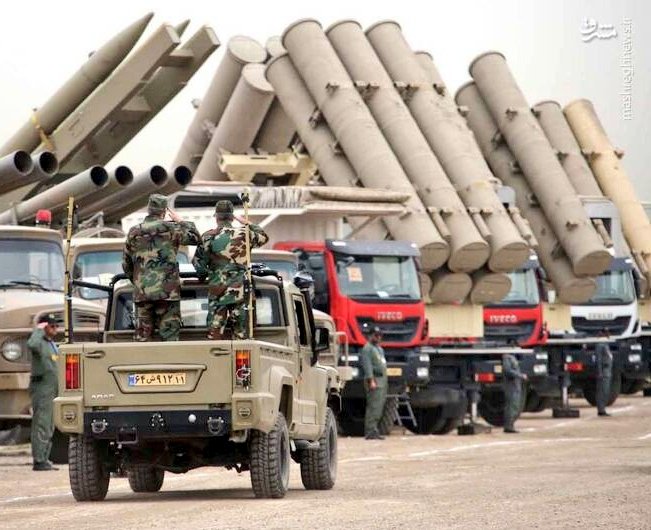
Singapore, May 2026: The ongoing crisis in the Strait of Hormuz, where military tensions between Iran, the US, and Israel have slashed commercial traffic to a fraction of normal levels, is sending ripples across global trade routes. With roughly 20-25% of the world’s seaborne oil normally passes through Hormuz, the near-shutdown has forced rerouting, spiked energy prices, and exposed the fragility of maritime chokepoints.
Now, attention has shifted halfway around the world to the Strait of Malacca, the planet’s busiest shipping lane. Stretching between Indonesia, Malaysia, and Singapore, this narrow corridor handles over a fifth of global maritime trade, including massive volumes of oil, LNG, and container cargo destined for East Asia. It serves as China’s primary energy lifeline and a vital artery for economies from Japan to India.
Concerns on Strait of Malacca
Recent events have heightened vulnerabilities. A brief proposal by an Indonesian official to impose transit tolls, inspired by reported Iranian actions in Hormuz sparked immediate backlash.
Singapore and Malaysia swiftly reaffirmed commitment to free passage under international law, emphasizing strategic alignment among the littoral states. Indonesia later walked back the idea, but the episode underscored risks of “weaponization” of these waterways amid geopolitical strain.
ASEAN leaders gathering this week are expected to prioritize the issue. Discussions will likely focus on enhancing maritime security cooperation, countering piracy and “shadow fleet” activities (rogue tankers evading sanctions that have surged in the region), and resisting external interference.
Singapore’s Foreign Minister Vivian Balakrishnan has stressed that all three nations share a core interest in keeping the strait open and toll-free.
Experts warn that prolonged Hormuz disruptions could accelerate diversification efforts, increase insurance premiums, and strain supply chains. For Southeast Asia, the stakes are existential: “Any disruption here would devastate regional economies dependent on seamless trade flows”.
ASEAN’s response could set precedents for managing chokepoints in an era of great-power competition.
As Patrick Fok observes from Singapore’s bustling port, the message from the summit will be clear, and that regional unity is the best defense against imported instability.
With over 100,000 vessels transiting annually, the Malacca Strait remains too critical to leave exposed. ASEAN’s ability to safeguard it will test the bloc’s cohesion and relevance in turbulent times.
Note: This article is written by Khalid M. Raza and published on Tumido News to help readers understand politics and raise awareness. However, we do not claim this article as an intent to differentiate one country from the other. It’s a lot of opinionated, avoidable content, if for any reason, to avoid hurting anyone’s sentiments, as the Editor in Chief does not like offensive tones being carried over into hatred. Justice is to take this article as a write-up. We value your thoughts, so if you have any questions, please leave a comment. All content on Tumido News is for the information and knowledge of our esteemed readers. Feel free to ask.