




























































































































































Rising Hantavirus Cases Worry WHO
-
Khalid M Raza
- May 7, 2026
- 0
- 3 min read


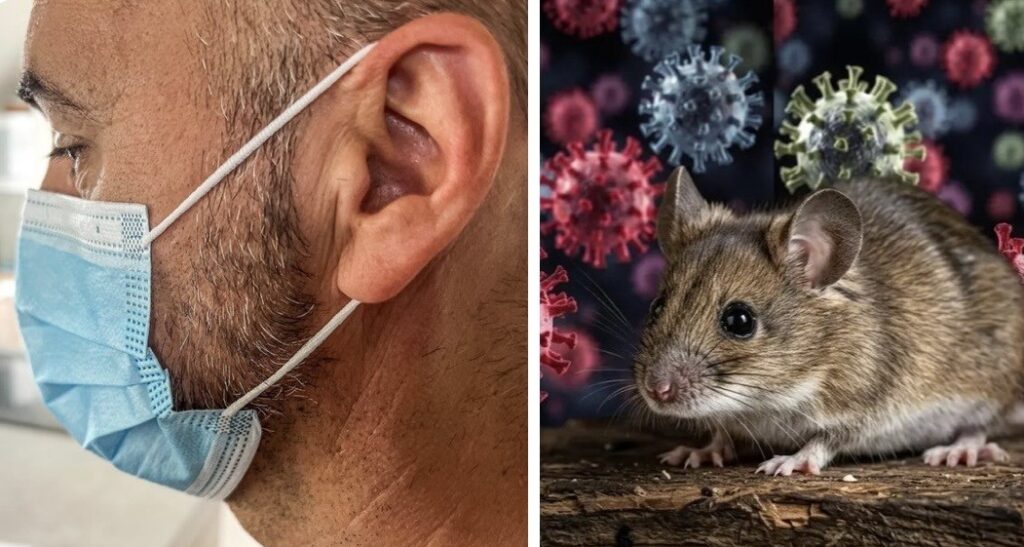
The World Health Organization, popularly known as WHO is concerned over the rising Hantavirus cases amid cruise ship cluster and Argentine investigations. WHO has confirmed a concerning cluster of hantavirus infections linked to a cruise ship that departed from Ushuaia, Argentina.
As of recent updates, laboratory confirmations have reached five cases, with additional suspected infections reported among the 147 passengers and crew aboard the MV Hondius. Three deaths have occurred, highlighting the severity of this rodent-borne disease.
Hantavirus, particularly the Andes virus strain prevalent in South America, causes hantavirus pulmonary syndrome (HPS). Symptoms begin with fever, headache, gastrointestinal issues, and myalgia, progressing rapidly to respiratory distress, pneumonia, and shock.
The case fatality rate can reach up to 50% in the Americas without prompt intensive care. Transmission typically occurs through contact with infected rodent urine, feces, or saliva, though the Andes virus has documented limited person-to-person spread via close, prolonged contact.
The ship left Argentina on April 1, 2026, for an Antarctic and South Atlantic itinerary. Initial cases, a Dutch couple likely contracted the virus during pre-boarding travel in Patagonia, possibly from rodent exposure in rural or forested areas.
Illness onsets spanned April 6 to 28. One patient remains in ICU in South Africa, while others have been evacuated for treatment. The vessel is currently moored off Cabo Verde, with international coordination involving the Netherlands, UK, South Africa, and others for testing, contact tracing, and sanitation.
In parallel, Argentine authorities are investigating a wide rise in hantavirus cases. The country has reported 101 infections since June 2025, roughly double the previous period, with mortality rates nearly tripling. Argentina consistently leads Latin America in incidence, linked to ecological factors like climate change expanding rodent habitats in Patagonia. Officials are tracing contacts of the cruise passengers, focusing on bird-watching or hiking excursions in Ushuaia and nearby areas.
No widespread outbreak exists domestically, but vigilance has increased in endemic zones like Río Negro and Bariloche.
WHO assesses global risk as low but urges enhanced surveillance, rodent control, and awareness for travelers in endemic regions.
Preventive measures include avoiding rodent-infested areas, proper cleaning (avoiding dry sweeping), and should also go for early medical seeking. Supportive care in ICUs improves outcomes; no specific antiviral exists.
This event is subject to hantavirus’s ongoing threat in South America. While not poised for pandemic spread like respiratory viruses, it demands robust public health responses, especially with eco-tourism growth. Investigations continue into exposure sources and potential secondary transmission, reinforcing the need for global preparedness against zoonotic diseases influenced by environmental changes.