















































































































































The Strait of Hormuz: Iran’s Declaration of Inevitable Confrontation
-
Khalid M Raza
- May 5, 2026
- 0
- 3 min read

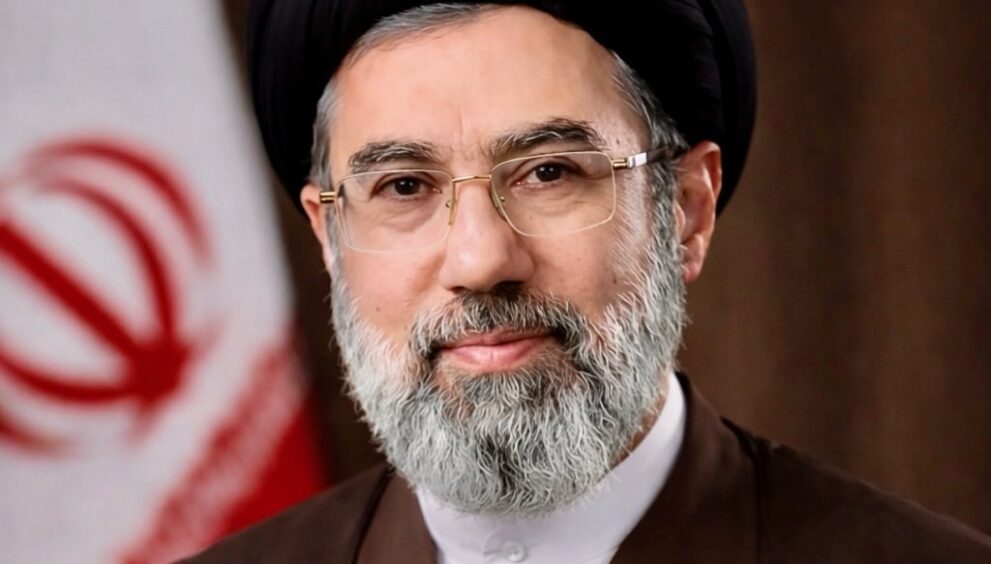
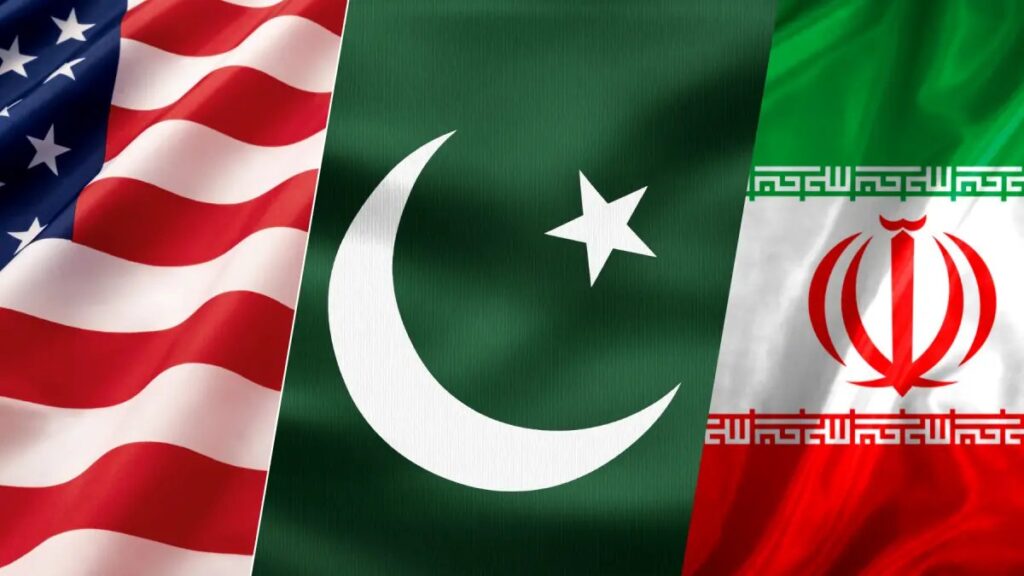
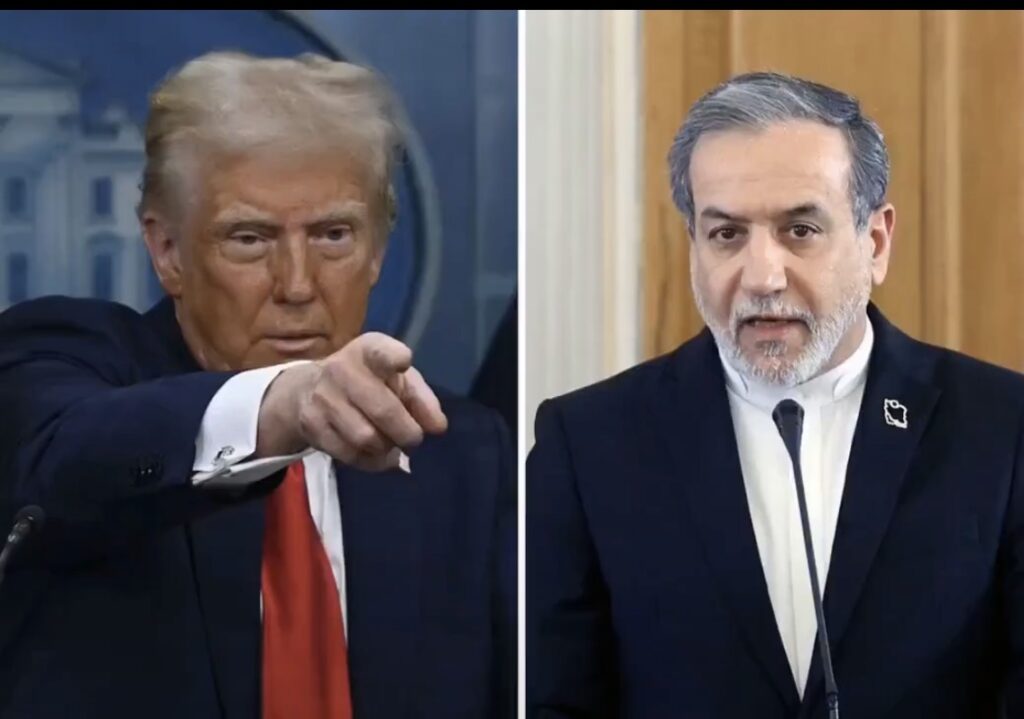
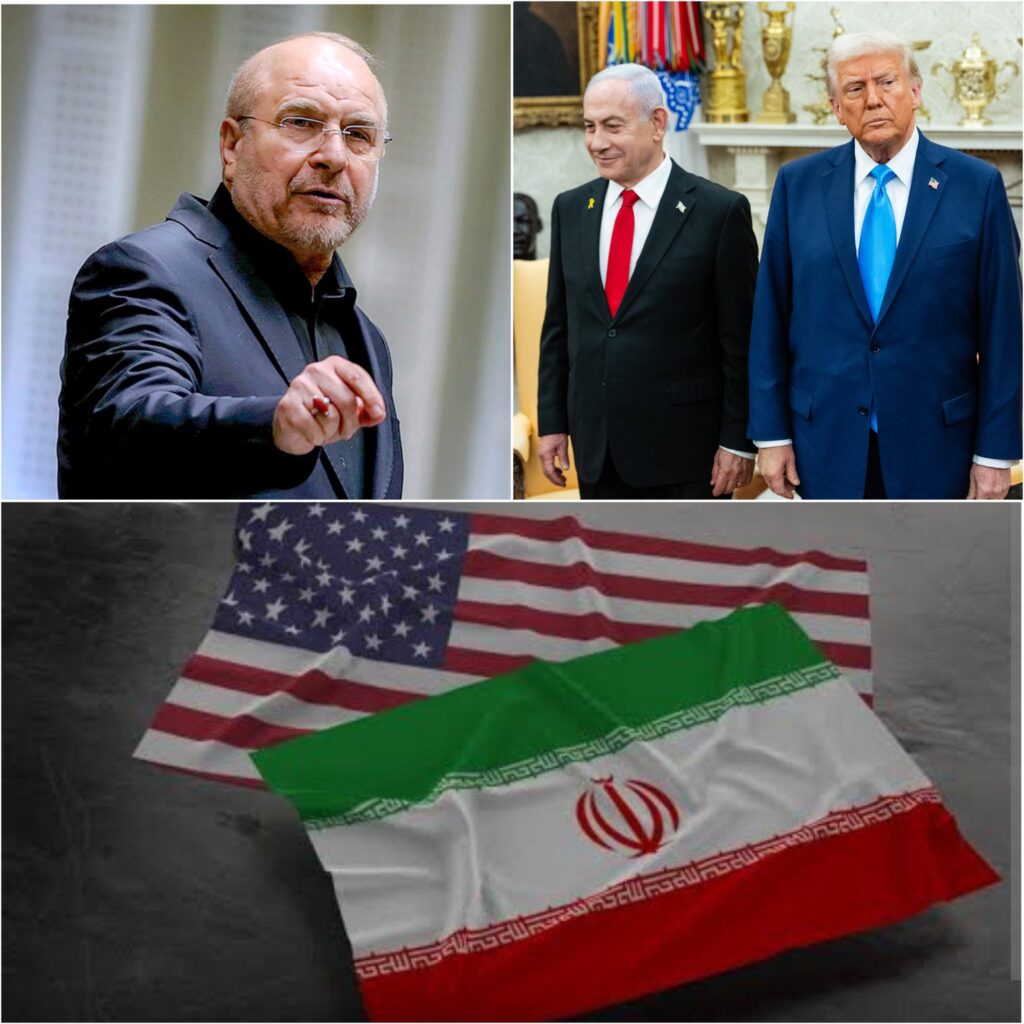
In the escalating tensions of 2026, Iran has issued a stark warning that underscores the volatile geopolitics of the Persian Gulf. The statement: “The necessity of keeping the Strait of Hormuz closed and preventing U.S. destroyers from passing through it has made conflict between Iran and the United States inevitable. The main confrontation will be carried out with the Israeli regime”, reflects Tehran’s strategic calculus amid ongoing naval standoffs, blockades, and proxy conflicts.
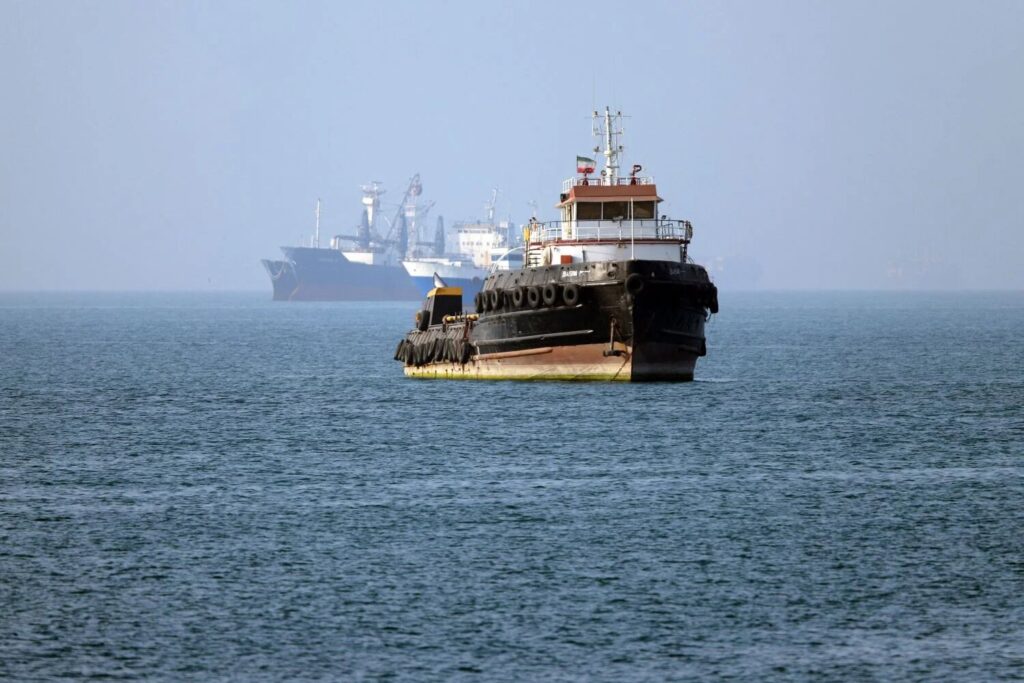
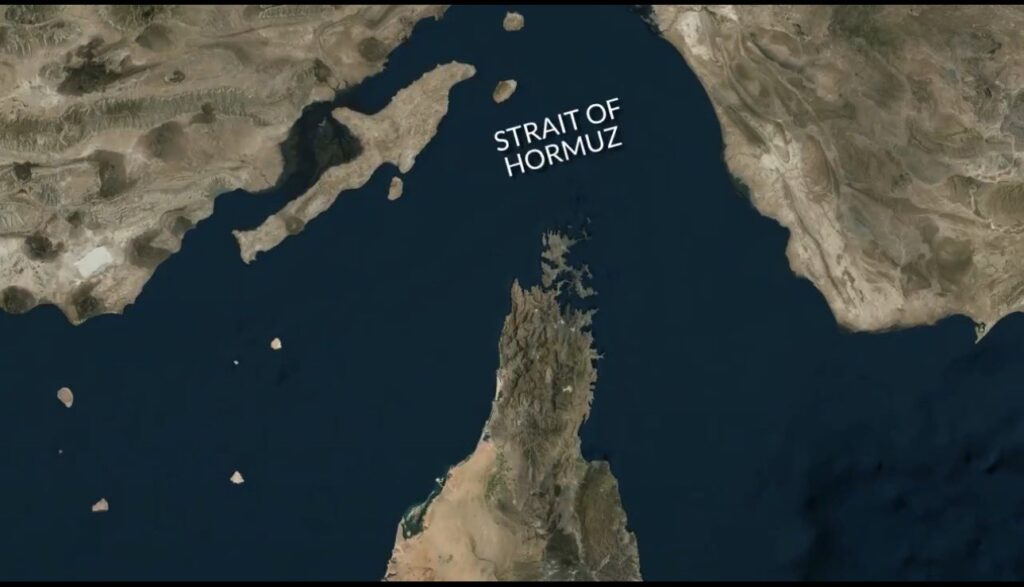
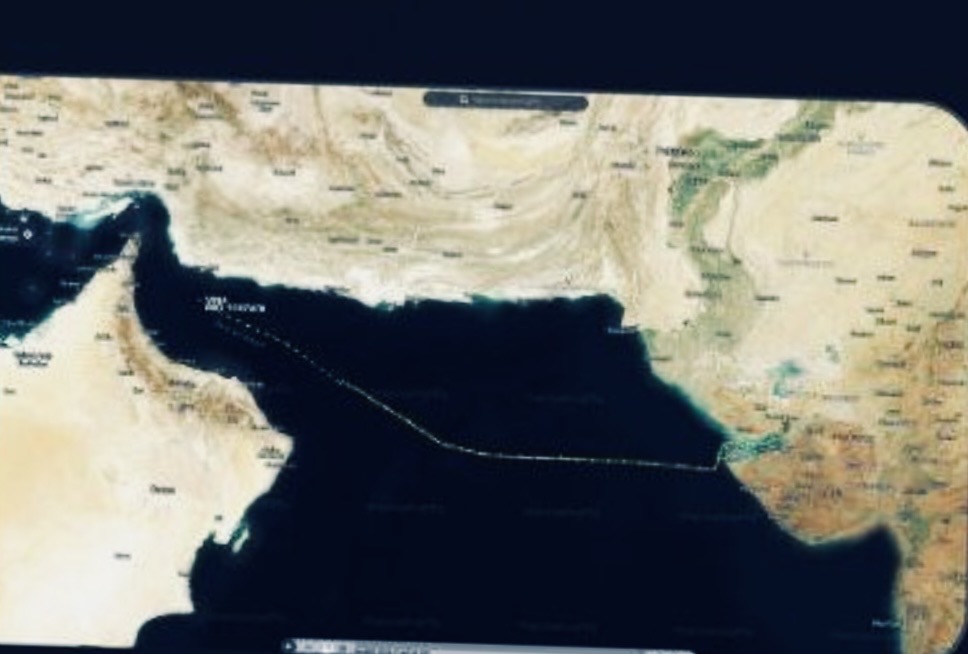
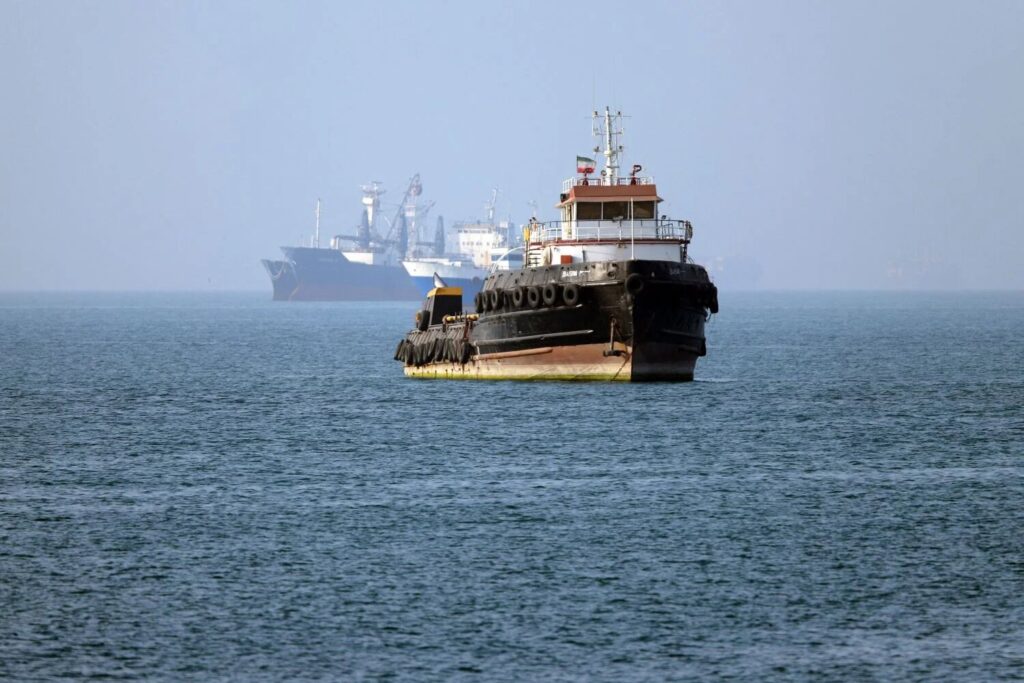
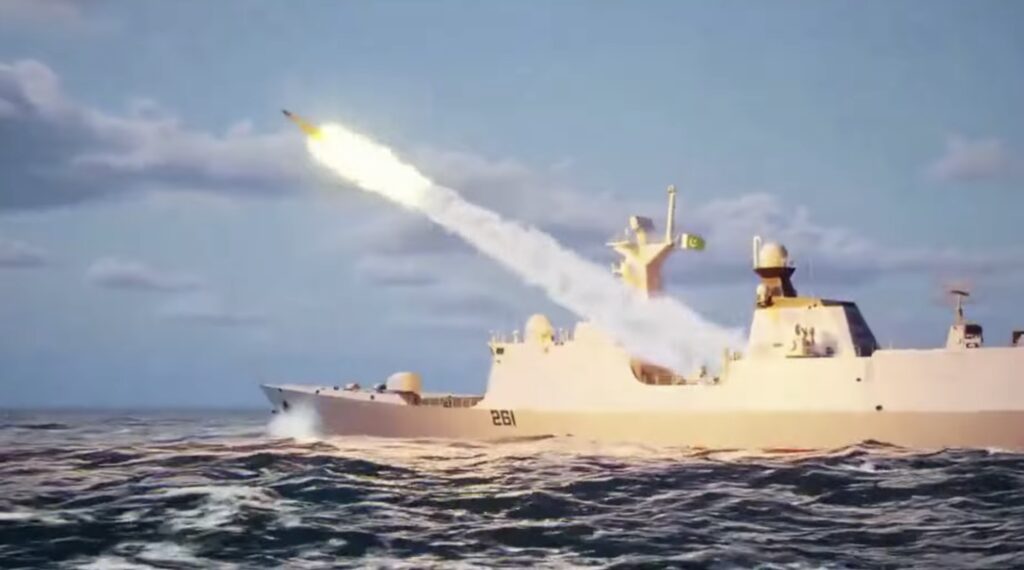
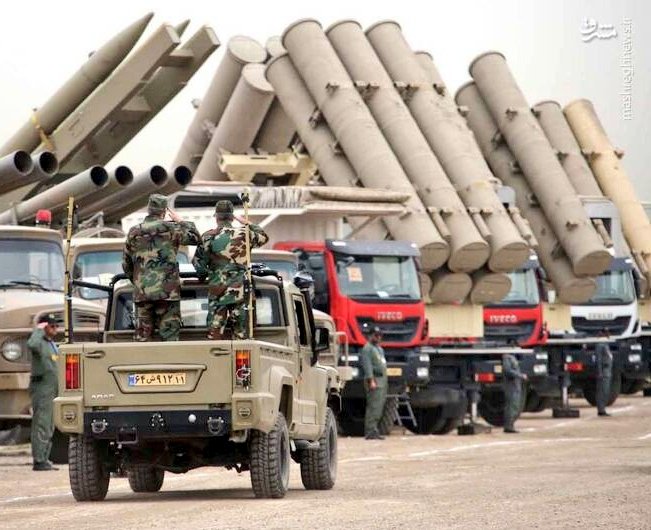
The Strait of Hormuz, a narrow chokepoint between the Persian Gulf and the Gulf of Oman, handles roughly 20-30% of global seaborne oil trade. For Iran, control over this waterway is existential. By threatening to close it in response to U.S. naval blockades of Iranian ports and Israeli military actions, Tehran leverages its asymmetric capabilities; anti-ship missiles, mines, fast-attack boats from the Islamic Revolutionary Guard Corps (IRGC) Navy, and coastal defenses to disrupt international energy flows.
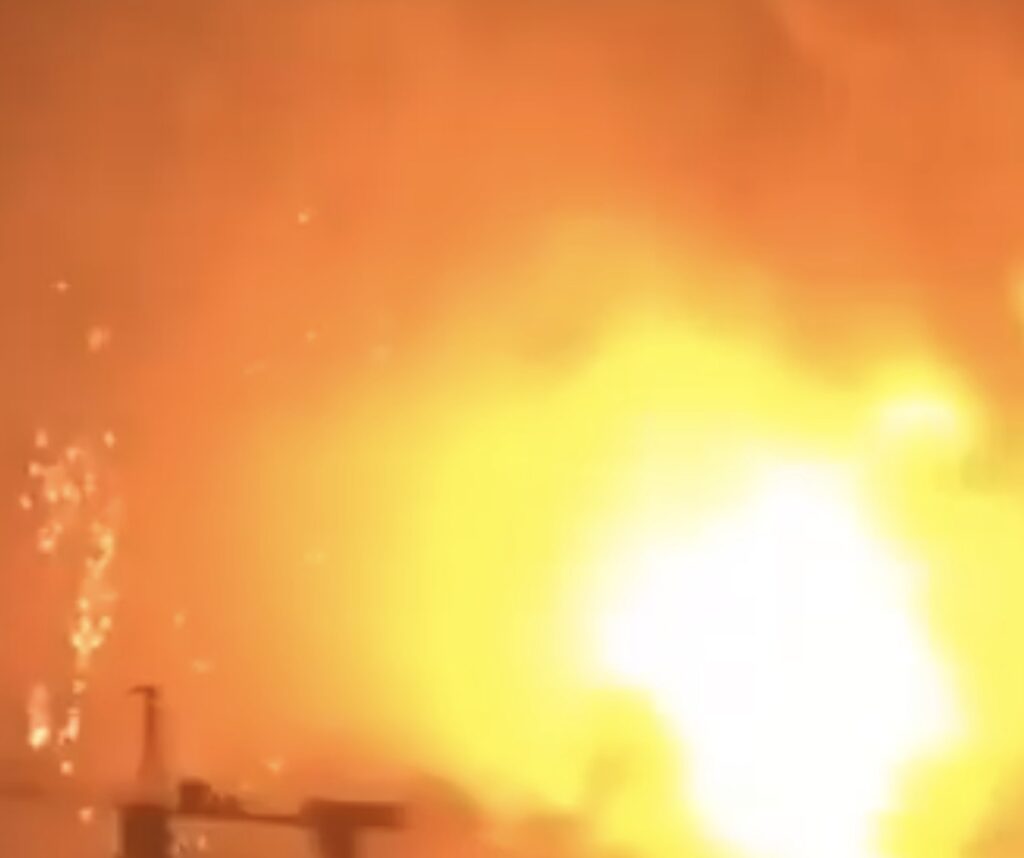
Recent incidents, including warnings to U.S. warships, reported attacks on commercial vessels, and claims of forcing American destroyers to retreat, illustrate this brinkmanship.
This posture arises from a cycle of retaliation. Following U.S.-Israeli strikes on Iranian targets and a fragile ceasefire, Iran has repeatedly closed or restricted the strait when perceiving violations, such as persistent U.S. blockades aimed at crippling its oil exports.
Iranian officials argue that unrestricted passage for “enemy” vessels equates to enabling aggression, framing their actions as defensive sovereignty under international law interpretations that prioritize coastal state security.
The emphasis on Israel as the “main confrontation” highlights Tehran’s view of Tel Aviv as the primary instigator, with the U.S. cast as its enabler. This aligns with Iran’s broader “Axis of Resistance” strategy, linking Hormuz disruptions to support for groups like Hezbollah amid Lebanese escalations.
The Strait Of Hormuz Once Again Comes In Between:
Economically, closure risks immediate global shocks: surging oil prices, supply chain disruptions, and inflation. Militarily, it invites direct U.S. intervention, as seen in “Project Freedom” efforts to escort vessels and de-mine waters. Yet Iran calculates that the high costs of prolonged conflict; potential strikes on its infrastructure, further isolation may deter full escalation or force diplomatic concessions.
The statement signals inevitability not as fatalism but deterrence. By tying Hormuz access to the removal of blockades and broader de-escalation, Iran seeks to reshape the regional order.
However, this gambit carries perils: miscalculation could ignite a wider war involving U.S. carriers, Israeli airstrikes, and Iranian retaliation across multiple fronts.
As destroyers maneuver and tankers idle, the Strait of Hormuz remains a flashpoint where energy security, great-power rivalry, and ideological enmity collide. Diplomacy, perhaps via intermediaries like Oman or Qatar, offers the only off-ramp, but with hardened positions on all sides, the path to stability appears treacherous.
Note: This article is written by Khalid M. Raza and published on Tumido News to help readers understand politics and raise awareness. However, we do not claim this article as an intent to differentiate one country from the other. It’s a lot of opinionated, avoidable content, if for any reason, to avoid hurting anyone’s sentiments, as the Editor in Chief does not like offensive tones being carried over into hatred. Justice is to take this article as a write-up. We value your thoughts, so if you have any questions, please leave a comment. All content on Tumido News is for the information and knowledge of our esteemed readers. Feel free to ask.