











































































































































Economic pull of drug trade continue to test Mexico
-
Khalid M Raza
- May 5, 2026
- 0
- 4 min read

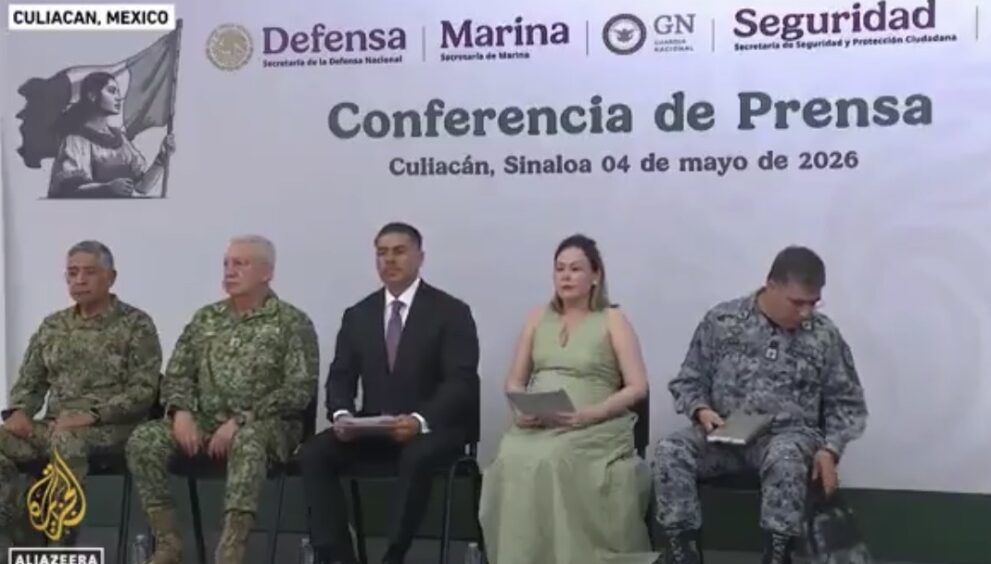
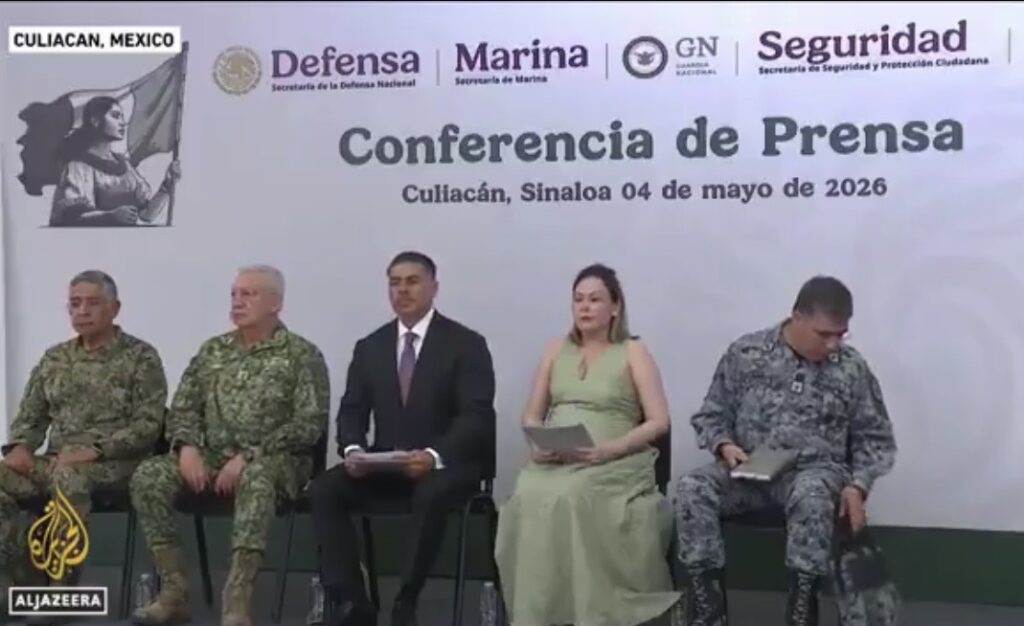
Mexico’s top security officials have arrived in Sinaloa as violence linked to cartel infighting continues to escalate. The visit signals strong federal support after a major political shake-up.
Culiacán, Mexico | Al Jazeera’s Julia Galiano reports.
Mexico’s Security Cabinet, led by Secretary of Security and Citizen Protection Omar García Harfuch, has deployed to Sinaloa amid a surge in bloodshed tied to the long-running rift within the Sinaloa Cartel.
The high-level visit underscores the federal government’s commitment to restoring order in one of the country’s most troubled states, especially following the dramatic temporary departure of Governor Rubén Rocha Moya amid U.S. drug-trafficking indictments.
Violence has intensified in recent weeks across Culiacán and surrounding municipalities. Gunfire, roadblocks, and targeted killings have become alarmingly common as rival factions broadly aligned with the remnants of the Chapitos and Mayiza groups battle for control of lucrative trafficking routes.
The infighting, which erupted after the 2024 arrest of Ismael “El Mayo” Zambada in the United States, has already claimed hundreds of lives and displaced families.
Local residents report a climate of fear, with businesses shuttered and schools occasionally suspending classes.
Officials arrived in Culiacán for closed-door meetings with state and municipal authorities, including the newly appointed interim governor.
García Harfuch emphasized a strategy of reinforced federal presence, coordination with the military, National Guard, and Navy, and immediate operational support.
Additional personnel, vehicles, and intelligence resources are being funneled into high-risk zones. Authorities have announced recent arrests and seizures of weapons and drugs as part of ongoing operations near Badiraguato and other cartel strongholds.
Analysts note Sinaloa Cartel’s fragmentation created vacuums
Yet challenges persist: deep-rooted corruption allegations, sophisticated cartel tactics including drones, and the economic pull of the drug trade continue to test Mexico’s resolve.
The timing of the visit is significant. Rocha Moya’s leave of absence, along with similar moves by local officials, followed a U.S. indictment accusing several Sinaloa figures of protecting cartel interests.
Mexican authorities have denied direct involvement in any wrongdoing while pledging full cooperation with investigations.
President Claudia Sheinbaum’s administration has framed the federal intervention as a clear message: the central government will not abandon Sinaloa or allow criminal groups to exploit political uncertainty.
Analysts note that the Sinaloa Cartel’s fragmentation has created vacuums that other organizations, including the Jalisco New Generation Cartel (CJNG), have tried to exploit, though recent blows to CJNG leadership have complicated the landscape.
For ordinary citizens in Culiacán, the priority remains daily safety. Many express cautious hope that sustained federal pressure, combined with local reforms, can reduce the toll of this internal war.
Federal forces vow daily monitoring and a permanent security table in the state capital. Yet challenges persist: deep-rooted corruption allegations, sophisticated cartel tactics including drones, and the economic pull of the drug trade continue to test Mexico’s resolve.
As operations unfold, the eyes of the nation and international partners remain fixed on whether this renewed push can deliver lasting stability to Sinaloa.
Note: This article is written by Khalid M. Raza and published on Tumido News to help readers understand politics and raise awareness. However, we do not claim this article as an intent to differentiate one country from the other. It’s a lot of opinionated, avoidable content, if for any reason, to avoid hurting anyone’s sentiments, as the Editor in Chief does not like offensive tones being carried over into hatred. Justice is to take this article as a write-up. We value your thoughts, so if you have any questions, please leave a comment. All content on Tumido News is for the information and knowledge of our esteemed readers. Feel free to ask.