


















































































































































Russia Claims Destruction of 347 Ukrainian Drones
-
Khalid M Raza
- May 7, 2026
- 0
- 3 min read


Russia Claims Destruction of 347 Ukrainian Drones in Intensified Aerial Campaign. According to the Russian Defence Ministry, as reported by AFP, Russian forces have destroyed 347 Ukrainian drones since Wednesday evening.
This announcement is subject to the escalating drone warfare that has come to define the ongoing conflict in Ukraine, with both sides increasingly relying on unmanned aerial vehicles for strikes deep into enemy territory.
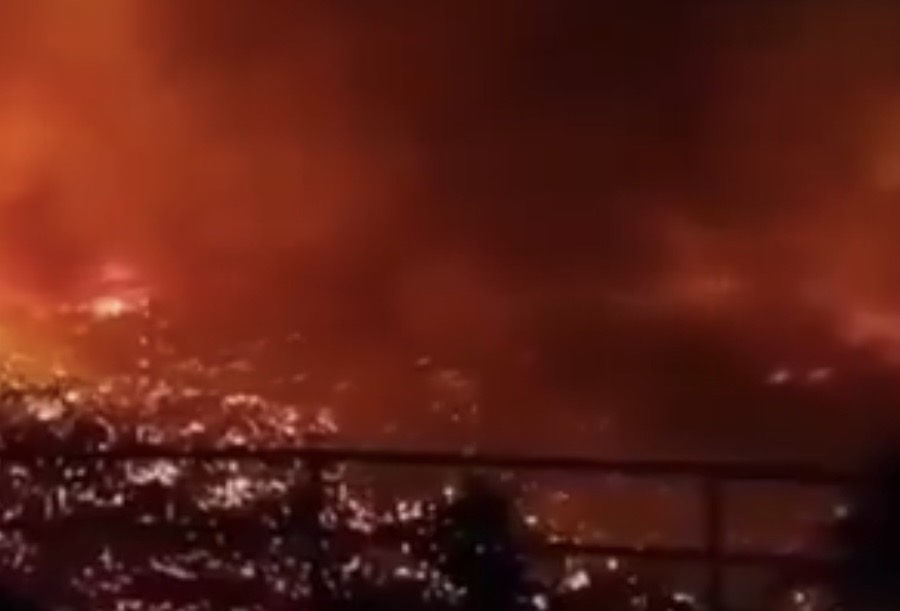
Russia claims destruction of Ukranian drones amid a flurry of reciprocal attacks. In recent days, Russia has launched hundreds of drones and missiles against Ukrainian targets, while Ukrainian forces have conducted long-range strikes on Russian regions, including incidents near Moscow and in Chuvashia.
Russian officials portray these interceptions as evidence of robust air defence capabilities, particularly systems like the Pantsir and S-400, which they say have been tuned to counter the growing threat of low-flying, manoeuvrable drones.
Ukrainian drones, often modified commercial models or purpose-built long-range types, have targeted energy infrastructure, military bases, and even residential areas, aiming to disrupt Russian logistics and morale.
This latest tally fits a broader pattern. Earlier analyses showed Russia downing record numbers of Ukrainian drones in March and April 2026, sometimes exceeding 7,000 in a single month. Such figures highlight how drones have democratised warfare: relatively inexpensive UAVs can force expensive air defence systems into action, creating an asymmetric cost dynamic.
However, independent verification remains challenging. Western analysts often note that Russian claims can be inflated for propaganda purposes, while Ukraine similarly reports high interception rates against incoming Russian Shahed-type drones.
The surge in drone activity coincides with diplomatic manoeuvring. Ukraine proposed ceasefires, but Russia has conducted strikes even as it announced its own short unilateral pauses, such as around Victory Day commemorations.
Russia claims sky war where quantity matters
Kyiv accuses Moscow of violating truces, while Moscow insists its actions are defensive responses to Ukrainian provocations. Civilian casualties on both sides continue to mount, with recent Russian strikes killing dozens in Ukrainian regions like Zaporizhzhia and Sumy, and Ukrainian drones causing damage and injuries inside Russia.
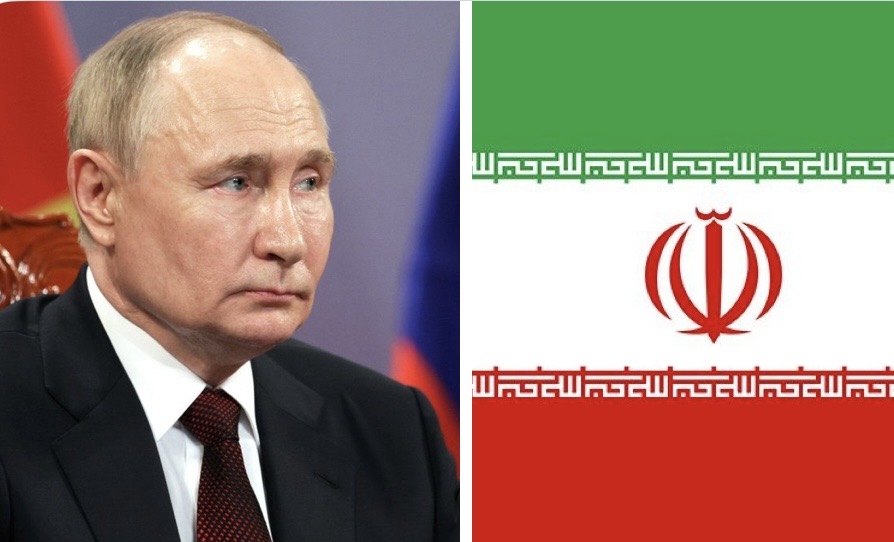
Strategically, this drone duel reflects technological adaptation. Ukraine has innovated with sea and air drones to offset numerical disadvantages, striking the Russian Black Sea Fleet and rear areas. Russia has ramped up mass production of Iranian-designed Shahed drones and electronic warfare tools to jam signals.
As the conflict grinds on, the 347-drone claim serves multiple purposes: it reassures the Russian public of defensive strength, justifies continued military spending, and signals to the West that Ukraine’s Western-supplied capabilities face stiff resistance.
Yet the sheer volume of drones on both sides suggests a stalemate in the air domain, where breakthroughs depend less on single engagements and more on industrial output, electronic countermeasures, and international support.
With no immediate diplomatic resolution in sight, such nightly barrages are likely to persist, prolonging suffering and complicating any path to peace.