










































































































































Hormuz Blockade Fractures Europe To Asia This Deep
-
Khalid M Raza
- May 4, 2026
- 1
- 3 min read

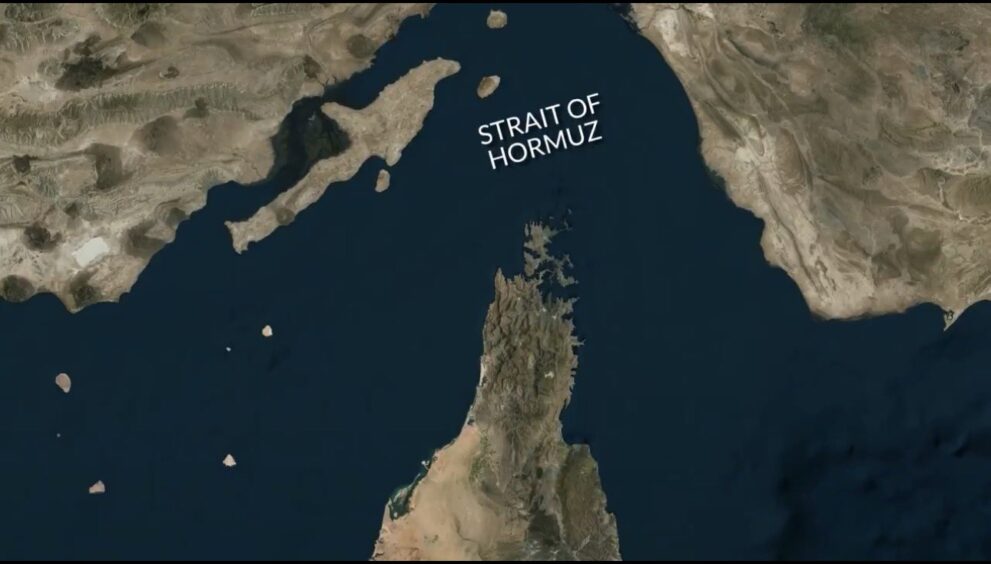
The blockade at Hormuz has throttled global energy flows, driving price shocks and exposing deep fractures from the Persian Gulf to Europe and Asia.
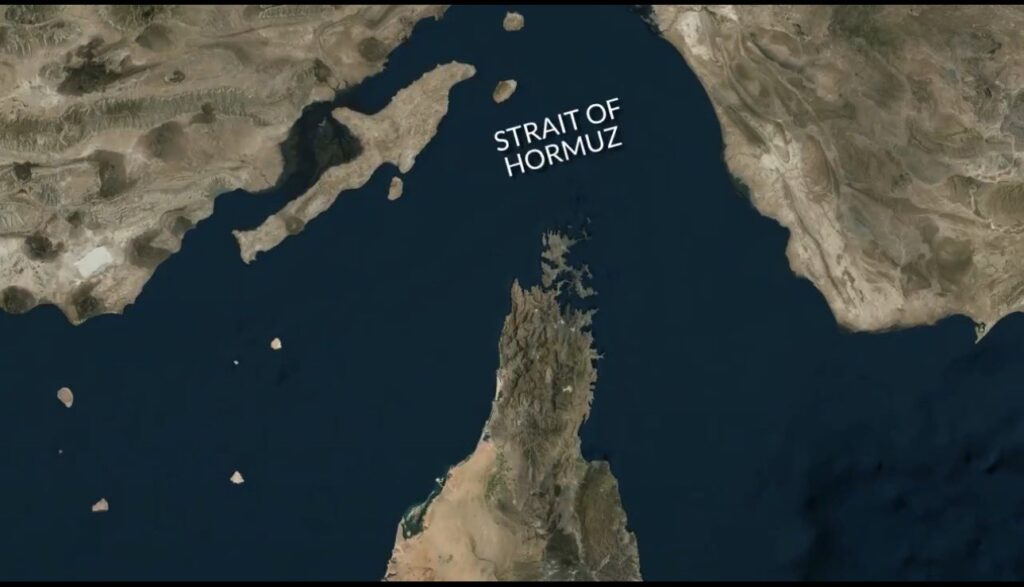
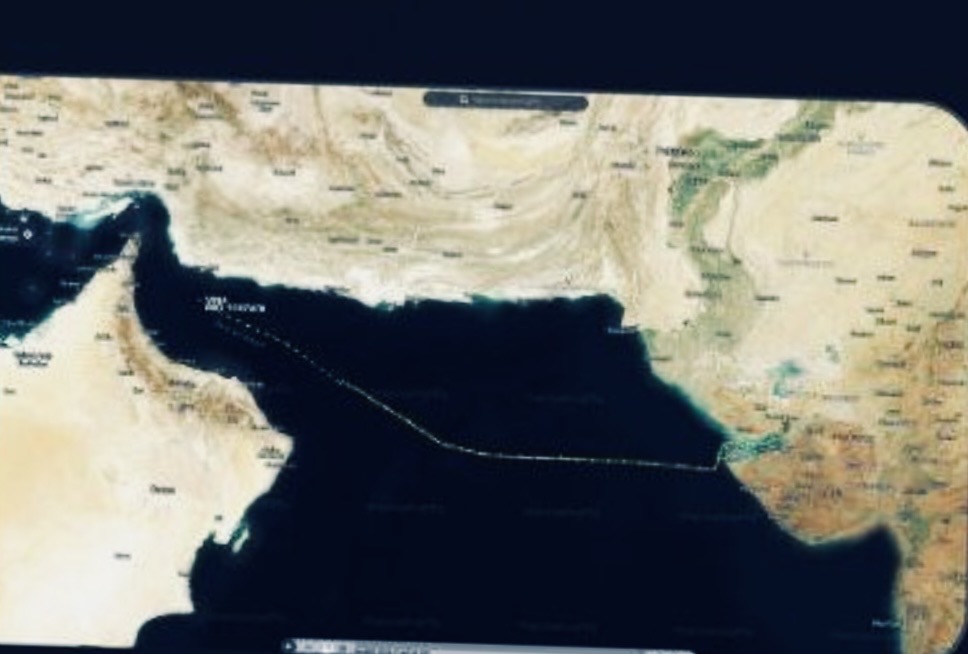
The Strait of Hormuz, a narrow chokepoint between the Persian Gulf and the Gulf of Oman, has long been the world’s most critical energy artery.
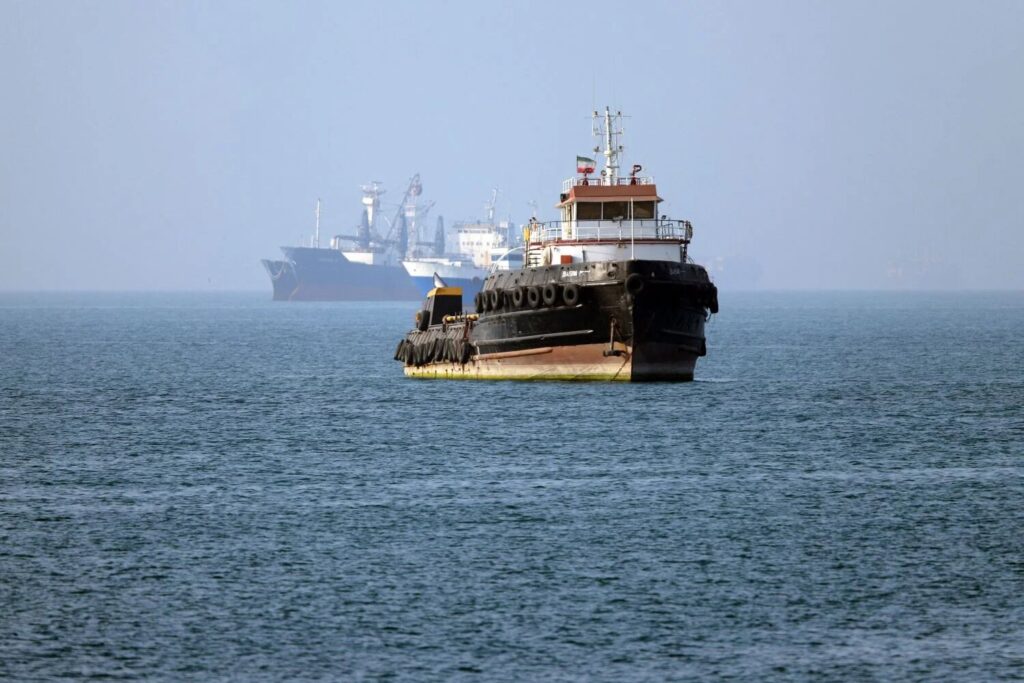
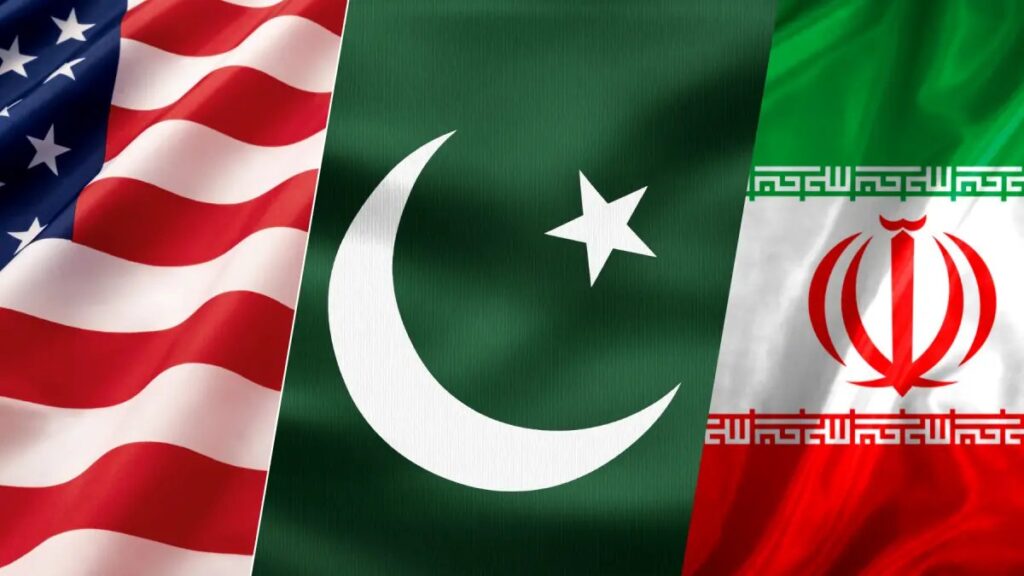
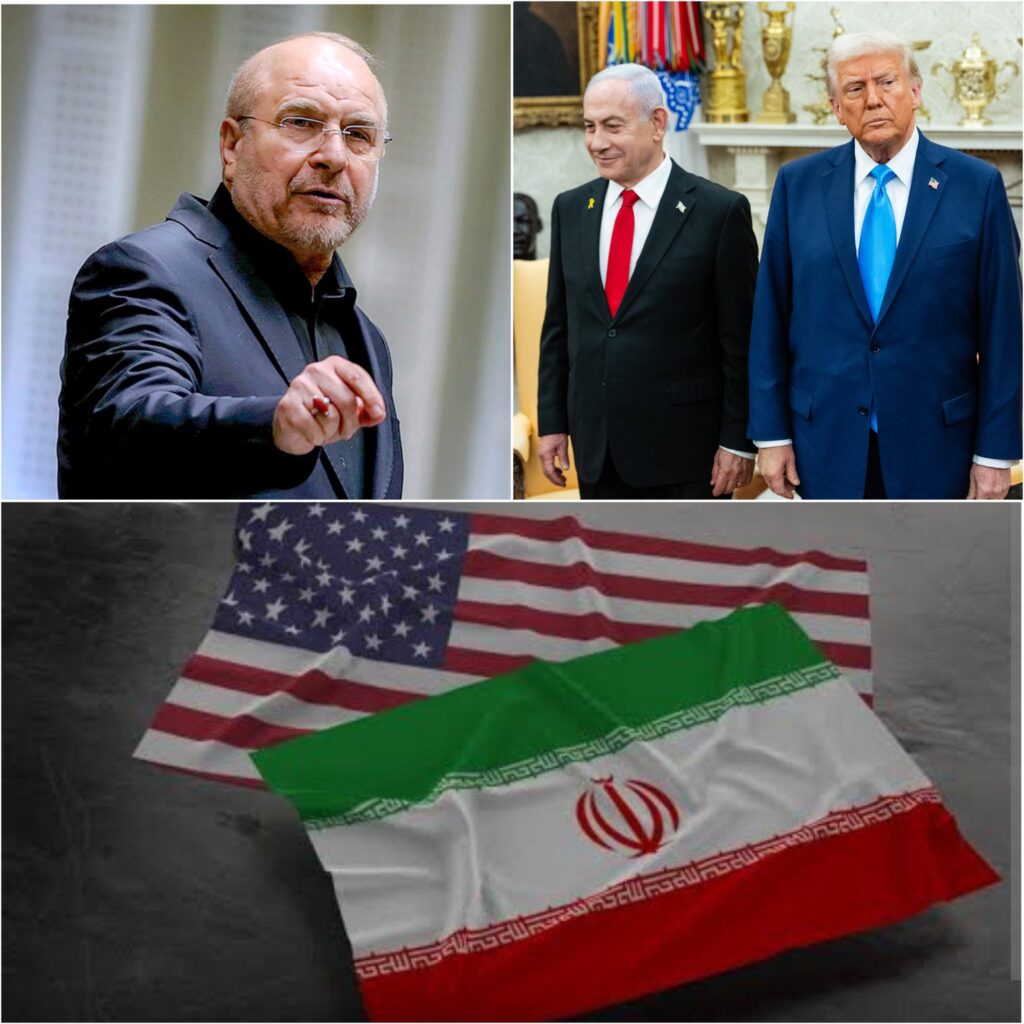
Normally, it carries about 20% of global oil and liquefied natural gas, roughly 21 million barrels per day pre-crisis. Since Iran’s closure in late February 2026 in response to US-Israeli strikes, followed by America’s counter-blockade on Iranian ports from mid-April, traffic has collapsed to a trickle.
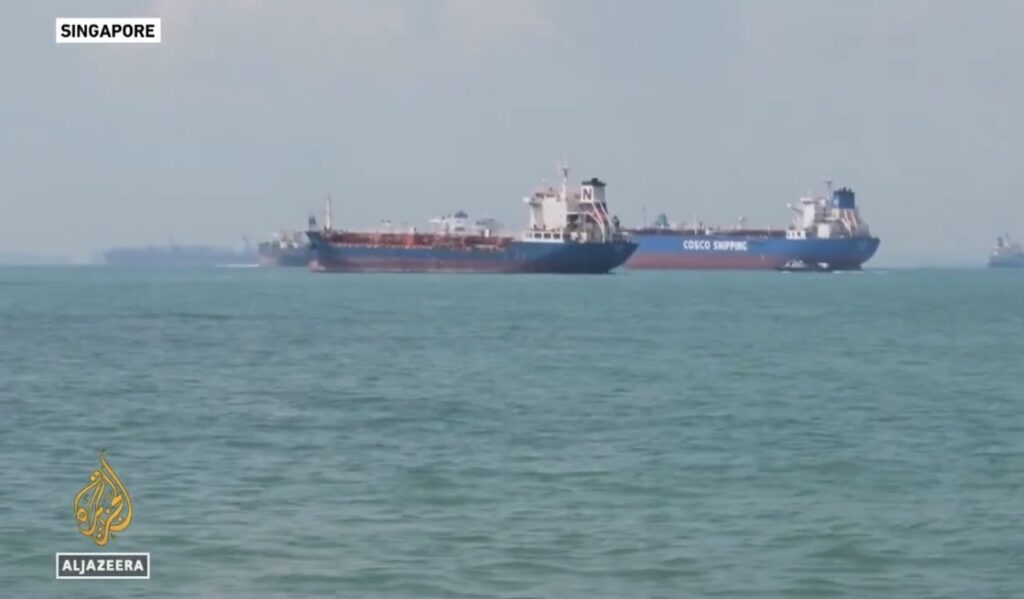
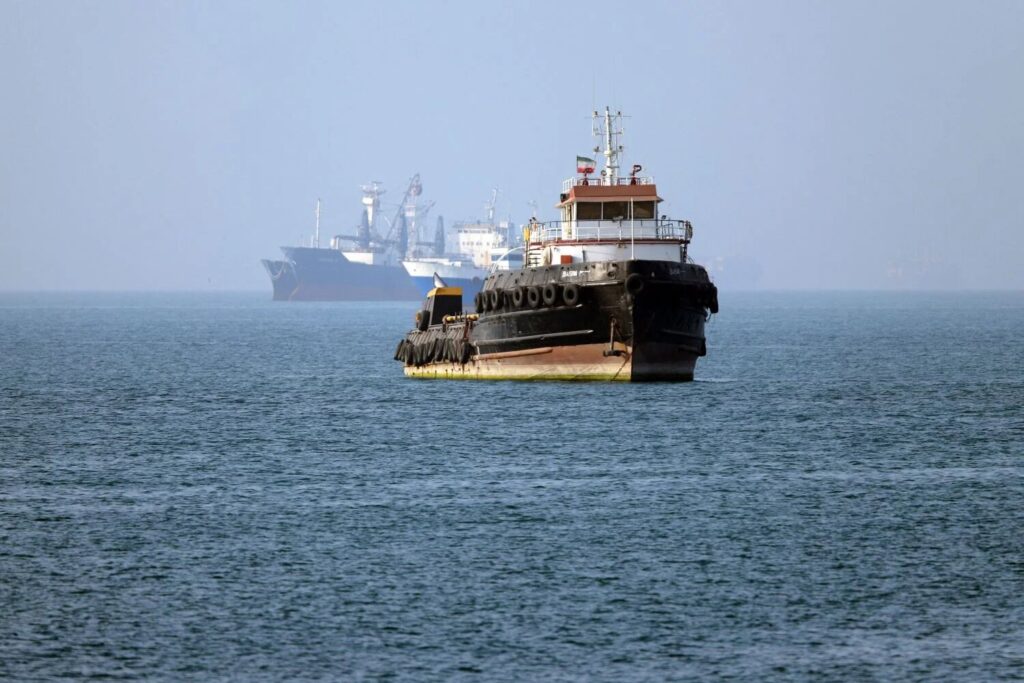
Shipping data shows a 95% drop in vessel crossings by March, with thousands of tankers stranded and insurance premiums skyrocketing.
This dual blockade has unleashed immediate price shocks. Brent crude has surged past $110–$125 per barrel in recent weeks, hitting four-year highs, while WTI climbed above $100–$106.
The disruption exceeds the 2022 Ukraine shock in scale, as alternative routes like pipelines through Saudi Arabia or the UAE cannot fully compensate for the volume. Asian importers: China, India, Japan, and South Korea, which rely on Gulf crude for over 60% of their needs, face acute pain.
Spot shortages have emerged, forcing refiners to bid aggressively and drawing down strategic reserves.
In Europe, already strained by prior energy transitions, natural gas and diesel prices have spiked, threatening winter stockpiles and industrial output.
The Hormuz Blockade Fractures Deep
In the Persian Gulf, Arab states find themselves caught between supporting Western pressure on Iran and fearing regional escalation.
Saudi Arabia and the UAE have ramped up production but hesitate to fully offset Iranian barrels, wary of Iranian retaliation.
GCC economies, though diversified, still depend on stable oil revenues; prolonged chaos risks fiscal strain and investment flight.
Europe confronts renewed vulnerability. Dependence on diversified LNG and Gulf imports highlights the fragility of its post-Russia energy strategy.
Higher costs fuel inflation, erode competitiveness, and stoke political unrest, with populist voices decrying “distant wars” disrupting household budgets.
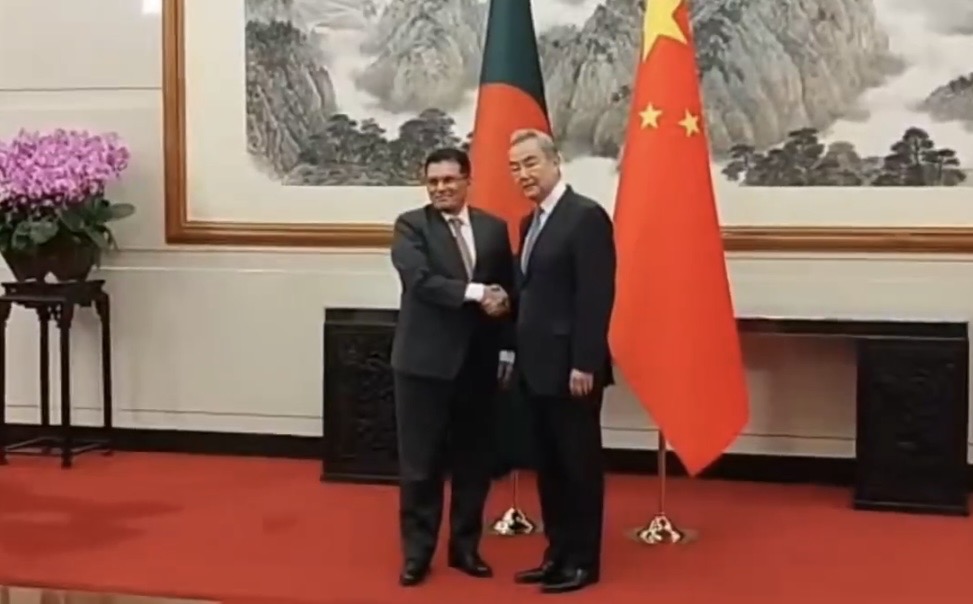
Asia’s response reveals sharper divides: China has secured limited passages through diplomacy with Tehran, exposing its leverage via Belt and Road ties, while India scrambles for Russian and African alternatives, underscoring its non-aligned tightrope.
Geopolitically, the crisis lays bare the limits of military coercion.
Iran’s mining and asymmetric threats have proven effective at asymmetric disruption, even as its navy weakens. US-led efforts like “Project Freedom” to escort neutral ships test ceasefires, yet risk miscalculation amid missile exchanges. The blockade accelerates de-dollarization talk and pushes buyers toward alternative suppliers, hastening multipolar energy realignments.
Ultimately, Hormuz reveals globalization’s Achilles’ heel: a single waterway can paralyze supply chains from Gulf producers to Asian factories and European consumers.
Resolution demands not just naval clearance but diplomatic breakthroughs addressing Iran’s security concerns and nuclear ambitions. Until then, price volatility and fractured alliances will persist, reminding the world how interconnected and precarious energy security remains.


Concerns raised for Strait of Malacca due to disruptions in Strait of Hormuz - Tumido News
05th May 2026[…] Hormuz Blockade Fractures Europe To Asia This Deep […]