































































































































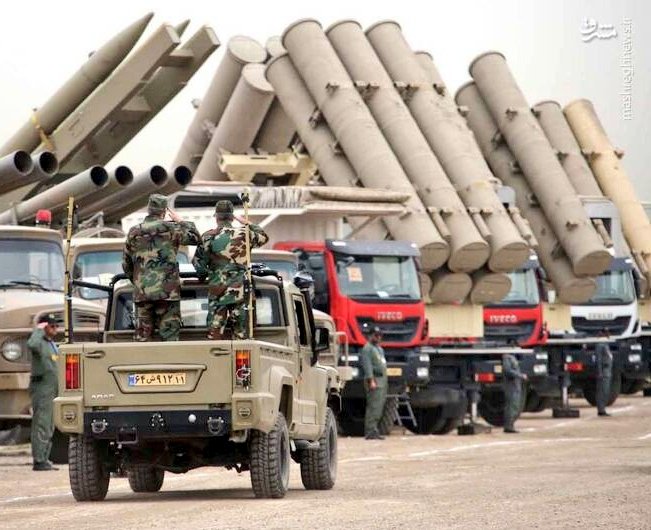



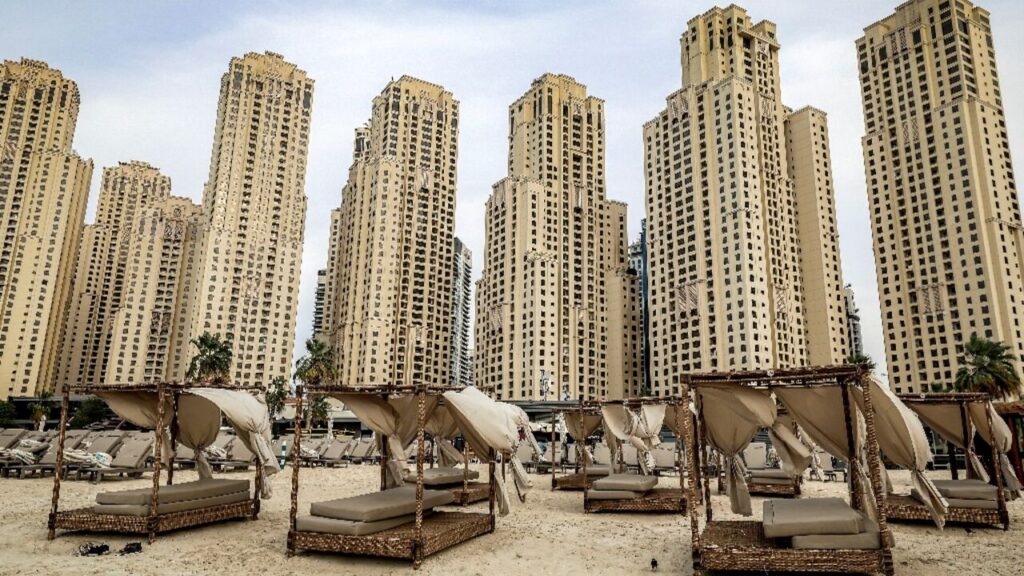

Dubai downfall triggered by the escalation of hostilities with Iran
-
Khalid M Raza
- May 5, 2026
- 1
- 3 min read

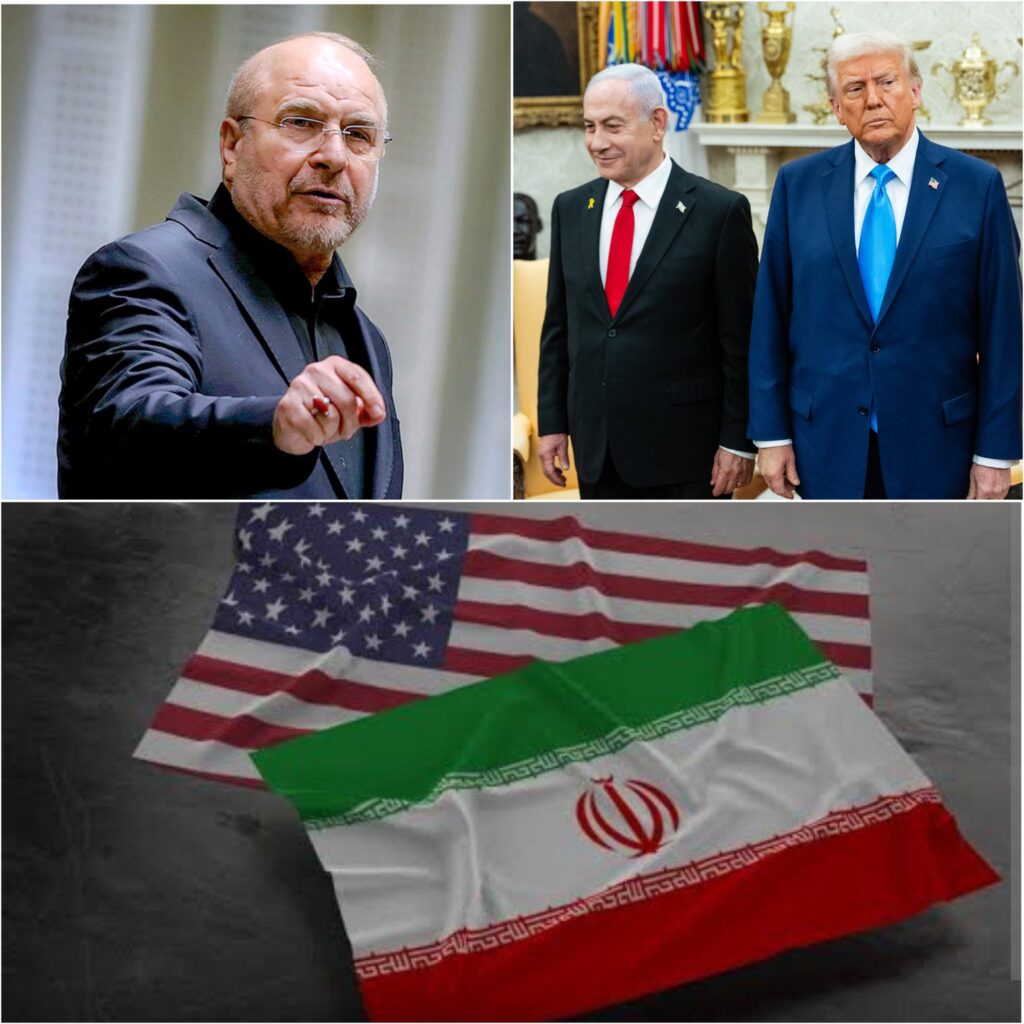
Dubai, long hailed as the glittering jewel of the Middle East and a global hub for luxury, commerce, and connectivity, is confronting an unprecedented economic downturn triggered by the escalation of hostilities between the US, Israel, and Iran.
The conflict has delivered a devastating blow to the emirate’s hospitality and aviation sectors, which form the bedrock of its diversified economy.
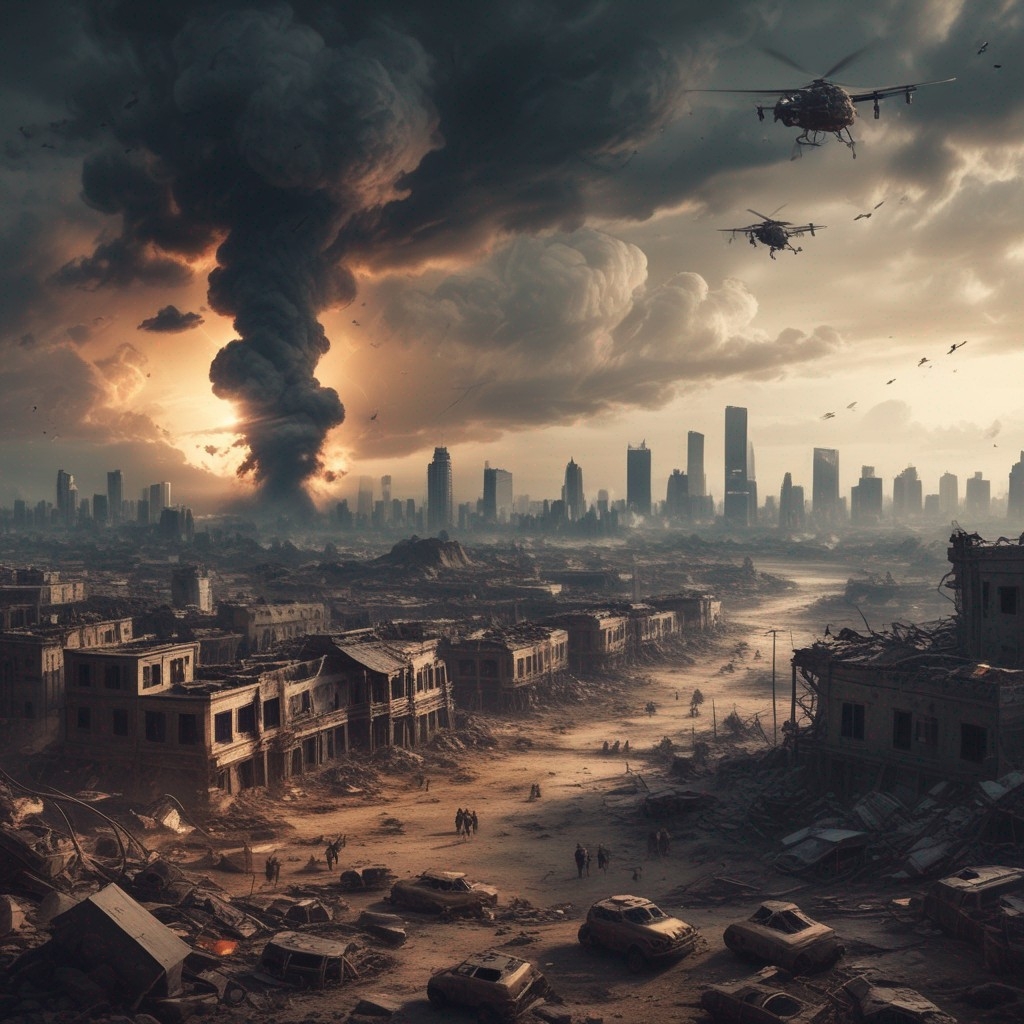
Once symbols of resilience and opulence, these industries now grapple with sharp contractions, empty hotels, and silent runways.
Passenger traffic at Dubai International Airport (DXB), the world’s busiest international hub, has plummeted dramatically.
In the first quarter of 2026, the airport handled just 18.6 million passengers, roughly 21% year-on-year decline. The situation worsened in March, with arrivals crashing by a staggering 66% to only 2.5 million travelers, far below typical figures boosted by seasonal holidays like Eid al-Fitr.
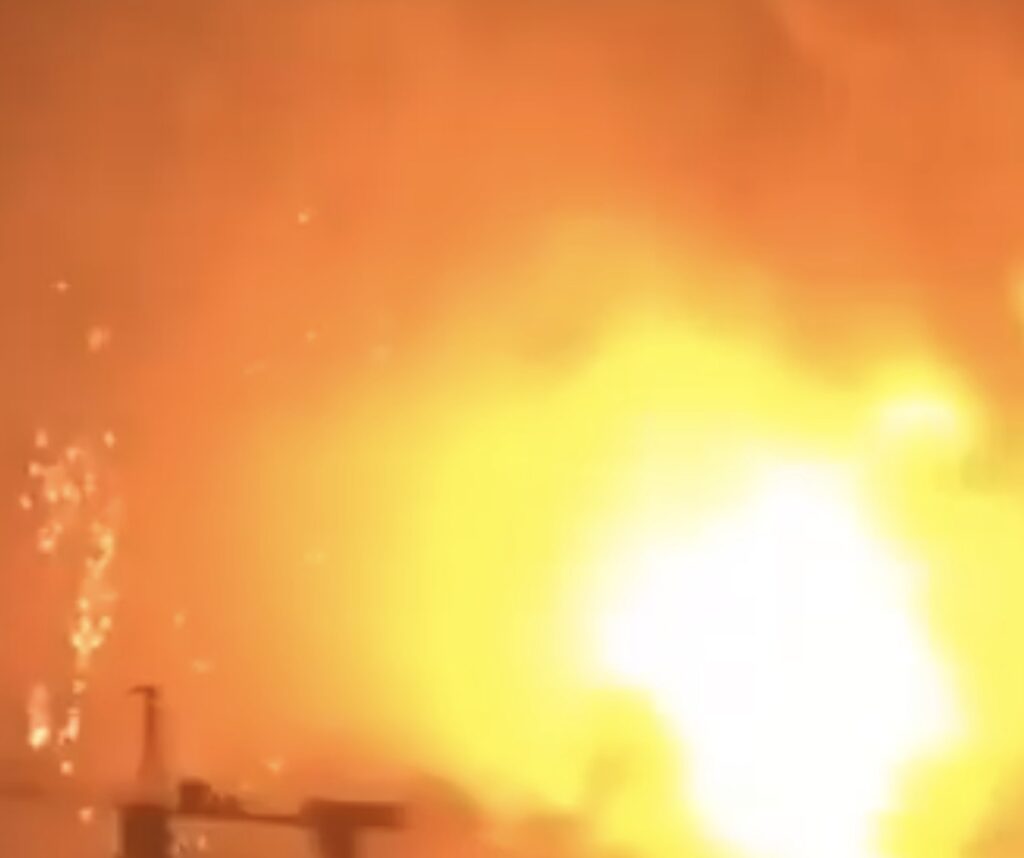
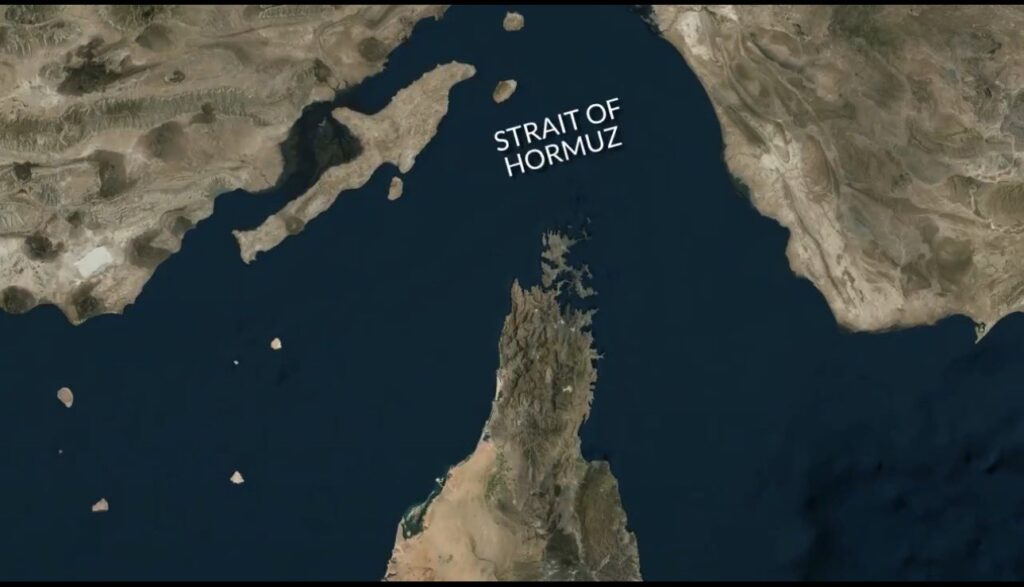
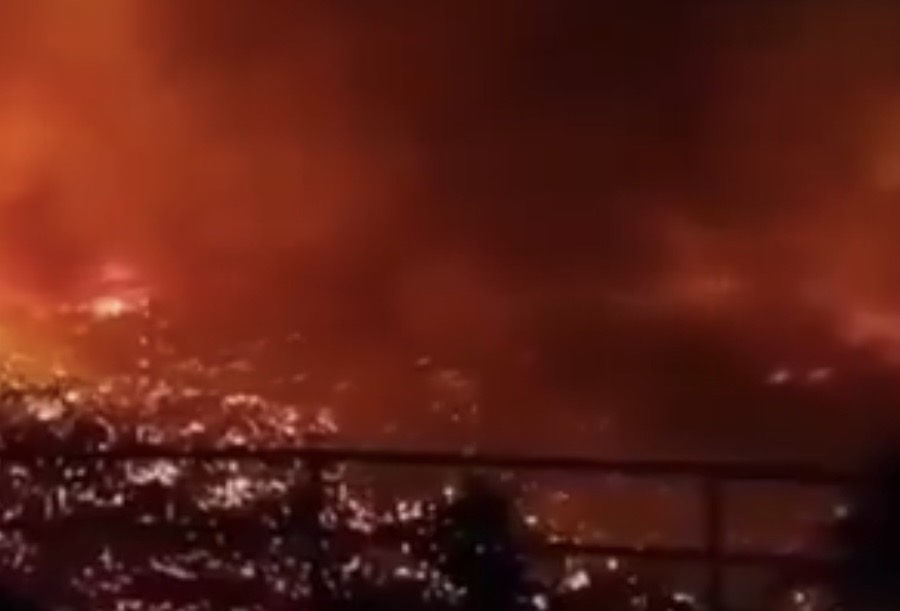
Iranian retaliatory strikes on Gulf targets, including incidents near DXB such as drone hits on fuel infrastructure, forced widespread airspace closures across the region.
Although the UAE has since lifted these restrictions to facilitate recovery, the damage to global confidence is profound and lingering.
Major European and US carriers have suspended operations citing prohibitive insurance premiums and safety risks, transforming vibrant terminals into eerie ghost towns. Airlines like Air Canada extended cancellations into May, while others curtailed services amid debris risks and military activity.
This vacuum has stranded thousands and crippled transit traffic that once funneled millions through Dubai en route between Europe, Asia, and Africa.
Also effects on hospitality in Dubai are equally severe
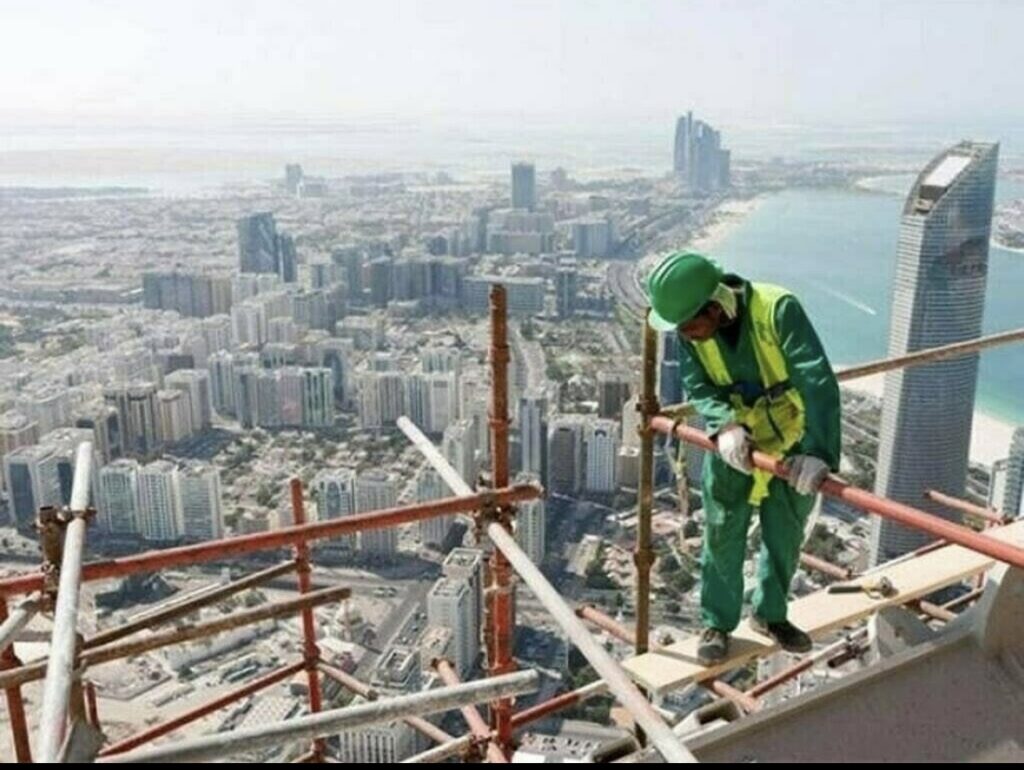
The ripple effects on hospitality are equally severe. Hotel occupancy rates have plunged 70-80% in some reports, with restaurants and experiential venues seeing demand drops of 50% or more. Businesses report mass furloughs, salary cuts, and unpaid leave for expatriate workers who power the sector.
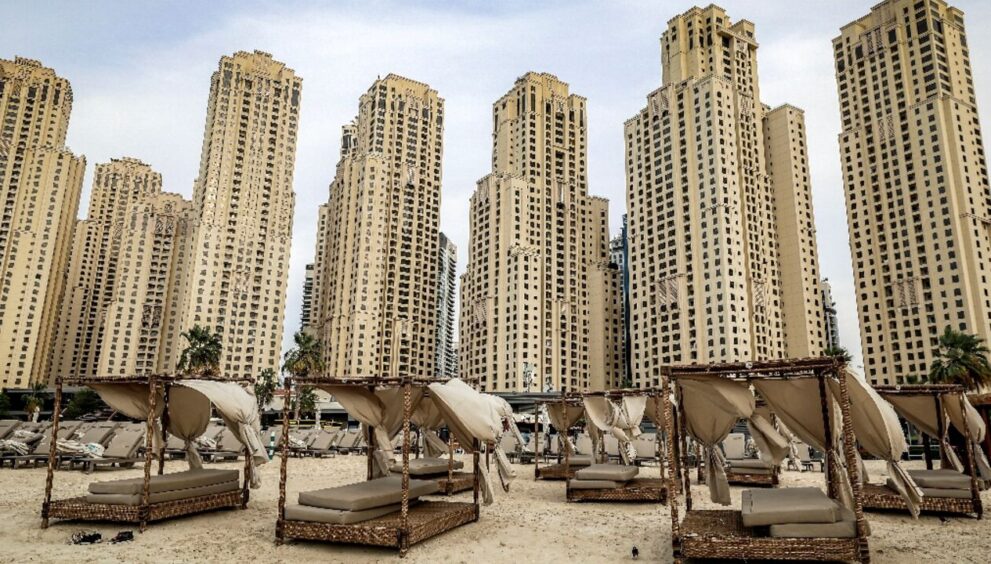
Luxury icons like the Burj Al Arab and Palm Jumeirah properties, once booked solid, now face near-empty pools and silent lobbies. Tourism, which welcomed nearly 20 million visitors last year, is at a standstill, erasing billions in projected revenue and threatening ancillary sectors from retail to events.
Despite government efforts to restore operations and signals of gradual rebound, shattered perceptions of safety will take time to mend. Dubai’s model built on openness, ambition, and seamless connectivity, faces its sternest test.
Diversification into finance, tech, and logistics offers some buffer, but prolonged regional instability risks reversing years of gains. As the conflict simmers, the emirate’s leaders must navigate uncertainty while reassuring a wary world that the desert dream remains intact. Recovery hinges not just on reopened skies, but on restored faith in stability.
Note: This article is written by Khalid M. Raza and published on Tumido News to help readers understand politics and raise awareness. However, we do not claim this article as an intent to differentiate one country from the other. It’s a lot of opinionated, avoidable content, if for any reason, to avoid hurting anyone’s sentiments, as the Editor in Chief does not like offensive tones being carried over into hatred. Justice is to take this article as a write-up. We value your thoughts, so if you have any questions, please leave a comment. All content on Tumido News is for the information and knowledge of our esteemed readers. Feel free to ask.


No Hajj Without Permit New Law By Saudi Authorities - Tumido News
05th May 2026[…] Dubai downfall triggered by the escalation of hostilities with Iran […]