





















































































































China in support of Iran makes America much weaker
-
Khalid M Raza
- May 6, 2026
- 0
- 3 min read

In the complex arena of great-power competition, China’s long-term strategy to erode U.S. global primacy has directly bolstered Iran’s resilience.
By challenging American dominance economically, diplomatically, and militarily, Beijing creates breathing space for Tehran to withstand sanctions, fund proxies, and project regional power.
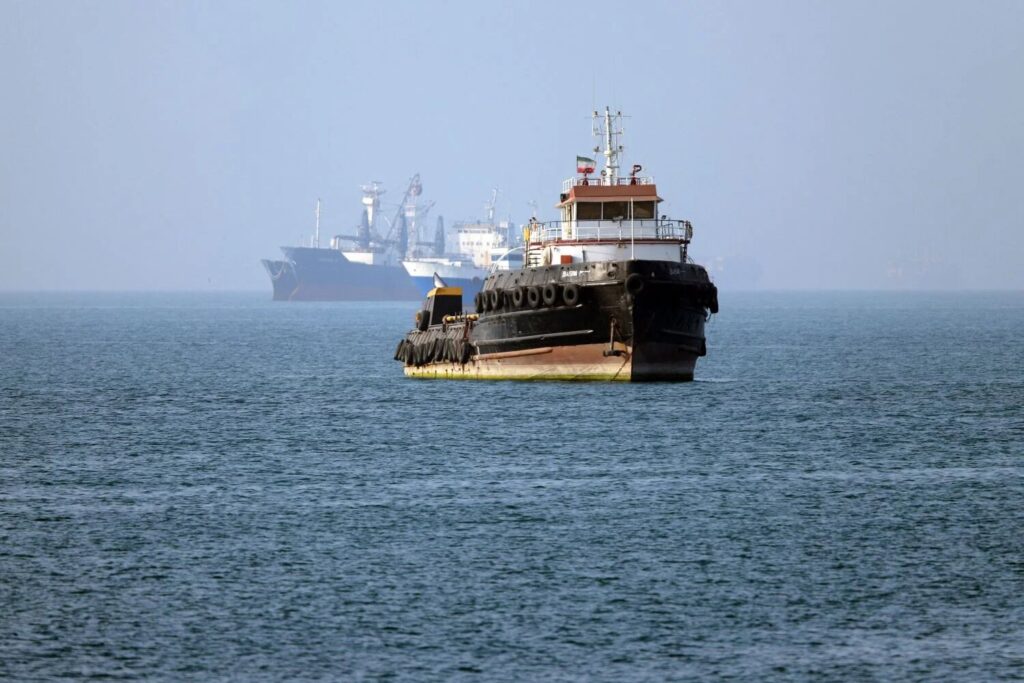
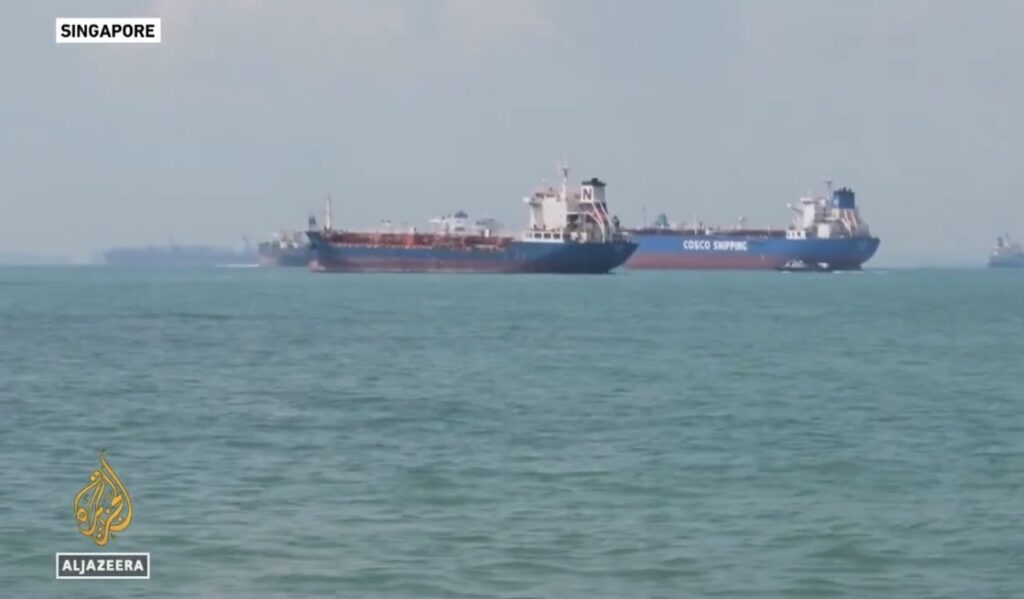
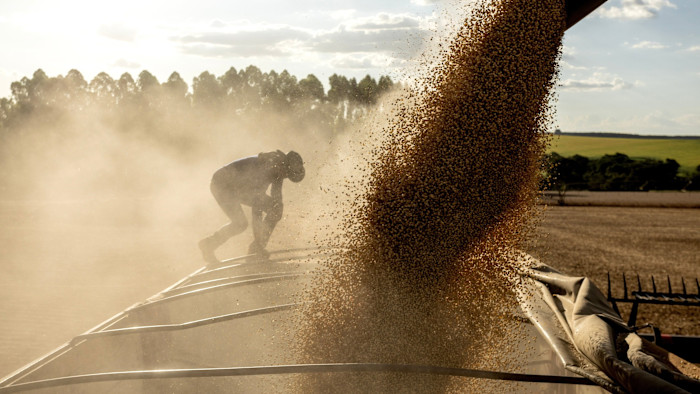
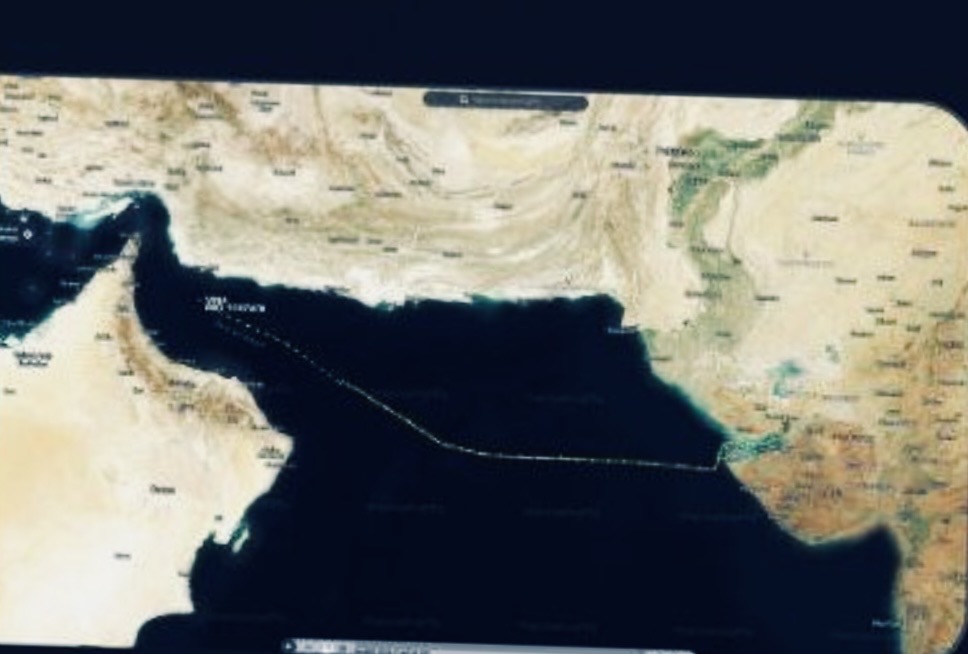
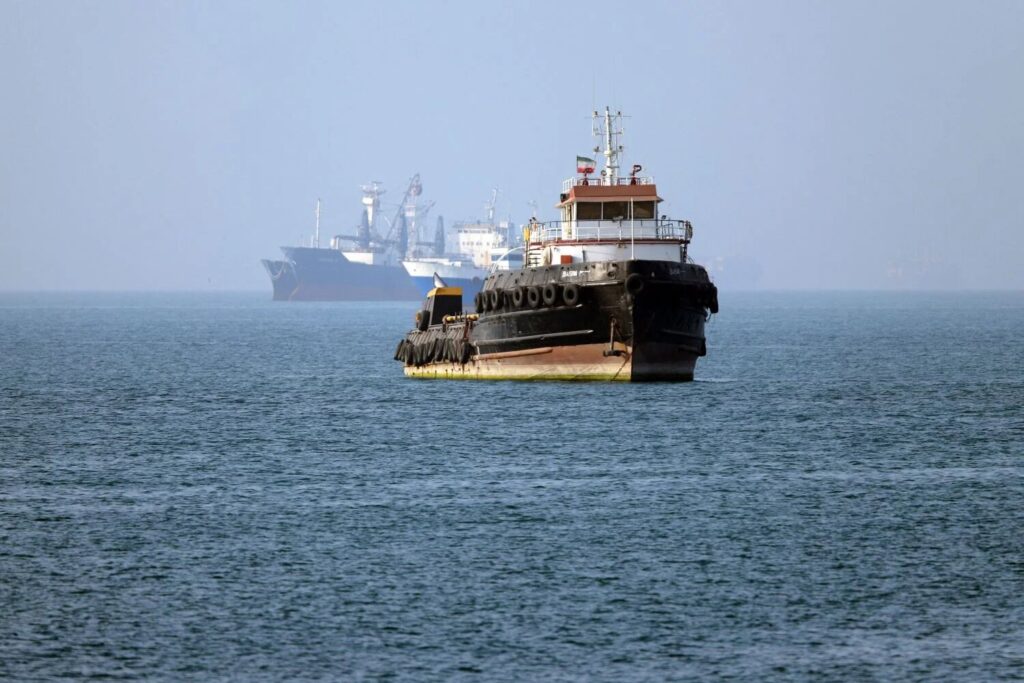
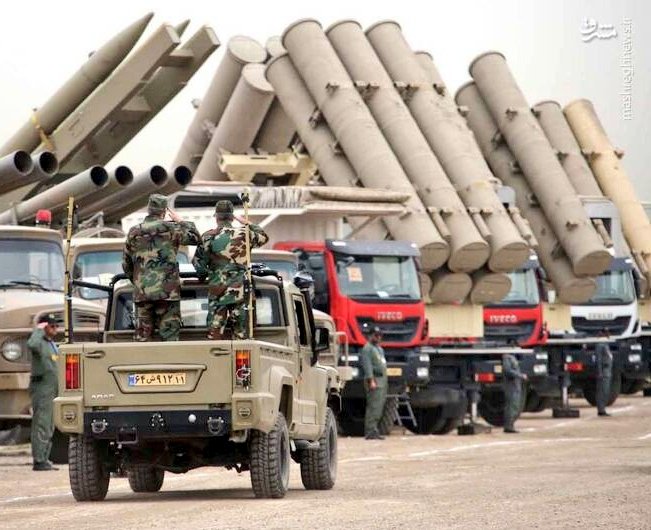
China’s primary lever is energy trade. Despite U.S. sanctions, Beijing has become Iran’s dominant oil buyer, purchasing up to 90% of its exports; often at discounted rates via a “shadow fleet” and opaque financial channels. This lifeline injects tens of billions annually into Iran’s economy, funding its missile programs, drone exports, and support for groups like Hezbollah and the Houthis.
Chinese firms, including “teapot” refineries, facilitate evasion tactics that blunt the effectiveness of American pressure. When the U.S. imposes secondary sanctions on Chinese entities, Beijing responds defiantly; invoking blocking statutes and instructing firms to ignore them; signaling that Washington’s tools are losing potency.
China in support of Iran & other factors:
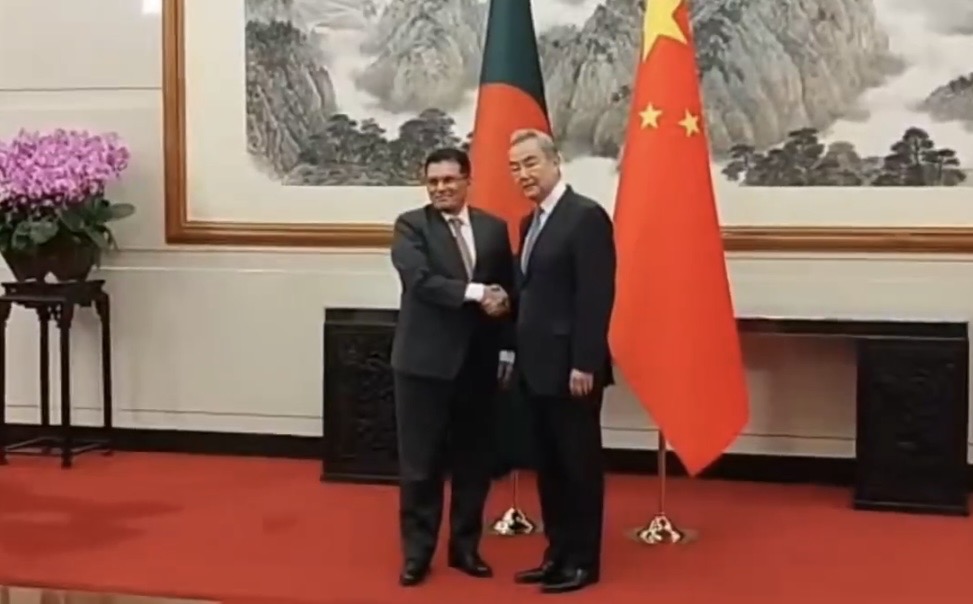
Diplomatically, China positions itself as an alternative power broker. Brokering the 2023 Saudi-Iran rapprochement and mediating in recent crises enhances Tehran’s legitimacy while portraying the U.S. as a declining, erratic actor. Iran’s integration into BRICS and the Shanghai Cooperation Organization further embeds it in a China-led network that dilutes Western isolation efforts.
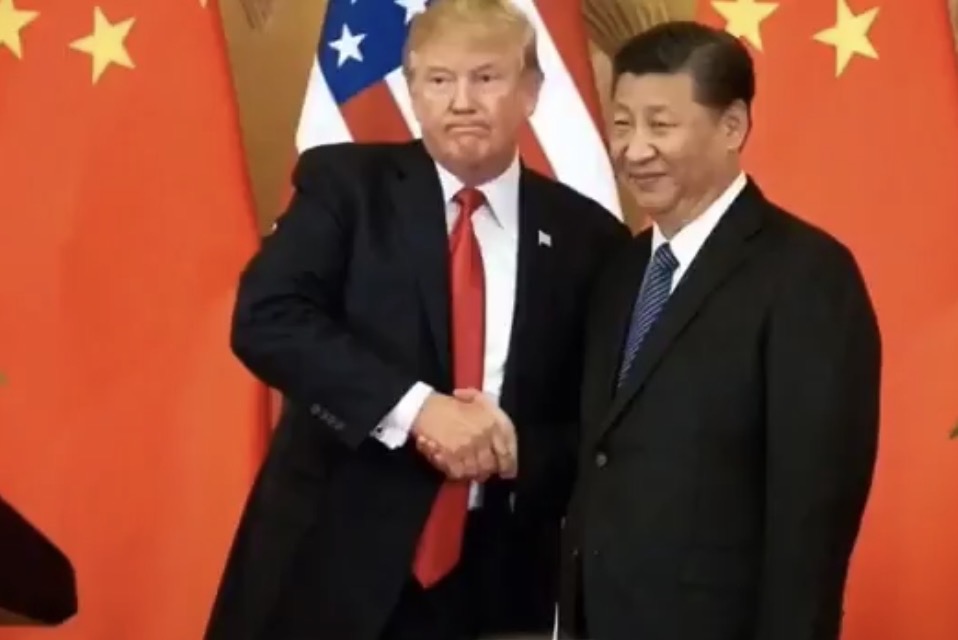
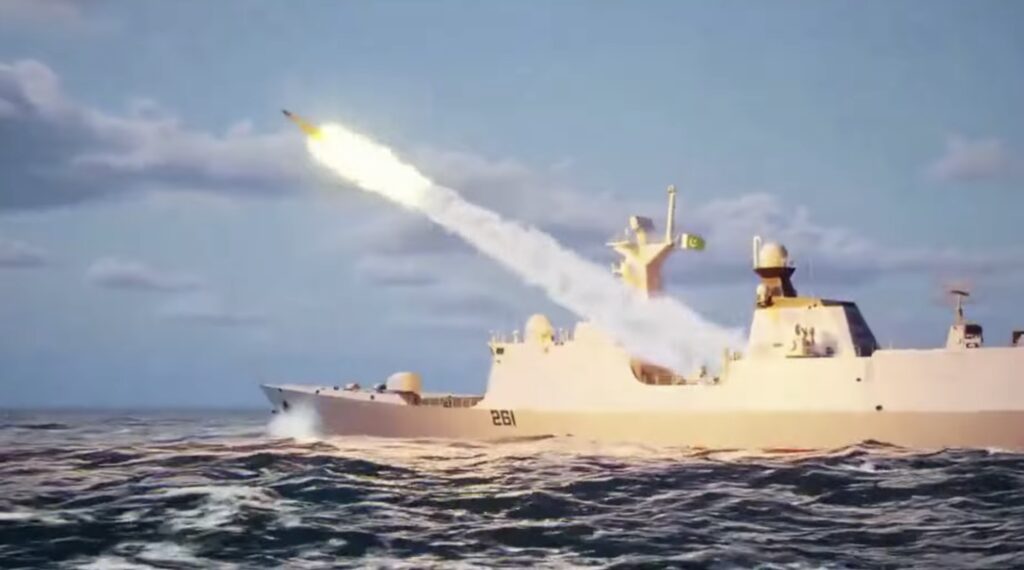
U.S. military distractions amplify this dynamic. Interventions in the Middle East, such as recent operations against Iran divert carriers, munitions, and attention from the Indo-Pacific. This depletion weakens deterrence against China itself, while Iran benefits from a distracted America less able to sustain maximum pressure.
Beijing exploits the narrative of American overstretch to woo allies and accelerate de-dollarization in energy markets, using yuan payments for Iranian oil.
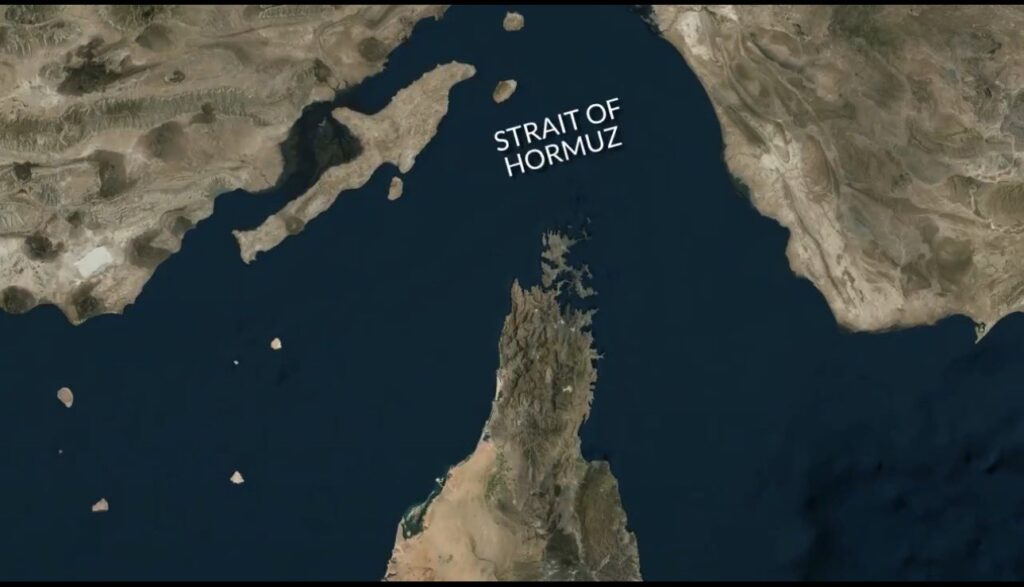
Critics note risks for China: prolonged instability can spike energy prices and disrupt Belt and Road routes. Yet Beijing’s transactional approach offering limited military tech transfers and dual-use goods while avoiding direct entanglement yields asymmetric gains.
A weakened, overstretched United States struggles to enforce sanctions or maintain alliances, allowing Iran maneuverability.
Ultimately, China does not need a nuclear-armed Iran as a formal ally; it thrives on a defiant Tehran that ties down U.S. resources.
As America appears weaker through resource strain, alliance doubts, and narrative losses, Iran gains relative strength. This dynamic underscores a core reality of 21st-century geopolitics: great-power rivalry is interconnected, and Beijing’s patient erosion of U.S. hegemony inadvertently (and often deliberately) fortifies its revisionist partners.
Note: This article is written by Khalid M. Raza and published on Tumido News to help readers understand politics and raise awareness. However, we do not claim this article as an intent to differentiate one country from the other. It’s a lot of opinionated, avoidable content, if for any reason, to avoid hurting anyone’s sentiments, as the Editor in Chief does not like offensive tones being carried over into hatred. Justice is to take this article as a write-up. We value your thoughts, so if you have any questions, please leave a comment. All content on Tumido News is for the information and knowledge of our esteemed readers. Feel free to ask.