



































































































Students Panic and Parents Hesitate to Send Them Abroad for Studies
-
Khalid M Raza
- May 9, 2026
- 0
- 5 min read


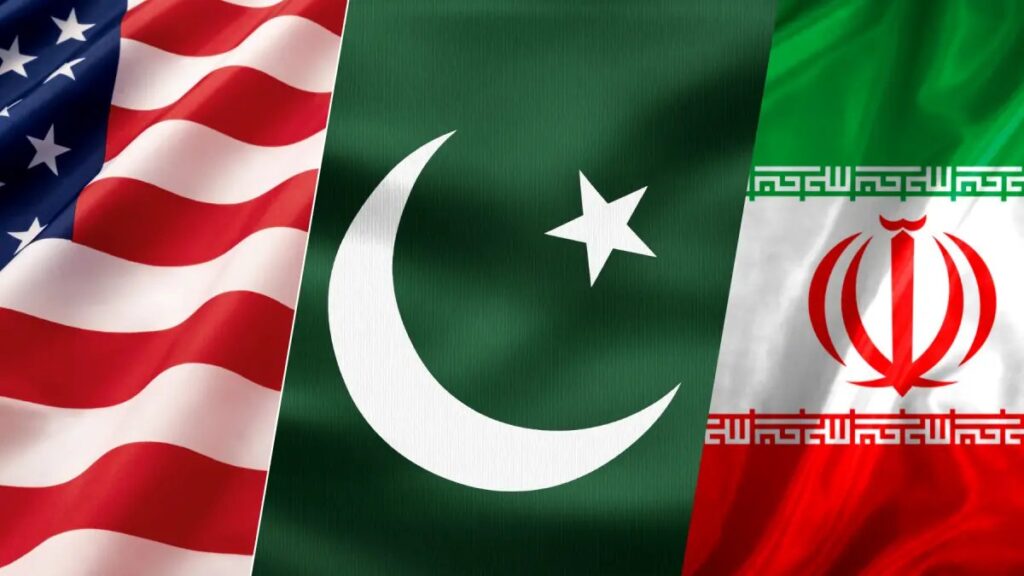
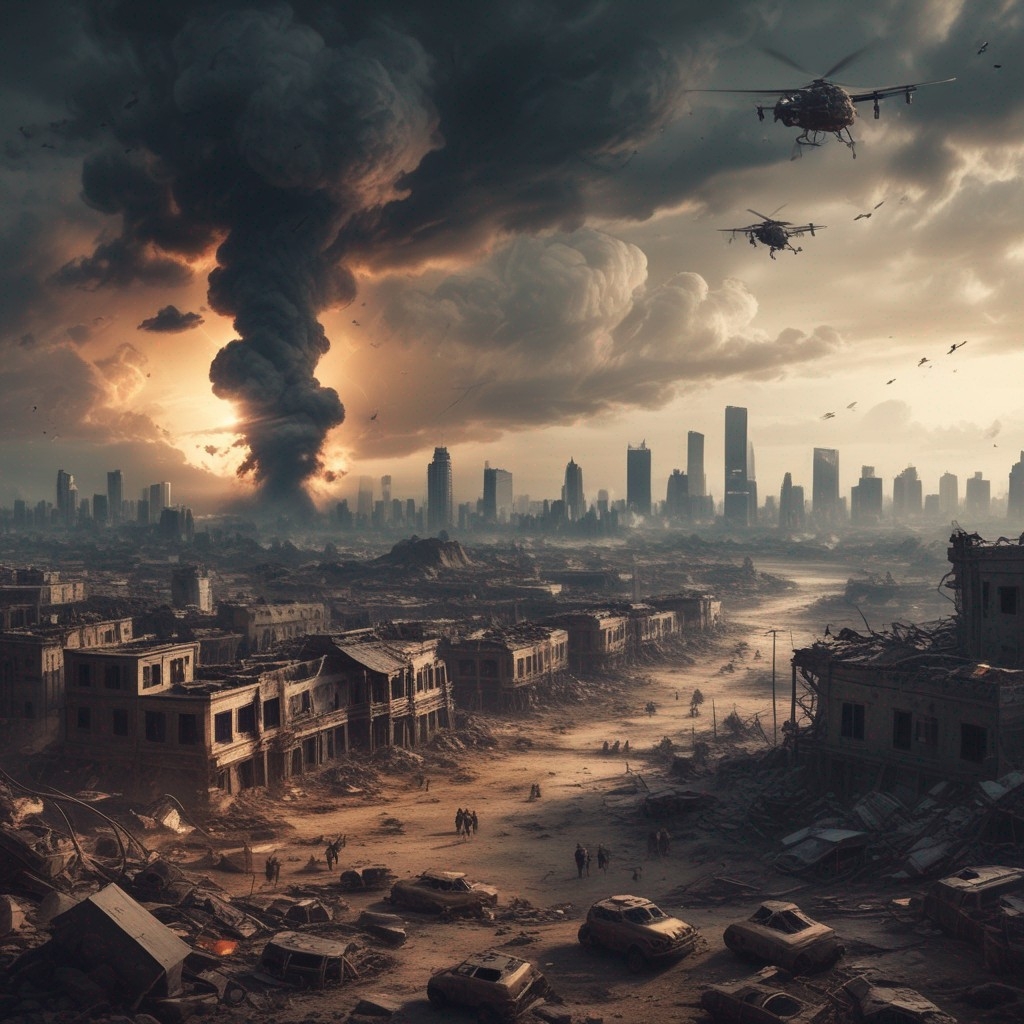
In many countries today, students who planned to study abroad are feeling scared. Their parents are also worried. Wars in different parts of the world and the fear of rising oil prices or oil shortages have created big problems. Families are now thinking twice before sending their young sons and daughters to foreign universities.
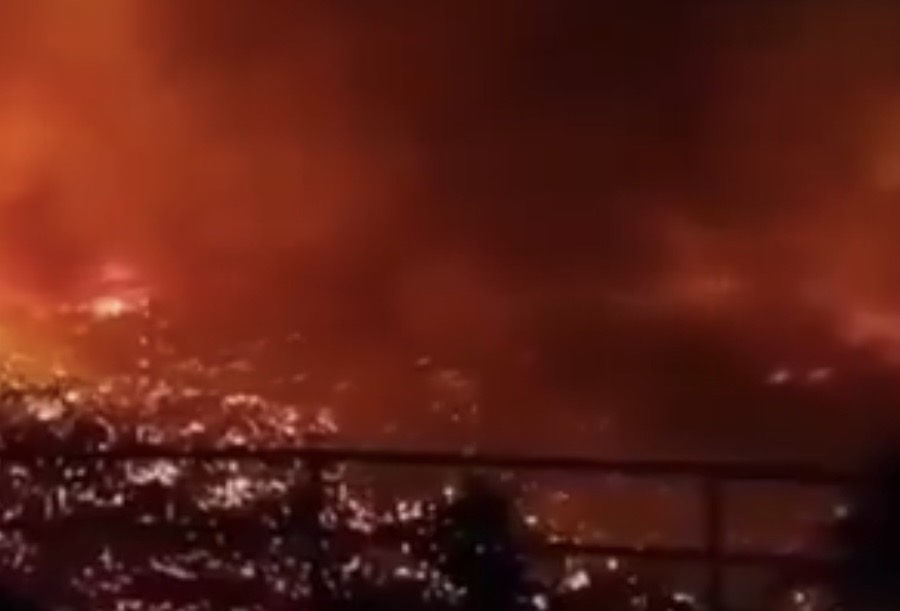
What was once an exciting dream has turned into a source of stress and confusion. The main reason for this panic is safety. Wars make people feel unsafe everywhere. For example, conflicts in Europe and the Middle East have made air travel risky in some areas. Parents fear that their children could get stuck in a foreign country if fighting gets worse or if borders close suddenly.
Students who faced problems like cancelled flights
Many students have already faced problems like cancelled flights or sudden changes in visa rules. They worry about being far from home when trouble starts. One student from India said, “I was supposed to fly to Europe next month, but now I keep checking news every hour. What if a war spreads and I cannot come back?”
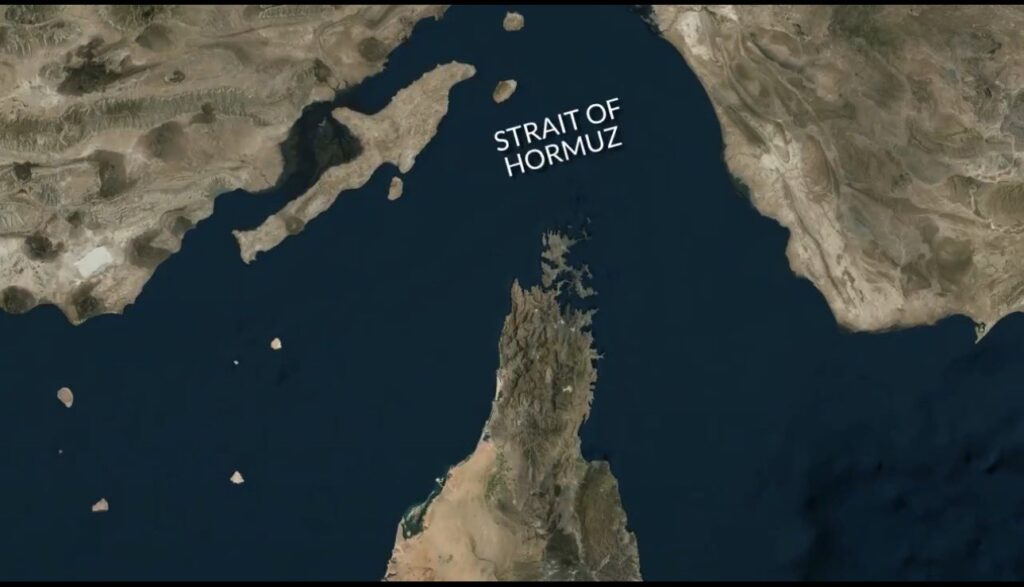
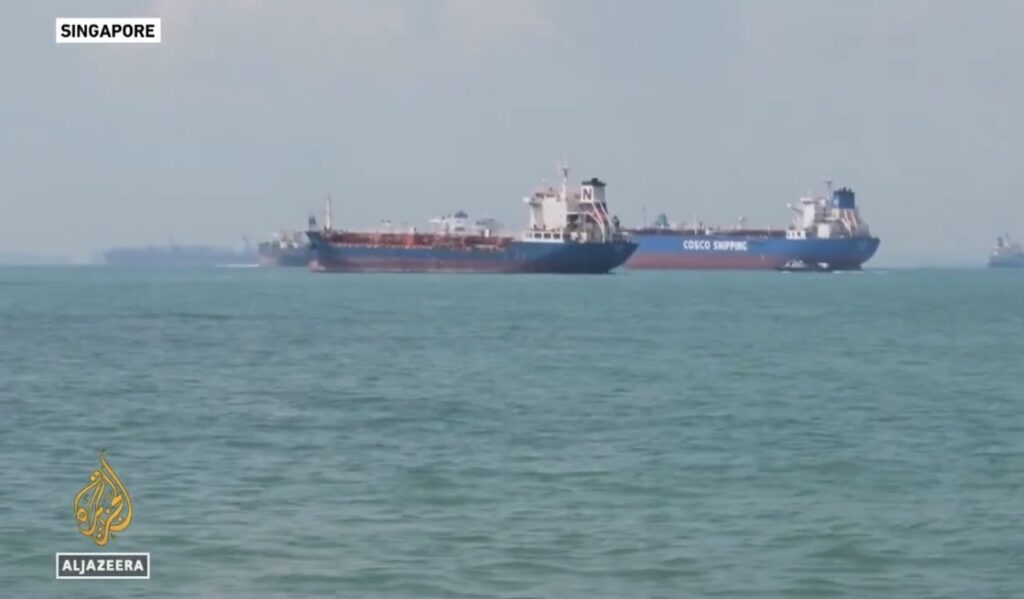
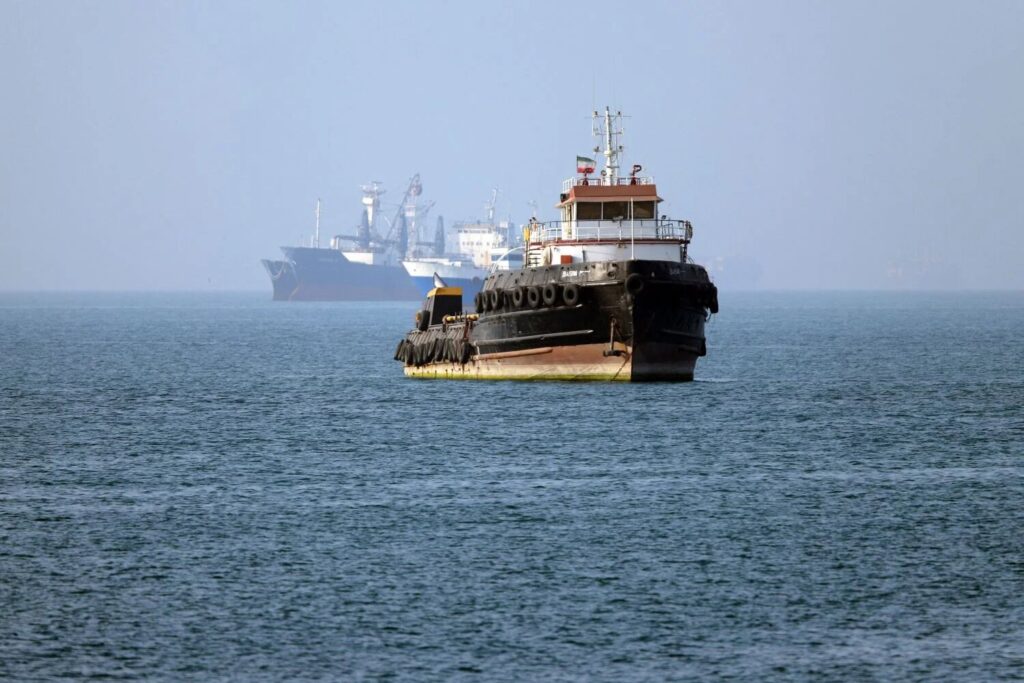
Oil prices are another big worry. Oil is the main fuel for airplanes, ships, and trucks. When there is war in oil-producing areas, prices go up fast. Experts say that if oil shortages happen, ticket prices for international flights could double or even triple. Many families already spend a lot of money on tuition fees, hostel rent, and food.
Adding very high travel costs makes it almost impossible for middle-class parents. A round-trip ticket that once cost $800 might soon cost $2,000 or more. Parents ask, “How can we pay for emergencies or visits to home if oil prices keep rising?”
Students are panicking
Students are panicking because their future plans are falling apart. Many have studied hard for years to get admission in good universities in the USA, UK, Canada, Australia, or Germany. They prepared for exams like IELTS or TOEFL, collected documents, and dreamed of better careers.
Now everything feels uncertain. Some students have already paid deposits for courses and hostels. If they cancel, they lose money. If they go, they fear higher living costs. Food, electricity, and transport all become expensive when oil prices rise. Students who depend on part-time jobs worry that those jobs may pay less or become harder to find during an energy crisis.
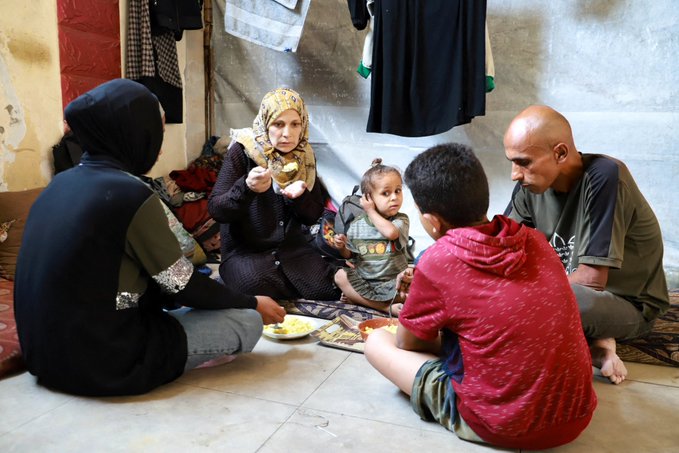
Parents feel even more responsible. They think about the worst situations. “What if my child needs medical help during a war or fuel shortage?” one mother said. Many parents remember past events when students had to return home suddenly because of COVID-19 or other crises. They do not want to take the same risk again.
High oil prices affect daily life in many ways
In countries like India, China, Nigeria, and Pakistan, where large numbers of students go abroad, parents are talking in family groups and on social media. Some are telling their children to choose local universities or online courses instead. They say it is safer and cheaper to stay in their own country for now.
This situation is hurting everyone. Universities abroad depend on international students for money and diversity. If fewer students come, some courses may close and teachers may lose jobs. The students who stay home may not get the same quality of education or global exposure. Companies that need skilled workers from abroad will also suffer. The whole world becomes smaller when young people cannot travel for studies.
There are other problems too. High oil prices affect daily life in many ways. Groceries become costly because trucks need fuel to bring food to shops. Heating and cooling costs rise in cold or hot countries. Students living in hostels or small apartments will feel the pinch.
Parents fear their children will struggle with money and health. Some families are selling gold or taking loans to send their children, but now they are stopping those plans.
Families hope that peace will return soon
Governments and universities are trying to help. Some countries have started giving more scholarships or allowing online classes for the first semester. Airlines are trying to manage costs, but they cannot control oil prices. Students are advised to buy travel insurance and keep extra savings.
Education counsellors tell families to have backup plans, such as studying in nearby countries that are safer and need less travel.
Yet, fear is stronger than advice right now. Many students lie awake at night thinking about their future. They feel their dreams are on hold. Parents want to protect their children, so they choose safety over opportunity for the time being. This is understandable. No parent wants to risk their child’s life for a degree.
The situation may improve if wars end and oil supply becomes stable again. Until then, students and parents must make careful choices. Some students are choosing short courses or exchange programs instead of full degrees abroad. Others are looking at countries that are far from conflict zones and have their own oil resources.
In the end, education is important, but safety and peace matter more. This period of panic shows how connected the world is. A war in one place or an oil problem in another can change the dreams of students thousands of miles away. Families hope that peace will return soon so that young people can once again fly to new countries with hope instead of fear.