



















































































India Hides Much More Of War Impacts On Its Citizens
-
Khalid M Raza
- May 17, 2026
- 0
- 9 min read


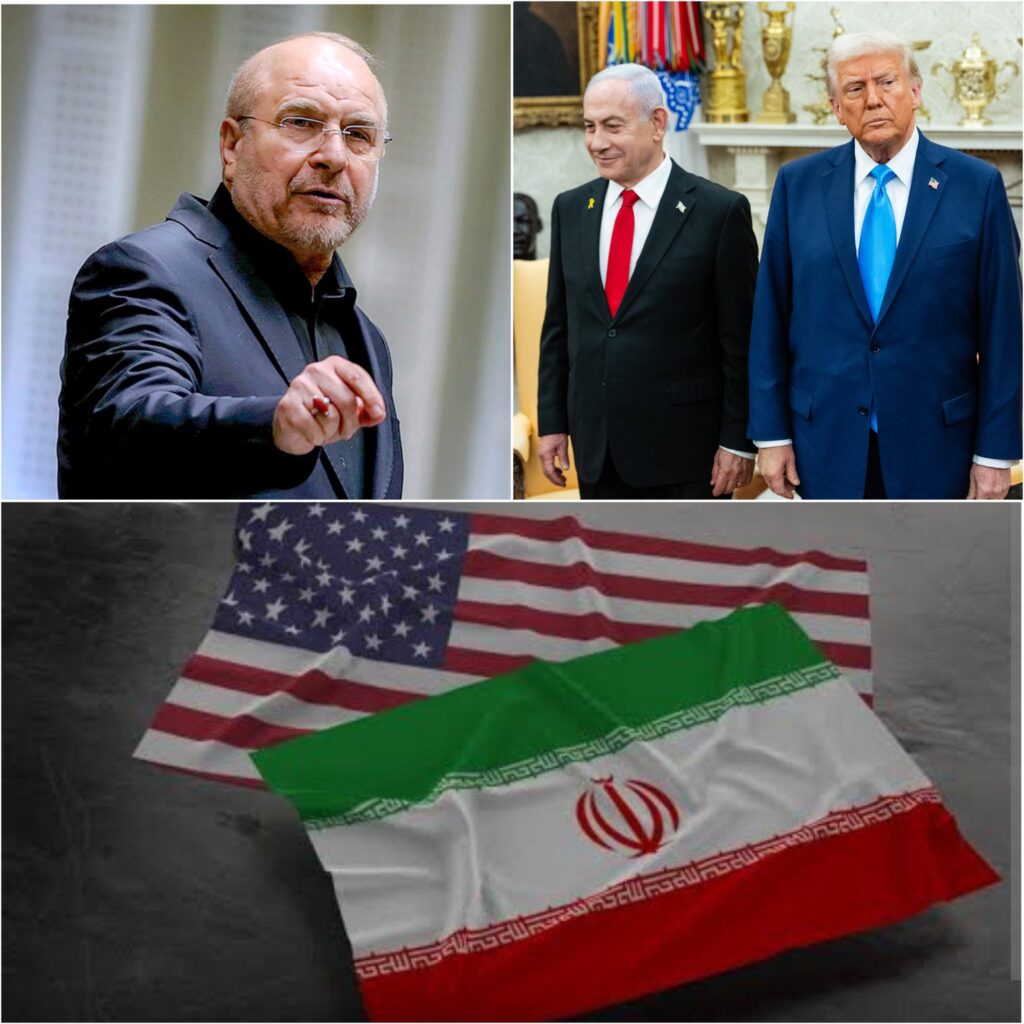
In recent years, India has faced border tensions and conflicts, especially with Pakistan and China. Many people wonder why the government does not share full details about the effects of these wars or military operations on soldiers, civilians, and the economy. It is not a good option for any country during hard times of war impacts. So, how the governments should work in conflicts? India is not alone in this. Many nations do the same for political gain. However, India hides much more from its citizens.
Many political analysts would consider that national security is vital. They say wars involve huge disasters. But if the governments share facts, people would be well-prepared and the information would be useful for their secure future. For example, in 2025 during tensions with Pakistan after the Pahalgam incident, the government told media not to give factual coverage This shifted many people to switch to the YouTube channels to know what actually or about at least 20% of truth instead of dead 100% fake factory on television sets.
India hides its losses & damages
Real-time news on TV or social media never would help the government at the time of conflicts, but the lies spoken too many to deal with the people were just to gain politically. Situation in India is that many accounts to hundreds of thousands try their best for some earnings to operate in favor of the government. This makes the political leaders from top to bottom to retain their seats. Corruption in politics are always switched on to get more voters in the favor of the BJP for their win after win in the elections. Election commision has to come and play their fair part.
If the government do not tell the facts to their people or Indian citizens, how would the battles be won. An actual weak position, which India hides by fake and exaggerated reporting, should be known to everyone completely.
In past events like the 2019 Balakot strikes or the 2020 Galwan clash with China, full facts came out bit by bit slowly. The government shares some wins to boost confidence but holds back losses or full damage. However, this is common in almost every army. Even the US and other countries control war news during fights.
India has been mocked several times globally
India has no rules because when their wing commander Abhinandan Varthaman was caught by Pakistan and sent back to India as a peaceful gesture, India did accept the truth. Pakistan’s former Prime Minister Imran sent India a message for cooperation on mutual benefits and have friendly relations. India objected to what was went viral on social media, Abhinandan Varthaman saying, “the tea is fantasic”.
Indian media instead blamed Pakistan that the neighboring country, Pakistan was in fear of India’s attack and so they sent Abhinandan back to India. Although Abhinandan was treated nicely and sent back to India, many fake reports from India popped up. A peaceful gesture by Pakistan turned into a political gain for the current government of India.
The Indian government wants to keep public morale high for its own gain, but citizens in few days as the facts come up would be shocked and this happens every time and again.
Wars bring fear, sadness, and anger. If citizens hear too many fake stories, like no soldier death, enemy is destroyed, their cities captured or severe loss to enemy’s economy, India will certainly be mocked by all four corners of the world.
India hides its weakness
In a big country like India with 1.4 billion people, fake news spread fast than real or factual reports either on WhatsApp or on X (formerly Twitter), and on many other social platforms.
During recent India-Pakistan clashes, India blocked thousands of accounts and websites to stop the weaknesses of the government. India also blocked many Pakistani channels and accounts. Pakistan did not do the same. Sometimes this “fake information war” happens because full truth can make people demand quick peace or protest, which weakens the leadership or the government. But India hides what should be told, watched and listened publicly.
However, soldiers and their families also need support. If the public knows every casualty immediately, it can hurt fighting spirit. Families worry more, and young people may not join the forces. India has lost soldiers in accidents, operations, and clashes. Official numbers are often lower than what some reports say. The government gives awards and honors brave soldiers publicly but shares full casualty lists later.
This will not protect national strength. Critics say India hides failures, but BJP supporters call it necessary for unity. The economic impacts are kept quiet to stop market shocks. Wars affect oil prices, trade, and jobs. India imports a lot of oil. If people fear long war with Pakistan or supply problems from West Asia conflicts, rupee can fall, petrol prices rise, and inflation hits poor families.
Political reasons play a role
In 2025, when global tensions rose, PM Modi said the government is working to minimize fallout on citizens. Opposition accused the government of hiding problems, but the ruling side called it fear-mongering.
Hiding full economic pain prevents hoarding, black marketing, and stock market crashes. For example, if news says “war will stop exports for months,” factories may close and workers lose jobs. The government instead talks about diversification of imports and by using reserves. But this message would not keep daily life normal and people raise many questions in their minds and get confused.
Farmers, traders, and businesses continue work in fear. But the full details come in later reports or budgets, not during the heat of conflict. This surprises or rather shocks everyone in India.
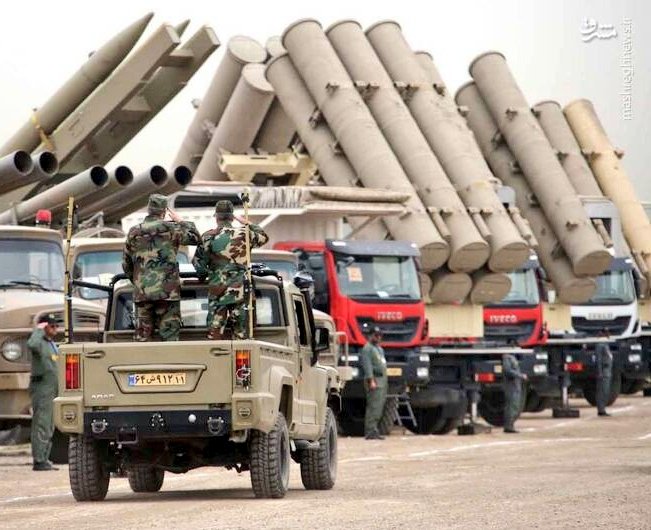
Governments everywhere want to look strong. In India, wars become big news. Ruling parties highlight successes like destroying terror camps in “Operation Sindoor” in 2025. They show videos of strikes and claim big wins against terrorists.
Press freedom faces deep pressure
But full impacts would be on deaths, damage to Indian assets, or intelligence failures, come slowly or stay limited. This helps in elections. People feel proud and vote for leaders who they think that they “protect” the nation. It is not entirely a wrong notion.
Opposition parties often accuse the government of hiding truths. Independent media and fact-checkers try to find real numbers. But during war, press freedom faces pressure. Reporters without borders criticize that India hides war impacts and other issues of hate against one country and one community by blocking accounts and websites.
The Wire website was blocked in some cases. The government says this stops Pakistani propaganda and fake videos. Both countries use social media for their version of truth. This creates “fog of war” where citizens get confused.
Mixing falsehood with truth
India has a long history here. After 1971 war, full official history came out. But for later operations like Kargil 1999 or strikes in 2016 and 2019, details are partial or fake. A 2021 policy says war records should be declassified after 25 years. Yet many histories are not exactly published fully. This is not new to one party. It is a system problem across governments. The military and bureaucrats prefer secrecy to avoid questions on their mistakes.
Critics argue this hiding hurts India long term. Without honest accounts, the army cannot learn from past errors. Intelligence gaps repeat. Public trust falls when leaks show different stories. Young citizens get news from global media or social platforms and question their own government. In Galwan 2020, China hid its casualties too, but India faced more pressure to explain. Some say too much secrecy makes India lose the “narrative war” abroad. Western media often questions Indian claims first.
On the other side, full openness can be dangerous. Secular groups watch national and international news. Enemies use this open information for propaganda. In nuclear-armed rivalry with Pakistan, one wrong report can escalate to a bigger war.
What should change?
Citizens near borders suffer most, shelling kills innocents, villages become empty, schools close. Government in India hides much more by mixing falsehood with truth to raise panic migration or communal fights. India has diverse religions and regions. War news can be twisted to create internal divisions.
More balanced reporting after operations end. Independent probes and faster declassification can build trust. Media should focus on facts, not drama. Citizens need education on why some info stays secret. At the same time, government must avoid over-censorship that silences real questions.
India hides war impact news for safety, calm, economy, and for fake strength. It is not always perfect “hiding” but careful management. Many countries do this. The goal is to win or survive the conflict without breaking the home front. But in democracy like India, people have right to know more over time. Balance is key. Too much secrecy breeds doubt. Too much openness risks lives.
India is rising power
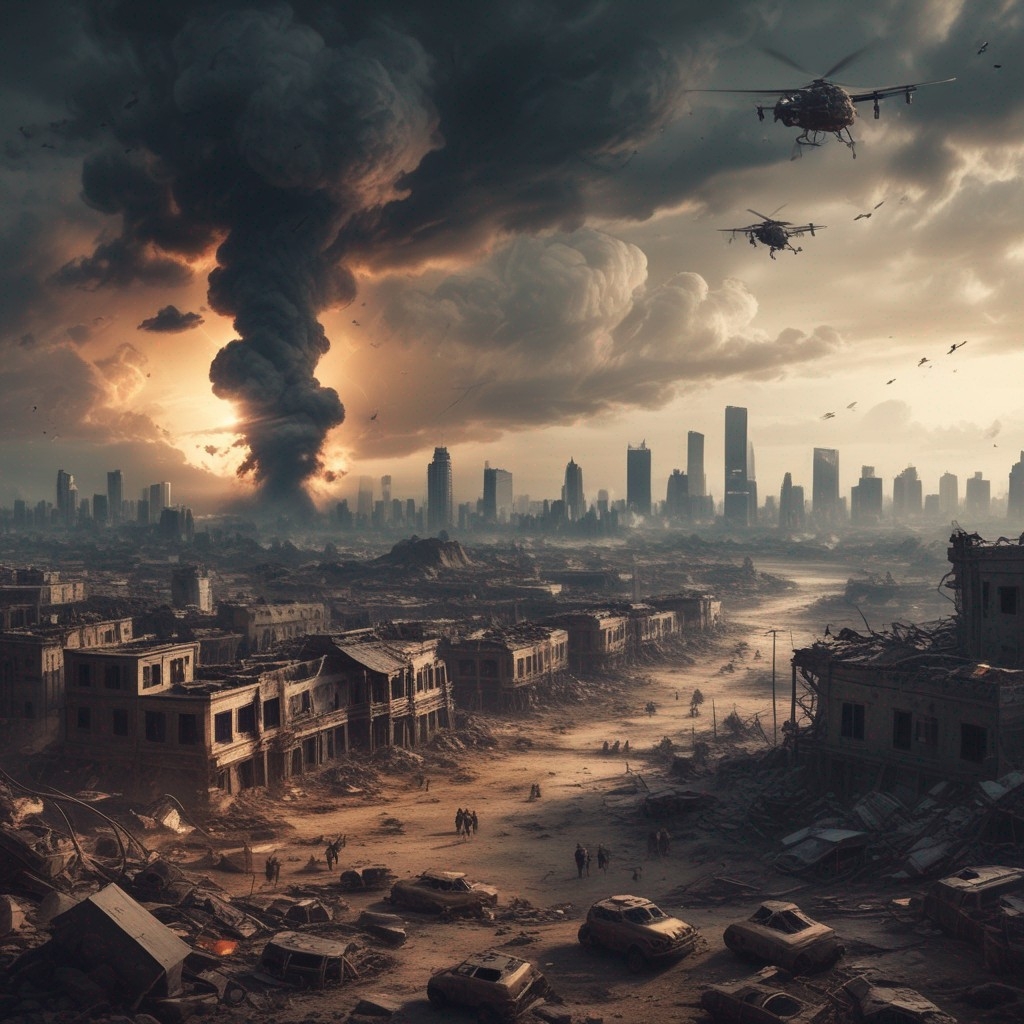
Wars bring real pain, dead soldiers, suffering families, costly repairs, lost opportunities. Citizens feel it in higher prices, like job worries, and fear. By controlling the story, the government tries to shield daily life. Whether this is right or wrong depends on results. If it protects India and brings peace faster, many accept it. If India hides big failures, questions will grow.
India is rising power. Its people are smart and connected. They understand the need for some secrecy but also want truth. Future governments may share more through official histories and transparent probes. Until then, citizens should read multiple sources, support soldiers, and push for accountability after peace returns. War is serious. Hiding parts of its impact is old strategy, but better communication can make India stronger inside and outside.
Note: This article is written by Khalid M. Raza and published on Tumido News to help readers understand politics and raise awareness. However, we do not claim this article as an intent to differentiate one country from the other. It’s a lot of opinionated and avoidable content, if for any reason, to avoid hurting anyone’s sentiments, as the Editor in Chief does not like offensive tones being carried forward into hatred. Justice is to take this article as a write-up. We value your thoughts, so if you have any questions, please leave a comment. All content on Tumido News is for the information and knowledge of our esteemed readers. Feel free to ask.