































































Iranian officials setup military training for civilians in Tehran
-
Khalid M Raza
- May 21, 2026
- 0
- 7 min read

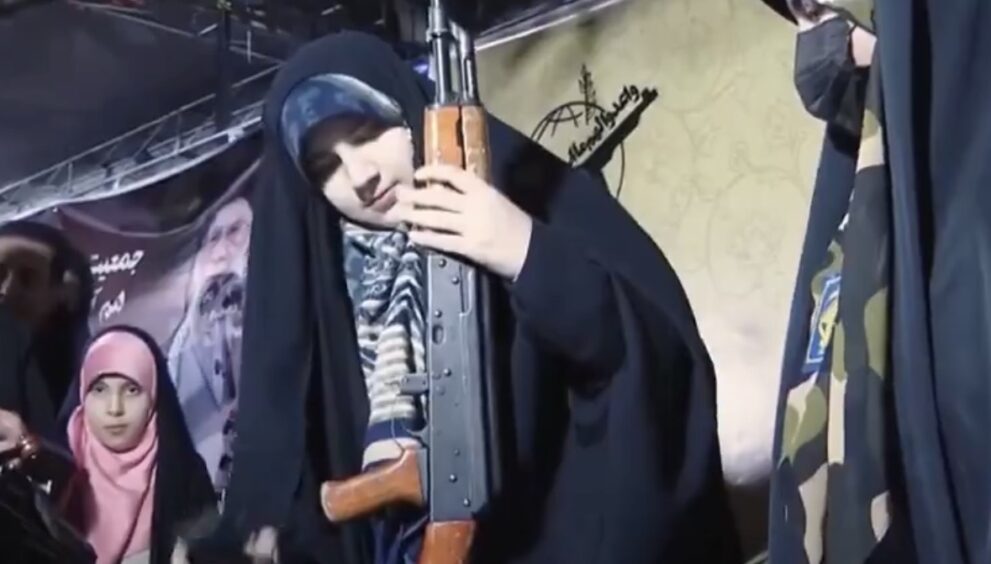
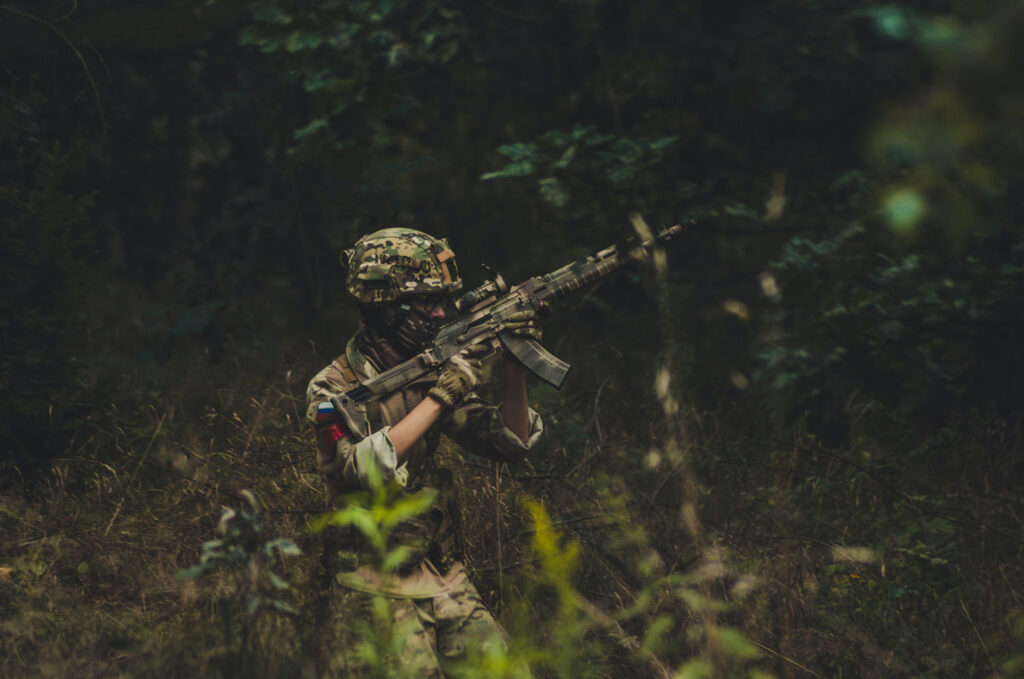
Iranian officials have begun setting up military training for civilians in Tehran. Military instructors have been demonstrating how to use firearms. In mid-May 2026, Iranian officials and authorities started public weapons training programs in the capital city of Tehran. The Islamic Revolutionary Guard Corps (IRGC) setup training booths in public places like Haft-e Tir Square. Military instructors, often from the IRGC or the Basij volunteer force, show ordinary people how to handle, assemble, and disassemble firearms, mainly AK-47 assault rifles.
These sessions are short, usually lasting about 30 minutes. Instructors use real rifles and illustrated boards to explain different types of ammunition, how to put the gun together, and how to take it apart. They also teach basic safety rules. People stand around and watch, then some try the steps themselves under guidance. Videos and photos from these events show people taking part according to safety guidelines.
The Iranian fficials say the training is completely voluntary. IRGC soldier Nasser Sadeghi, who has led sessions in Haft-e Tir Square, told reporters that the response from the public has been “extraordinary,” with all healthy Iranian citizens joining in large numbers. At the end of the basic course, participants can get a card called “Janfada.” This card shows they have received preliminary training and can use the gun if the country needs them in an emergency.
Why is this happening now?
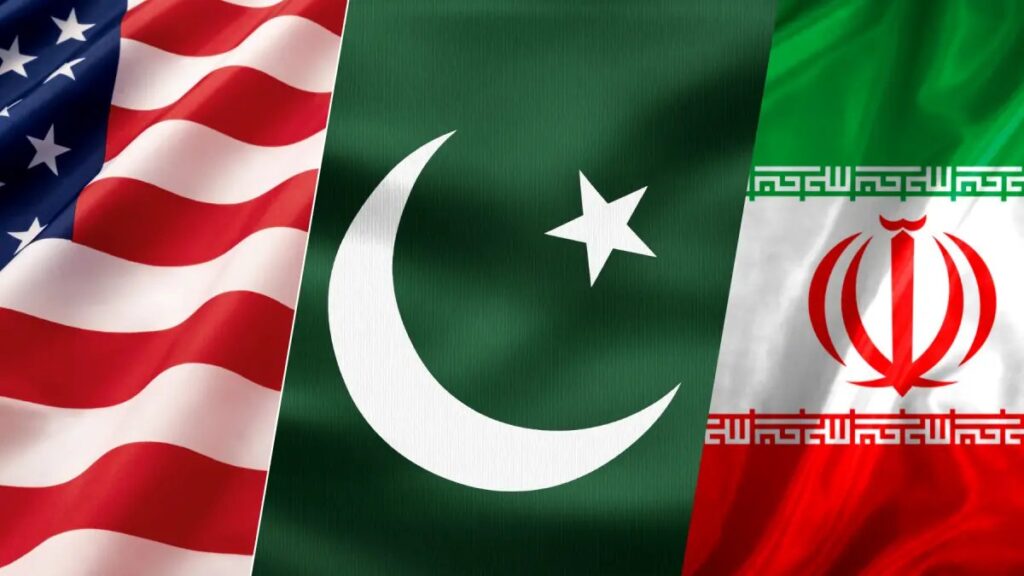
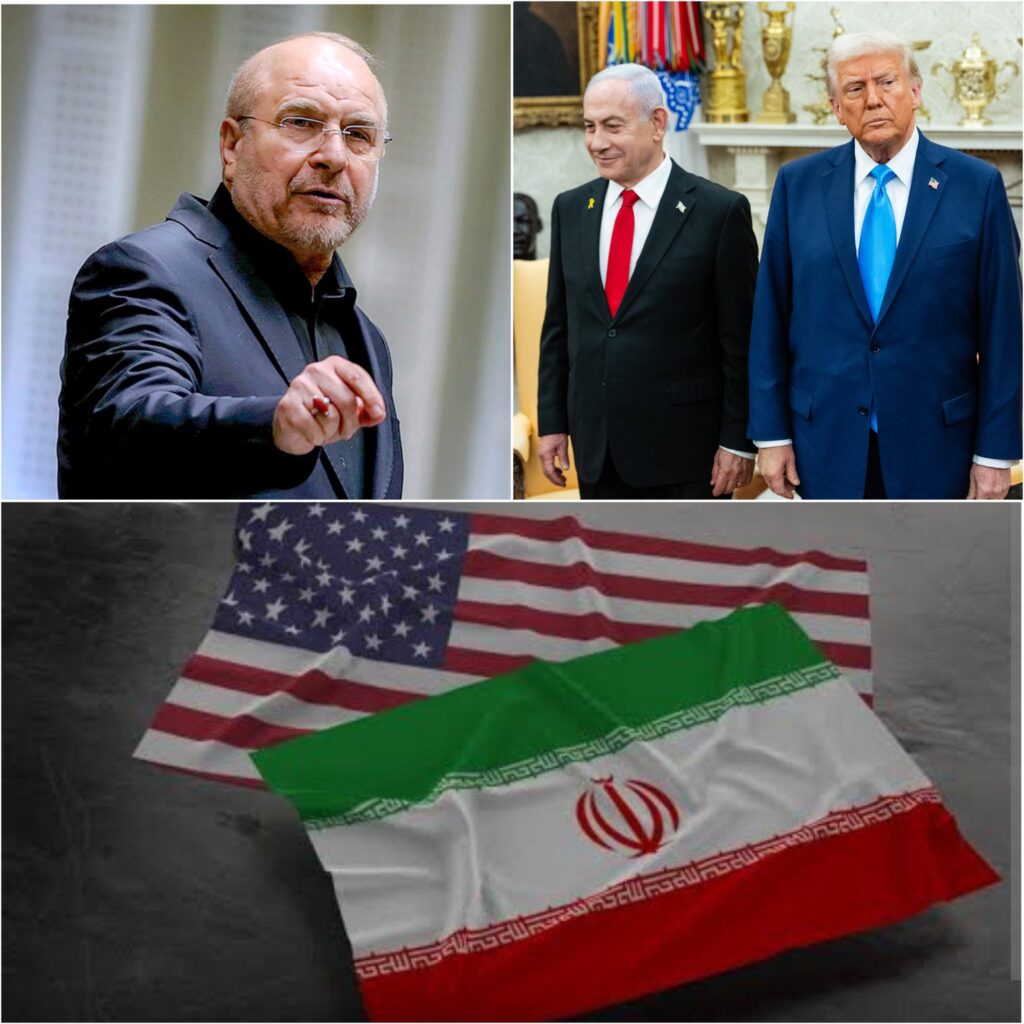
This civilian training comes after a period of serious conflict earlier in 2026. Reports say fighting between Iran, the United States, and Israel lasted about 40 days. During that time, Iran’s Supreme Leader Ali Khamenei was killed in strikes. A ceasefire started around April 8, 2026, but it is fragile. Talks have slowed, and there are fears that fighting could start again.
Iranian officials want to prepare the whole society for possible new attacks. They call it a program of “public readiness to defend the country.” State television has shown these training sessions in mosques and public squares in several cities, not just Tehran.
The wider campaign is sometimes called “Sacrifice Life for Iran.” Officials say they have received millions of volunteer sign-ups.
The Basij, a large volunteer group linked to the IRGC, plays a big role. The Basij was created after the 1979 Islamic Revolution to support the regular armed forces with civilian volunteers. It has a long history of training ordinary people, especially during the Iran-Iraq war in the 1980s. Today, Basij trainers help run these new public sessions.
What exactly do civilians learn?
The training focuses on light weapons, especially the Kalashnikov (AK-47) family of rifles. These are simple, reliable guns used by many armies around the world.
Instructors show:
How to load and unload the rifle.
How to assemble and disassemble the main parts.
Different kinds of bullets and magazines.
Basic handling and safety steps.
Some sessions include people learning to field-strip the rifle. Videos show housewives, government workers, students, and families watching demonstrations in city squares. In some places, state TV has aired live or recorded training with simulated targets. Advanced training on heavier weapons may come later, according to some organizers. For now, the goal is basic skills so that ordinary citizens could help defend their neighborhoods if needed.
Public reaction and daily life in Tehran
Many Iranians have joined willingly. A 39-year-old mother named Mahnaz said learning to use weapons felt necessary because of the current situation. People talk about defending the homeland and “avenging the blood of the leader.” Some see it as a sign of national unity and strength.
At the same time, the scenes have caused debate. Critics inside and outside Iran worry that involving different age groups of people from small to big in military training is dangerous. Reports mention people as young as 12 taking part in some defense activities. The right groups have raised concerns about militarization of society and possible use of young soldiers in past conflicts.
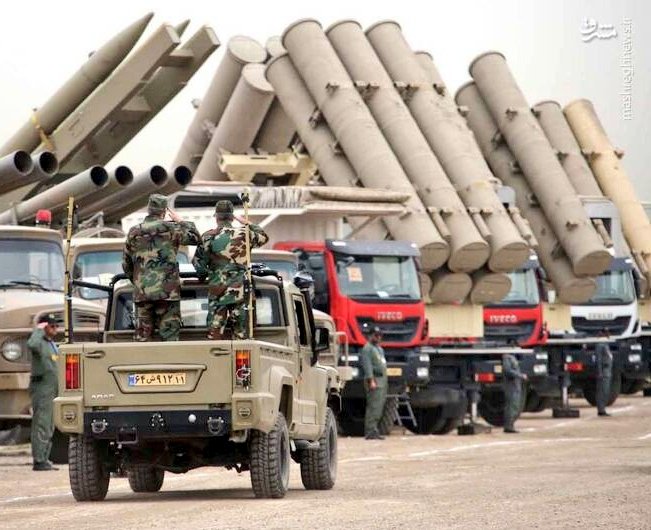
Tehran streets also show other signs of military display. Parades feature vehicles with machine guns. Public events sometimes include ballistic missiles on display. These images send a strong message of readiness both to Iran’s own people and to possible enemies from abroad.
Background on Iran’s defense system
Iran has a large military. The regular army (Artesh) handles traditional defense. The IRGC, created after the revolution, is a powerful parallel force that protects the Islamic system and handles many missile and regional operations. The Basij provides a huge pool of volunteers; millions strong on paper who can be called up quickly.
Training civilians is not entirely new. During the Iran-Iraq war (1980-1988), the Basij sent hundreds of thousands of volunteers to the front, including many young people. In peacetime, the Basij runs youth camps, ideological education, and basic defense classes. What is different now is the very public, open-air nature of the sessions in central Tehran and the direct focus on handing out “Janfada” cards for quick mobilization.
Iranian officials often speak about “resistance” and self-reliance. They point to economic sanctions and past conflicts as reasons to prepare every citizen, young or old. Supporters say a trained population makes the country harder to attack or to occupy.
Regional & international context
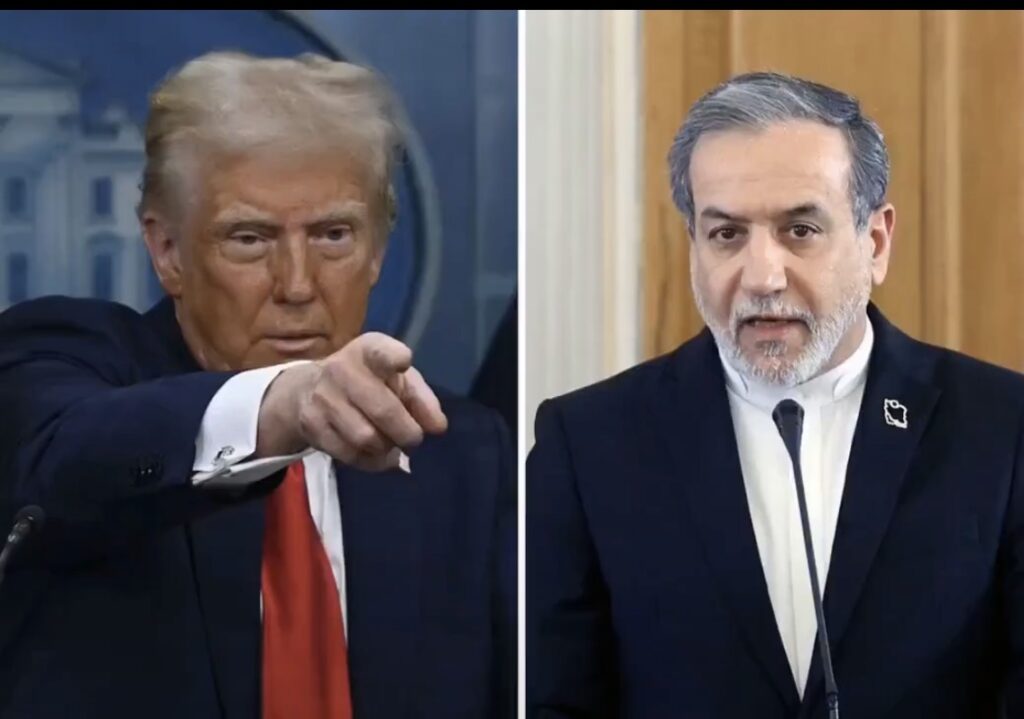
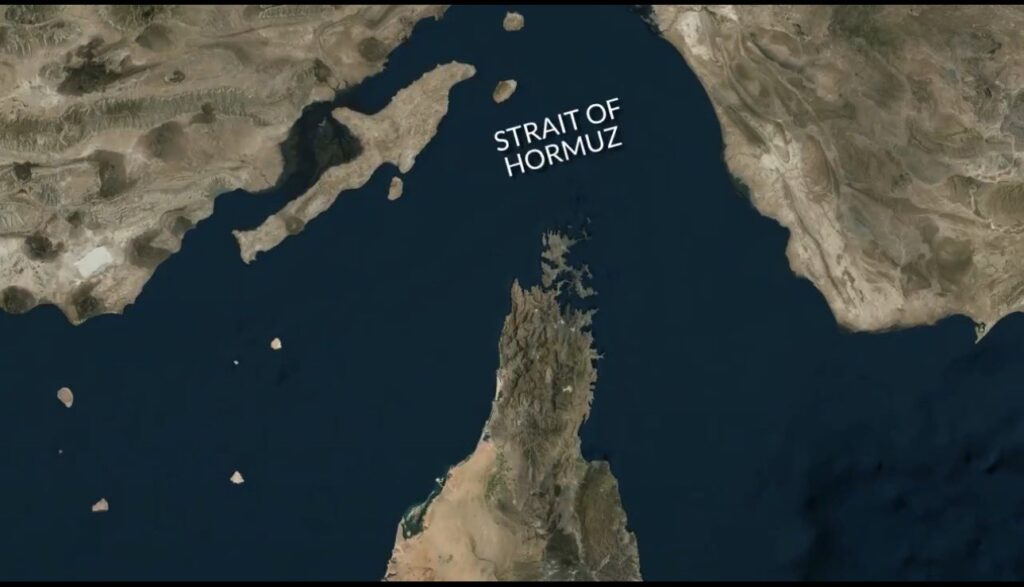
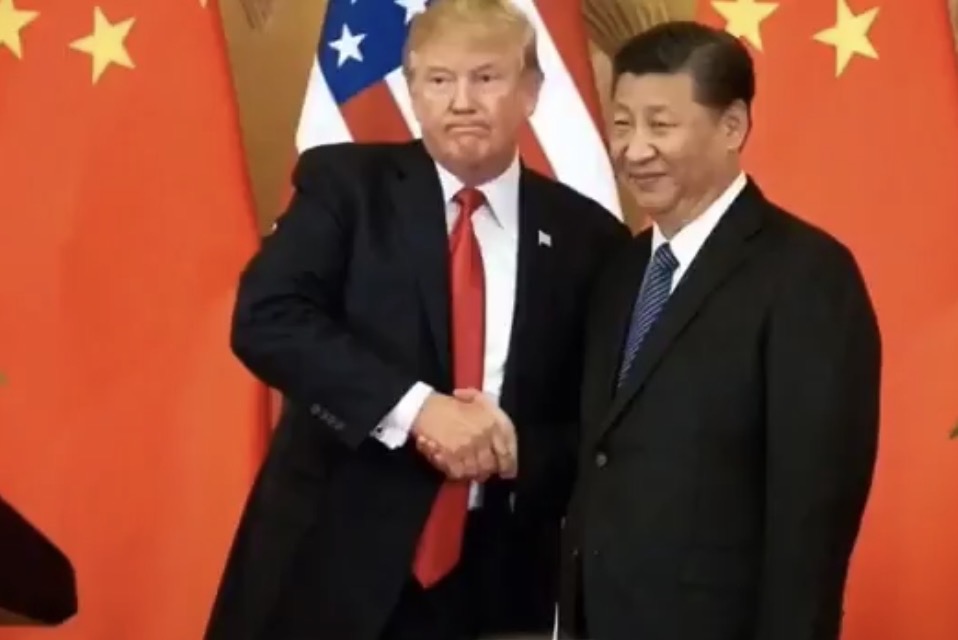
The Middle East remains tense. Iran has allies and proxy groups in places like Lebanon, Yemen, Iraq, and Syria. Conflicts in the region have affected shipping, oil prices, and global security. The recent war with Israel and the US damaged some Iranian sites and killed senior figures. Even after the ceasefire, threats continue. The U.S. President Donald Trump has made strong statements, adding to uncertainty.
By training civilians openly, Iran shows it is ready for a long fight if necessary. It also sends a strong message that any attack would face not just the professional army but the whole population. Some analysts call this “total and brave defense” or people’s war strategy.
Daily scenes in Tehran & training by Iranian officials
Imagine a normal afternoon in Haft-e Tir Square. A crowd gathers around a uniformed IRGC instructor. He holds up a rifle, explains each part, and lets people practice under supervision. Females in hijabs listen carefully. Young and old men take notes. Some watch from the sides. Nearby booths offer similar lessons. State media films it all and broadcasts it nationwide to encourage more participation.
Similar scenes happen in other cities. Mosques sometimes host indoor sessions for safety and peace. The program is expanding, with Iranian officials promising more locations and possibly more advanced skills soon.
Challenges and criticisms
Not everyone supports the program. Some Iranians are tired after years of economic problems and recent war. They worry that more militarization could lead to greater hardship. Few others fear it raises the risk of accidental shootings or misuse of weapons in cities. International observers question whether involving young-blood violates international norms. Iran denies wrongdoing and says all participation is safe, voluntary and defensive.
What might happen next?
If the ceasefire holds, these training sessions could become regular civic education. If tensions rise again, they could turn into rapid mobilization of armed volunteers. Iranian officials have said the goal is deterrence to make any attacker think twice before striking.
For now, the booths in Tehran continue. Instructors keep demonstrating firearms. Civilians keep learning. The images of ordinary Iranians holding AK-47 rifles in public squares have become a symbol of the current uncertain times in the country.
This development reflects deep worries about national security after recent shocks. It also shows the government’s belief that involving ordinary people in defense strengthens the nation. Whether it leads to greater safety or higher risks remains to be seen. The coming weeks and months will tell if the fragile peace lasts or if these newly trained civilians will be called upon for real.