



















































































































Putin and Xi Sign Historic Partnership in Beijing
-
Khalid M Raza
- May 20, 2026
- 0
- 7 min read


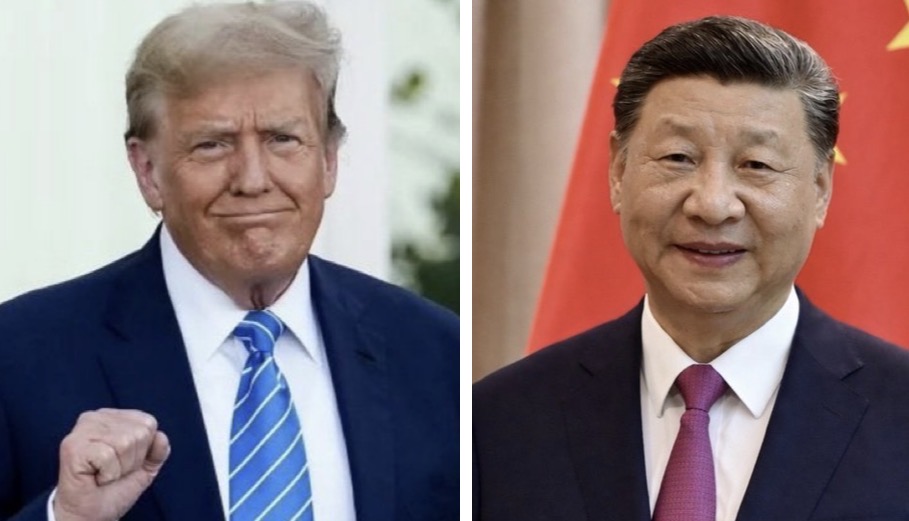
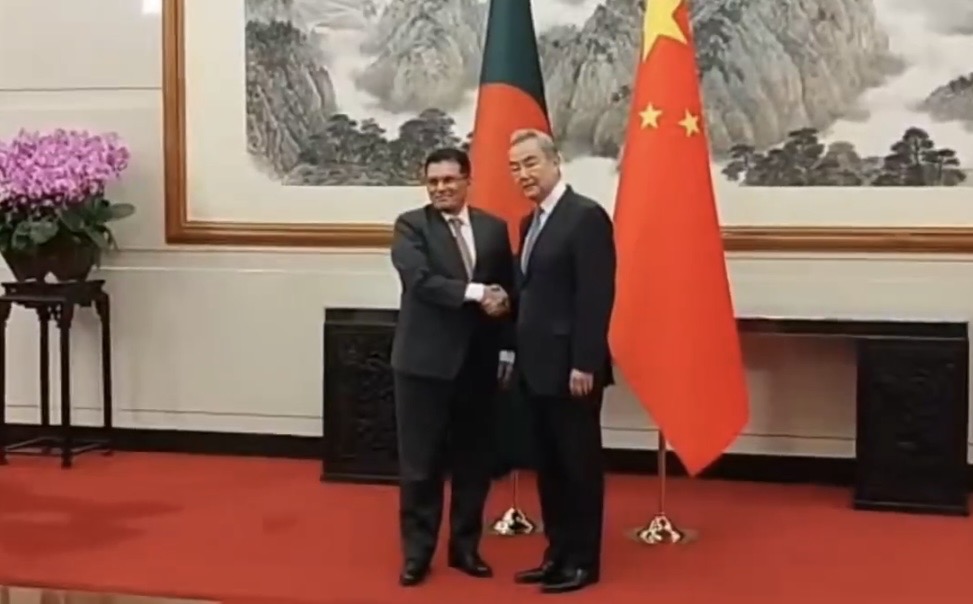
Putin and Xi sign historic partnership declaration in Beijing. The Russian President Vladimir Putin visited Beijing on May 19-20, 2026, at the invitation of Chinese President Xi Jinping. During this official visit, the two leaders held talks at the Great Hall of the People and signed a joint statement. This document deepens the comprehensive strategic partnership between Russia and China. It commits both countries to stronger cooperation in security, trade, energy, diplomacy, and other areas.
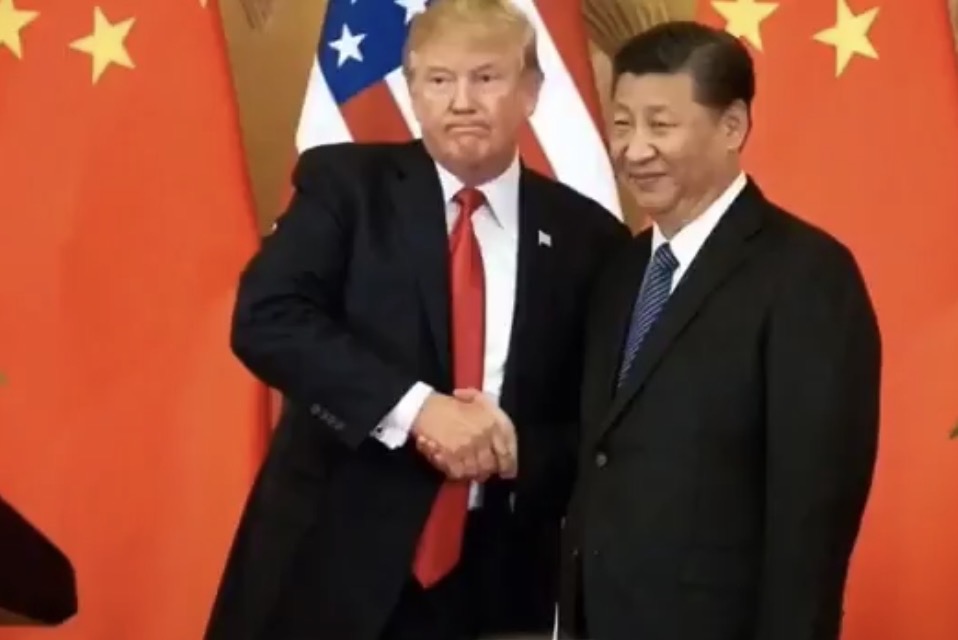
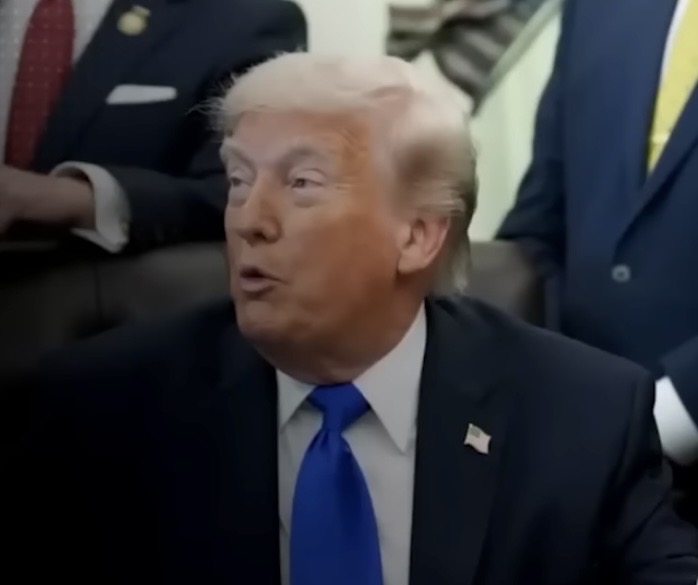
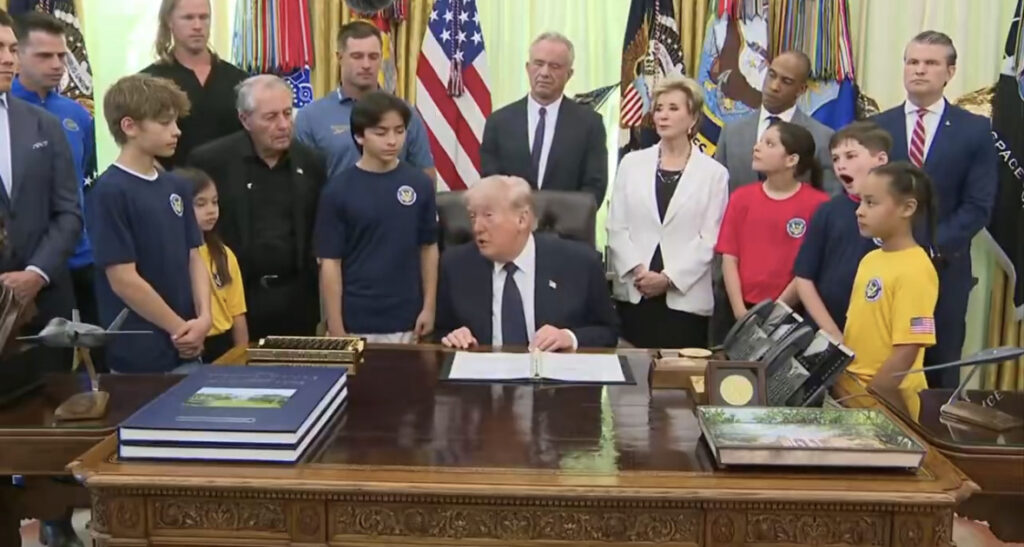
The meeting took place just days after U.S. President Donald Trump visited China. It showed that Beijing aims to keep strong ties with major powers while building its own partnerships. Putin and Xi have met many times before. Their relationship is often called a “no limits” partnership, first declared in February 2022. The 2026 declaration builds on years of growing cooperation.
Background of Russia-China Relations
Russia and China share a long border and a history of changing relations. In the 20th century, they were allies at times and rivals at others. In 2001, they signed the Treaty of Good-Neighborliness and Friendly Cooperation. This treaty laid the base for today’s close ties. Over the years, they solved border disputes and increased trade.
Since Xi became China’s leader in 2012 and Putin returned as Russia’s president, personal ties between them grew strong. They have met more than 40 times. Both leaders see the current world order as unfair and dominated by the United States. They support a multipolar world where more countries have influence.
The partnership became much closer after Russia started its military operation in Ukraine in 2022. Western countries placed heavy sanctions on Russia. China did not join these sanctions. Instead, it increased trade with Russia. This helped Russia keep its economy going. China got cheaper energy in return. Both countries criticize what they call “hegemonism” and support each other’s positions on key issues like Taiwan and Ukraine.
Details of the 2026 Joint Statement and Agreements
The leaders signed a main joint statement on further strengthening comprehensive strategic coordination and good-neighborliness. They also adopted a declaration on the formation of a multipolar world and a new type of international relations. Reports say this declaration is about 47 pages long. It outlines their shared views on global issues.
Key points include:
Stronger political trust and mutual support on sovereignty and territorial integrity.
Calls for a more just global governance system.
Opposition to interference in internal affairs using human rights as a reason.
Support for peaceful solutions to conflicts through dialogue, while addressing “root causes.”
Commitment to work together in the United Nations and other groups like BRICS and the Shanghai Cooperation Organization (SCO).
They witnessed the signing of many bilateral documents, around 20 to 40 agreements, depending on reports. These cover the trade, energy, technology, agriculture, aerospace, and more. The two sides also talked about extending or building on their friendship treaty.
On Ukraine, the statement supports finding a solution through talks based on the UN Charter. It mentions eliminating the root causes of the crisis. On other global issues, they called for stability in the Middle East and opposed certain U.S. plans like missile defense systems that could affect strategic balance.
Trade & Economic Cooperation between Putin and Xi
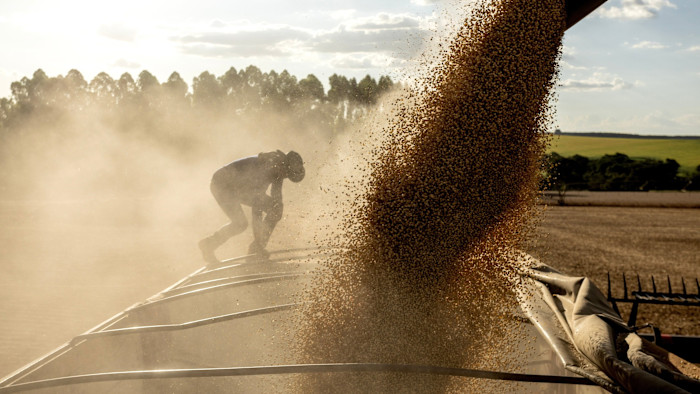
Trade between Russia and China has grown a lot. It crossed $200 billion for several years. In 2025, it reached around $228-234 billion, though there was a slight drop from the previous year due to lower energy prices and other factors. Russia sells oil, gas, coal, and metals to China. China sells cars, electronics, machinery, and consumer goods to Russia.
Energy is the biggest part of their economic ties. Russia is one of China’s top oil suppliers. Pipelines like Power of Siberia 1 already deliver gas. They discussed advancing Power of Siberia 2, a big new pipeline through Mongolia that could send up to 50 billion cubic meters of gas per year. This project would increase energy security for both. China gets reliable supply; Russia gets a big market.
Other areas include nuclear energy, joint investments, and using national currencies (rubles and yuan) instead of dollars for trade. This reduces dependence on Western and U.S. financial systems. They also cooperate in high-tech fields like artificial intelligence, space, and aviation. Local governments and businesses in both countries work together more.
Even with sanctions, trade continues to grow in important sectors. Chinese cars and goods filled gaps left by Western companies in Russia. Russia provides discounted energy to China. Both see this as a win-win that makes their economies stronger together.
Security and Military Ties
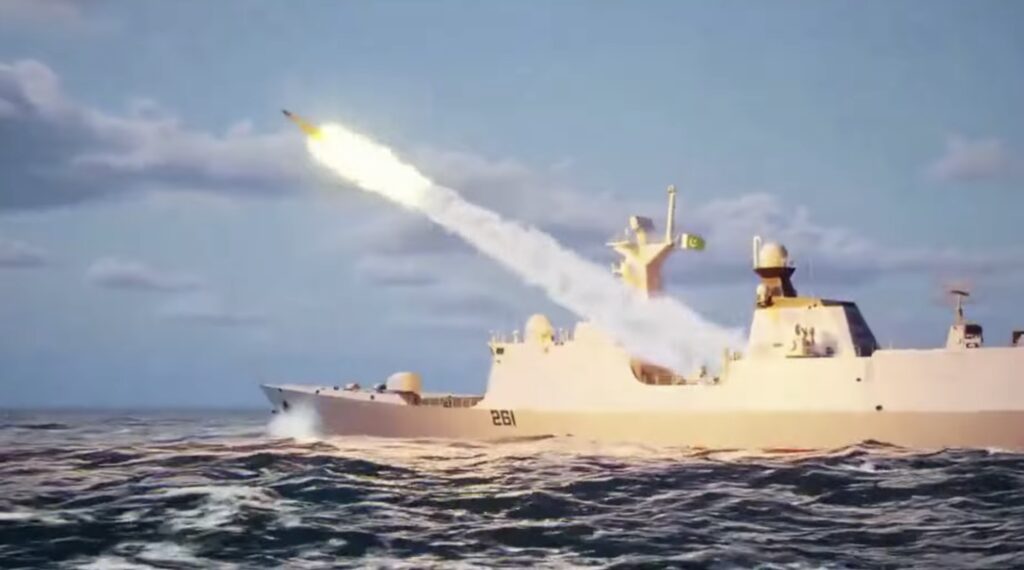
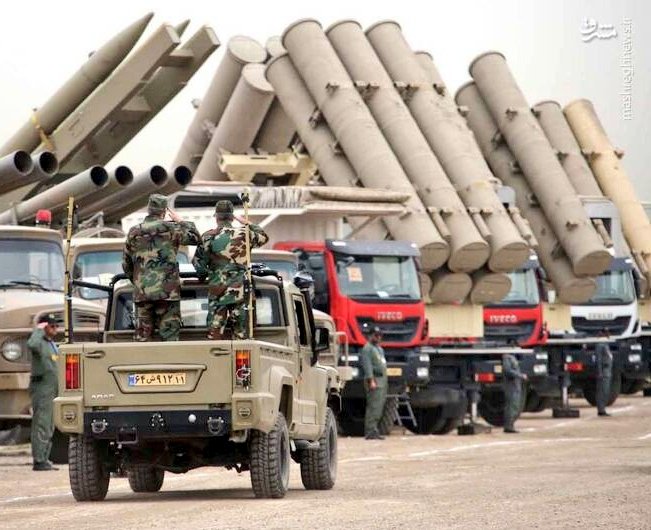
The Putin and Xi partnership includes security cooperation. Both Russia and China hold regular joint military exercises. They share views on opposing military alliances that target them. The joint statements often talk about global strategic stability and criticize moves that increase tensions, such as expanding NATO or certain U.S. defense plans.
They do not have a formal military alliance like NATO. But their coordination helps both feel more secure. Russia was selling advanced weapons to China in the past, and they were training together. In a multipolar world, they see their partnership as a balance against Western dominance.
Global and Regional Impact
The declaration between Putin and Xi promotes multipolarity. This means a world with several strong powers instead of one leader. They support the UN as the main body for international decisions. They back groups like BRICS, where more countries join to increase influence from the Global South.
In Asia, they work through the SCO for security and economic projects. In the Arctic, Russia helps China with shipping routes. Both want stable supply chains and oppose protectionism.
Many countries have seen this partnership closely. Some see it as a challenge to the current order. Others view it as natural cooperation between neighbors. China and Russia say they are not against any country but for peace, development, and fairness.
Challenges and Future Outlook
The relationship has limits. They compete sometimes in Central Asia or for influence. Trade is not fully balanced, and projects like new pipelines take time to build. Global events, like changes in U.S. policy or energy prices, can affect them.
Still, the 2026 declaration shows strong commitment. Leaders called their ties at an “unprecedented level” of trust. They set goals for more trade, investment, and coordination by 2030.
Putin and Xi say, the world faces risks of going back to the “law of the jungle.” They called for cooperation to build a community with a shared future. Putin said their partnership stabilizes global affairs and brings peace.
The signing in Beijing marks another step in a deepening partnership. From trade records to joint statements on world order, Putin and Xi show they plan to work closely for years. This affects global politics, energy markets, and security.
As big powers with large economies and militaries, their cooperation will shape the future international system. The event highlights how countries seek friends and partners in a changing world. For Russia and China, the historic declaration strengthens their bond and sends a clear message of unity on key issues.
Note: This article is written by Khalid M. Raza and published on Tumido News to help readers understand politics and raise awareness. However, we do not claim this article as an intent to differentiate one country from the other. It’s a lot of opinionated and avoidable content, if for any reason, to avoid hurting anyone’s sentiments, as the Editor in Chief does not like offensive tones being carried forward into hatred. Justice is to take this article as a write-up. We value your thoughts, so if you have any questions, please leave a comment. All content on Tumido News is for the information and knowledge of our esteemed readers. Feel free to ask.