







































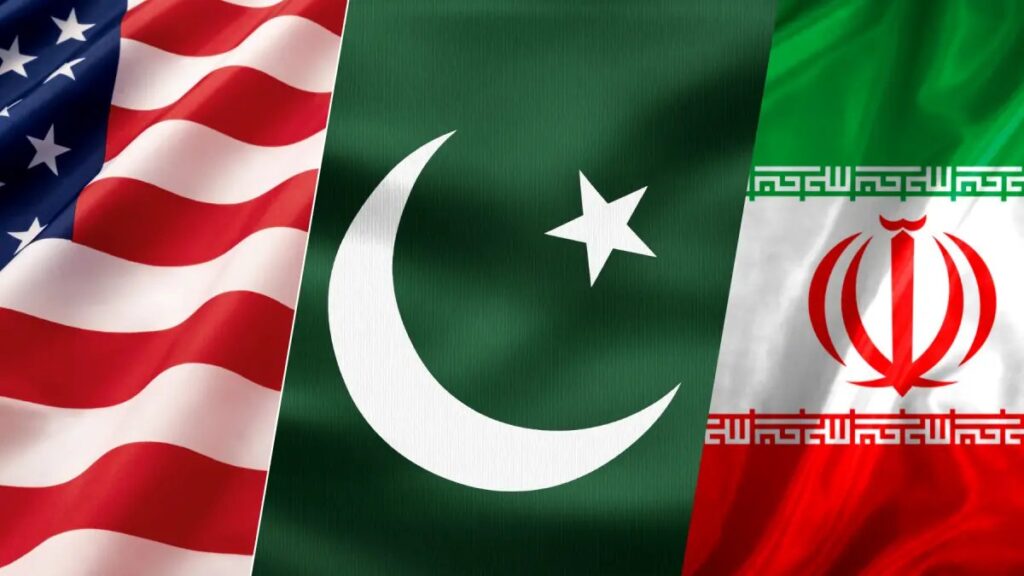










































Pakistan playing big role in carrying messages between US & Iran
-
Khalid M Raza
- May 20, 2026
- 0
- 7 min read

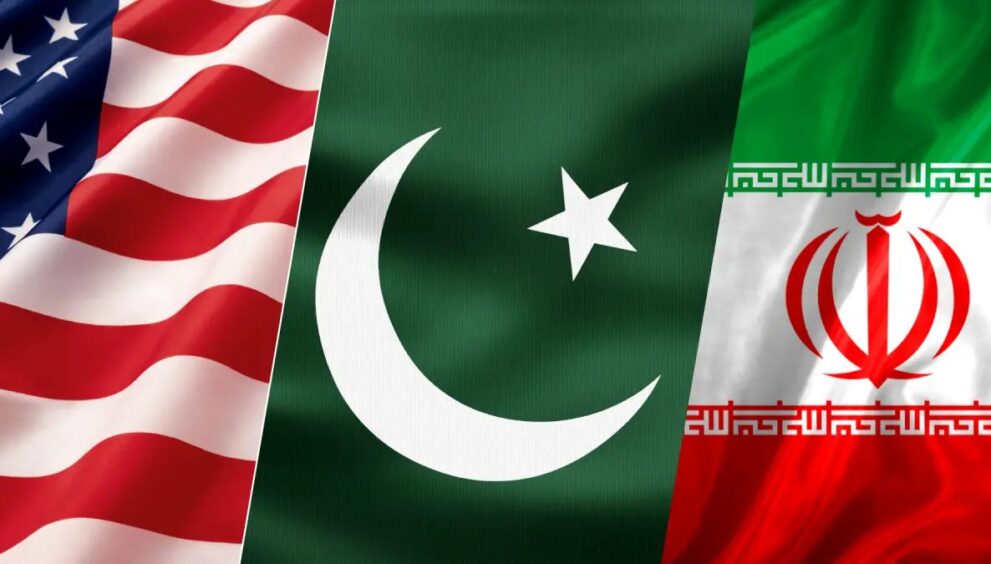
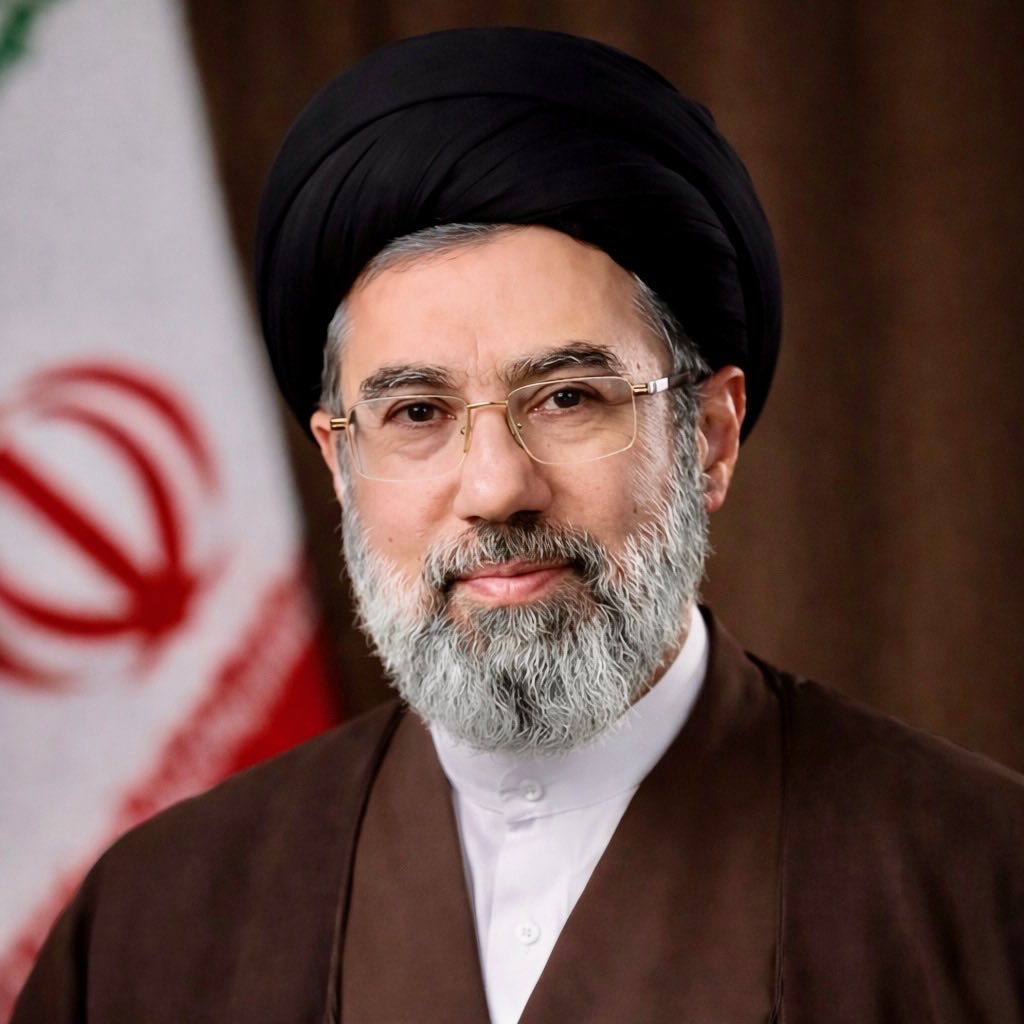
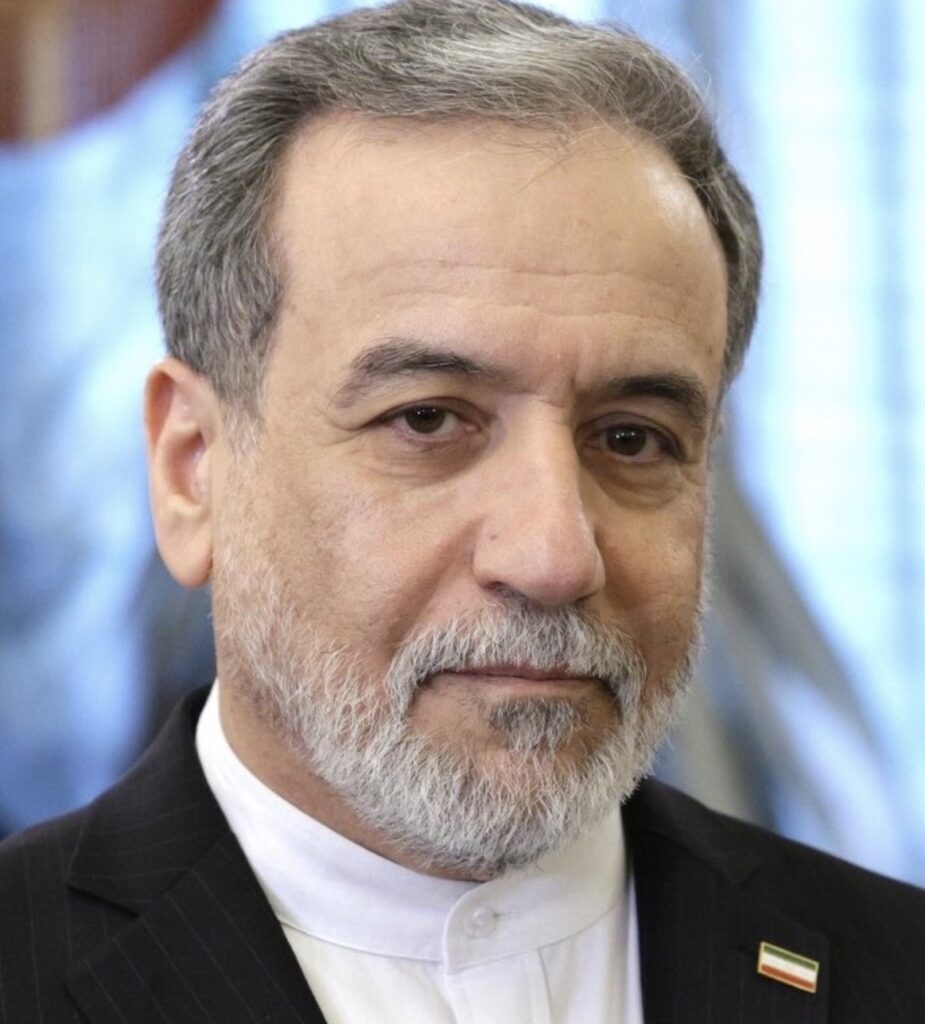
Iran has once again spoken about its efforts to make peace with the United States. The country’s Foreign Ministry spokesperson, Esmaeil Baghaei, gave new comments that were shared by Tasnim news agency. These comments show that Iran wants to keep talking but does not fully trust the American side. Pakistan playing big role in carrying messages between the two countries.
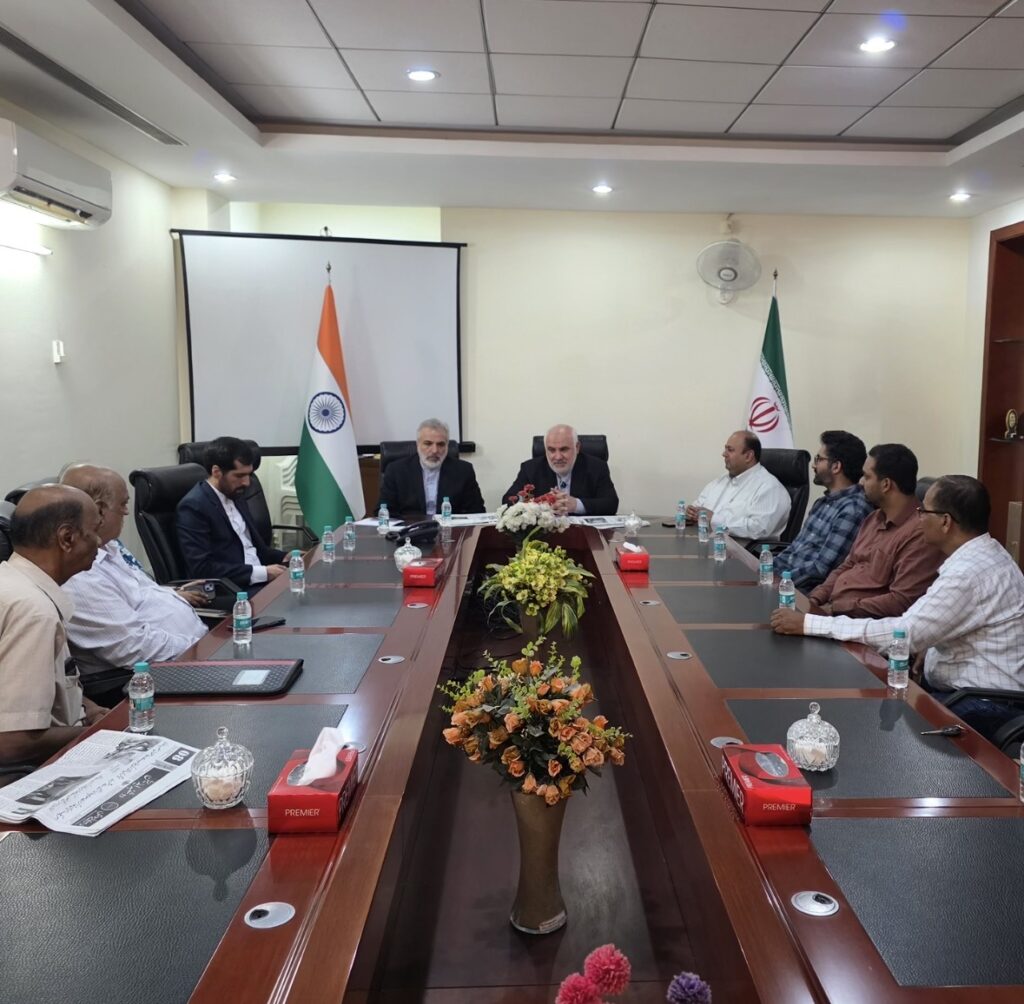
Baghaei said that a new visit by Pakistan’s Interior Minister Mohsin Naqvi to Iran is meant to help exchange messages and explain the written texts sent between Iran and the United States. This was Naqvi’s second trip to Iran in just one week. Iranian media reported that these visits are part of bigger efforts to reach a real deal between Washington and Tehran.
Iran says it is following the path of negotiations with seriousness and good faith. At the same time, Baghaei made it clear that Iran has “strong and reasonable suspicion” about the United States. This careful language shows the difficult situation. Both sides want to end the fighting, but deep mistrust remains after years of problems.
Why Are Iran and the US Talking Now?
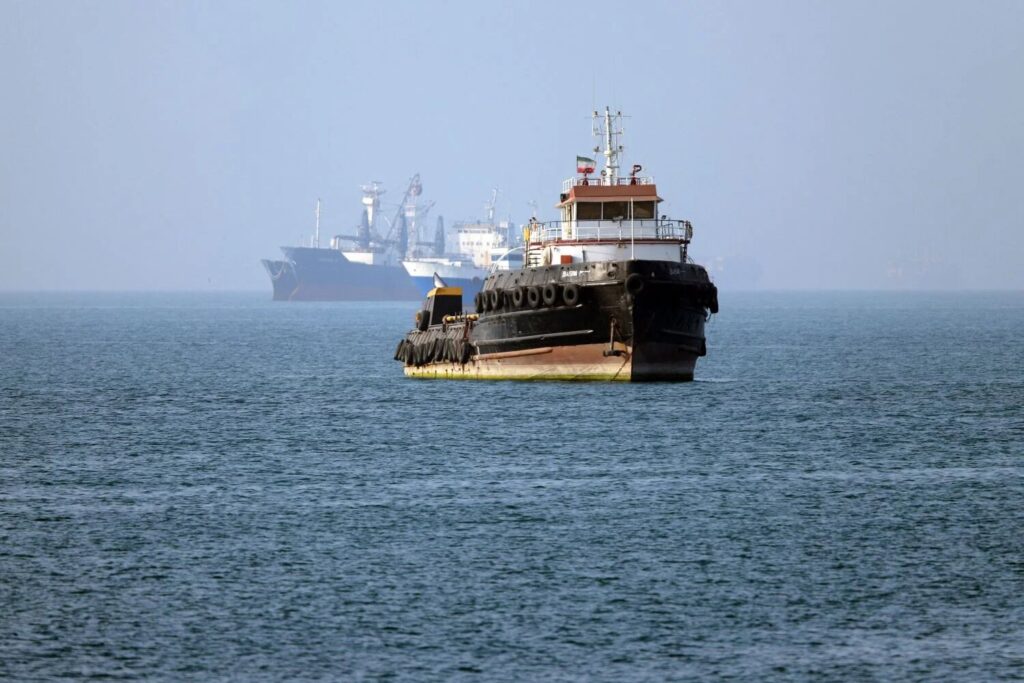
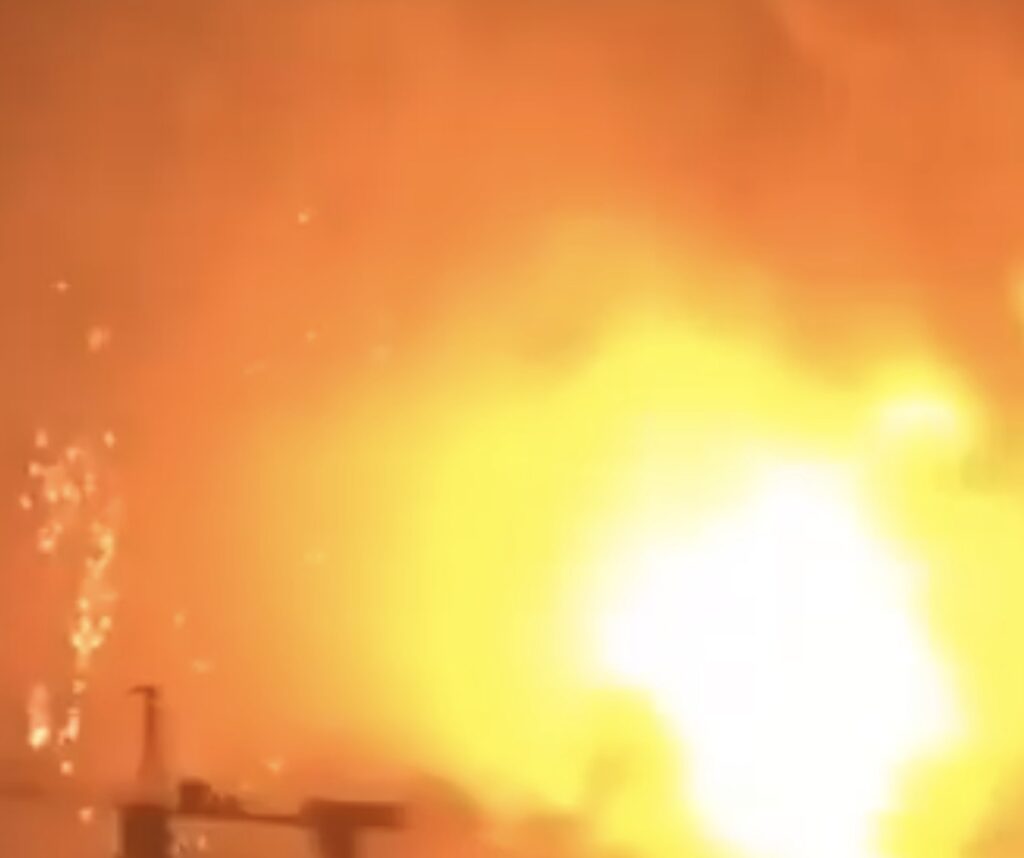
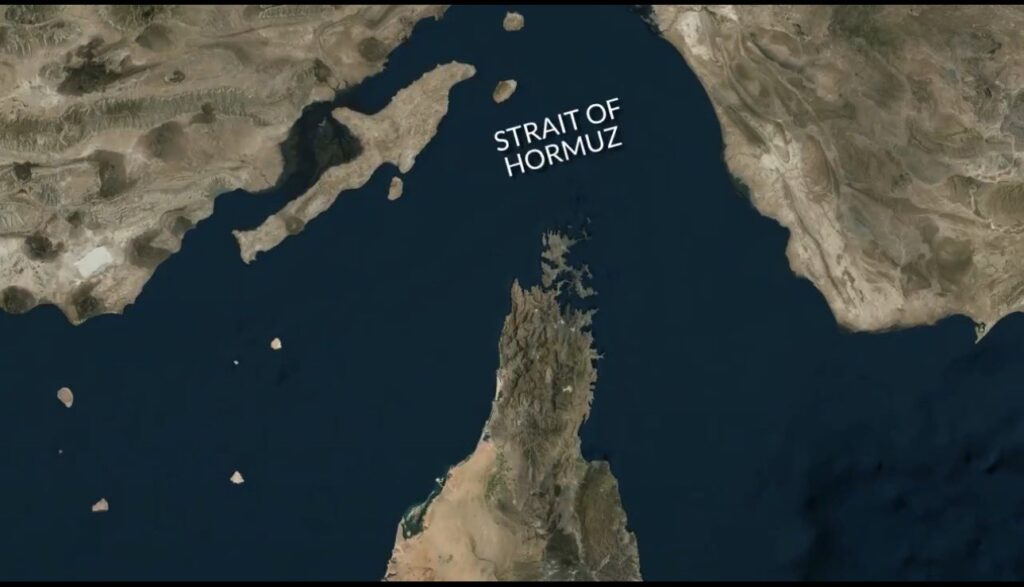
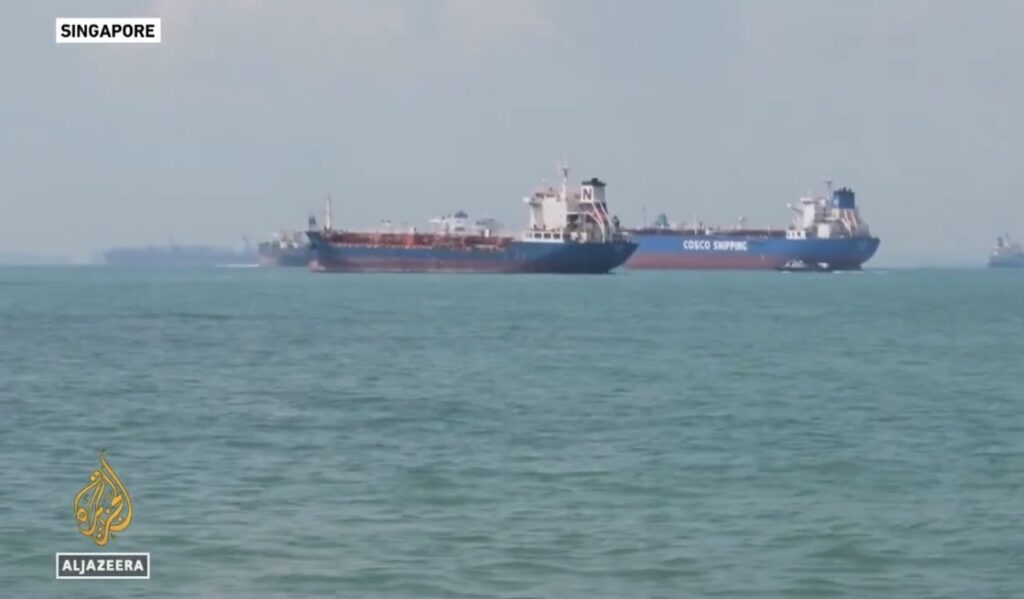
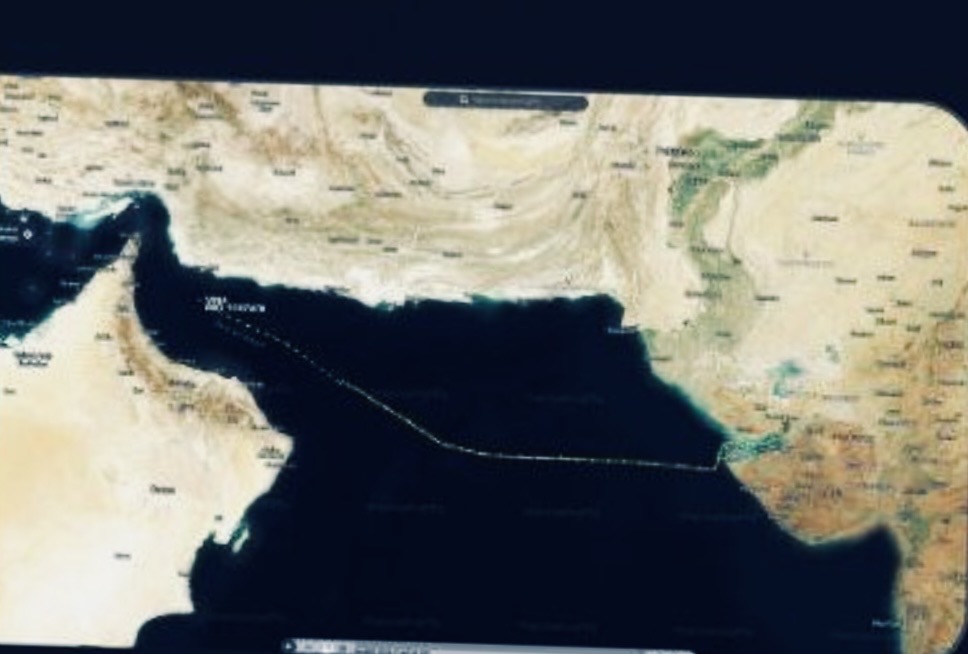
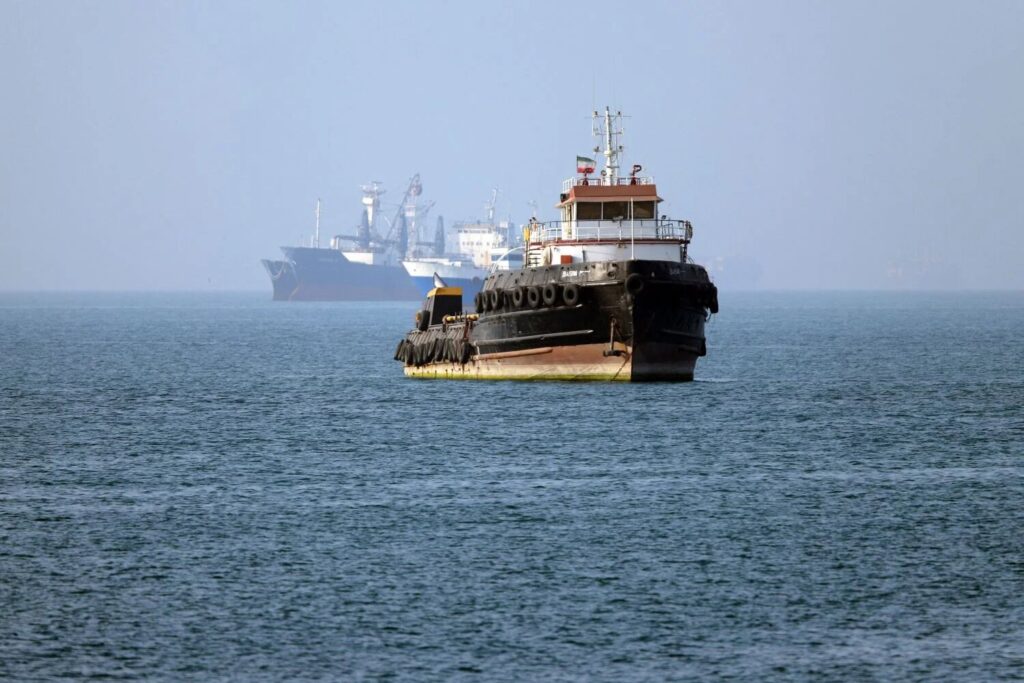
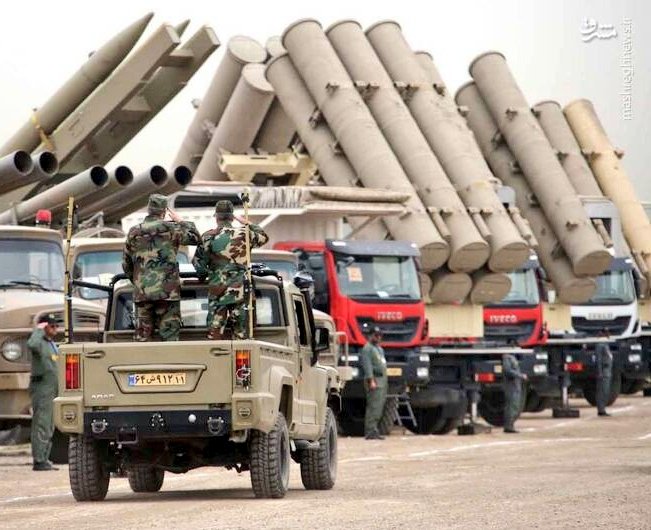
To understand these new comments, we need to look at what happened before. In early 2026, tensions between Iran, the United States, and Israel grew very high. There was a short war that started on February 28, 2026. The United States and Israel carried out strikes on Iran. Iran hit back with missiles. The fighting affected important sea routes like the Strait of Hormuz, which carries a lot of the world’s oil. This made oil prices go up and worried many countries.
After some weeks of fighting, Pakistan playing big role and it helped arrange a ceasefire in April 2026. This ceasefire stopped the immediate shooting, but it was not a full peace agreement. It was described as fragile, meaning it could break easily. Since then, both sides have been trying to turn the ceasefire into a lasting deal. Direct talks have been hard, so they use indirect talks through an important nuclear powered mediator, Pakistan.
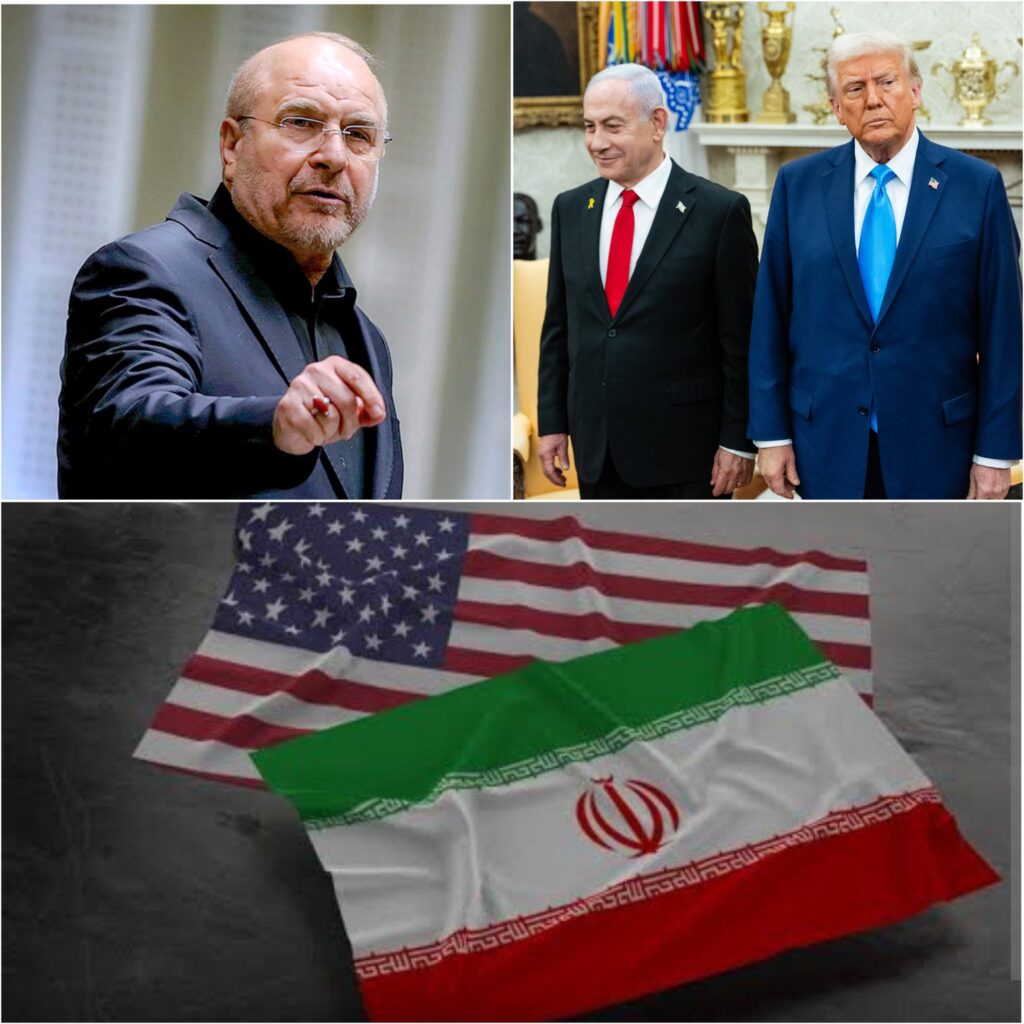
Pakistan playing big role and has become the main messenger. It has good relations with both Iran and the United States. Pakistani leaders, including Prime Minister Shehbaz Sharif and military officials, have worked hard to keep the talks alive. Mohsin Naqvi’s visits show how active Pakistan is. He has met Iranian President Masoud Pezeshkian, other ministers, and parliament speaker Mohammad Bagher Ghalibaf.
What Did Baghaei Exactly Say?
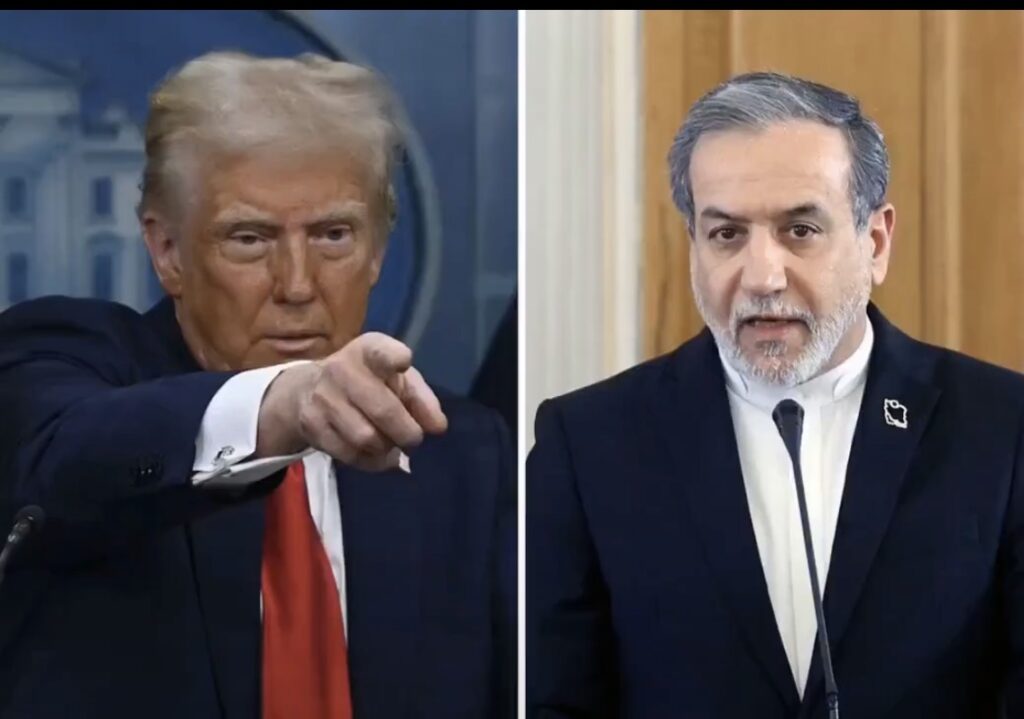
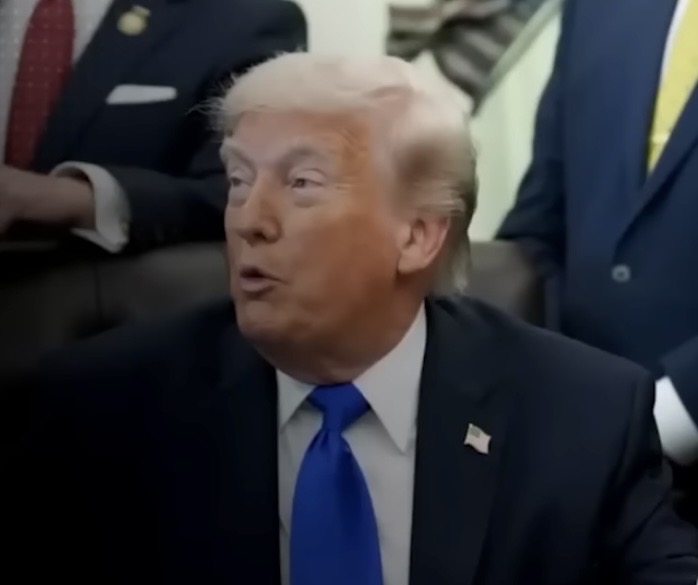
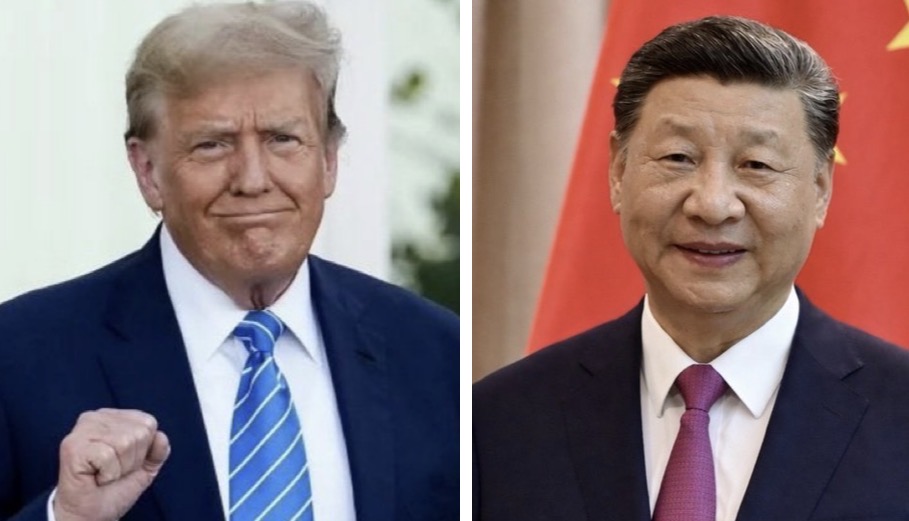
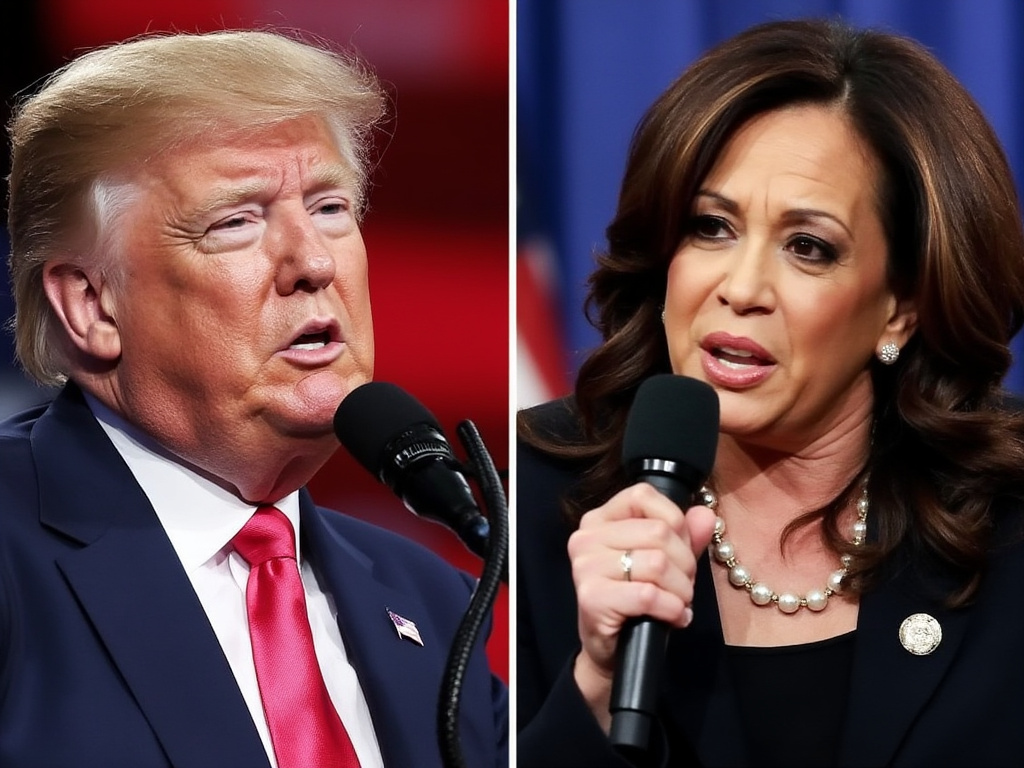
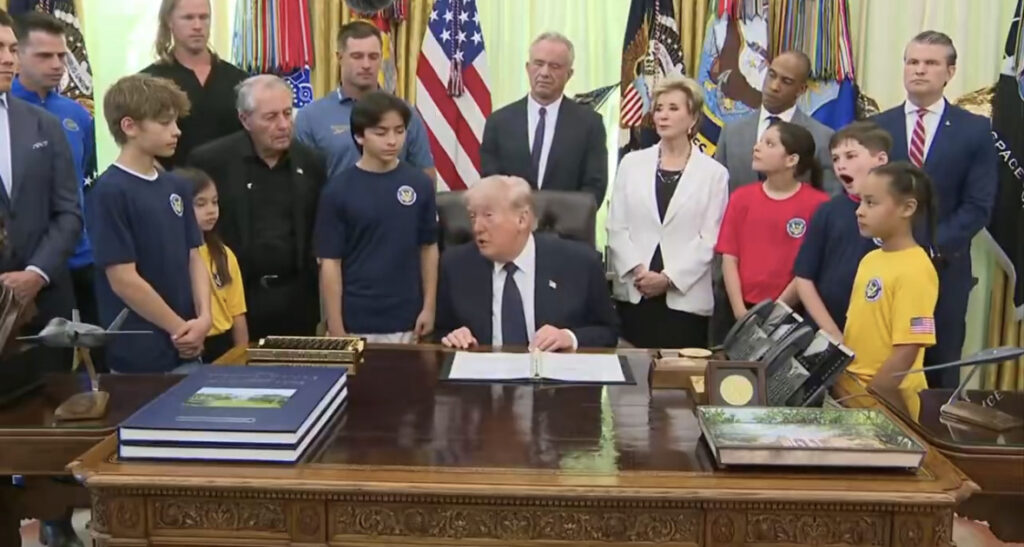
In his press conference, Baghaei explained the process clearly. He said that even though US President Donald Trump publicly called Iran’s earlier response “totally unacceptable,” the Americans still sent new points and ideas through Pakistan. Iran studied these points and sent back its own reply.
Iran recently gave a fresh 14-point proposal to the US side through the Pakistani channel. This proposal includes Iran’s main demands. These likely cover ending the war completely, lifting sanctions, releasing frozen Iranian money, and making sure the Strait of Hormuz stays open for normal trade. Iran also wants guarantees that it will not face new attacks.
Baghaei stressed that Iran is serious about talks. “The process is continuing through Pakistan,” he said. But he also pointed out problems. He talked about “contradictory and excessive stances” from the US side. This means Iran feels the Americans sometimes say one thing in public and another in private. Iran wants clear actions, not just words.
Why Does Iran Have Suspicion?
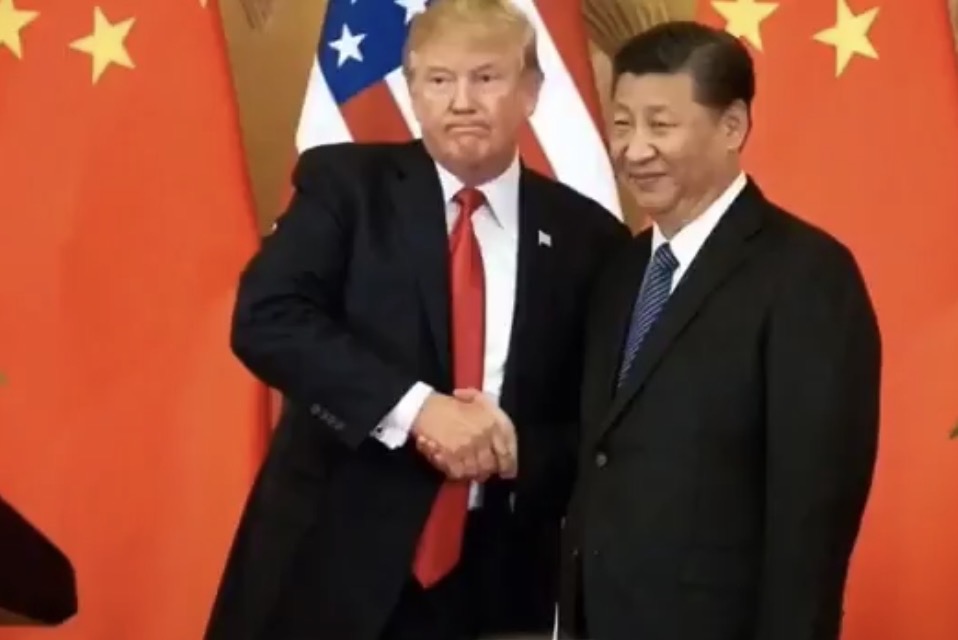
Iran’s suspicion comes from long history. In 2015, Iran and world powers, including the US, made the Joint Comprehensive Plan of Action (JCPOA), often called the Iran nuclear deal. It limited Iran’s nuclear work in return for lifting sanctions. But in 2018, President Trump (in his first term) pulled America out of the deal and put heavy sanctions back on Iran. Iran says this broke trust.
Since then, Iran has moved forward with its nuclear program. It enriched uranium to higher levels. The US and Israel worry that Iran wants nuclear weapons. Iran says its program is only for peaceful energy, defending against the enemy and for medical uses. This means, “nuclear weapons remain the main deterrence against possible aggression”. But these differences make every new talk difficult.
The recent war made things worse. Iran lost people and saw damage to its sites. The US and Israel showed their military power. Now, Iran wants any new deal to give real security and economic relief. It does not want another situation where sanctions come back after some time.
Pakistan Playing Big Role
Pakistan is in a unique position. It shares a border with Iran. Many Pakistanis and Iranians have cultural and religious ties. At the same time, Pakistan has received support from the United States over the years. By acting as a mediator, Pakistan helps its own interests too. It gains importance on the world stage and helps reduce tension near its borders.
Mohsin Naqvi’s quick second visit shows urgency. The ceasefire is holding for now, but threats of new fighting are always there. If talks fail, oil prices could rise again, and the region could see more violence. Pakistan is trying to prevent that.
Challenges & Many Big Issues
1. Nuclear Program: The US wants strong limits on Iran’s uranium enrichment. Iran says it has the right to enrich for peaceful purposes and will not accept total stoppage.
2. Sanctions: Iran wants all sanctions lifted. The US may want to keep some or remove them slowly as Iran shows good behavior.
3. Strait of Hormuz: Both sides blocked shipping during the war. Opening it fully and safely is important for world trade.
4. Regional Influence: The US worries about Iran’s support for groups in other countries. Iran wants respect for its role in the Middle East.
5. Trust: As Baghaei said, suspicion is strong. Both sides need to see real actions before they believe the other.
These problems cannot be solved in one meeting. Talks may take weeks or months.
What Could Happen Next?
If the talks succeed, it could bring big changes. Sanctions relief would help Iran’s economy. People in Iran could see better jobs, cheaper goods, and more stability. The world would have safer oil supplies. The Middle East might become calmer. But success is not guaranteed. Trump has said time is running out and has threatened more action.
Iran says it is ready to defend itself even without nuclear deterrence if needed. The 14-point proposal is Iran’s way of showing that it is flexible but firm on its main demands.
China, Russia, and European nations have interests in the outcome. Gulf countries like Saudi Arabia also want peace to protect their own economies.
A Path of Patience
Esmaeil Baghaei’s comments show Iran’s position clearly. It is pursuing negotiations seriously, but it will not ignore risks. Using Pakistan as a bridge gives both sides space to talk without losing face in public.
This moment is important. After war and destruction, the chance for peace is there, but it needs careful handling. One wrong move could restart fighting. Good faith from both sides, helped by mediators like Pakistan playing big role, offers the best hope.
The coming weeks will be critical. More messages will go through Pakistani hands. More explanations will be needed. Iran has said it is ready. Now the world waits to see if the United States matches that seriousness.
This is not just about one visit or one spokesperson’s words. It is about two powerful countries trying to end years of anger and find a way to live without constant threat of war. The road is long, but the talks continue, and this is itself a step forward.
Note: This article is written by Khalid M. Raza and published on Tumido News to help readers understand politics and raise awareness. However, we do not claim this article as an intent to differentiate one country from the other. It’s a lot of opinionated and avoidable content, if for any reason, to avoid hurting anyone’s sentiments, as the Editor in Chief does not like offensive tones being carried forward into hatred. Justice is to take this article as a write-up. We value your thoughts, so if you have any questions, please leave a comment. All content on Tumido News is for the information and knowledge of our esteemed readers. Feel free to ask.