





























































































Telangana aims for $1 trillion economy
-
Khalid M Raza
- June 6, 2026
- 0
- 3 min read

Hyderabad: June 6, 2026
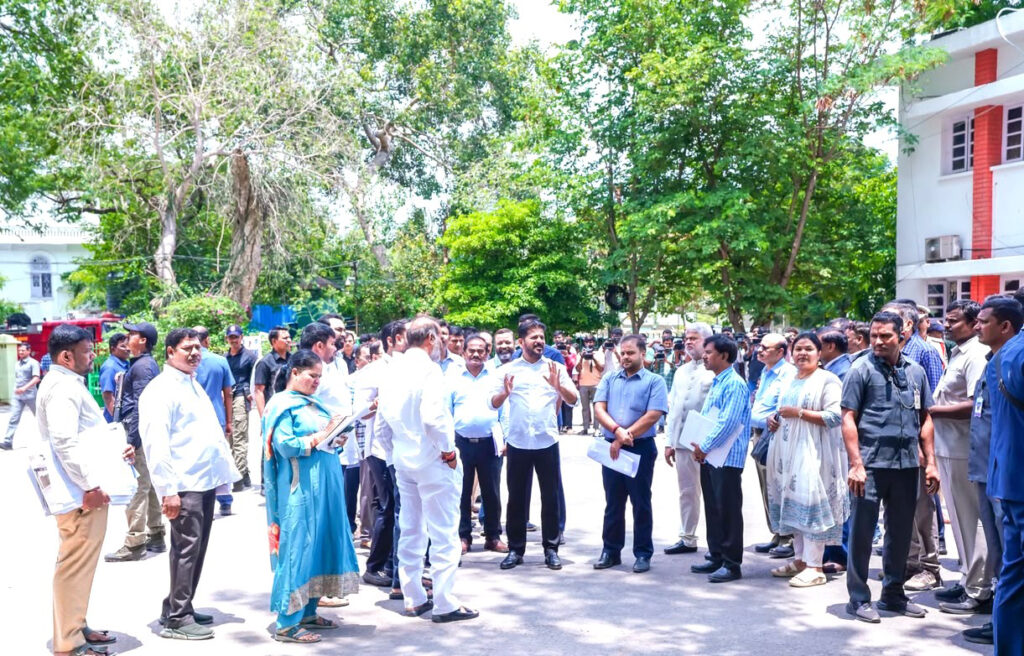
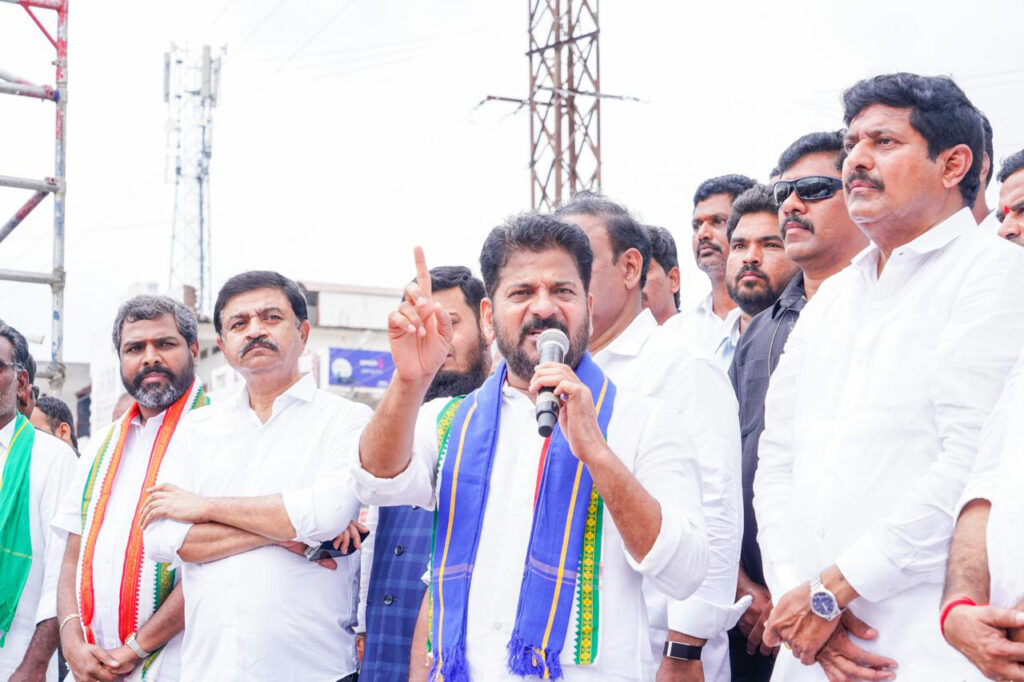
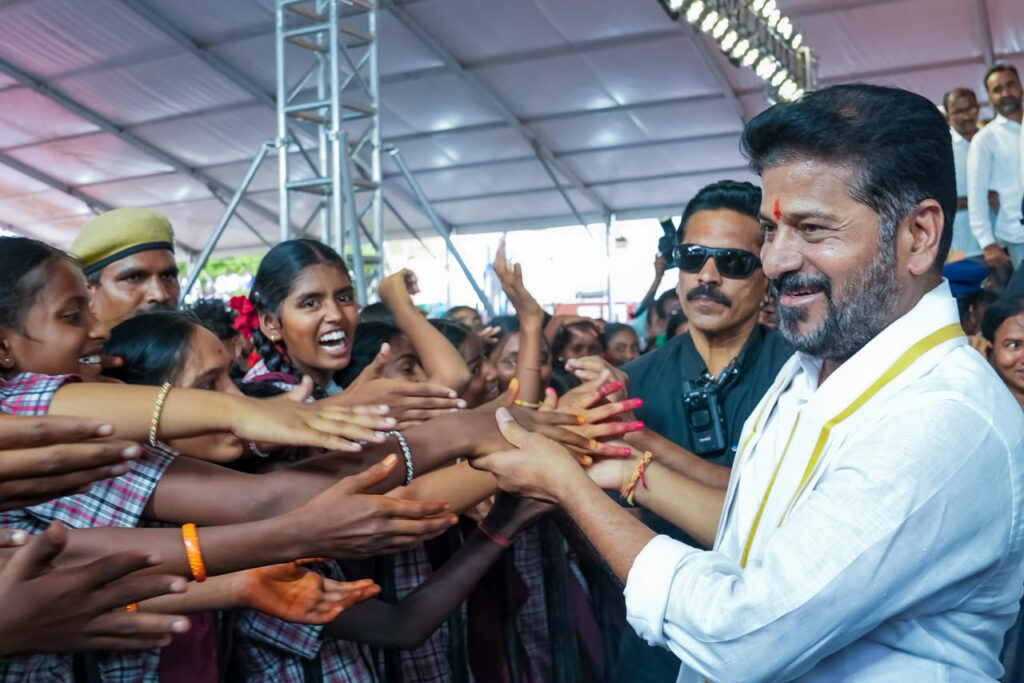
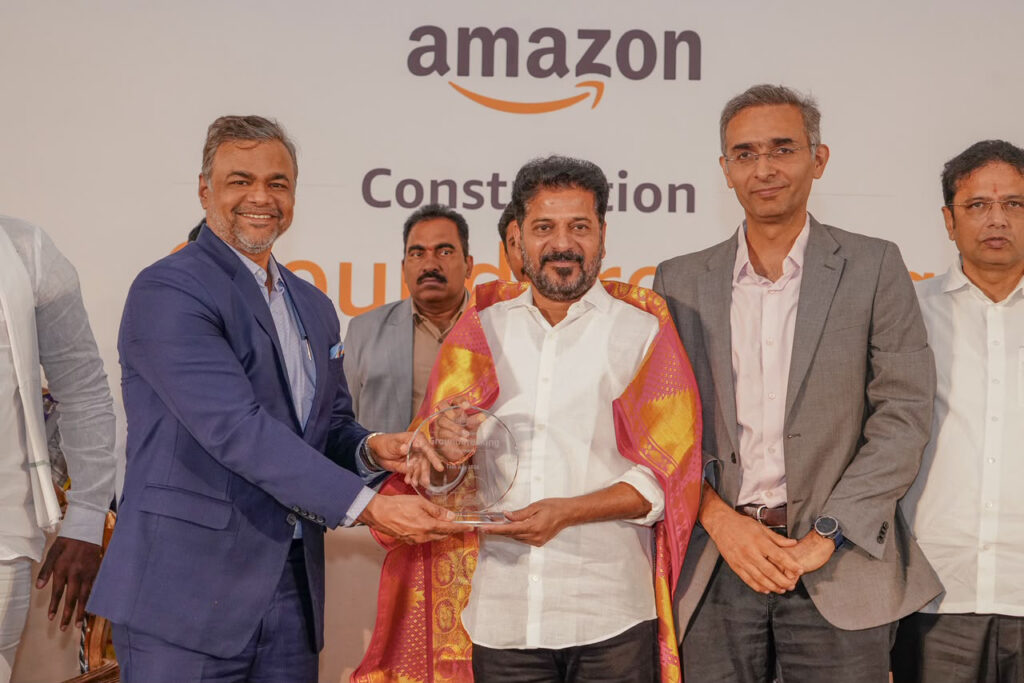
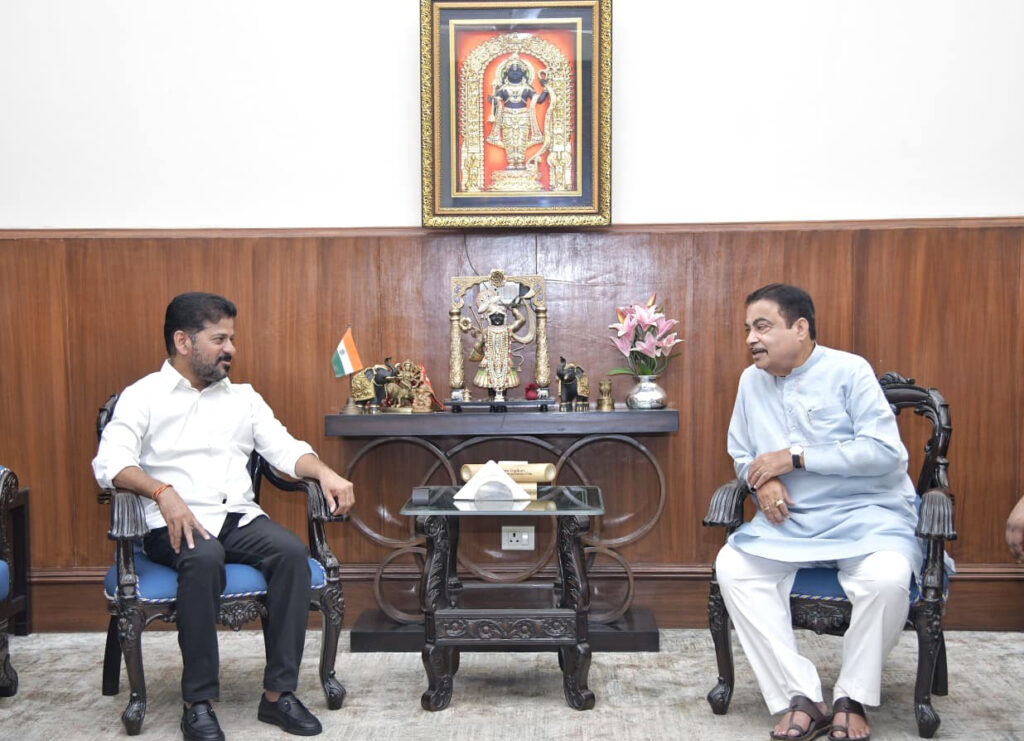
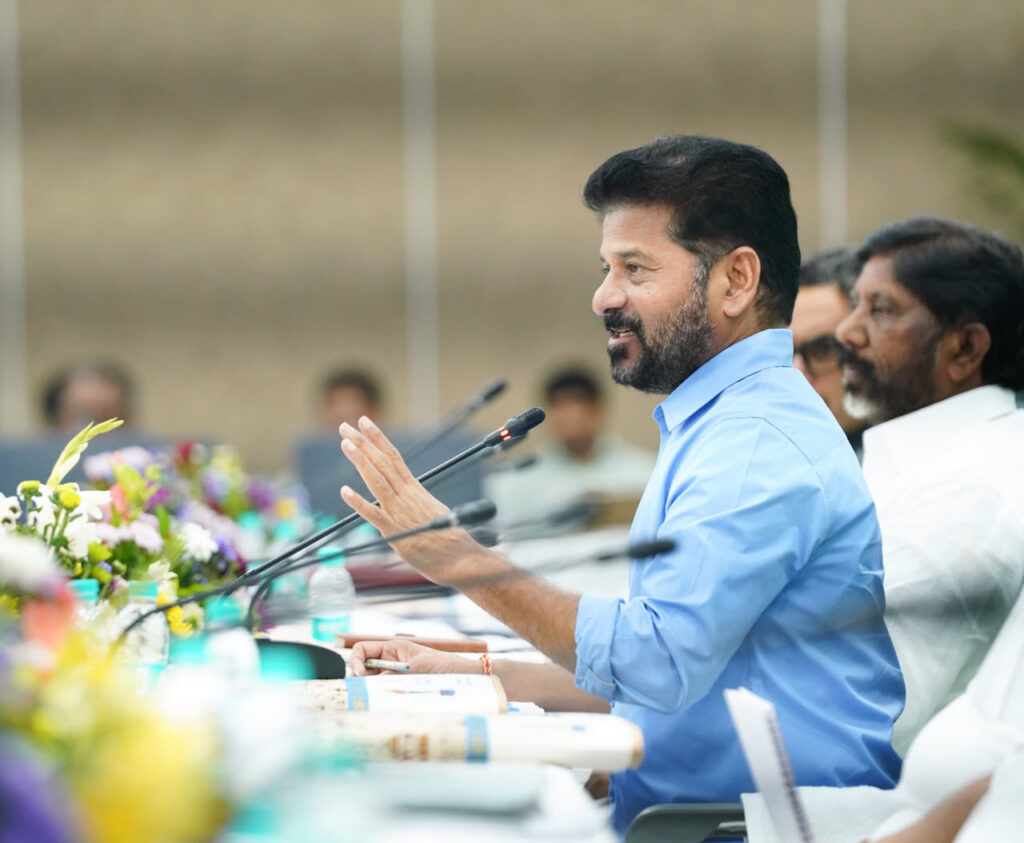
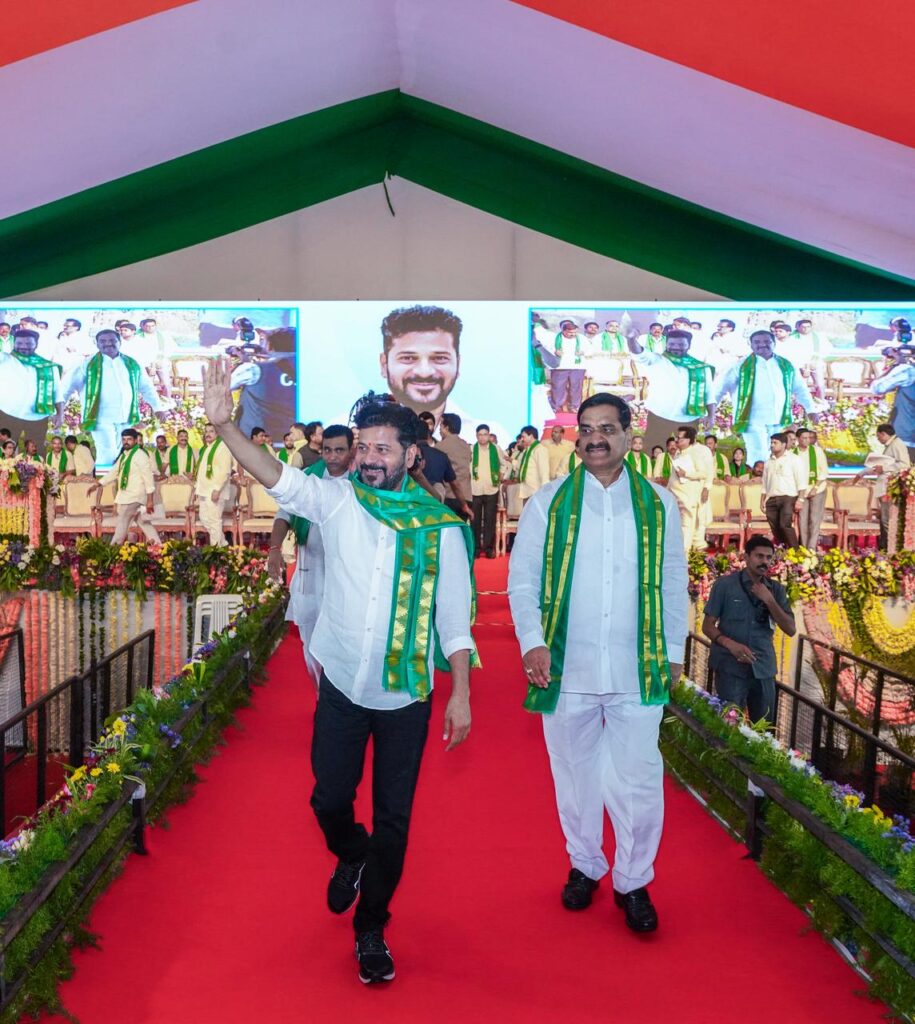
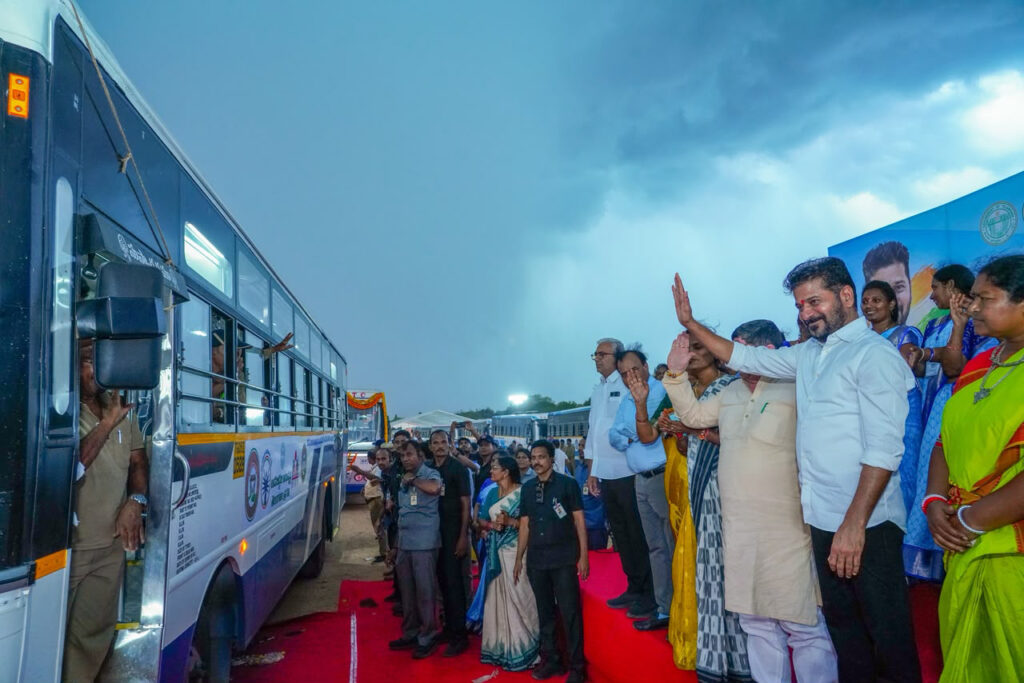
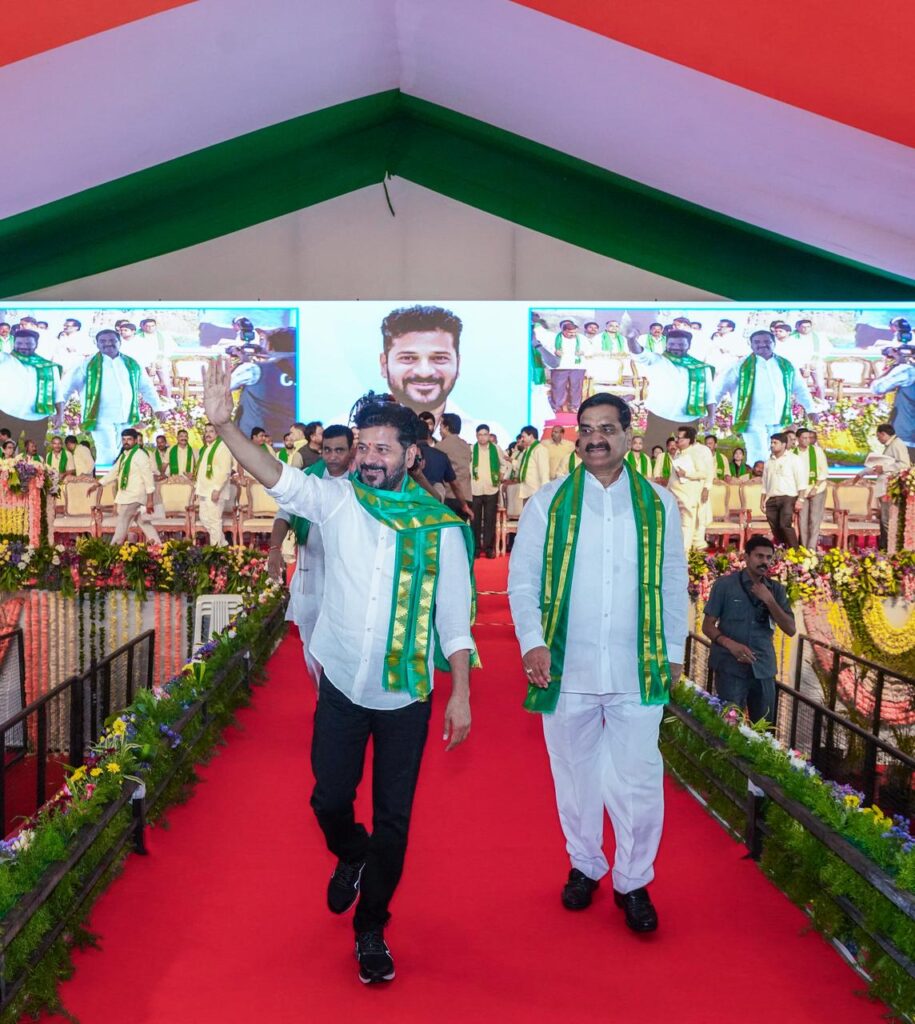
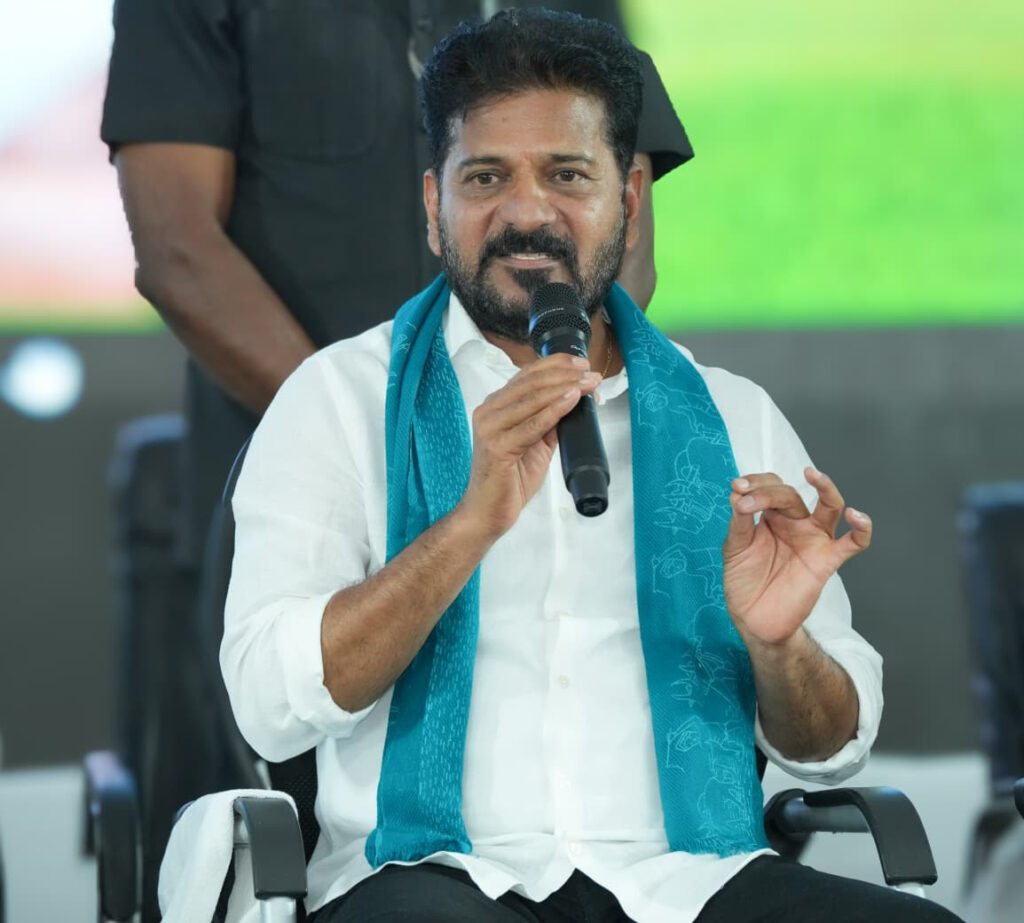
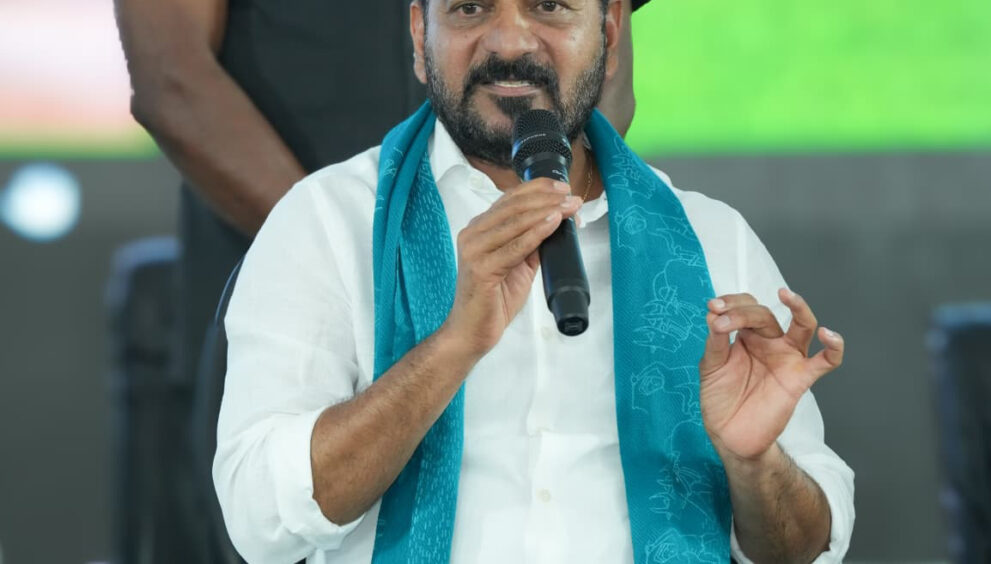
Telangana Chief Minister A. Revanth Reddy on Friday outlined an ambitious roadmap to transform the state into a $1 trillion economy by 2034 and a $3 trillion economy by 2047 under the “Telangana Rising” initiative.
Speaking on the state’s development strategy, the Chief Minister said Telangana has adopted a region-specific economic model by dividing the state into three zones — CURE (Core Urban Region Economy), PURE (Peri-Urban Region Economy), and RARE (Rural Agricultural Region Economy) — to drive balanced and sustainable growth.
He said the urban core within the 160-km Outer Ring Road (ORR) will be developed as a services-driven hub under CURE, while manufacturing will be prioritized in the peri-urban belt between ORR and the proposed Regional Ring Road (RRR). Rural areas beyond the RRR will focus on agriculture-based development under RARE.

The Chief Minister highlighted that a global investment summit held in December last year helped shape the policy framework, which aims to position Hyderabad as a “net-zero” urban region with increased adoption of electric vehicles. He noted that the government has already waived taxes on EVs to encourage cleaner mobility, even at an estimated annual fiscal impact of ₹2,000 crore.
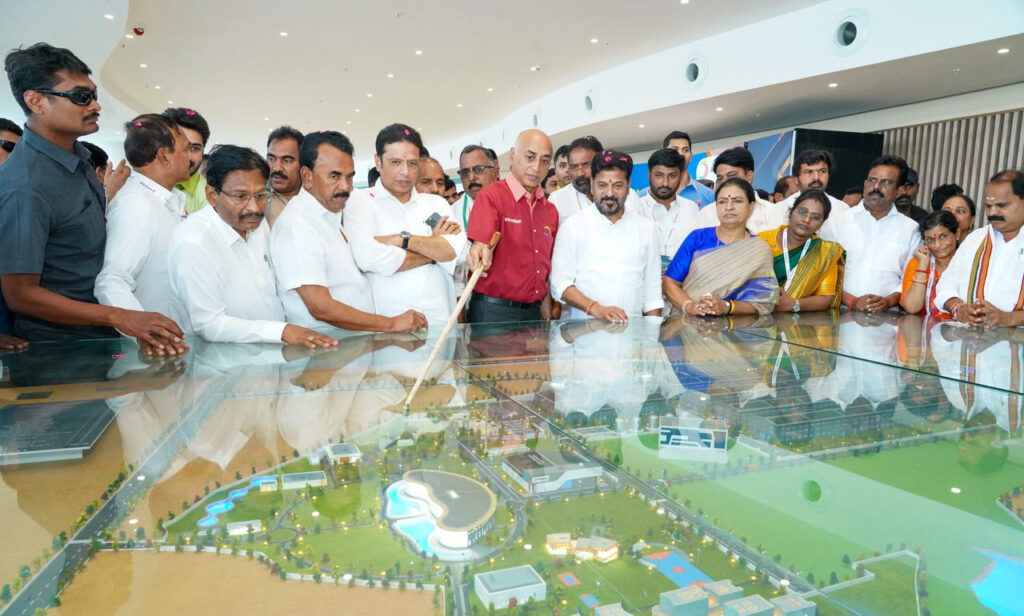
Infrastructure expansion plans include metro rail extension, lake rejuvenation projects, removal of encroachments, and development of water-harvesting systems. The state is also working on the proposed “Bharat Future City” project spread over 30,000 acres, aimed at attracting global and Fortune 500 companies.
Addressing Telangana’s landlocked geography, the Chief Minister said discussions are underway with the Centre and neighboring Andhra Pradesh leadership to improve connectivity to Machilipatnam port through a high-capacity expressway, along with strengthening road, rail, port, and airport linkages.
Revanth Reddy also emphasized the role of education and skill development, citing institutions such as ISB, IIIT Hyderabad, and NALSAR as key assets. He said the government is focusing on human capital development through the Young India Skills University, established as a public-private partnership with corporate leadership including Anand Mahindra as Chairman and Srini Raju as Vice-Chairman.
He added that the initiative aims to bridge the gap between education and employment by involving industry leaders in curriculum design and job placement, particularly in response to the impact of artificial intelligence on traditional white-collar jobs.
The Chief Minister also announced the transformation of Industrial Training Institutes (ITIs) into Advanced Technology Centres (ATCs) in collaboration with the Tata Group, with a total investment of ₹2,400 crore, of which 86 percent is contributed by the private partner.
Highlighting global workforce trends, he said blue-collar jobs are gaining higher value and income potential compared to some white-collar roles, and the state is preparing youth for international employment opportunities by offering training in German, Japanese, and Korean languages.
The Chief Minister concluded that Telangana’s growth model is anchored in connectivity, skill development, sustainable urbanization, and industry-driven education reform to achieve long-term economic transformation.