










































































































































Cow slaughter restrictions ahead of Bakrid frustrate Hindu cattle sellers in West Bengal
-
Khalid M Raza
- May 21, 2026
- 0
- 8 min read

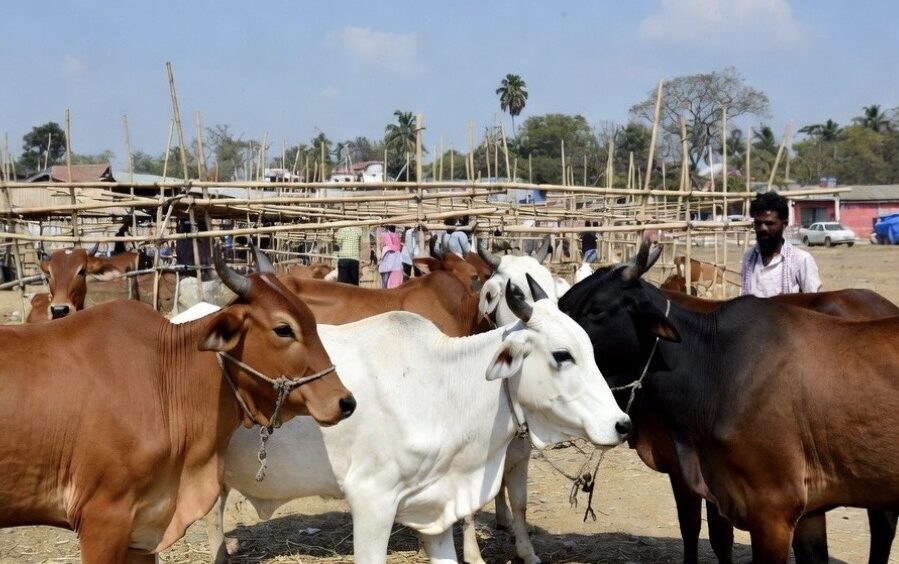
Cow slaughter restrictions ahead of Bakrid frustrate Hindu cattle sellers in West Bengal. In May 2026, the newly elected BJP government in West Bengal issued a notice to strictly enforce the West Bengal Animal Slaughter Control Act, 1950. This happened just weeks before Eid al-Adha, also known as Bakrid, which falls around May 27-28 in 2026. The rules require a ‘fit-for-slaughter’ certificate for cows, bulls, buffaloes, and calves. Only animals over 14 years old or permanently unfit for work can get this certificate. Slaughter must happen only in approved municipal slaughterhouses, not in public places.
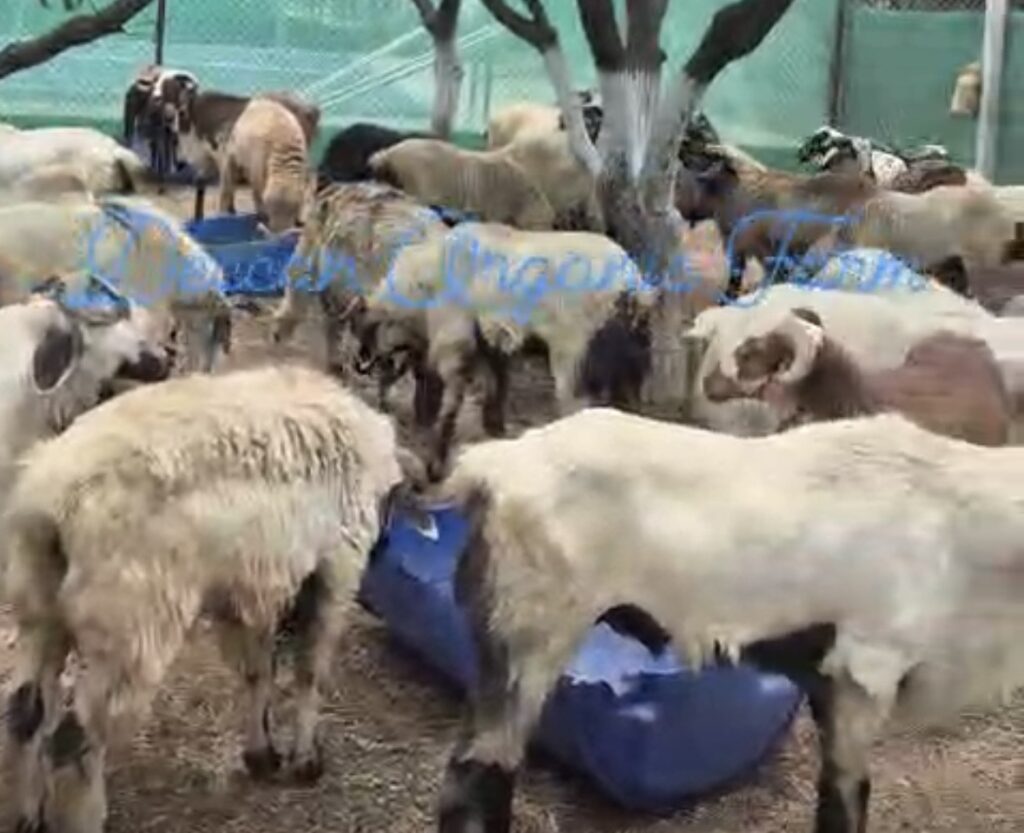
Many Hindu cattle farmers and traders in districts like South 24 Parganas, Nadia, Murshidabad, and Birbhum now face big financial problems. These farmers often raise animals for sale during Bakrid, when demand from Muslim buyers is high. They borrow money, sometimes 5 lakh rupees or more, to buy and feed cattle. Without sales, they cannot repay loans or buy feed. Some farmers have cried in videos shared widely on social media.
Background on cattle trade and laws in India
Cows hold special importance in Hinduism. Many Hindus see them as sacred mothers that give milk and help in farming. For this reason, most Indian states have laws against cow slaughter. As of now, about 20 out of 28 states ban or strictly control cow slaughter. States like Uttar Pradesh, Gujarat, and Maharashtra have strong bans. A few states like Kerala, Goa, and parts of the Northeast allow it with rules.
West Bengal traditionally had fewer restrictions. The 1950 Act allowed slaughter with veterinary certificates. Beef could be sold in government slaughterhouses. Many Hindu farmers in rural Bengal raised male calves or old unproductive cows and sold them to Muslim buyers for meat or sacrifice. This trade helped recover costs of dairy farming. Families sold milk from cows and later sold the animals when they stopped giving milk.
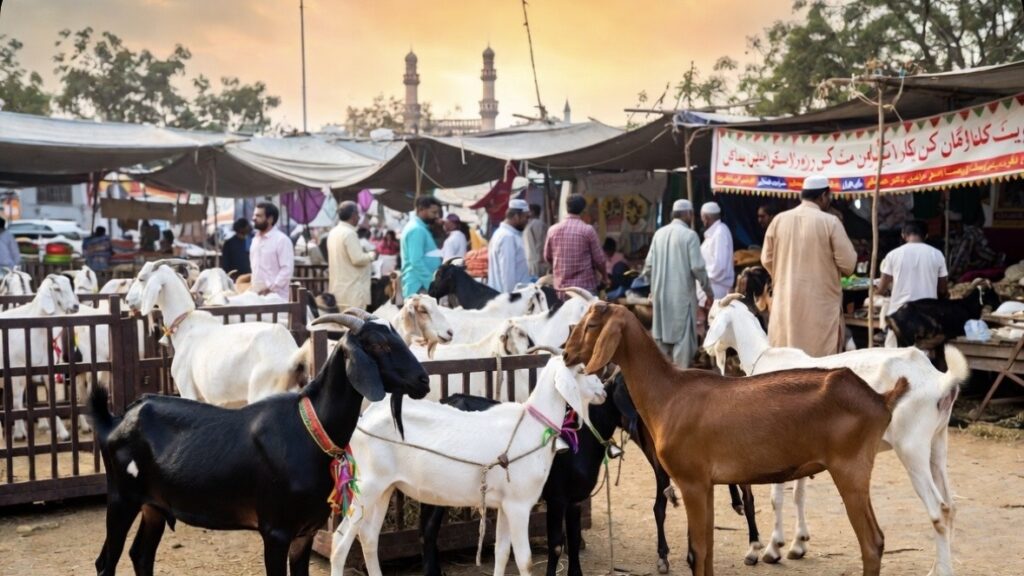
Bakrid is an important Muslim festival. It remembers Prophet Ibrahim’s A.S. willingness to sacrifice his son. Muslims sacrifice an animal, often a goat, sheep, cow, or buffalo and share the meat with family, friends, and the deserving. In places where cow slaughter is allowed, cows are sometimes chosen because one animal can feed many people. But in recent years, many Muslim groups in India have moved to goats to avoid tension.
What the new rules say
The BJP government, led by Chief Minister Suvendu Adhikari after their 2026 election win, said they are not making new laws. They are only enforcing old rules and Supreme Court directions. The notice on May 14, 2026, made fitness certificates mandatory. Police check transport on roads. Public cow slaughter is banned. The aim is to stop illegal slaughter, protect young productive animals, and prevent cattle smuggling to other states.
Supporters say this protects cows and follows Hindu cultural values. They argue that many animals sold before were young and fit, which violates the law. The government claims it will help dairy farming in the long run by keeping good animals alive.
How Hindu sellers are affected
Hindu traders, many from communities like the Ghosh, say the timing has destroyed their business. Cattle markets that are usually busy before Bakrid are now empty. Muslim buyers are staying away because they fear police action, fines, or trouble on roads.
Some Muslim groups have asked people to buy only goats or buffaloes and follow the law. Videos show Hindu farmers in tears. One trader said he took a loan of 5 lakh rupees and now has no buyers. “Muslims never harm us. Why is the BJP stopping us from doing business with Muslims?” he asked. A woman farmer said her family depends on this seasonal sale. Without it, they cannot pay back loans or feed the animals they already have.
Farmers explain the cycle:
They buy young animals, raise them on expensive feed, sell milk for some years, and then sell the old ones during Bakrid for good money. Now the animals eat feed but bring no income. Some fear they may have to sell at huge loss or abandon them. Debt from banks and local money lenders adds pressure. No compensation package has been announced yet.
In places like Magrahat, markets are quiet. Some Muslim youths have politely told Hindu sellers to take their cows back, saying “You call it your mother, why sell it for sacrifice?” This has created awkward situations and more tension.
Views from Muslim side
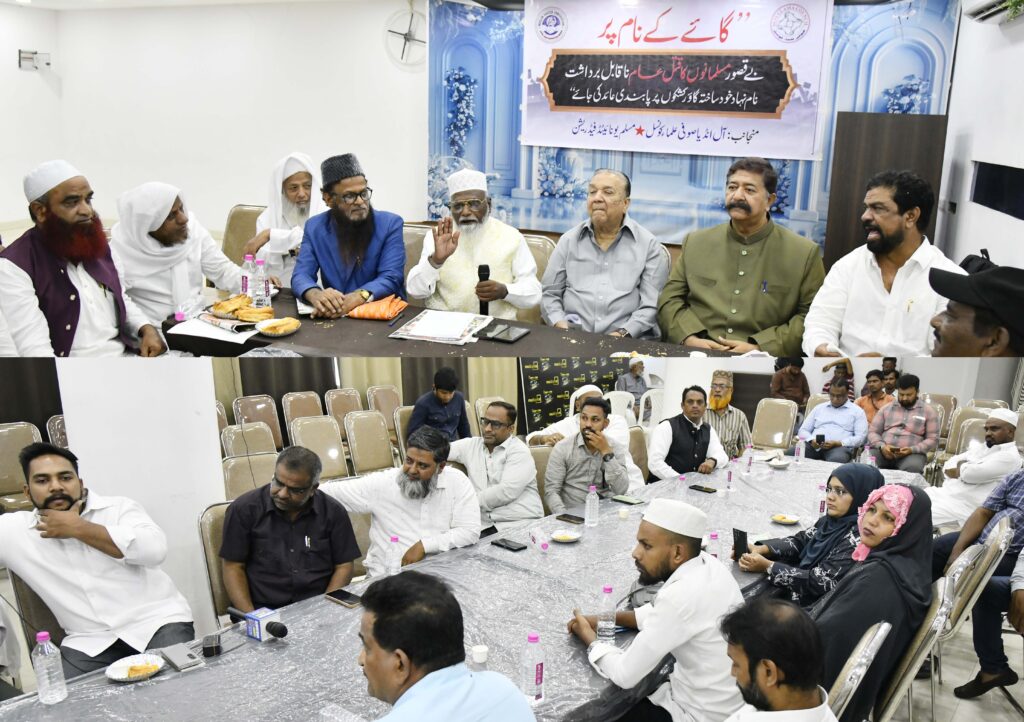
Many Muslim organizations in West Bengal have said they will follow the law. They are promoting sacrifice of goats instead of cows. Some leaders have called for peaceful celebration and urged people not to buy cattle without proper papers. This has helped reduce demand for cows, which directly hits sellers.
Critics of the government say the strict enforcement right before the festival looks like it targets Muslim traditions. Opposition parties have challenged the rules in court. They argue it disturbs communal harmony and rural economy. Some call it politics ahead of festivals.
Broader impact of cattle rules in India
This is not the first time cattle rules have caused economic pain. In 2017, a central government order on cattle markets affected traders, butchers, and exporters across India. Beef exports fell, and leather industry jobs suffered. Farmers in many states found old animals became a burden instead of an asset. Stray cattle increased in some places.
Studies show mixed effects. Dairy production can benefit if good animals are saved. But small farmers lose income from selling unproductive stock. Meat sellers, transporters, and related workers, many from the Muslim communities, face job losses. In West Bengal, the cattle trade supports thousands of Hindu rural families.
Hindu farmers in Bengal point out an irony. The BJP government, which supports cow protection, has hurt Hindu dairy families who voted for them. Traders say they are not against cow slaughter protection but want practical rules and time to adjust. Some have asked for relaxation during the festival season or help to sell animals for other purposes.
Economic numbers and reality
Cattle rearing is big in rural India. One estimate says the livestock sector supports millions. In Bengal, small and marginal farmers depend on it. A single good sale before Bakrid can cover feed costs for a year and help repay debts. When markets collapse suddenly, families face hunger, school dropouts increase, or migration rises to cities for other forms of work.
Feed suppliers have stopped giving credit. Banks may soon demand loan repayments. Animals need daily care and food, which costs money with no return. In hot summer, keeping extra animals is hard.
What people are saying
Hindu sellers: “We are not butchers. We are dairy farmers. This is our only way to make the business sustainable.”
Muslim buyers: Many say they respect the law and prefer goats to avoid any trouble or hurting sentiments.
Government: “We are implementing the law equally for everyone. No discrimination.”
Opposition: “Timing is suspicious. It disturbs peace before a big festival.”
Animal lovers and cow protection groups support the move to save cattle from slaughter.
Possible way forward
Experts suggest better planning. Governments should give advance notice for such enforcement so farmers can adjust. Support like fodder, insurance for livestock, or markets for selling animals for dairy or farming use could help. Dialogue between communities is important to keep harmony. Long-term, promoting better breeds that stay productive longer or improving dairy income could reduce dependence on slaughter sales.
The situation in West Bengal shows how religious sentiments, laws, and economy are linked. Hindu farmers who raise cows for livelihood now suffer because of rules meant to protect cows. Muslim communities are adjusting their traditions. Both sides face challenges. The incident highlights the need for balanced policies that respect faith while protecting poor rural families from sudden losses.
As Bakrid approaches, many hope for calm. Markets may slowly recover if rules are applied fairly. But for now, frustration is real among Hindu sellers who feel caught between their own beliefs and daily needs. The story is not just about one festival or one state. It reflects deeper debates in India on tradition, business, and coexistence.
Note: This article is written by Khalid M. Raza and published on Tumido News to help readers understand politics and raise awareness. However, we do not claim this article as an intent to differentiate one country from the other. It’s a lot of opinionated and avoidable content, if for any reason, to avoid hurting anyone’s sentiments, as the Editor in Chief does not like offensive tones being carried forward into hatred. Justice is to take this article as a write-up. We value your thoughts, so if you have any questions, please leave a comment. All content on Tumido News is for the information and knowledge of our esteemed readers. Feel free to ask.