














































































































































Iran Strikes American Warships In The Strait Of Hormuz
-
Khalid M Raza
- May 10, 2026
- 0
- 5 min read

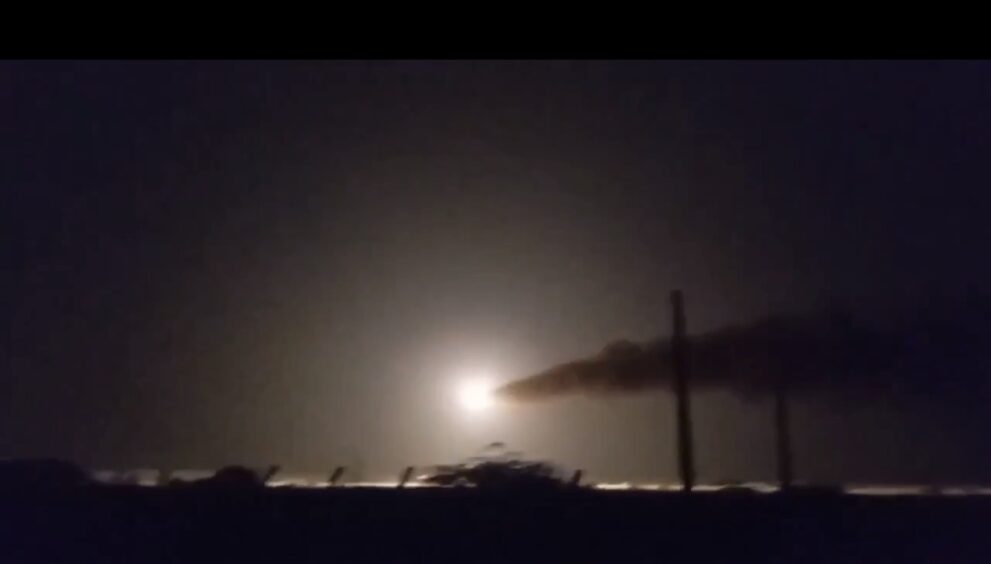
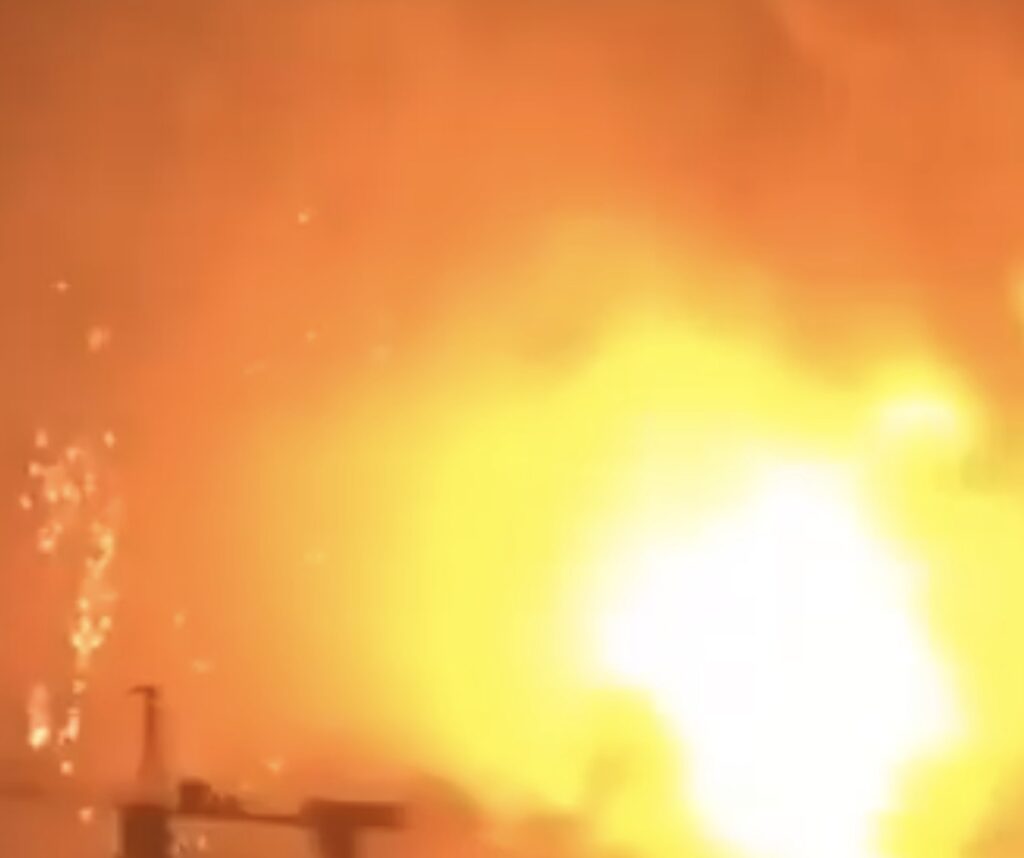
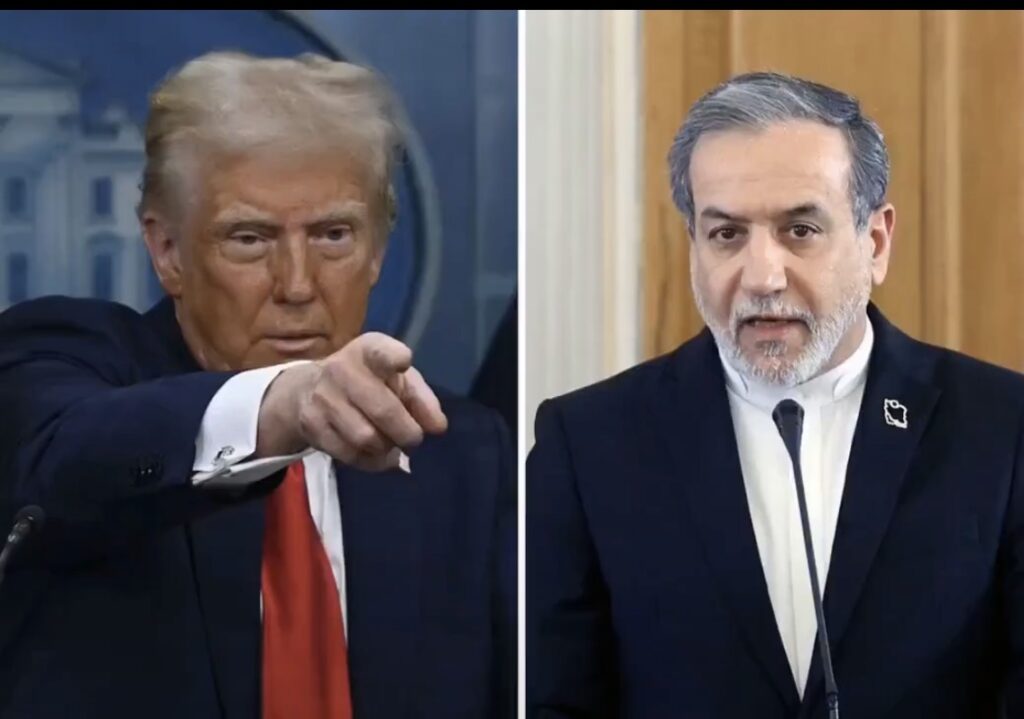
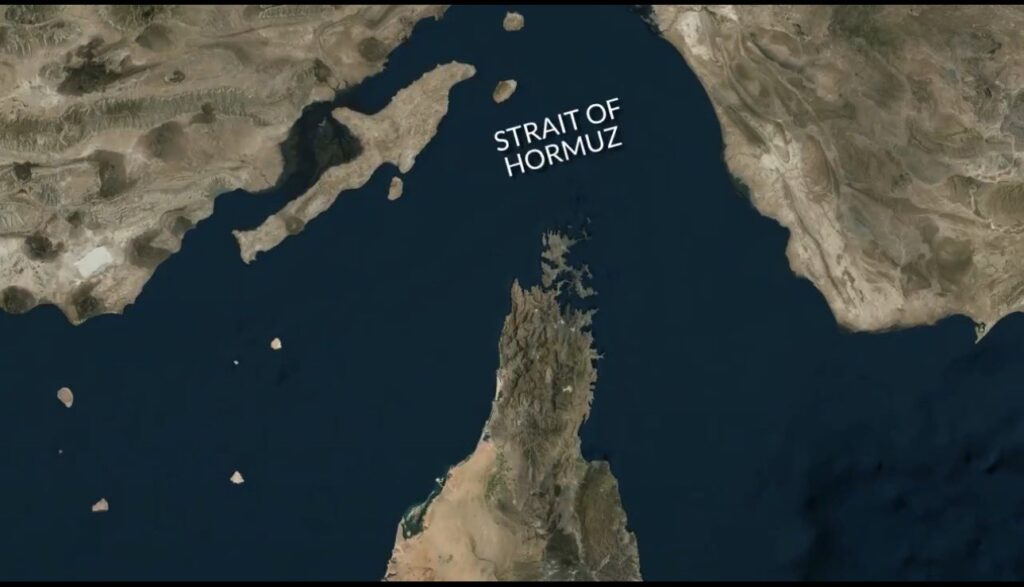
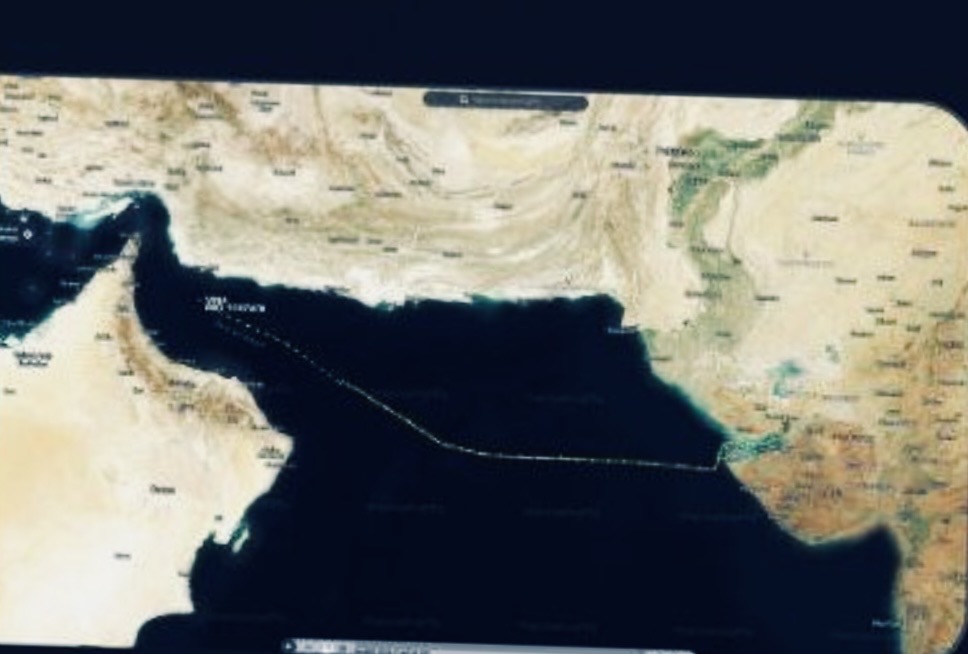
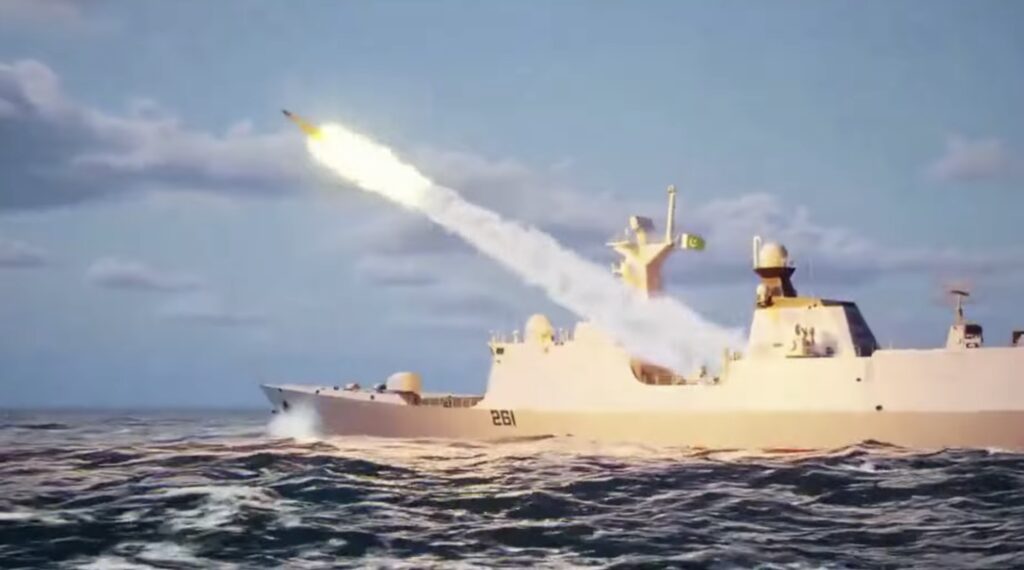
In the tense waters of the Strait of Hormuz, where massive oil tankers squeeze through narrow passages every day, a dramatic clash unfolded on May 8, 2026. Iran’s navy launched a daring attack on three U.S. Navy destroyers. They fired eight cruise missiles and sent 24 one-way attack drones screaming toward the American warships. What followed was a high-stakes battle that lit up the skies and raised fears of a bigger war in the Middle East. However, Iran strikes American warships in the Strait of Hormuz isn’t so crystal clear, but speaks about the power of Iran.
The USS Truxtun, USS Rafael Peralta, and USS Mason were moving carefully through the Strait. These powerful guided-missile destroyers are designed to protect shipping lanes and project American strength. Suddenly Iranian forces unleashed their weapons in a coordinated ride. The missiles sliced through the air at high speed, while the drones flew low, hugging the waves to avoid detection. It was a classic “saturation attack”; overwhelming defenses with sheer numbers. So, Iran strikes American warships in the Strait of Hormuz isn’t a joke.
Iran claimed success right away. According to their statements, one cruise missile slammed into a destroyer, and three drones found their marks too. Fires broke out on board the ships. Iranian officials described “significant damage” and that Iran strikes American warships in such a way that they turned and fled toward the Gulf of Oman.
Iran strikes American warships in the Strait of Hormuz
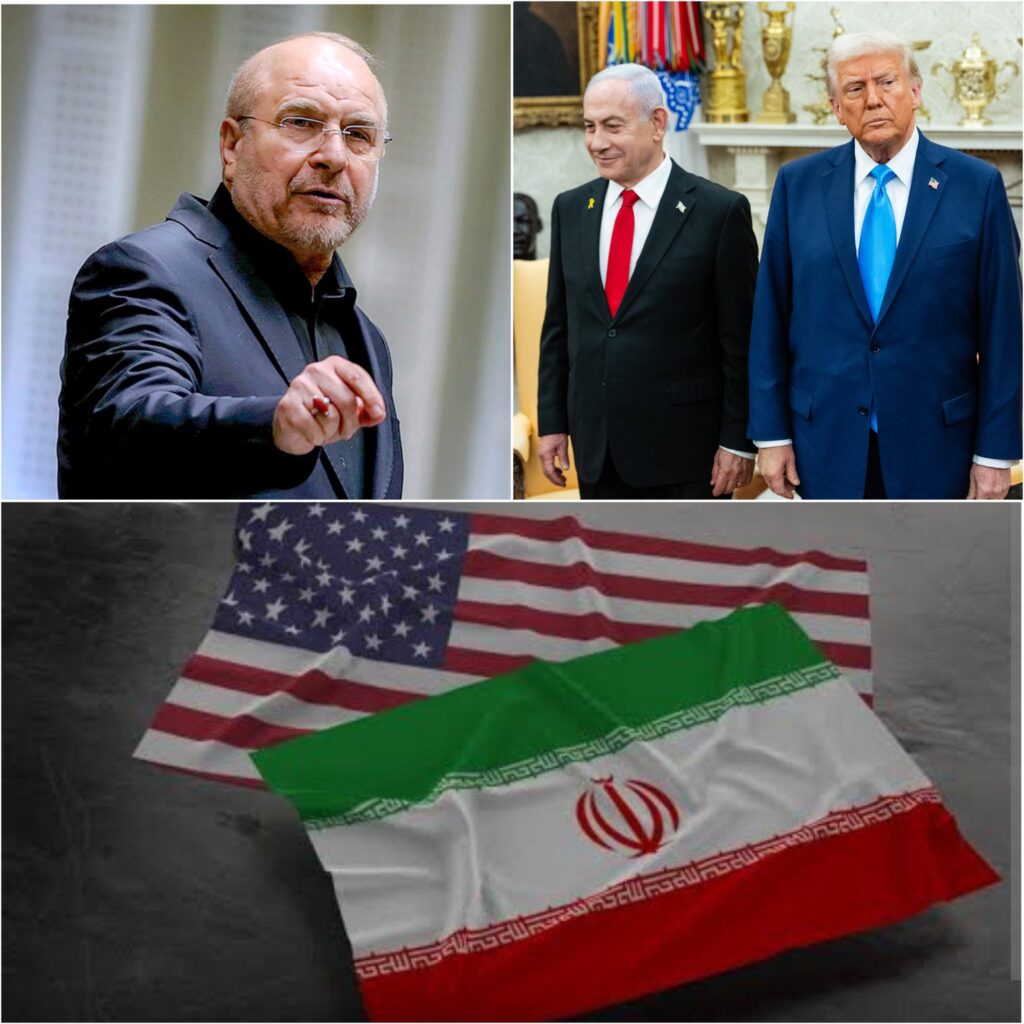
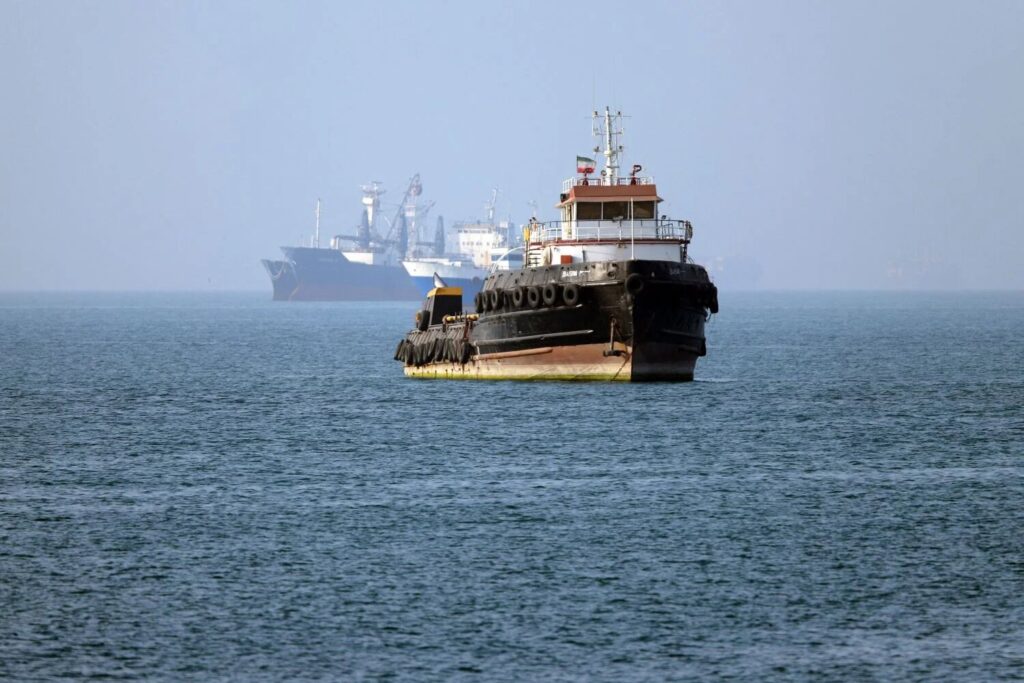
For Tehran, this was payback for what they called U.S. violations of a fragile truce, including actions against an Iranian oil tanker. Iran strikes American warships in the Strait of Hormuz, speaks about the Strength of Iran.
But the U.S. side tells a different story. Central Command (CENTCOM) reported that most of the incoming threats were shot down by ship defenses and allied support. They insisted no U.S. assets were hit. In response, American forces struck back at Iranian launch sites, command centers, and radar stations.
President Trump even emphasized that the destroyers remained undamaged and that a ceasefire was still holding in some ways. Yet many observers wondered if the full picture was being shared.
This brings us to an important point about trust in official reports. As usual, questions swirl around how much damage CENTCOM is revealing. Remember the Laundry Fire on the USS Gerald R. Ford earlier this year? What started as a small blaze in the ship’s laundry area was downplayed at first.
Officials mentioned just two sailors with minor injuries. Later reports painted a fuller picture: the fire raged for hours, possibly up to 30 hours in some accounts, displacing hundreds of sailors who lost their beds and lived amid smoke and chaos. The ship stayed operational, but the incident showed how military statements can start small and grow as facts emerge.
Battle of words or strikes in Hormuz
Now, in the Hormuz incident, similar doubts arise. Iran mocks on their hits and fires on American warships, while the U.S. says everything was intercepted perfectly. Independent verification is tough in such a remote, high-tension zone. Satellite images and shipping data might eventually tell more, but right now, each side pushes its version. This pattern of initial minimization isn’t new in conflicts. It protects morale, avoids panic in markets, and buys time for repairs or strategy shifts.
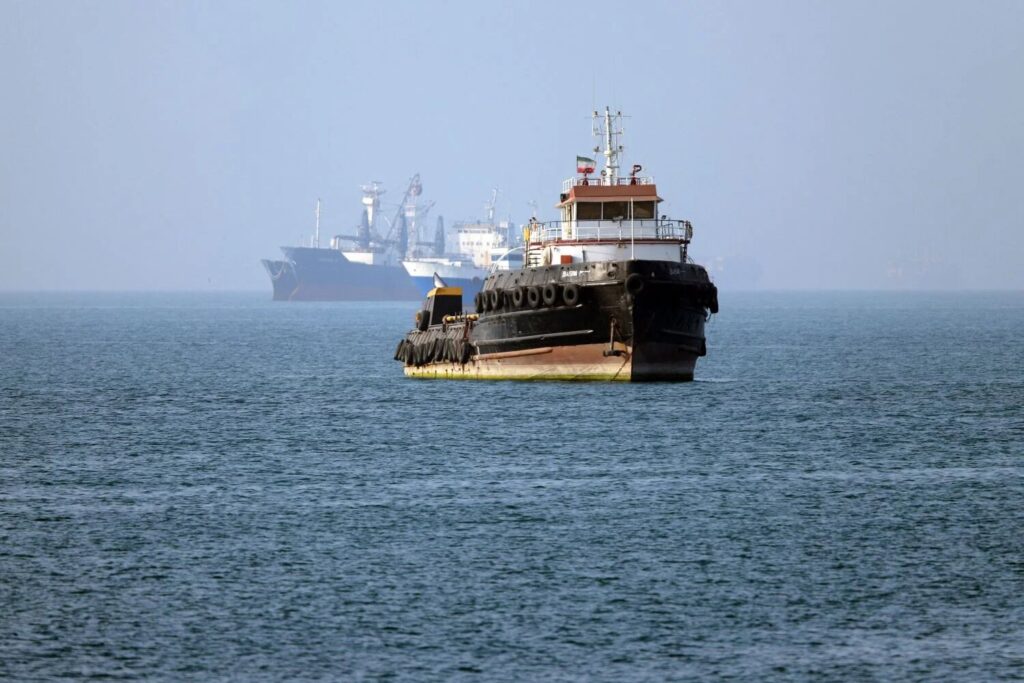
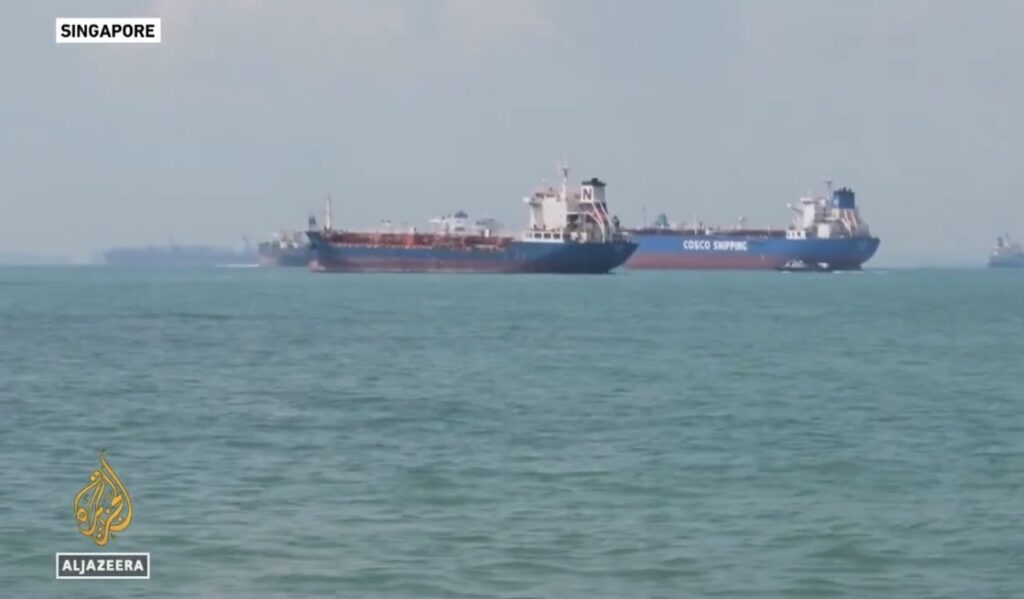
Transitioning from the immediate battle to the wider stakes, the Strait of Hormuz is no ordinary waterway. Nearly 20% of the world’s oil passes through here. Any disruption sends shockwaves to gas prices globally. Tankers already faced risks from earlier tensions, and this attack adds fresh fear. Insurance rates for ships could skyrocket, and some companies might reroute around Africa, adding weeks and huge costs to journeys.
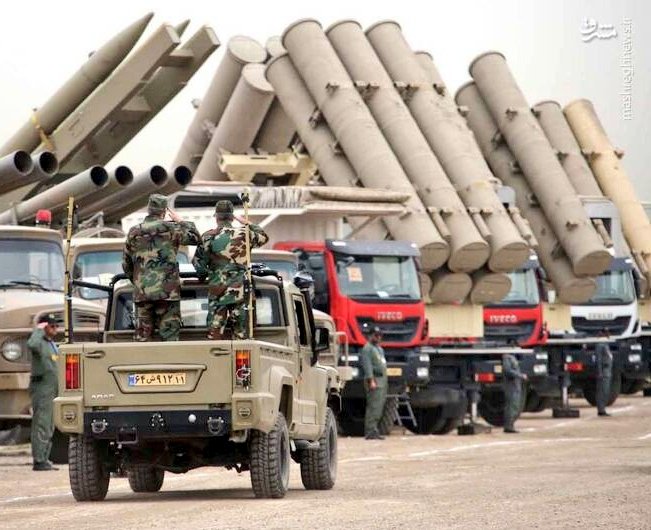
Moreover, the attack highlights Iran’s growing confidence in asymmetric warfare. They don’t match the U.S. Navy ship-for-ship, but pushing of cheap drones and precise anti-ship missiles like the Noor can challenge even advanced destroyers.
The one-way drones, often called “kamikaze” or suicide drones, are hard to stop when launched in large numbers. They force defenders to use expensive missiles against low-cost threats, a costly game for the stronger side.
The U.S. Naval Power Claims Its Strength
On the other hand, U.S. naval power remains formidable. Destroyers carry sophisticated Aegis radar systems and layers of defenses, including guns that can shred incoming drones. The quick counter-strikes on Iranian sites show America’s ability to hit back fast and hard. Yet these exchanges risk escalation. What starts with missiles in the Strait could draw in more players, proxies, allies, or even bigger powers.
As tensions grow, ordinary people feel the pressure too. Sailors on those destroyers train for moments like this, but real combat brings stress, split-second decisions, and the human cost. Families back home wait anxiously for news. Meanwhile, in Iran, state media rallies support by framing the strike as defense of sovereignty.
Looking ahead, this incident could reshape regional alliances. Gulf states might seek stronger protection, while others push for de-escalation talks. Diplomacy remains key. Backchannel efforts, perhaps involving China or European nations, may try to cool things down before oil flows are truly threatened.
Both Sides Might Disagree To What They Do
In the end, the May 8 attack in the Strait of Hormuz reminds us how quickly calm waters can turn fiery. One missile, a few drones, and sudden flames, whether fully admitted or not, change calculations overnight.
As both sides assess what really happened and what comes next, the we could wait and see if not watch the situation so closely. Transparency about damages, like learning from past incidents such as the Laundry Fire, will matter for credibility. For now, the destroyers sail on, but the ripples from this clash will spread far and wide.