

































































































































Over 2000 Ships Waiting To Cross The Strait of Hormuz
-
Khalid M Raza
- May 16, 2026
- 0
- 6 min read

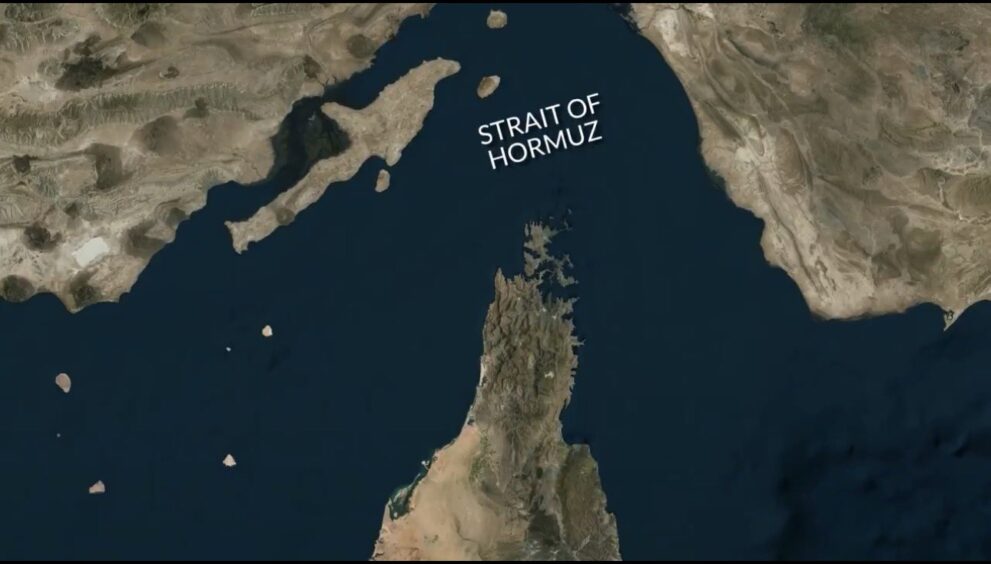
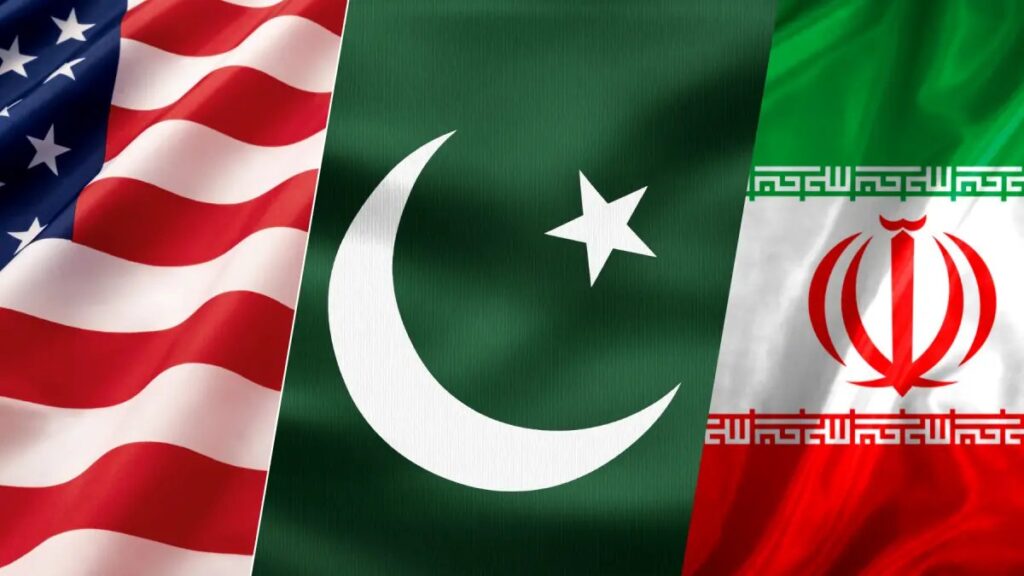
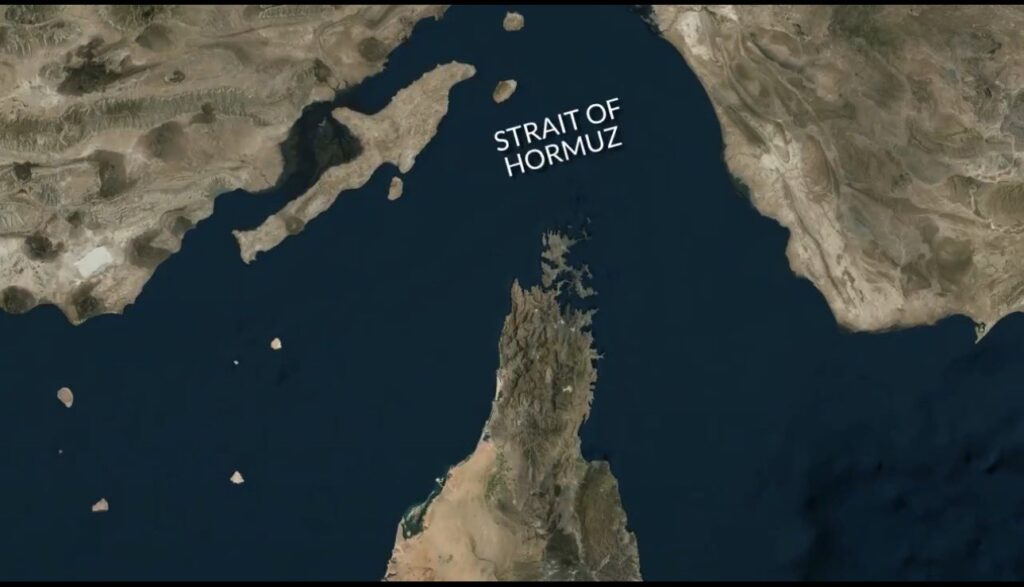
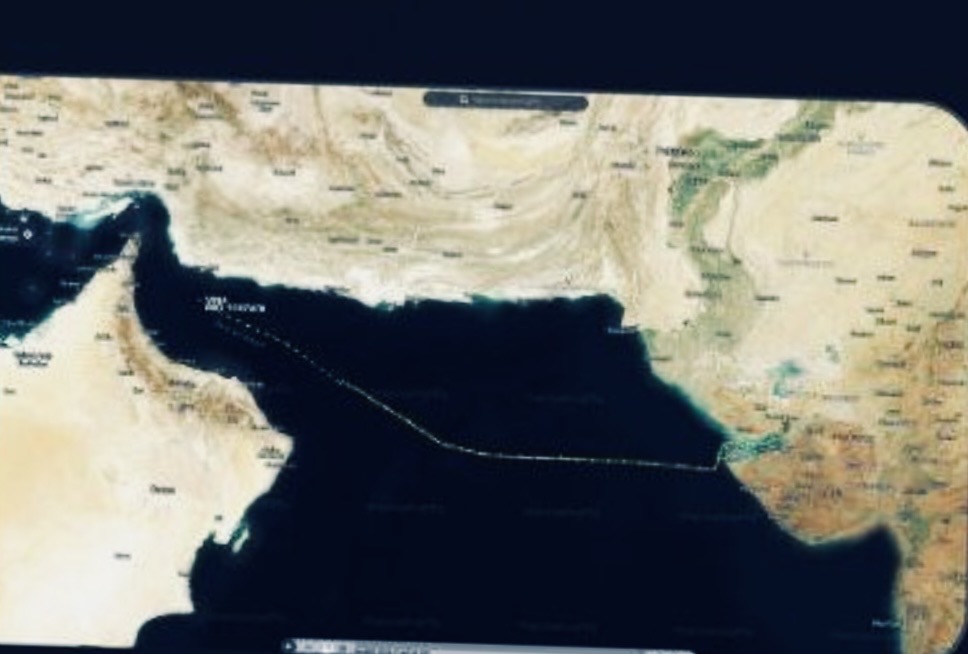
With every passing day, Iran’s grip over the Strait of Hormuz is becoming stronger. Right now, over 2000 ships waiting for Iran’s approval to cross the Strait, while it remains completely closed for the US, Israel, and their allies. The Strait of Hormuz is a narrow waterway between Iran and Oman. It connects the Persian Gulf to the Arabian Sea. This small passage is one of the most important places in the world for oil and gas trade.
About one-fifth of the world’s oil and a large part of natural gas pass through the Strait every day in normal times. Many countries depend on the passage for energy.
When problems happen here
In early 2026, when the conflict started between the US, Israel, and Iran, the situation changed so fast. Iran closed or tightly controlled the Strait. It says it did this to protect itself and to push back against attacks. As days pass, Iran’s control over the Strait becoming stronger. Its navy, Revolutionary Guard boats, drones, and mines make it hard for ships to move freely.
Iran decides who can pass & who cannot
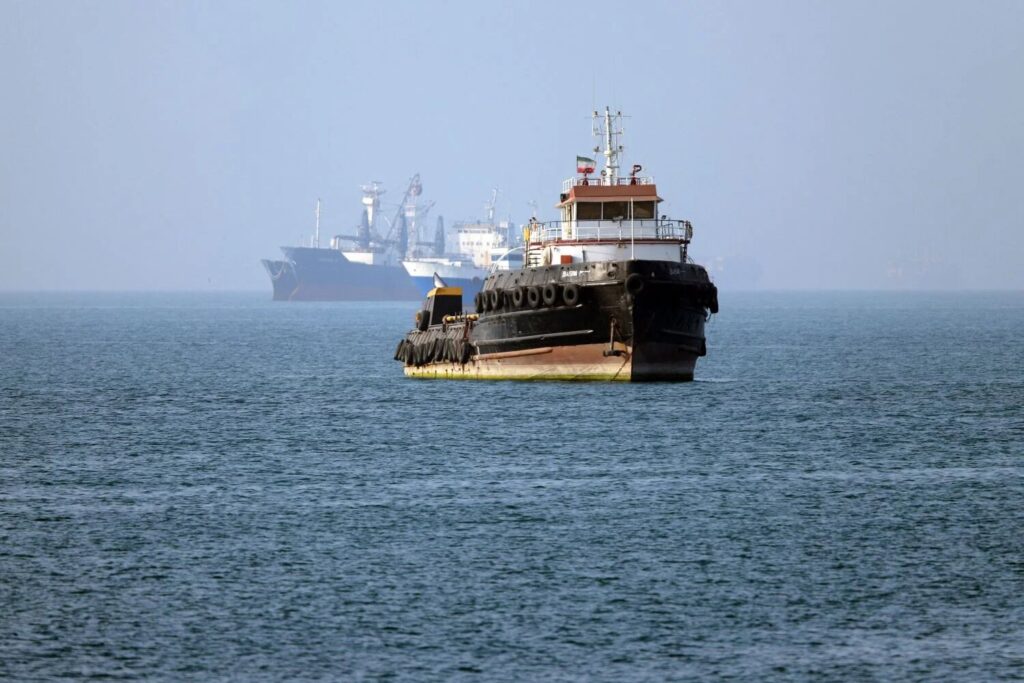
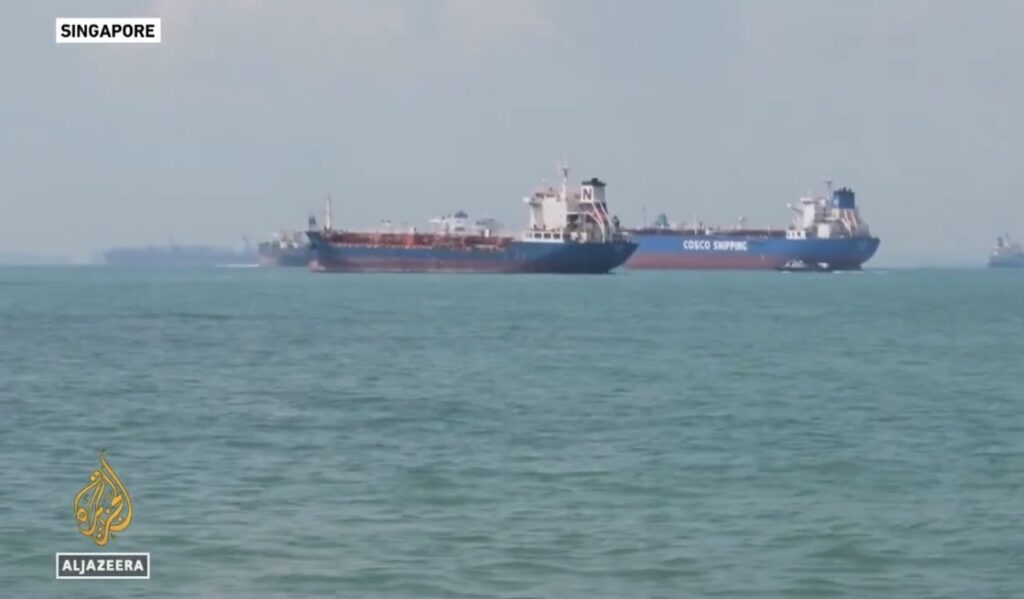
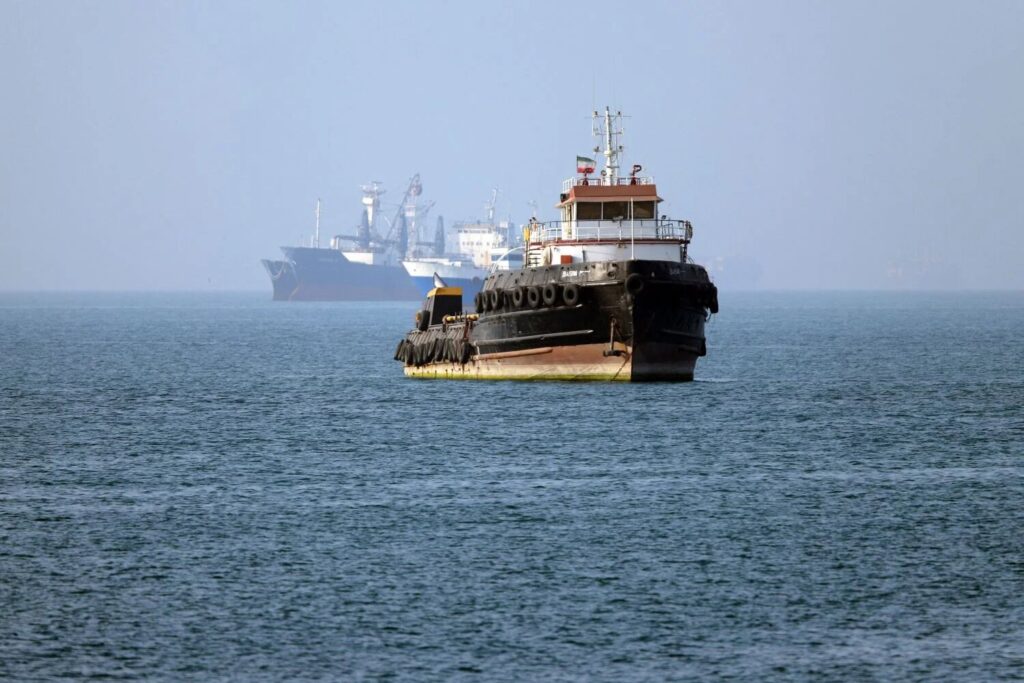
Right now, over 2000 ships waiting and are stuck in the Persian Gulf. These include oil tankers, cargo ships, and even cruise liners. About 20000 sailors are waiting on these ships. Many have been there for weeks or months. They face short food and water supplies, mental stress, and danger. The International Maritime Organization calls this situation very serious and almost unseen since World War II.
Iran allows some ships from “friendly” countries like China, India, Pakistan, and Turkey to pass after paying high tolls. Reports say these tolls can reach millions of dollars per ship. But for ships linked to the US, Israel, or their close allies, the Strait is closed. Iran has seized some ships and also made others to move backwards. This selective control shows Iran’s growing power over the route.
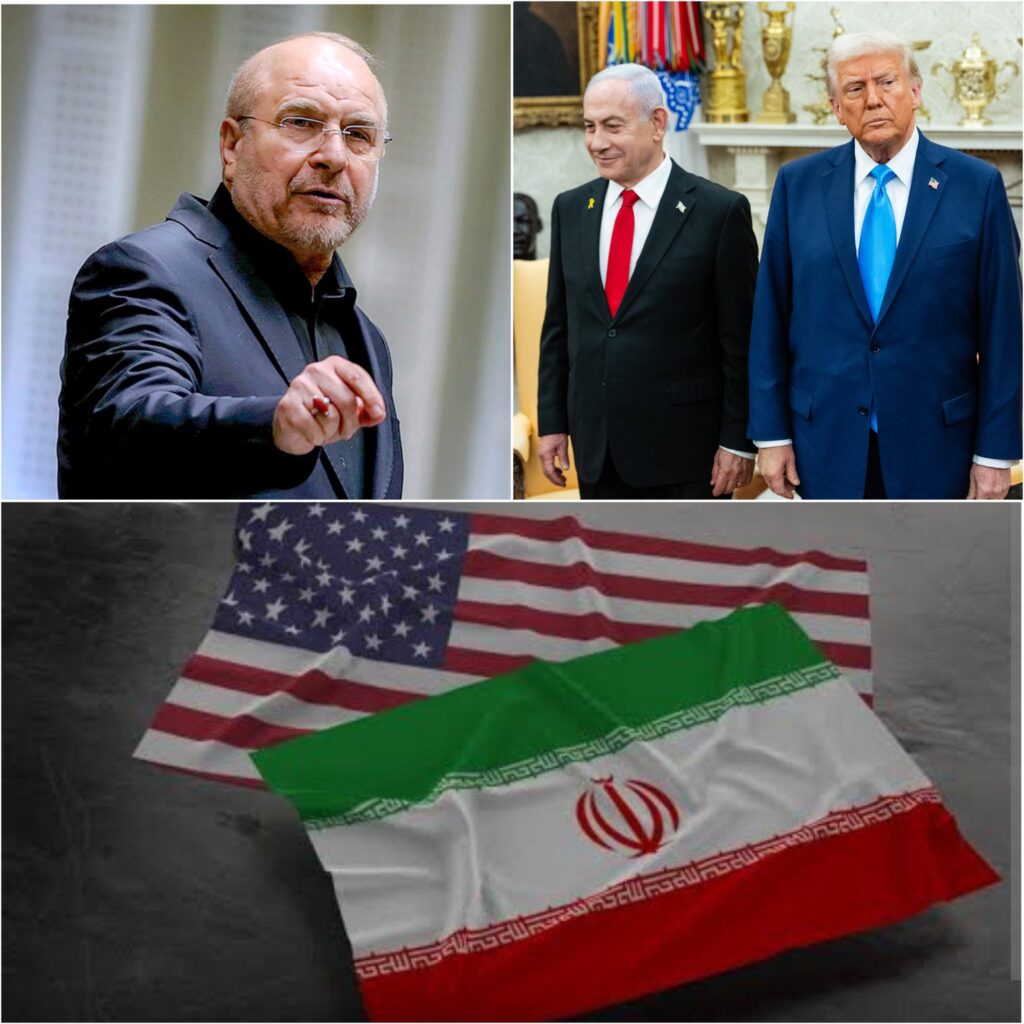
The United States put its own naval blockade on Iranian ports. US forces stop ships going to or from Iran. This creates a double problem, and this is questionable that Iran’s restrictions on one side and America’s on the other. Over 2000 ships waiting and caught in the middle. Traffic through the Strait dropped from about 60-130 ships a day to just a few which means just only 3-5 ships move.
Why is this happening?
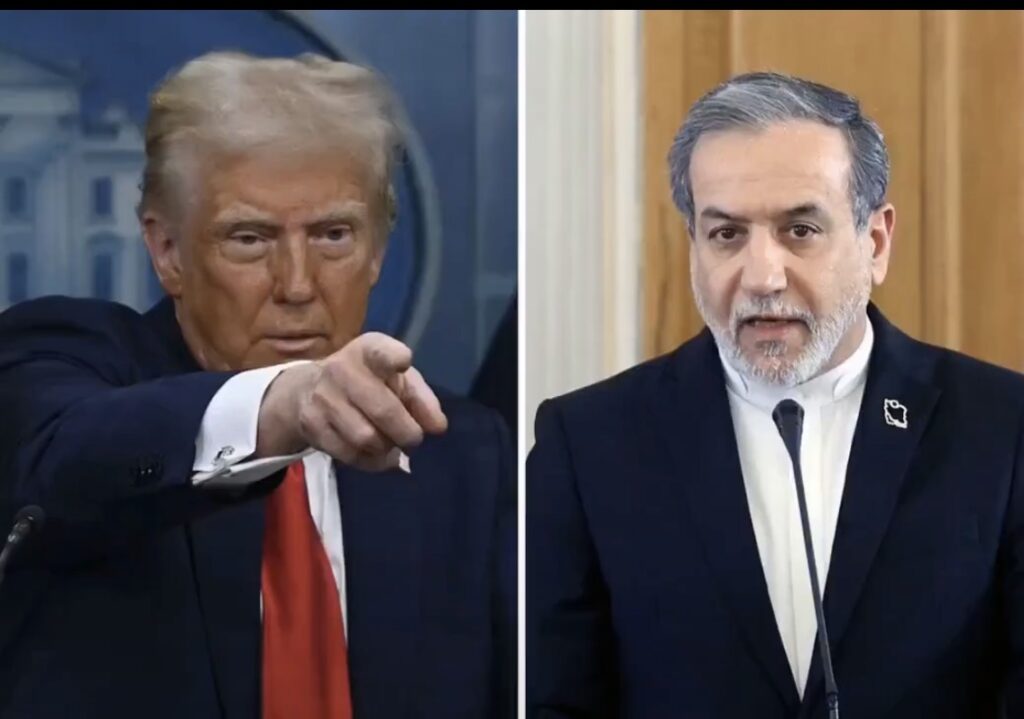
It started with military strikes in late February 2026. After that, Iran shut the Strait to most of the ship traffic. The US responded with a blockade in April. Ceasefire talks happened, but they did not fully solve the problem. Both sides blame each other. Iran wants the US to lift its blockade first. The US wants safe passage for all ships. While talks go on, but over 2000 ships waiting and oil prices are rising.
Big effects on the world
Higher oil prices hit everyone. Gasoline, diesel, and heating costs go up in many countries. Factories slow down. Transport becomes expensive. Poor countries suffer the most because they cannot afford costly fuel. Global supply chains break. Food and goods prices increase.
Shipping companies lose millions every day. Insurance costs for ships near Hormuz jumped to new heights frequently and that up and down seems to be over by now. Serious concerns for some companies who stopped sending ships there completely.
This hurts world trade
Countries in Asia that buy a lot of oil from the Middle East are worried. They look for other sources, but nothing matches the volume from the Gulf. Some try longer routes around Africa, but that costs more time and money.
Iran’s strategy as over 2000 ships waiting
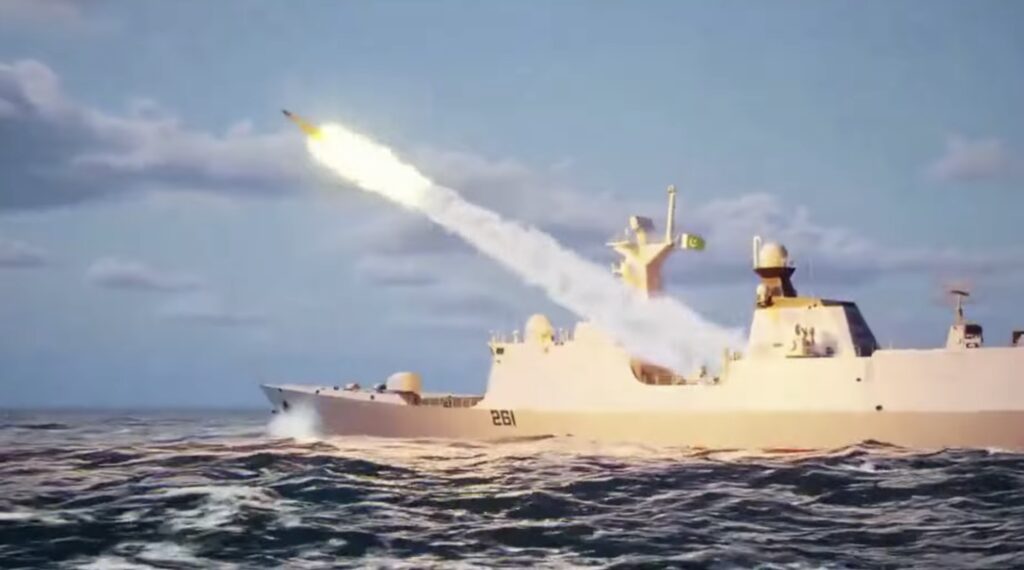
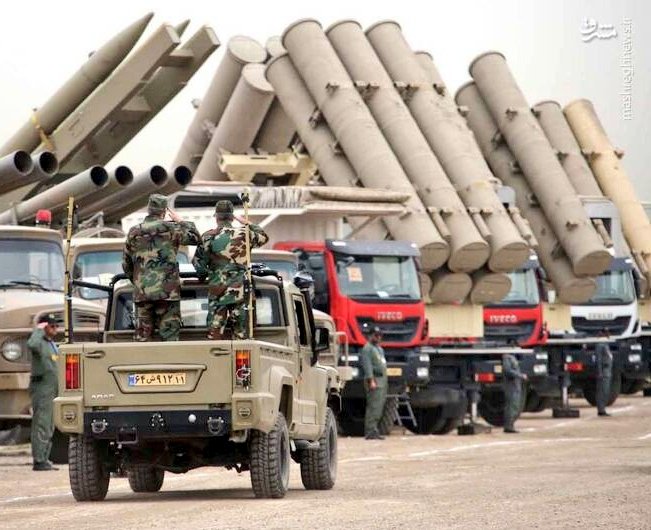
Iran uses the strait as a strong card. It has small fast boats, submarines, drones, and mines. With its big navy, these tools can disrupt traffic easily in narrow waters. By controlling who passes, Iran earns money from tolls and puts pressure on its enemies. Every day of closure makes the world pay more attention to Iran’s demands.
But this is risky for Iran too. Its own oil exports suffer. The economy gets hurt. People inside Iran face higher prices and shortages. Long closure can also bring more international anger or military action.
What can happen next?
Experts say clearing mines and making the Strait safe could take months. Even if both sides agree to open it, trust has been on a new low. Ships may still avoid the area because of fear. The US talks about guiding stranded ships, but Iran warns against it.
Tensions stay high with small clashes reported from time to time. Some hope for a deal soon. Others fear it could get worse if talks fail. Countries like Saudi Arabia, UAE, and Oman try to help by supplying the stuck ships with food and fuel.
Why the Strait matters so much
The Strait of Hormuz is only about 21 miles wide at its narrowest point. Big tankers must pass close to Iran. This makes it easy for Iran to control. No other route can replace it in quick time. Pipelines on land carry only a small part of the oil. Building new ones takes years and huge money.
History shows the Strait also faced problems before
In the 1980s during the Iran-Iraq War, and in 2019 with tanker attacks. But the 2026 crisis is bigger and longer. It shows how one country can affect the whole world’s energy.
Life for sailors since over 2000 ships waiting
Imagine being on a ship for months with no clear end? Sailors feel scared, bored, and homesick. Companies try to rotate crews, but it has become hard. Some face unpaid wages. Mental health problems rise. The world owes thanks to these workers who keep global trade moving, often in dangerous places.
Looking ahead
Iran’s grip grows stronger each day because no easy solution appears. World powers must balance pressure with talks. Opening the Strait fully would help lower the prices and free ship movements. But it needs real agreement, not just words.
The world is watching to know why that day February 28 is termed as one of the darkest days but it waits. Oil markets stay nervous. Families pay more at the pump. Businesses plan for higher costs. This crisis reminds us everyone and every country is so much important for peace throughout the world. A narrow Strait of Hormuz, far away can change the daily life everywhere.
The situation is complex. Both sides have reasons for their actions. But the human and economic cost rises with every passing day. Leaders must find a way to let over 2000 ships waiting, should move safely again as a first priority. The sooner the better for everyone.