

























































































































USA and China Trade War: Who Really Pays the Price?
-
Khalid M Raza
- May 14, 2026
- 0
- 5 min read

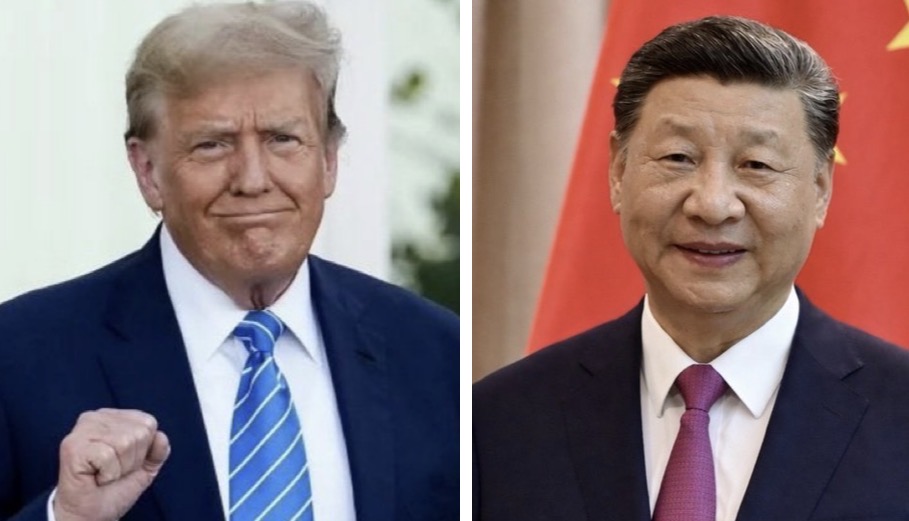
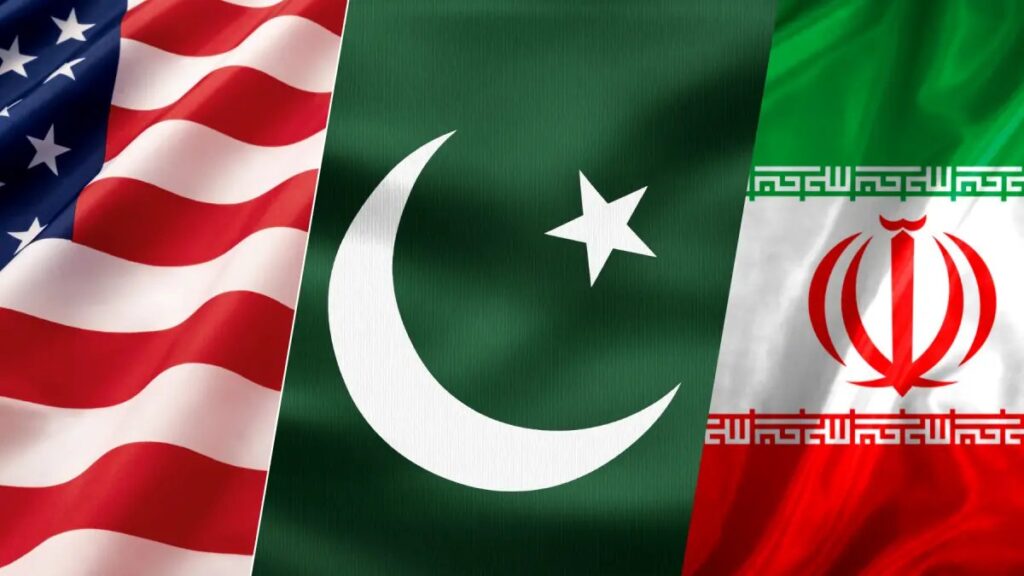
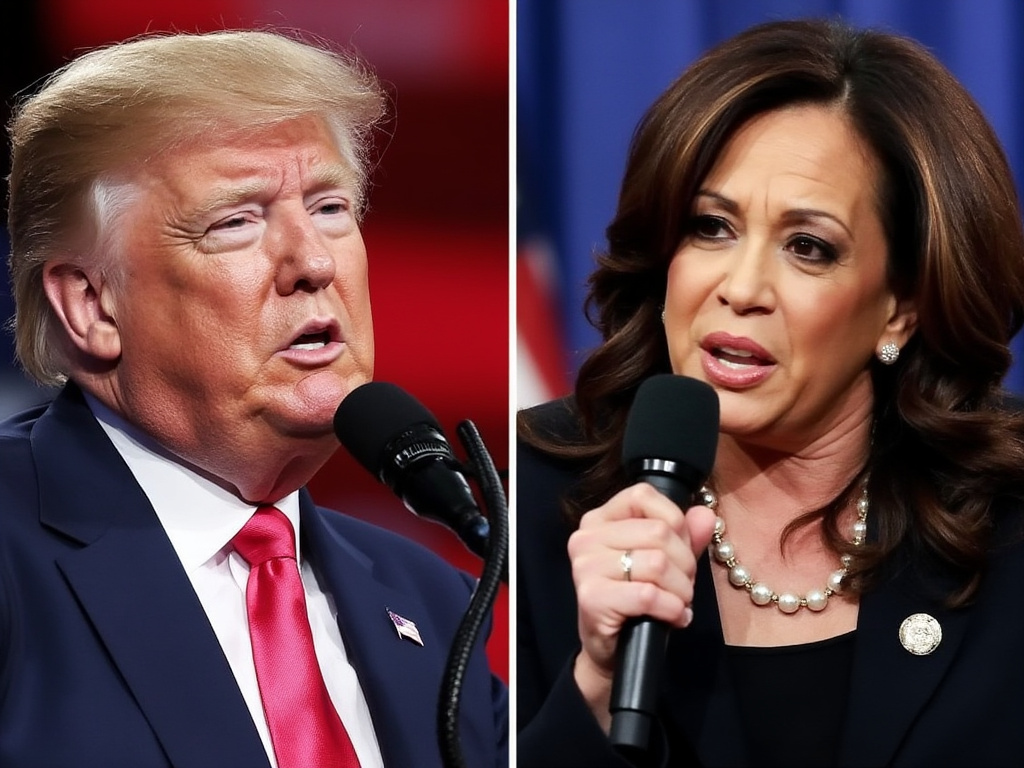
The trade war between the USA and China has heated up again. In 2025, the US put high tariffs on goods from China, sometimes as much as 145%. China hit back with its own taxes on American products. This fight is about big goals like technology, jobs, and power. But for ordinary families, it means higher prices at the store and worry about jobs. The rich and big companies often find ways to protect themselves.
Everyday people feel the pain the most
Tariffs are extra taxes on imported goods. When a US company buys something from China, it pays the tariff to the US government. Many companies then raise prices to cover the extra cost. Studies show that American consumers and businesses pay almost all of this cost, not China. In past rounds of tariffs, prices for clothes, electronics, toys, and furniture went up.
One report said an iPhone could cost hundreds of dollars more. A child’s car seat might jump from $60 to over $180. Think about a normal family in America. They shop at Walmart, Target, or Amazon for daily needs. Many of these items come from China or use parts made in China. When tariffs rise, the cost of a new pair of shoes, a toaster, or school clothes goes up.
Families already struggling with bills now to pay more for the same. This is like a hidden tax on ordinary people. Economists say tariffs added 0.3% to 0.5% or more to inflation. For low-income families, this hurts a lot because they spend most of their money on basics.
Prices are not the only problem. Jobs are disappearing or becoming less secure. Factories that use Chinese parts face higher costs. Some car makers had to slow down or shut lines when supplies of magnets and chips got tight. Supply chain problems hit auto workers, truck drivers, and retail staff.
While some US factories might gain from less Chinese competition, overall job losses often win out. Estimates from 2025 tariffs suggest hundreds of thousands fewer jobs, with unemployment rising. Retail and service jobs suffer when people spend less.
Farmers feel it too
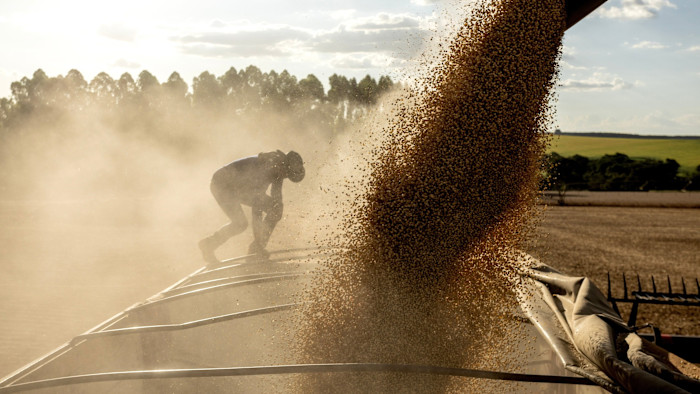
China buys a lot of US soybeans, corn, and other crops. When China puts retaliatory tariffs, exports drop. Many farmers lose big markets. The government sometimes gives aid, but it does not always cover the losses. Small farms close or struggle. This affects whole towns that depend on agriculture.
Who really benefits?
Big companies and billionaires often shift production to Vietnam, Mexico, or India to avoid tariffs. They have money to wait out problems or pass costs slowly. Some retailers stock up early and raise prices more than needed, making extra profit. Meanwhile, small businesses and families have no such options. They cannot easily move factories overseas.
The trade war between USA and China also hits in many other ways. Higher costs for businesses mean less money for raises or new hires. Uncertainty makes companies slow down investments. This slows the whole economy. GDP growth drops by about 1% in some models. Real wages fall as prices rise faster than paychecks.
USA and China feel pain too
For young families, it is harder to buy a home, a car, or save for college when everything costs more.
USA and China feel pain too. Factories lose orders, and millions of jobs are at risk in export sectors. But China is pushing to sell more to other countries and build its own tech. The US wants to bring jobs home and protect key industries like semiconductors. Yet moving factories back to America takes years and costs a lot. Many goods stay expensive in the meantime.
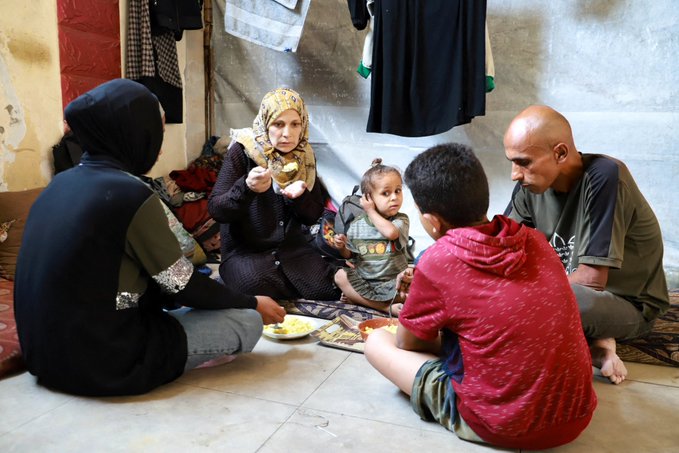
Ordinary Americans pay through their wallets every day. A mother buying groceries sees higher prices for packaged food with imported ingredients. A father fixing his truck pays more for parts. These small hits add up. One study put the extra cost per household at thousands of dollars a year. Poor and middle-class families bear most of this burden because they buy more imported consumer goods and have less savings.
Billionaires and big tech or finance leaders often support or oppose the war based on their business interests. They can lobby for changes or move money around the world. Ordinary workers do not have that power. They simply face higher bills and job fears.
Is the trade war all bad?
Supporters say it protects US industries and forces for fair trade. Over time, it might bring some manufacturing back and reduce dependence on China. But studies from the first trade war showed more pain than gain for the US overall. Net losses reached billions, with consumers and workers paying. The 2025 escalation repeats this pattern on a bigger scale.
Global effects matter too
Other countries like Vietnam gain from new factories, but the world economy slows. Supply chains become less efficient. Everyone ends up with costlier goods.
What can help ordinary families?
Clear rules and long-term planning instead of sudden tariff jumps would reduce uncertainty. Helping workers learn new skills for growing industries is the key. Support for small businesses and targeted aid for affected sectors could ease the pain. But quick fixes are hard in a deep rivalry.
In the end, trade wars are not free. The money from tariffs goes to the government, but the higher prices and lost opportunities come from families’ pockets.
Billionaires rarely feel the daily squeeze of rising costs or sudden layoffs. Ordinary people do. As the USA and China keep fighting, it is important to remember who carries the heaviest load. The working families trying to make their two ends meet. Prices keep rising. Jobs stay uncertain. The real price of this war falls on Main Street, not Wall Street.