



































































































































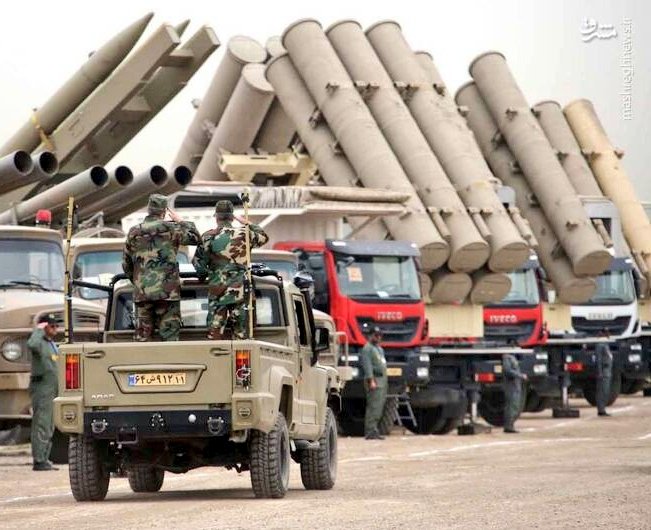






Strait of Hormuz Closure affecting Africa to begin with
-
Khalid M Raza
- May 10, 2026
- 0
- 5 min read

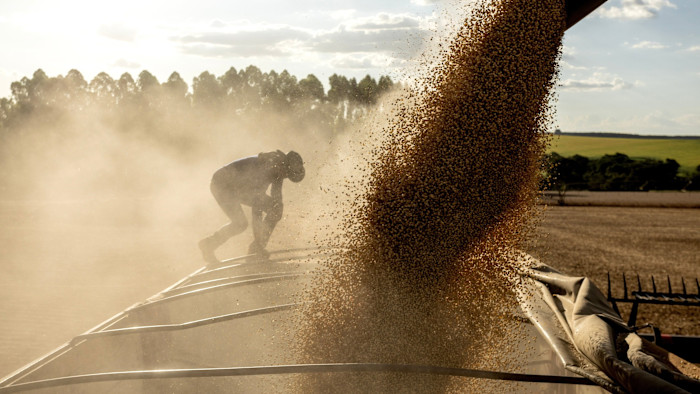
The Strait of Hormuz Closure amid US War on Iran driving up costs for farmers and beyond this in about two weeks the global recession would be too much to bear with.
The Strait of Hormuz closure amid the US war on Iran is disrupting food security across not just Africa by driving up fuel and fertilizer prices. The situation is hitting hard to millions of people who depend on farming for their living across severely affected regions, which come under the Strait of Hormuz closure.
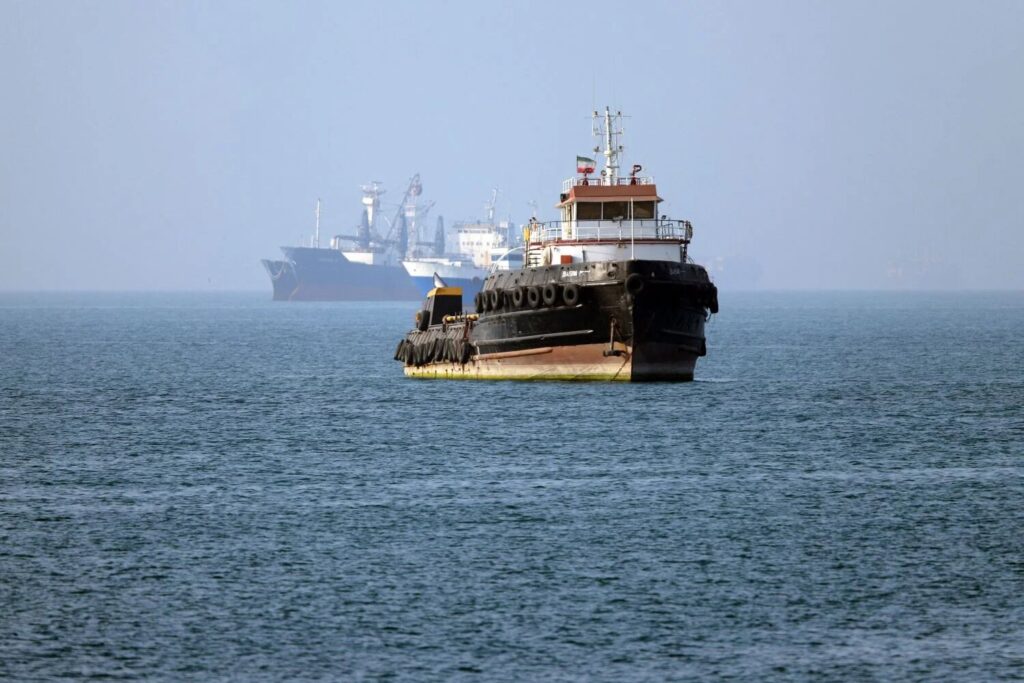
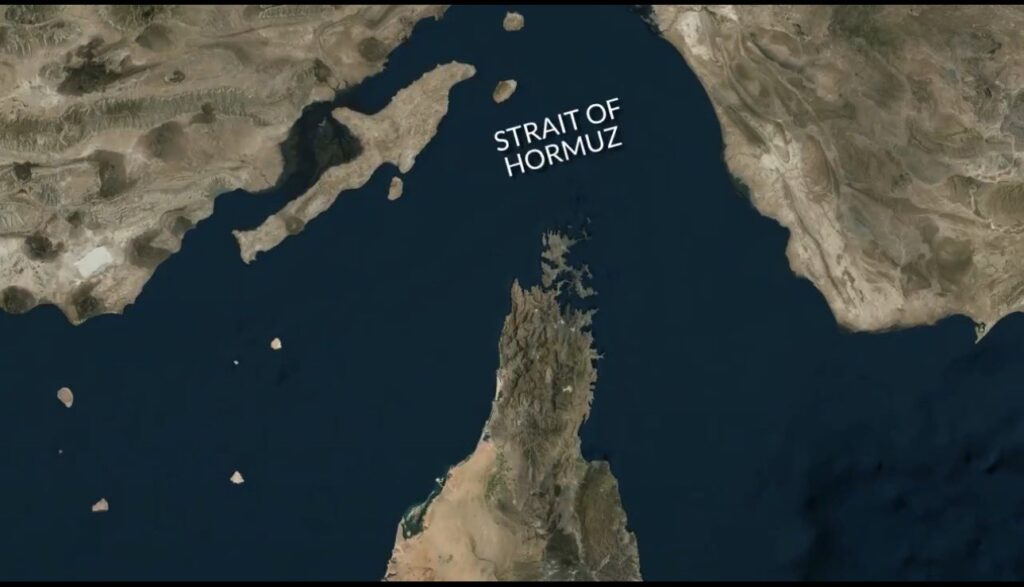
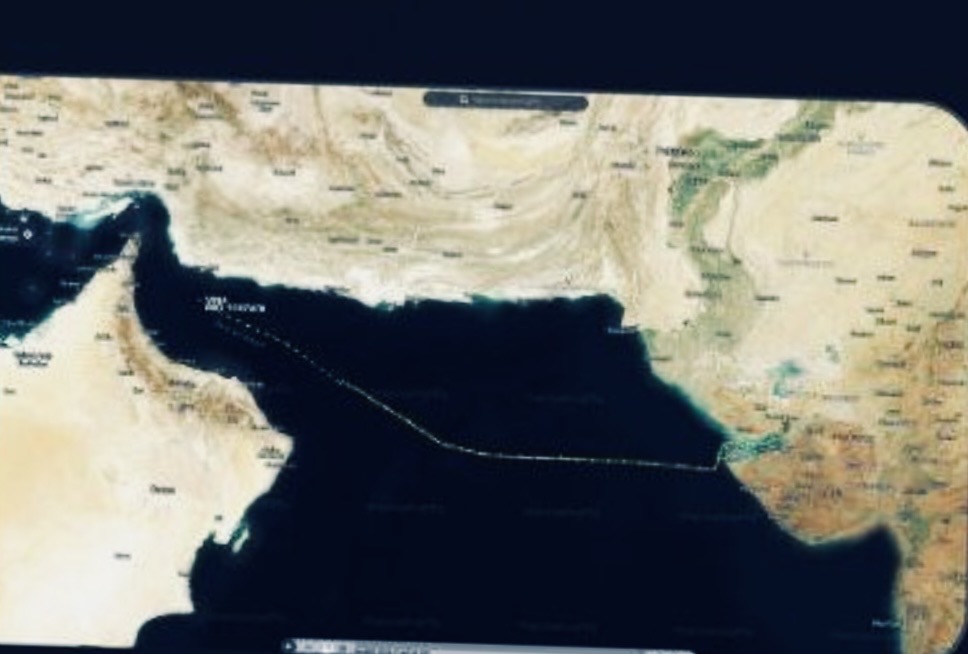
The Strait of Hormuz closure needs to be reopened as soon as possible as it is one of the world’s most crucial oil routes. Everyday, about one-fifth of the world’s oil passes through it. Many ships also carry natural gas and fertilizers from the Gulf region.
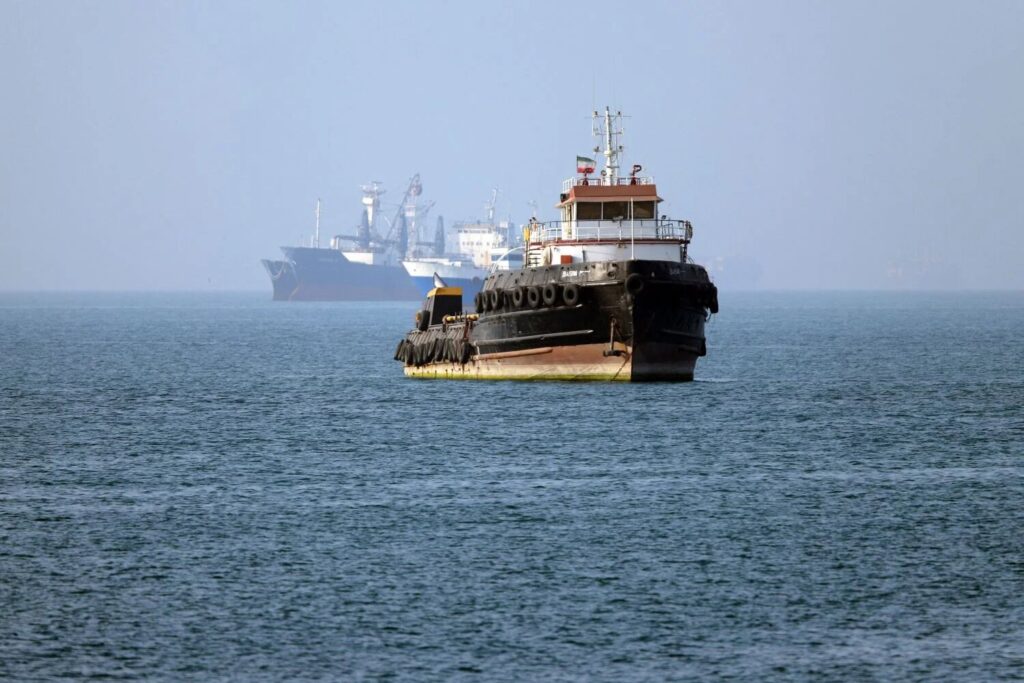
When Iran closed the strait in response to US and Israeli actions, global shipping slowed down or stopped in many cases. Oil tankers could not move freely, and supply chains broke.
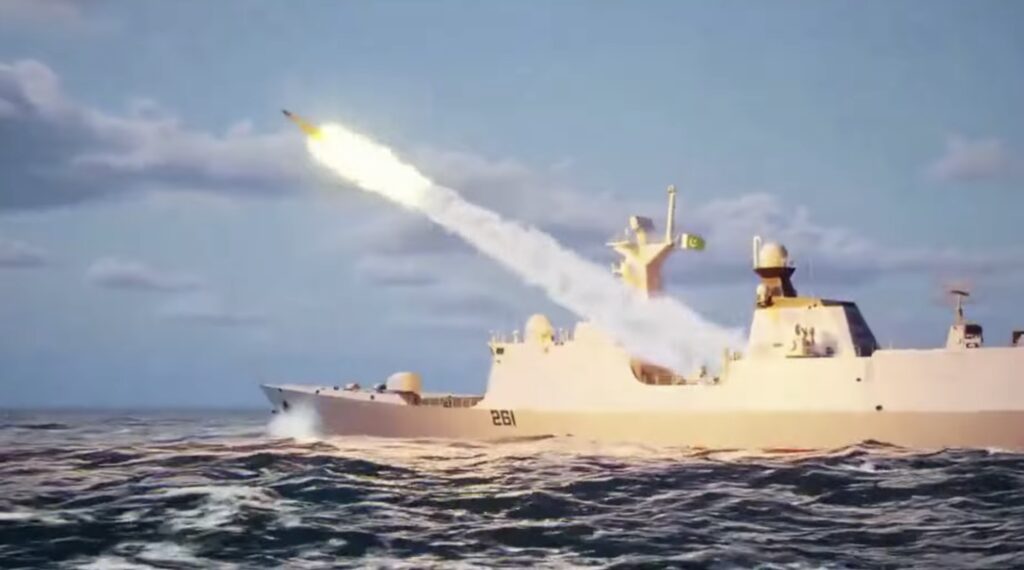
The Strait of Hormuz closure started earlier in 2026 during the conflict. Iran said it would keep the Strait closed until the US lifted its blockade on Iranian ports. Ships faced attacks and warnings. As a result, oil prices jumped quickly. Brent crude rose sharply, sometimes over $100 per barrel. Higher oil prices mean higher costs for everything that needs fuel to move or produce.
Strait of Hormuz Closure Affecting Africa
Africa at present feel this pain strongly because many African countries import fuel and fertilizers. Farmers use diesel for tractors, trucks, and irrigation pumps. When diesel prices rise, the cost of growing and moving food goes up. In countries like Kenya, Ethiopia, Tanzania, and Zambia, this is already causing problems. Governments are trying to help with subsidies, but money is limited.
Fertilizer prices have increased even more. The Gulf area produces a lot of nitrogen fertilizers like urea. Nearly one-third of global seaborne fertilizer exports used to pass through the Hormuz Strait. With the Strait of Hormuz closure, supplies tightened. Prices for urea have surged by up to 60% in some reports. African farmers need these fertilizers to grow maize, wheat, rice, and other crops. Without enough cheap fertilizers, crop yields will fall.
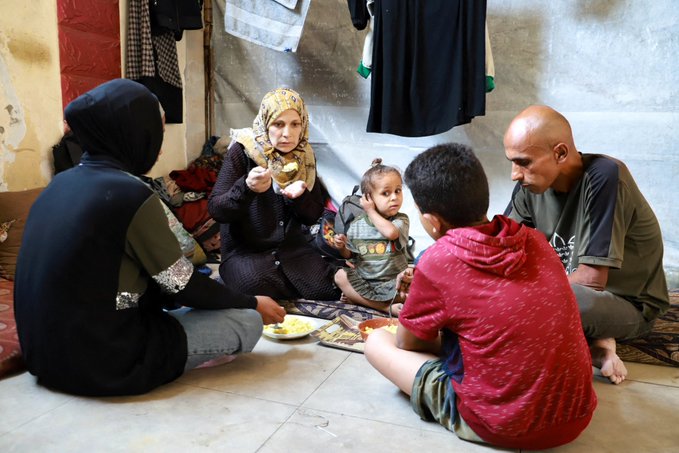
Small farmers suffer the most. In many parts of Africa, families grow food on small plots. They cannot afford expensive inputs. If they use less fertilizer, their harvests become smaller. This leads to less food in markets and higher prices for bread, maize meal, and vegetables. Families already struggling with high living costs will face hunger risks.
East & West Africa Issue
Take East Africa as first example. Countries there import most of their fertilizers. Higher transport costs due to fuel prices make deliveries more expensive and slower. Some ports report delays. Farmers in Uganda and Kenya say they may plant less this season because costs are too high.
In West Africa, places like Nigeria and Senegal also feel the pressure. Even though Nigeria produces some oil, refined fuel and fertilizer costs still rise.
Food security experts warn this could create bigger problems. Africa already faces challenges from climate change, conflicts, and population growth. A drop in local food production means more imports. But global food prices are also rising because of the same disruptions. Poor families spend a large part of their income on food.
When prices go up, children may eat less or skip meals. Malnutrition could increase. Governments across Africa are taking cautious steps. Some released food reserves. Others gave fuel subsidies to keep transport costs down. But these measures cost money and cannot last forever. Many African nations carry high debt. They have less room to borrow or spend.
International groups like the UN and IMF are watching closely. They say stronger regional trade could help in the long run, but short-term pain is real.
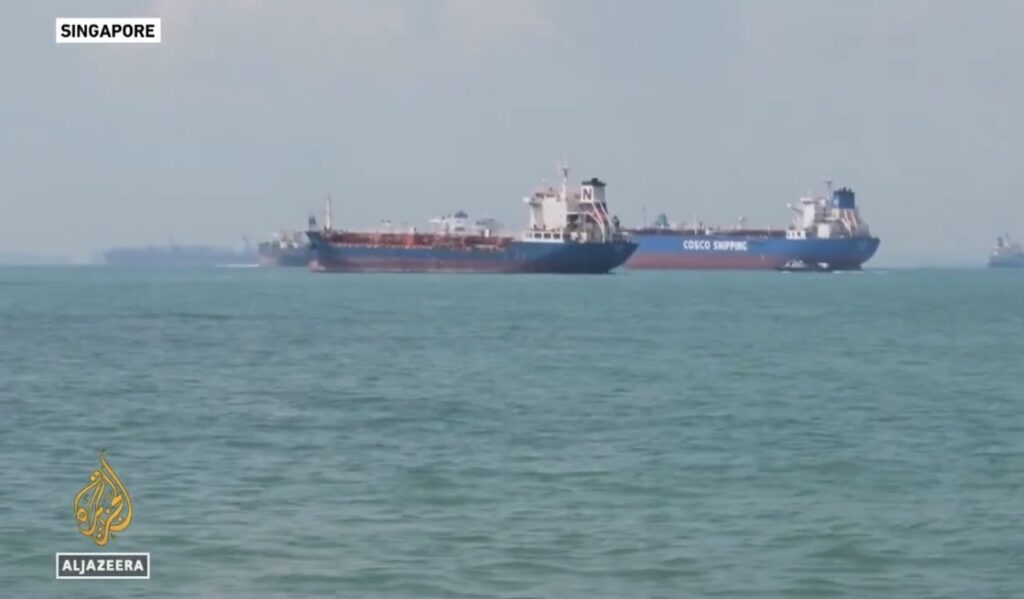
The war between the US and Iran did not start in Africa, but its effects travel that far. Oil and fertilizers are global goods. What then would happen when the Strait of Hormuz closure due to arrogance by the ones who started the wars affecting distant farmers to pay the price? Shipping companies now take longer routes around Africa, adding time and cost. Insurance for ships has become more expensive because of risks in the region.
African leaders have called for peace
The African leaders have called for peace and open sea routes. They say stable oil flows are important for development. Some countries are looking for new suppliers, but options are limited and often more costly. Local fertilizer production could help in future, but building factories takes time and investment.
For now, the situation remains tense. Reports from Tasnim News Agency and others show the Strait is still under heavy control. Any small incident could make things worse. Farmers in Africa hope for a quick end to the conflict so that prices can come down and normal trade can return.
This crisis shows how connected our world is. Events in the Middle East affect daily life in African villages. Higher costs for fuel and fertilizer mean harder work and less income for farmers. Food security for millions is at risk.
Without quick solutions, hunger and poverty could rise in many countries. Simple actions like better storage of harvests and support for small farmers can help reduce risks. But the main need is peace and open shipping lanes. Until then, African farmers and their families will continue to bear heavy burden of distant wars. And then there will be a global problem for sure in the coming months if not weeks.