

































































































































Iran has made the Strait of Hormuz risky to pass through without toll payments
-
Khalid M Raza
- May 21, 2026
- 0
- 6 min read

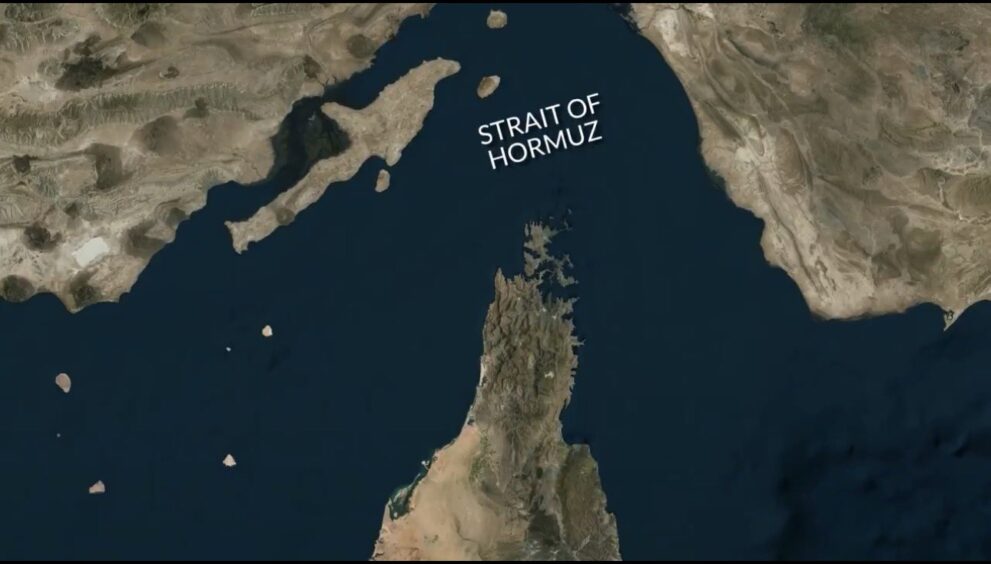
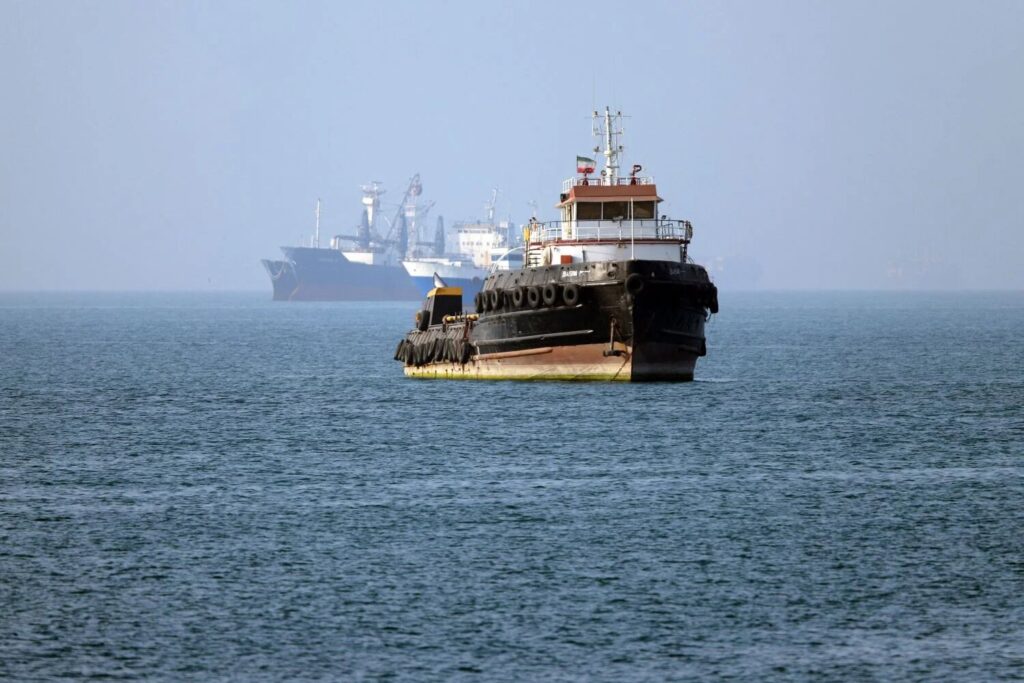
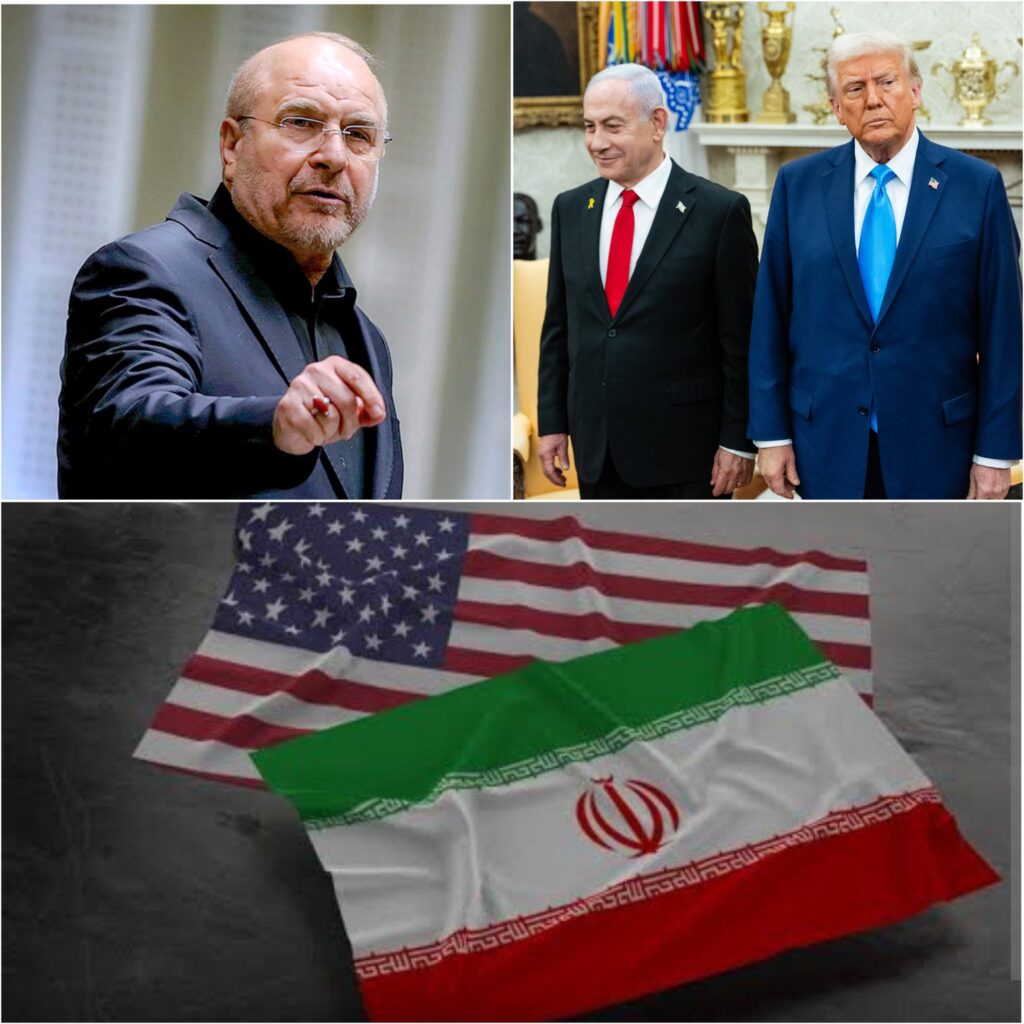
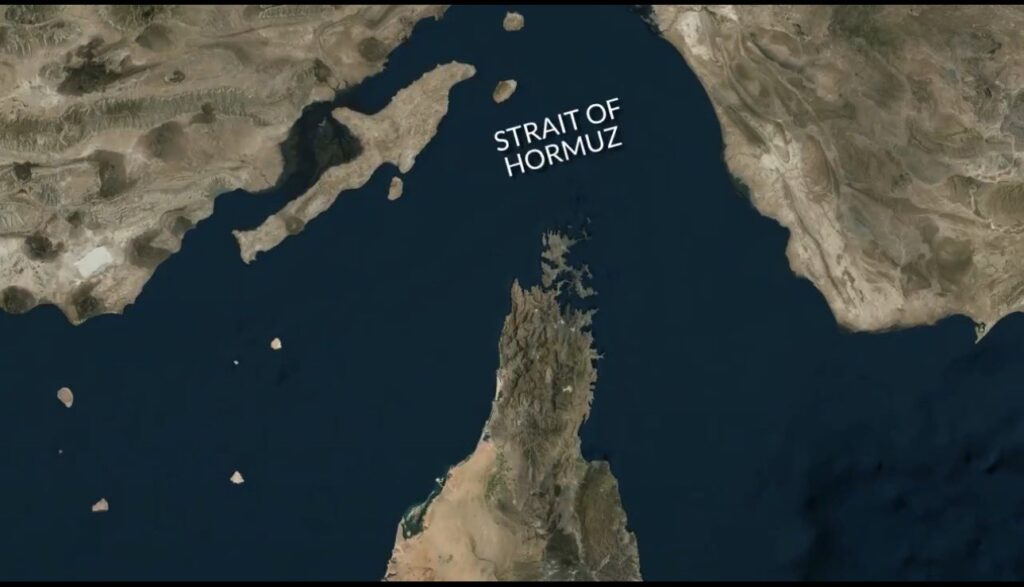
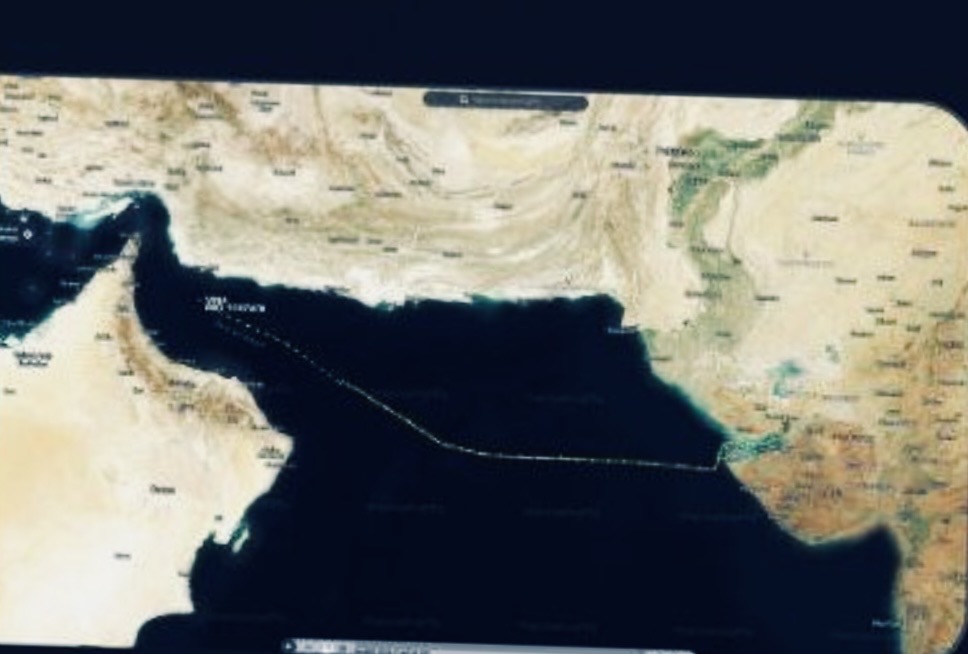
Iran has made the Strait of Hormuz risky to pass through without toll payments. By using military power to control traffic in this vital waterway, Iran has made total control over the Strait. The Strait of Hormuz is a narrow sea passage between Iran and Oman. It connects the Persian Gulf to the Gulf of Oman and the open Indian Ocean.
Why the Strait of Hormuz Matters
The Strait of Hormuz is one of the world’s most important shipping routes. Before the 2026 conflicts, about 20-21 million barrels of oil passed through it every day. This is roughly one-fifth of global oil trade. It also carries large amounts of liquefied natural gas (LNG). Major exporters like Saudi Arabia, Iraq, the UAE, Kuwait, and Iran itself rely on it. Tankers head mainly to Asia, Europe, and other markets.
The Strait is only about 21 miles (34 km) wide at its narrowest point. Ships must pass close to Iranian waters. This gives Iran a strong geographic advantage. Iran has made it not just risky but dangerous to pass through. Iran also can close the Strait in a crisis, though it has never done so fully because its own oil exports also depend on it.
Background to the Current Risks
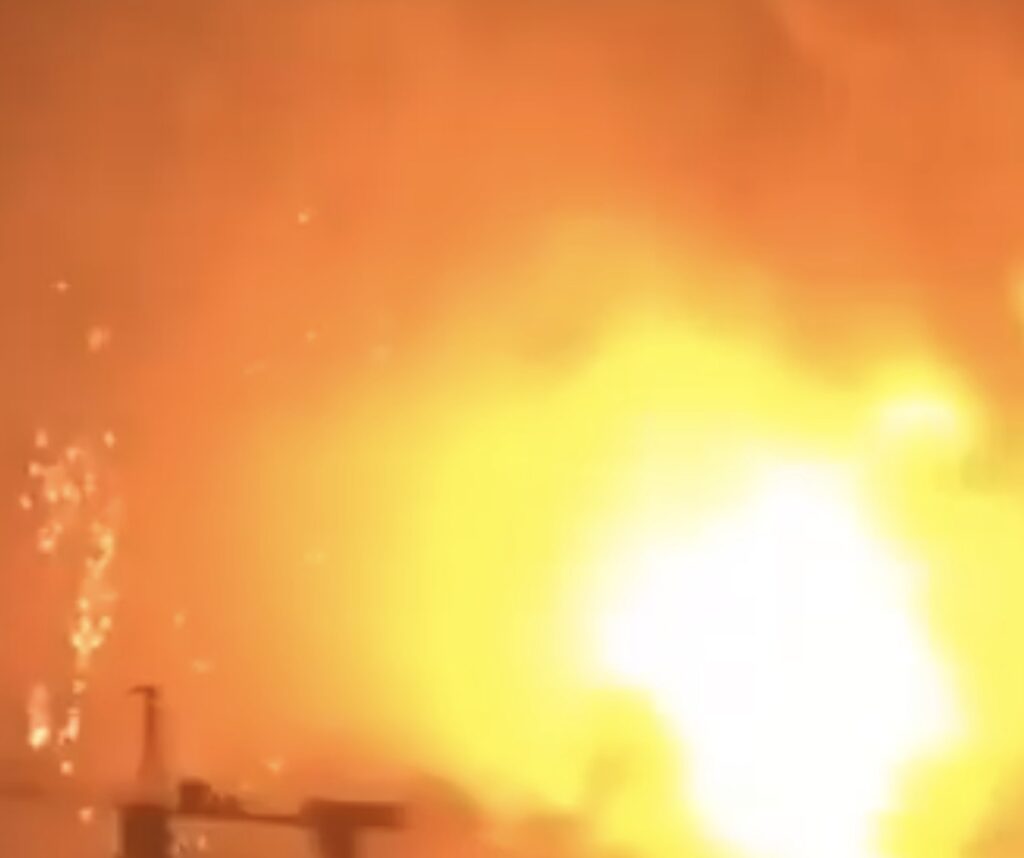
Tensions rose sharply in early 2026. The US and Israel launched military operations against Iran in late February. In response, Iran disrupted shipping starting around March 4. Iranian forces, especially the Islamic Revolutionary Guard Corps (IRGC) Navy, declared parts of the Strait risky or closed. They used drones, missiles, fast attack boats, and sea mines. Reports say at least 24 commercial vessels were hit, with some crew deaths.
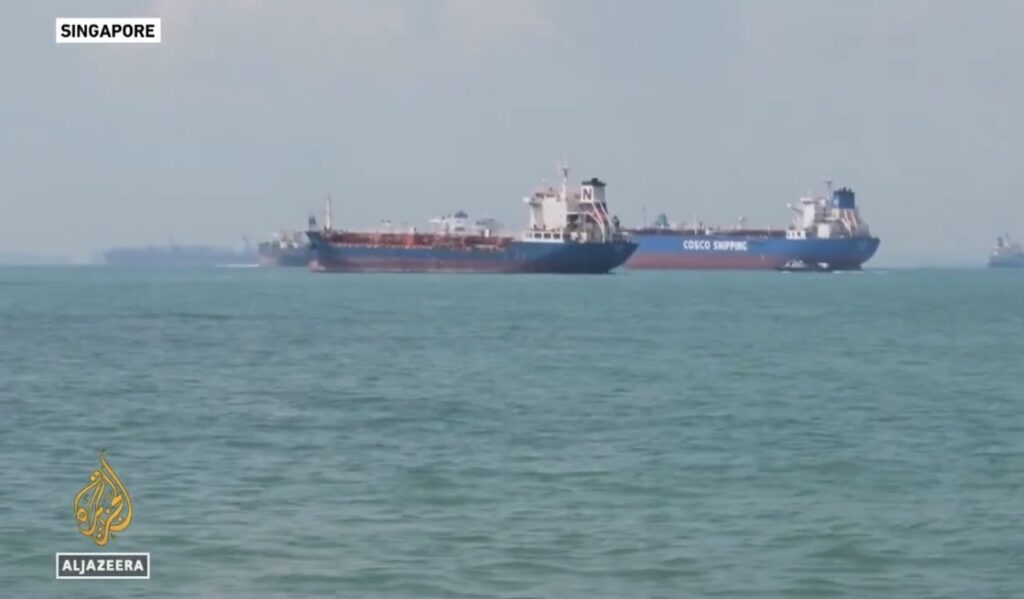
Shipping traffic dropped dramatically by over 96% in some periods. Hundreds of tankers became stuck in the Persian Gulf. Oil prices rose, hurting global economies. Insurance costs for ships in the area went up a lot. Many companies rerouted or stopped sailing in the Strait.
How Iran Has Made Passage Risky Without Payment
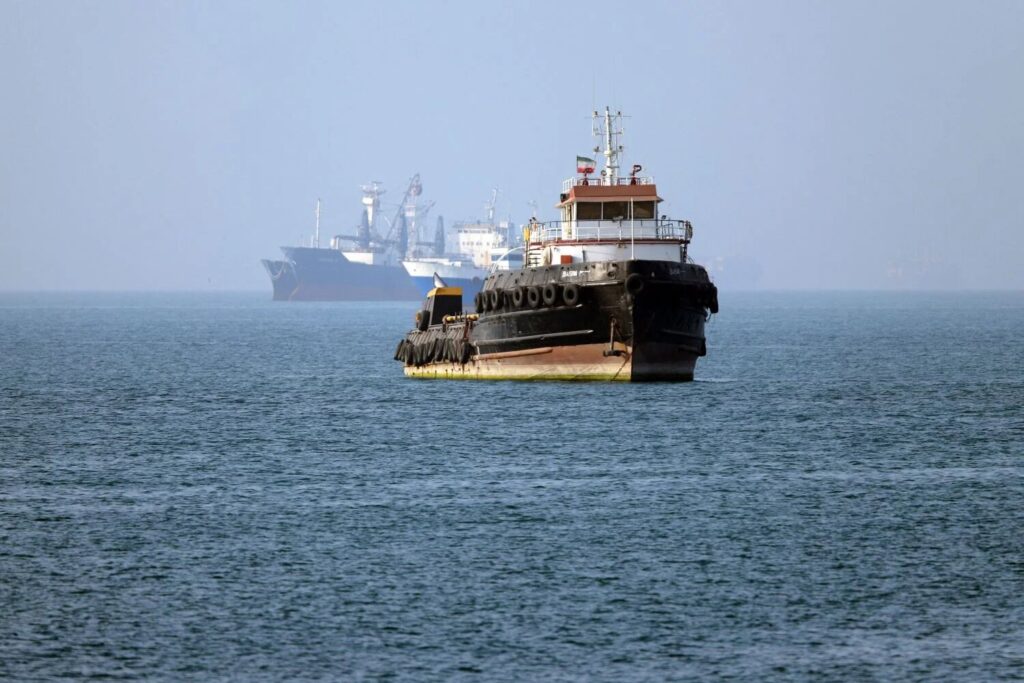
Iran did not block every ship. Instead, it created a system where ships face threats unless they cooperate. The IRGC set up what many call a “toll booth” system. Ships must contact Iranian authorities, share details about the vessel, cargo, crew, and ownership. They get a clearance code and often get an Iranian escort through a controlled and safe corridor.
Without this, ships risk attack, seizure, or being turned back. Iran has seized several vessels. It has fired on or boarded ships. Mines add hidden danger. Navigation is harder due to jamming of GPS signals.
This is not a formal international toll like in some canals. The UN’s International Maritime Organization has called any such toll a “dangerous precedent” because the Strait is an international waterway under the law of the sea. Free passage should not require payment or permission from one country.
Details of the Toll Demands
Reports say tolls can reach up to $2 million per ship. Some are charged around $1 per barrel of oil on tankers. Payments have been demanded in Chinese yuan, stablecoins, Bitcoin, or other digital assets. This helps Iran avoid US sanction tracking. At least one or two payments of around $2 million have been confirmed. Intermediaries linked to the IRGC handle negotiations.
Iran says these fees cover “protection” or war costs. Only ships from “non-enemy” countries may pass after approval. Ships from hostile nations face bans. Iranian officials have proposed this as part of ceasefire talks.
International Reactions
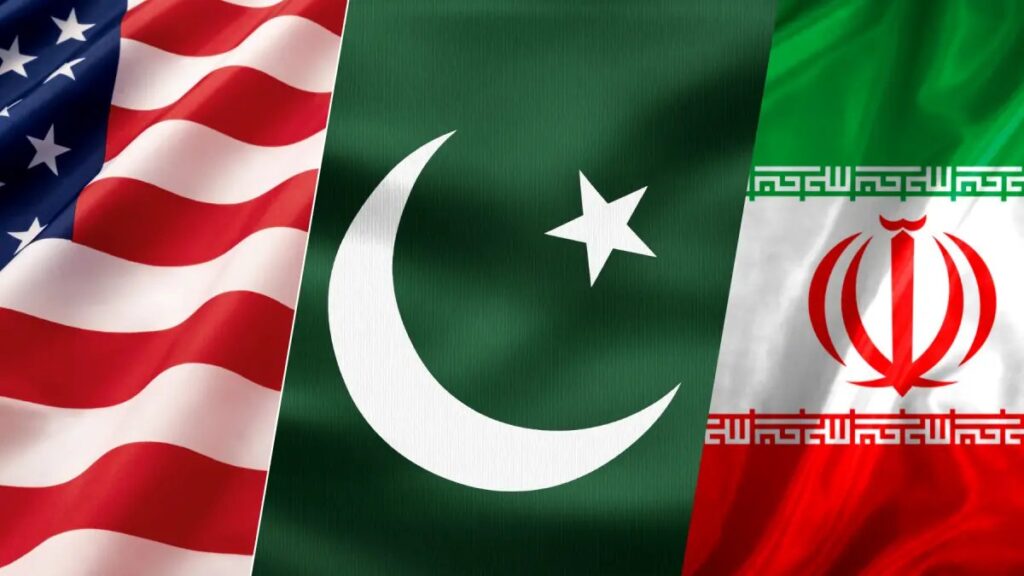
The United States strongly opposes this. In early May 2026, the US Treasury’s Office of Foreign Assets Control (OFAC) warned shippers. Paying tolls to Iran even as “charity” to groups like the Iranian Red Crescent risks US sanctions. The US says such payments support Iran and are generally prohibited.
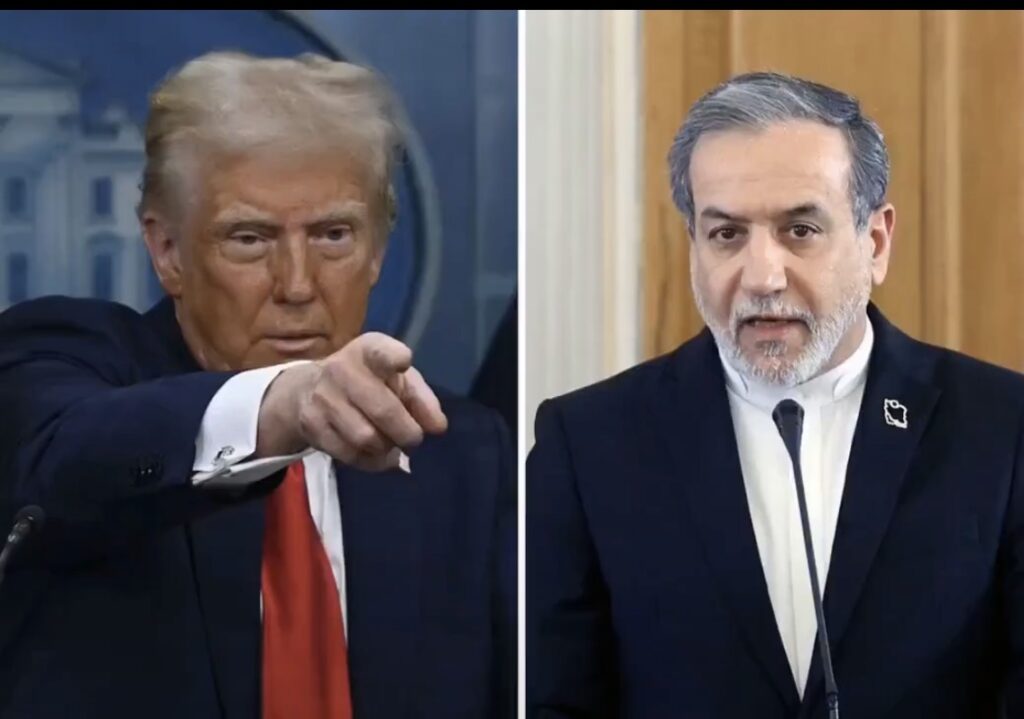
The US has enforced its own naval presence and redirected or blocked ships. It has seized some Iranian-linked vessels. President Trump and officials called Iran’s actions unacceptable and suggested joint or alternative security measures.
Many shipping companies refuse to pay due to legal and sanctions risks. This keeps traffic low and raises costs for everyone. Asia feels the biggest hit because it imports so much Gulf oil.
Impacts on Global Trade and Oil
With fewer ships passing, oil supplies tightened. Prices climbed toward $100 per barrel or more at times. Higher fuel costs affect everything from shipping goods to electricity and food prices worldwide.
Insurance premiums for Gulf routes soared. Some companies use longer, costlier routes around Africa.
Iran itself suffers. Its oil exports are hit, though it still sells some to China and others. The IRGC gains short-term revenue from tolls and control, but long-term isolation grows.
Iran’s Capabilities & Strategy
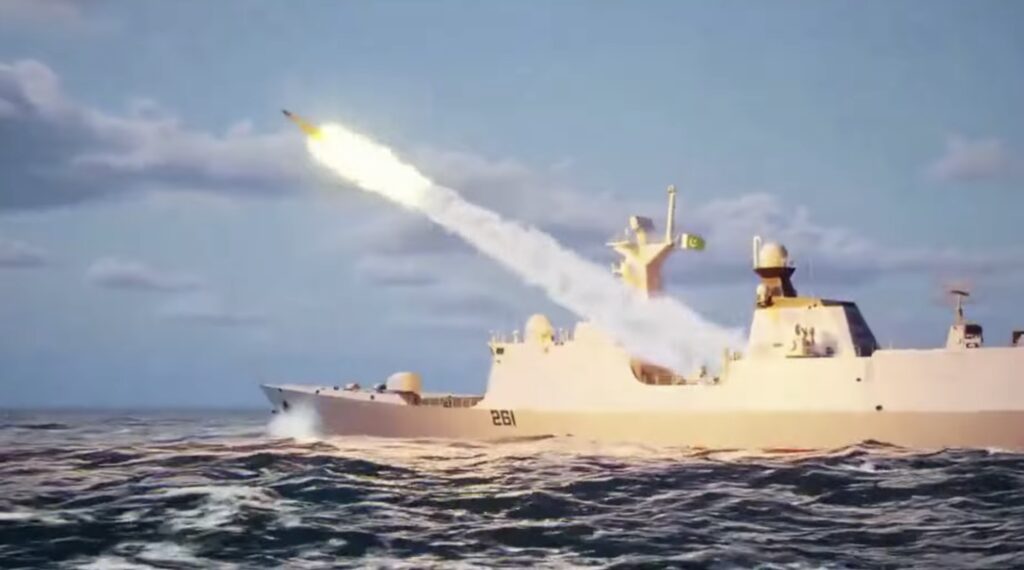
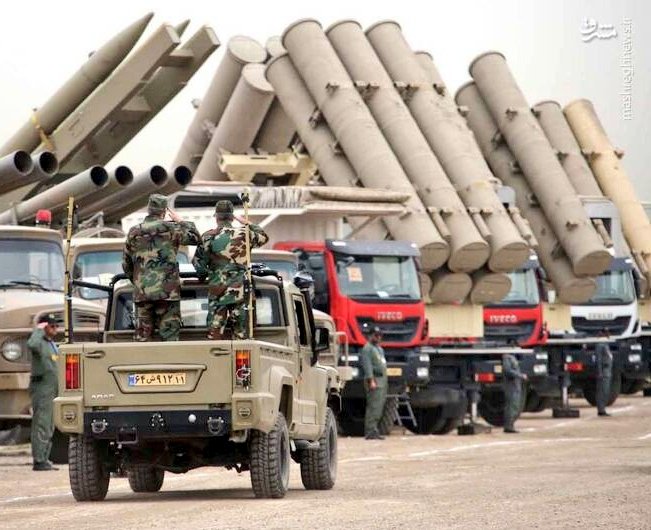
Iran has made the Strait risky to pass through and has built up forces over the years: anti-ship missiles, drones, mines, and speedboats. The IRGC Navy operates near the Strait and controls many actions. Iran claims that this is its right to protect its waters and charge for security during conflict. Critics call it piracy or extortion.
Even in ceasefires, Iran has kept tight control. It claims to coordinate some passages (like 26 vessels in one day) but only on its terms.
Is This New?
Iran has made it tough and threatened that the Strait during tensions (e.g., 2019-2020 seizures and attacks). But the 2026 scale is larger, tied to open conflict. Ship seizures happened earlier too, but the systematic toll demands and “permission required” approach mark a shift.
Risks for the Future
This situation creates ongoing danger. Miscalculation could lead to bigger clashes between Iran, the US, and others like the UAE. Mines and attacks threaten lives and the environment. If more countries copy this model in other Straits, global trade rules could break down.
Shipping firms face hard choices: pay and risk sanctions, avoid the route and lose business, or sail and risk attack. Navies from the US, UK, and others patrol to protect trade, raising escalation chances.
However, Iran has made a free international passage into a risky and dangerous zone where payment and permission reduce the chance of trouble. This affects energy security for billions of people. While some ships still pass with coordination, normal safe traffic remains far below usual levels.
The world could see closely as diplomacy continues to seek a lasting solution that keeps the Strait open for all without toll payments to Iran. But Iranian leadership according to inside reports say, the toll payments to Iran will cover its losses due to unprovoked and illegal war on Iran. Once Iran recovers from the huge losses due to the attacks by aggressors, US/Israel, all ships would pass through freely without toll payments to Iran.