












































































































Challenges in Peace Talks as Iran Warned Uranium to Stay
-
Khalid M Raza
- May 21, 2026
- 0
- 7 min read


Iran’s uranium stockpile and the challenges in peace talks continue as the Supreme Leader Mojtaba Khamenei has given a clear order. The country’s near-weapons-grade enriched uranium must stay inside Iran. Two senior Iranian sources told Reuters about this directive on May 21, 2026. This decision makes peace talks harder. The United States and Israel want the stockpile removed as a key condition to end the war on Iran or MiddleEast conflict.
Iran had around 440 kg of uranium enriched to 60% before major U.S. and Israeli strikes on its nuclear sites in June 2025. Experts say this amount could make several nuclear weapons if enriched further to 90%. No one knows exactly how much of this stockpile survived the attacks.
Background on Iran’s Nuclear Program
Iran has built a large nuclear program over many years. It says the program is only for peaceful energy and medical uses. It denies any plan to build nuclear weapons. But many countries, especially the United States and Israel, unnecessarily do not trust this claim. They are not worried but they are playing blame-game as it is tough to defeat Iran. Iran could quickly make weapons-grade material but a longtime ago a Fatwa was given to not make weapons of mass destruction, which is illegal according to a noble thought process. So the challenges in peace talks continue.
Before the June 2025 strikes, the International Atomic Energy Agency (IAEA) reported Iran’s stockpile details. It had:
About 6,000 kg enriched to 5%
184 kg enriched to 20%
440.9 kg enriched to 60%
The 60% level is very close to the 90% needed for weapons. Experts calculate that 25 kg of 90% enriched uranium is enough for one bomb. So the 440 kg at 60% could yield material for about 9 to 12 weapons after further processing.
Iran has enriched uranium at sites like Natanz, Fordow, and Isfahan. Fordow is built deep inside a mountain, making it hard to attack. These facilities used advanced centrifuges to spin and separate uranium isotopes.
The June 2025 Strikes
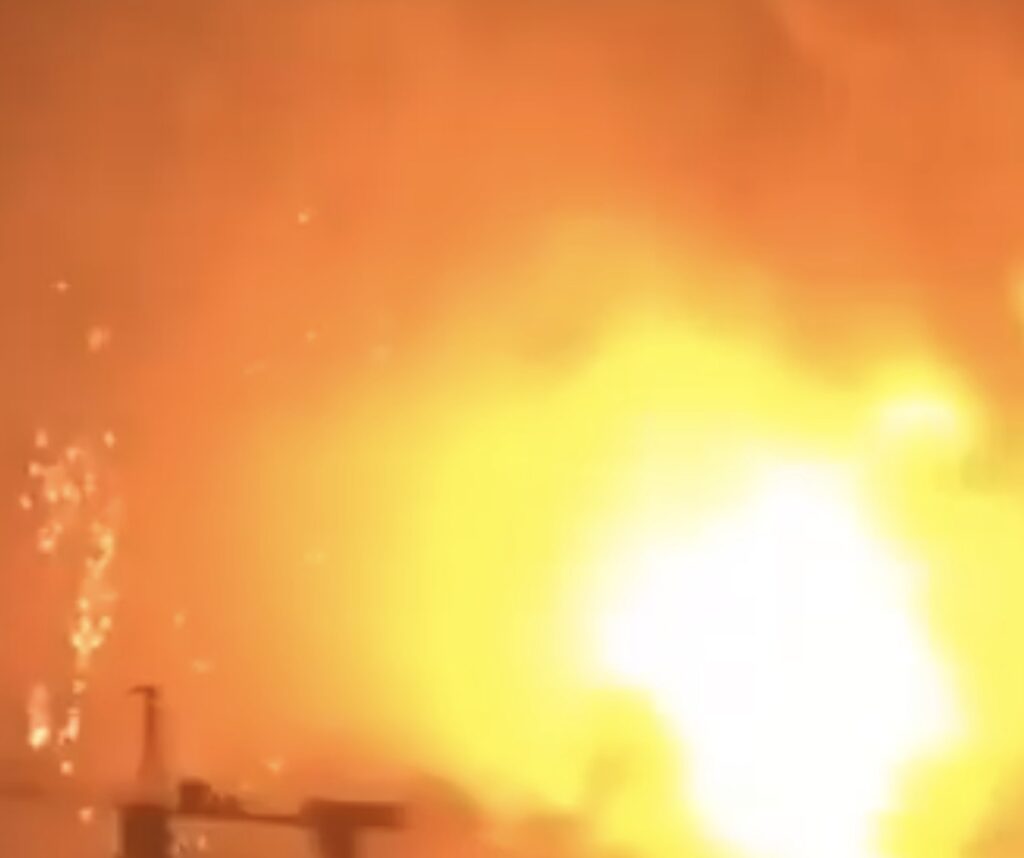
In June 2025, Israel launched attacks on Iranian nuclear and military targets. The United States joined with strikes called Operation Midnight Hammer on June 22. U.S. B-2 bombers dropped massive bunker-buster bombs on Fordow. Tomahawk missiles hit Natanz and Isfahan.
The strikes caused heavy damage to buildings and equipment. Underground parts at Fordow were hit hard. But reports say Iran may have moved much of its enriched uranium stockpile to safer places before the attacks, possibly to Isfahan or other hidden sites. The IAEA lost the ability to fully check the sites after the war started. So the exact amount of surviving enriched uranium remains unknown. So the challenges in peace talks continue.
The short war, often called the ‘Twelve-Day war’, ended with a ceasefire. But tensions continued. Iran suspended cooperation with the IAEA. It later ended its commitments under the old 2015 nuclear deal (JCPOA).
Mojtaba Khamenei as Supreme Leader
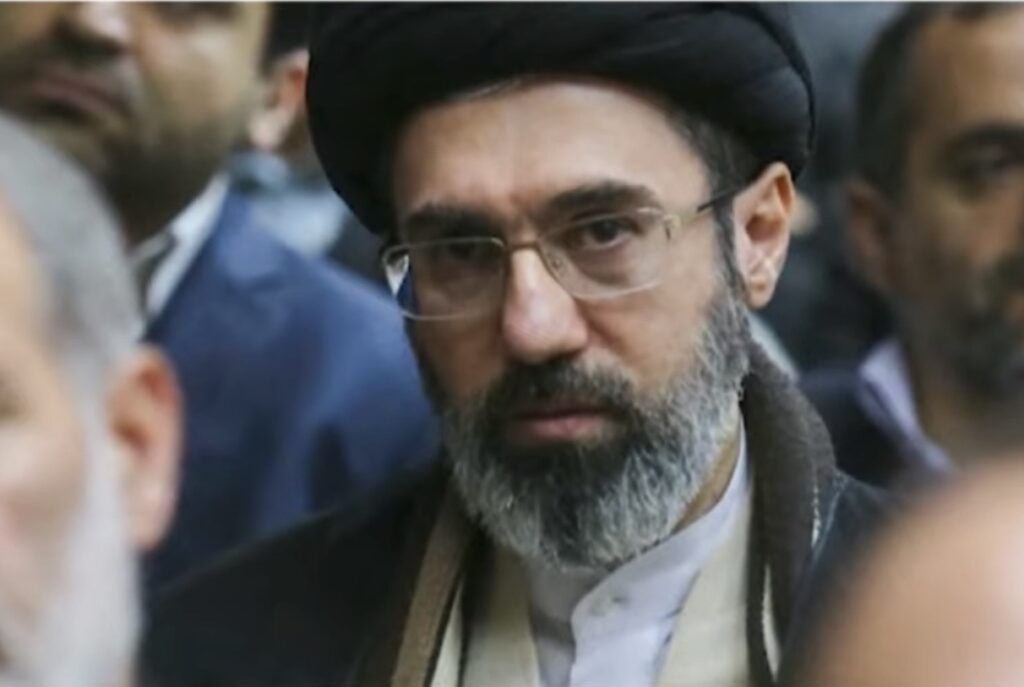
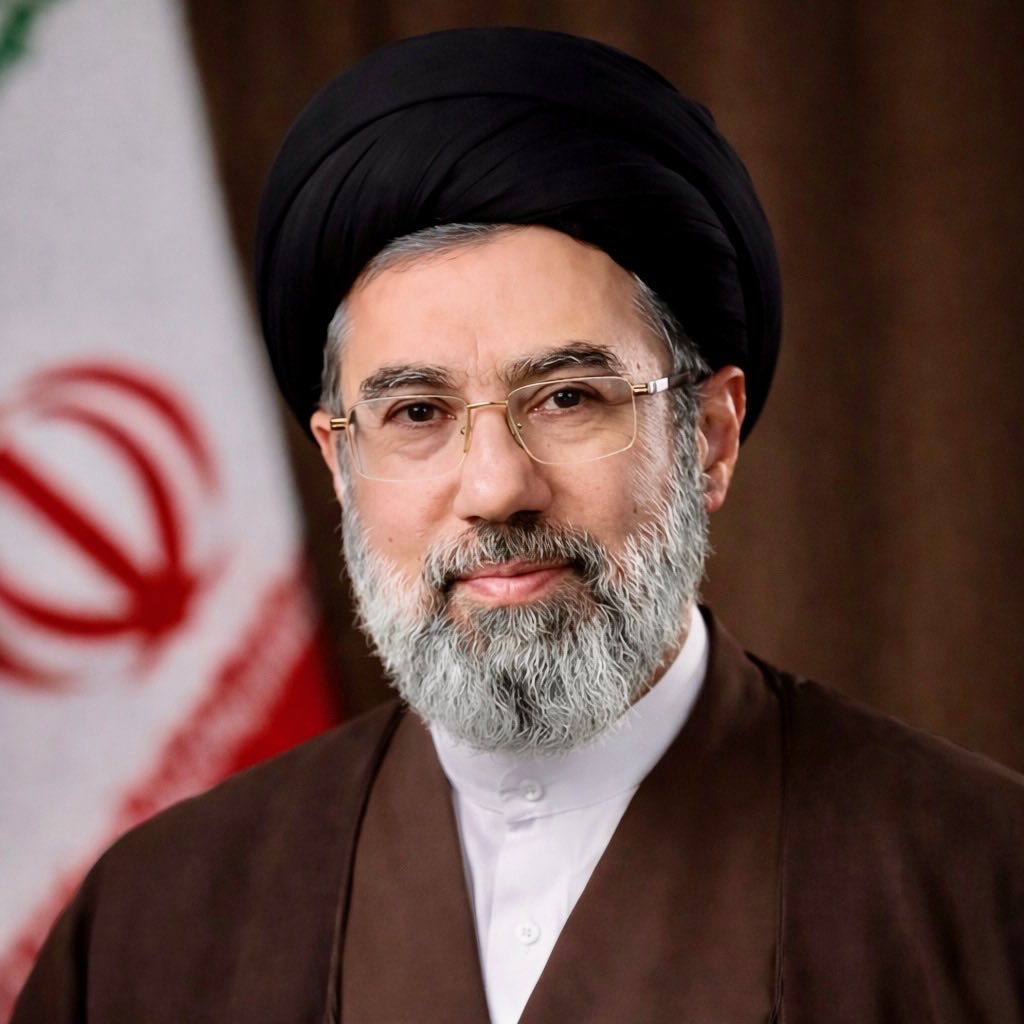
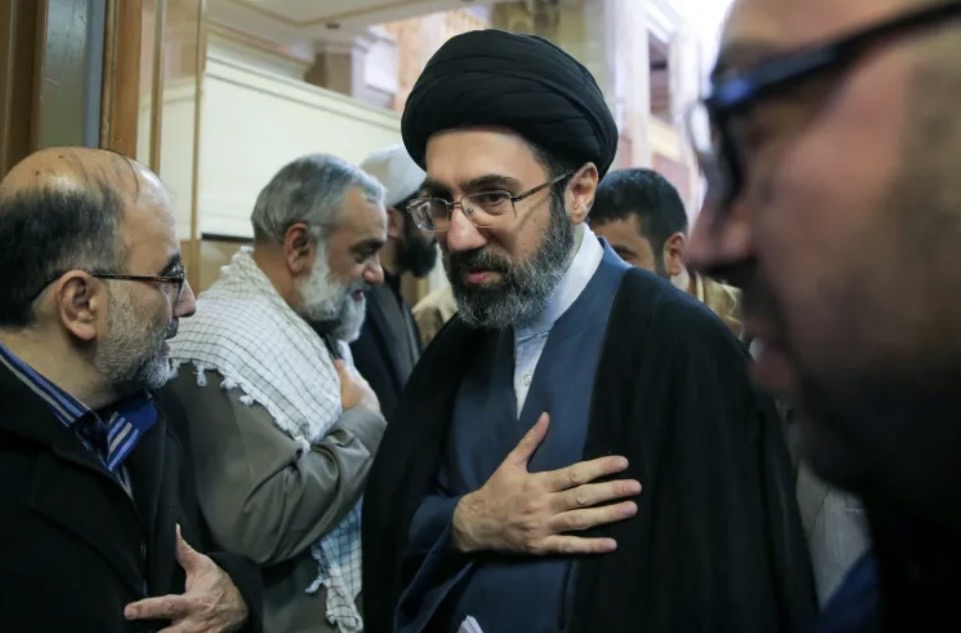
Ali Khamenei, Iran’s long-time Supreme Leader, was killed in the early days of the 2026 phase of the conflict. His son Mojtaba Khamenei was chosen as the new Supreme Leader by the Assembly of Experts in March 2026. Mojtaba had worked quietly in his father’s office for years and built strong ties with the Islamic Revolutionary Guard Corps (IRGC).
Mojtaba was injured in strikes but continues to play a key role, even if his exact power is sometimes described as more symbolic while the IRGC holds strong influence during wartime. His directive that uranium must not leave Iran shows a firm stance. Iranian sources say leaders believe sending the material abroad would make the country too weak and open to attacks.
U.S. & Israeli Positions
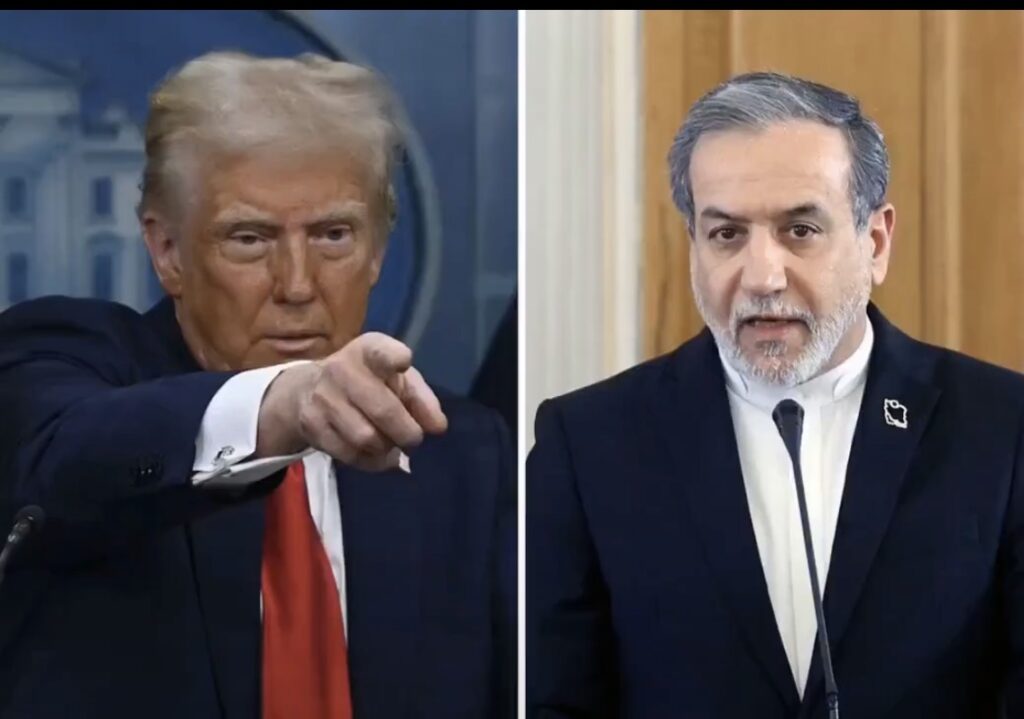
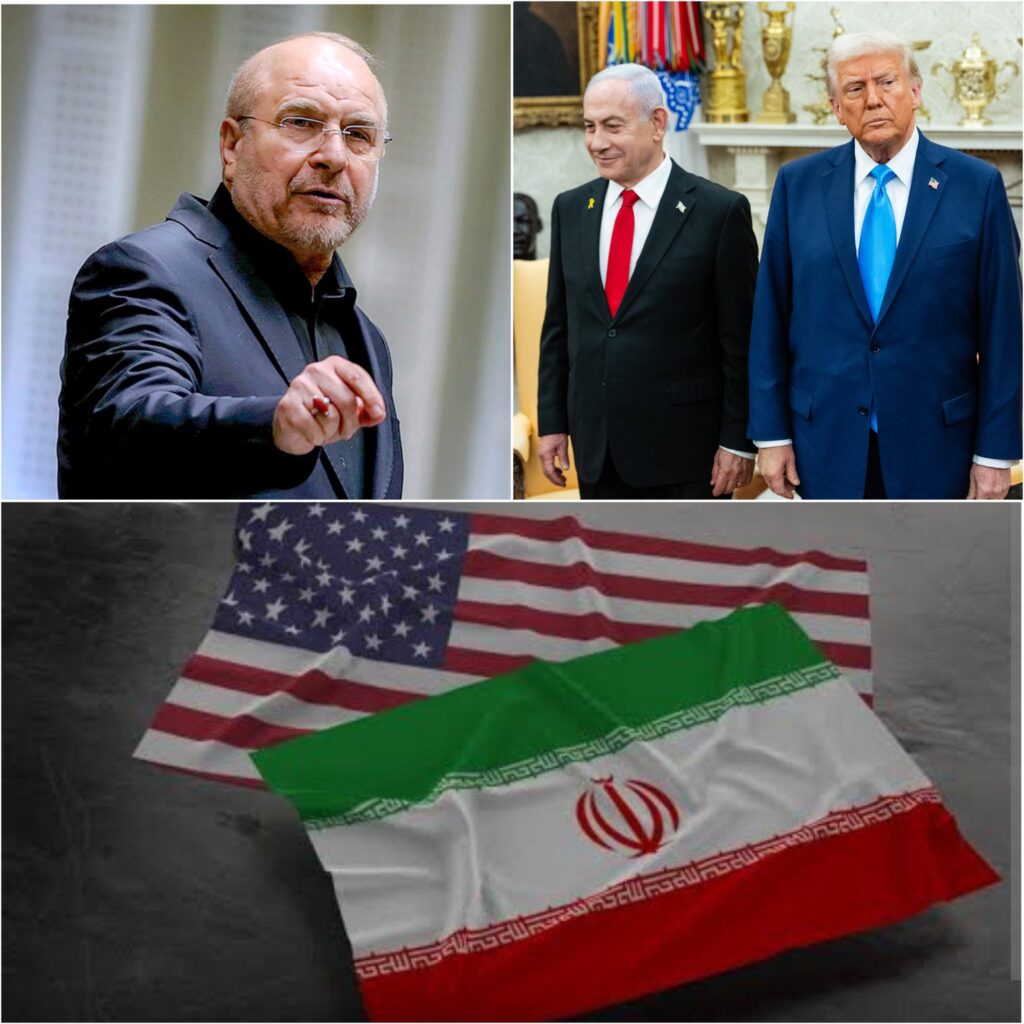
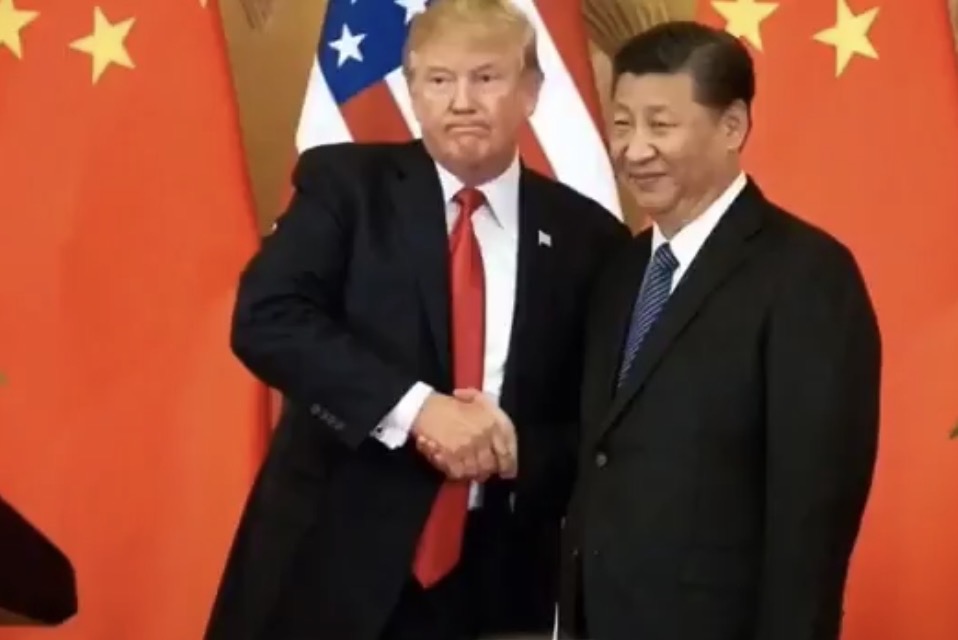
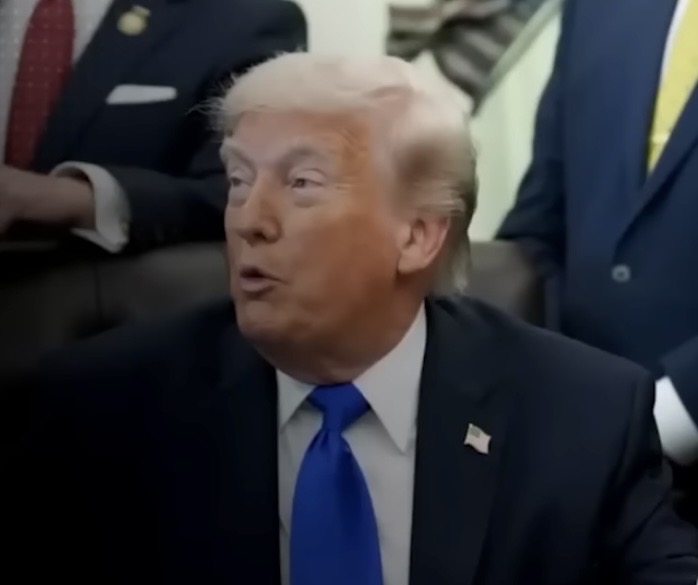
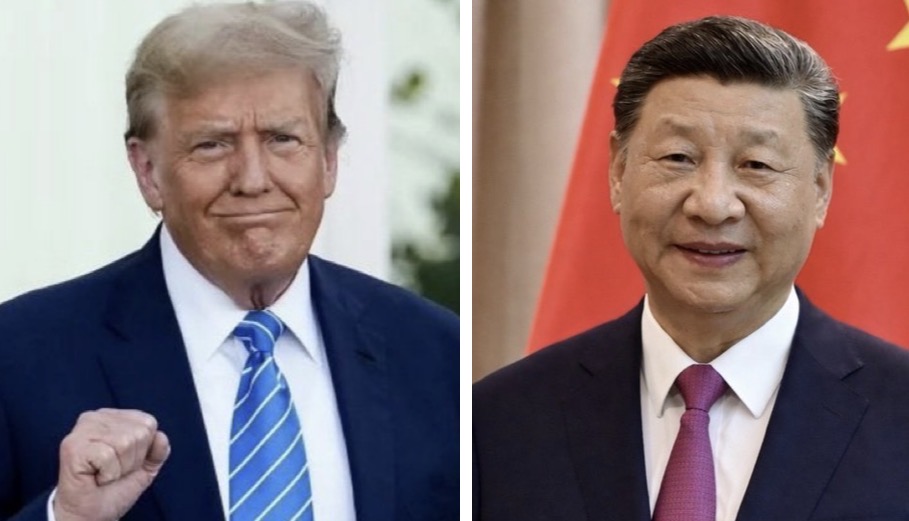
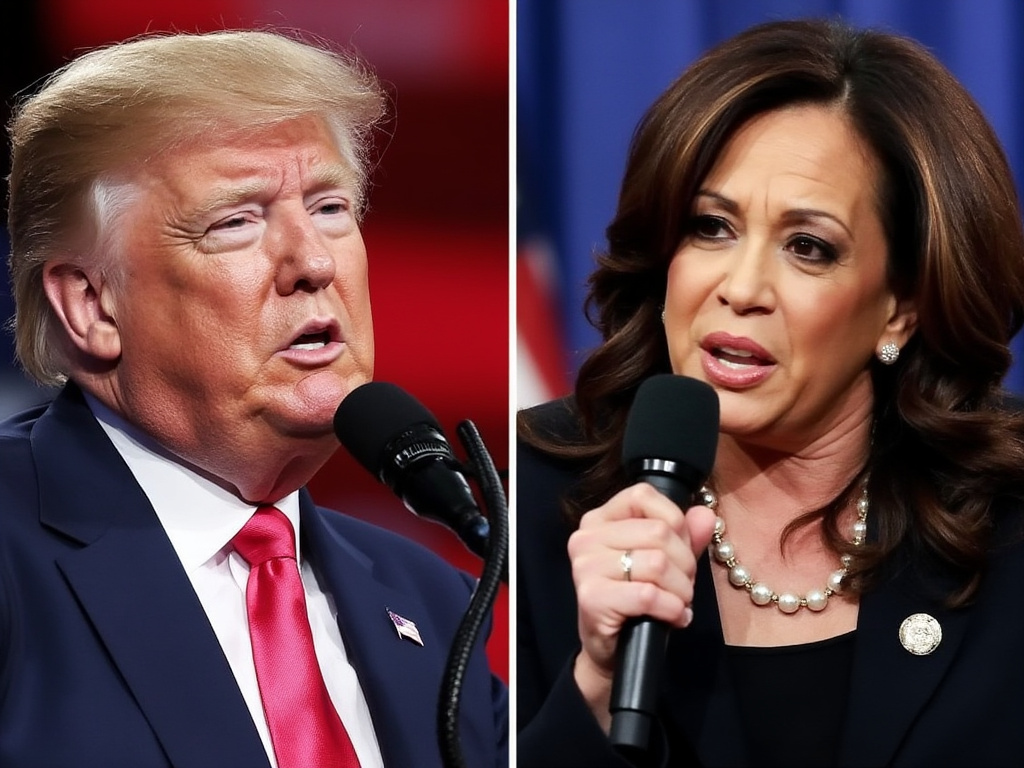
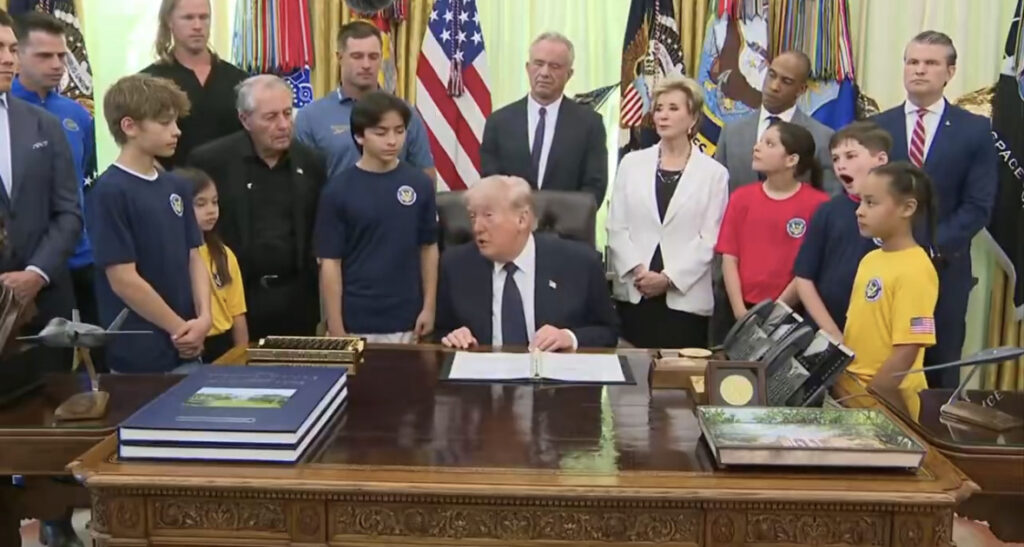
U.S. President Donald Trump has pushed for a peace deal. He has privately told Israeli officials that removing Iran’s enriched uranium stockpile would be part of any agreement. Trump wants diplomacy but has warned of more strikes if needed. So the challenges in peace talks continue.
Israeli Prime Minister Benjamin Netanyahu has made it very clear: the war is not over until the enriched uranium is removed from Iran. He also wants Iran to stop supporting proxy groups and limit its missiles. Netanyahu has called stockpile removal a “non-negotiable” condition.
Trump faces a difficult situation. He wants to end the conflict and possibly reach a new nuclear agreement. But Netanyahu’s strong conditions make it hard. Reports show some tension between the two leaders. Trump has said he prefers a deal, while Israel pushes for stronger guarantees or even military action to seize or destroy the material.
Why the Stockpile Matters
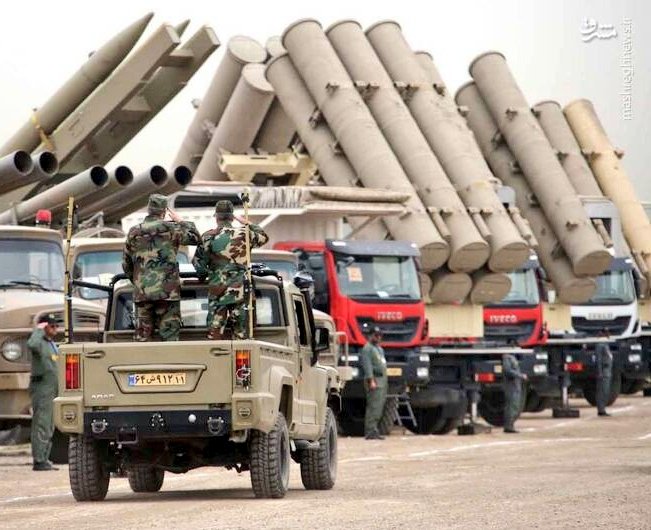
Enriched uranium at 60% is a big concern because it is not far from weapons grade. Further enrichment to 90% can happen relatively quickly in advanced centrifuges. Iran has the knowledge and some remaining equipment, even after strikes. Keeping the stockpile inside Iran gives it a potential “breakout” capability. The ability to make weapons material fast if it chooses.
International inspectors cannot fully verify the current stockpile. This creates fear and mistrust. The U.S. and Israel see removal or destruction of the material as essential for any lasting peace. Iran sees it as giving up a key asset and a point of national pride. So the challenges in peace talks continue.
Current Peace Talks and Complications
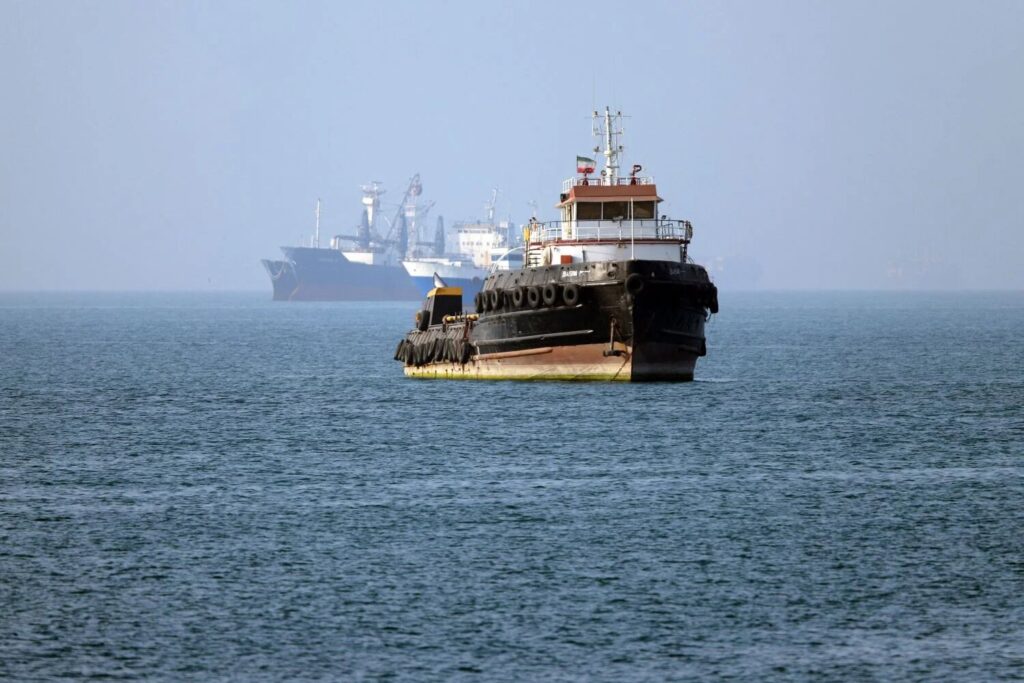
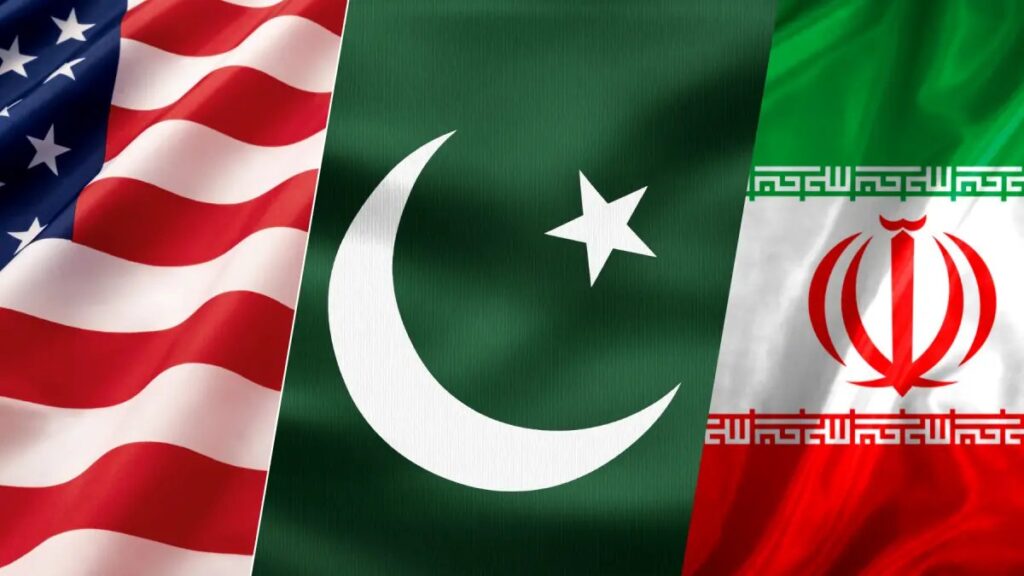
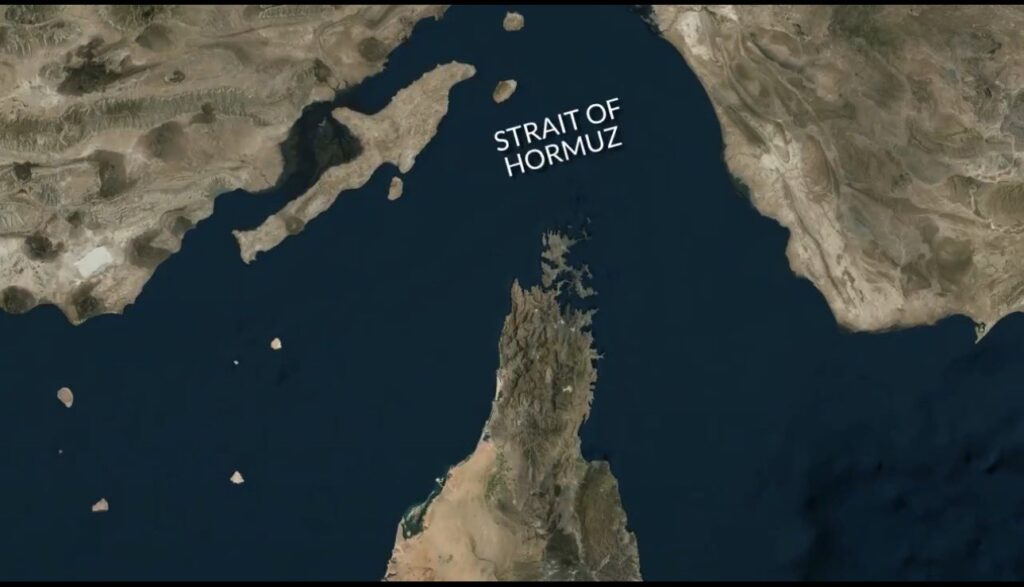
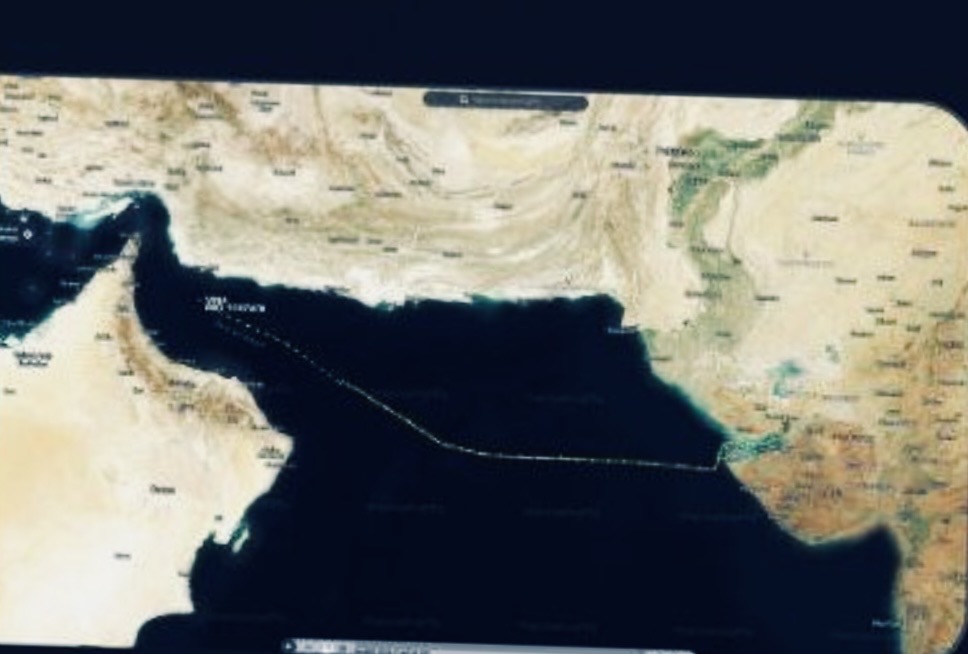
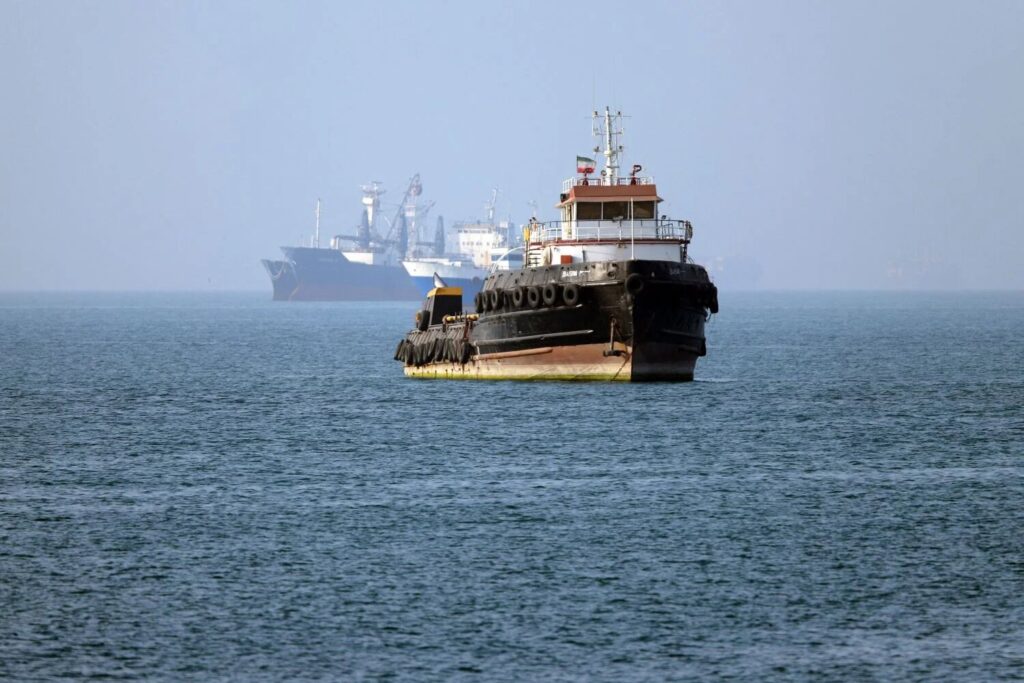
As of May 2026, talks continue with help from mediators like Pakistan. Iran is reviewing U.S. proposals. A possible 30-day negotiation window could cover nuclear limits, the Strait of Hormuz shipping, and sanctions relief.
But Khamenei’s order hardens Iran’s position. It directly goes against U.S. and Israeli demands. One Iranian source told Reuters there is consensus in Tehran that the material must stay in the country to avoid vulnerability.
This puts Trump in a tough spot. He assured Israel of stockpile removal, but Iran refuses. Netanyahu insists on it as a must for ending the war. Any deal will need creative solutions, like third-country storage under strict monitoring, or verified destruction.
But trust is low on all sides
Iran says it needs enriched uranium for civilian nuclear power. It points to past broken deals and sanctions as reasons for self-reliance. The U.S. and Israel point to Iran’s secret work in the past and its support for regional groups as proof of danger.
Broader Impact
The uranium issue affects the whole MiddleEast. High oil prices from the conflict hurt global economies. Attacks on shipping in the Strait of Hormuz add risk. A stable deal could lower tensions, but failure could mean new strikes.
Experts say even damaged facilities can be rebuilt over time because Iran has great scientists and know-how. The stockpile is the immediate threat. If it survived in large amounts, it remains a hidden danger.
Mojtaba Khamenei’s directive shows Iran’s current leadership will not easily give in on this point. It reflects deep worries about regime survival and national strength after months of war.
Trump must balance his desire for a deal with Israel’s security needs. Netanyahu’s firm line limits flexibility. Both sides know more fighting would be costly, but the core dispute over the 440 kg (or whatever remains) of 60% enriched uranium blocks progress.
The situation is complex. Years of mistrust, damaged sites, unknown stockpiles, and strong political positions make a quick solution hard. Future talks will test whether diplomacy can overcome these barriers or if force will return. However, killing of the Supreme Leader, Iran’s scientists and other leaders haunt Israeli PM Netanyahu and U.S. President Trump. This is so because the new regime is much powerful and by the way the regime actually haven’t changed but become more strong. Finally, the challenges in peace talks continue.