













































































































































The Strait Internet Cables threat can impact globally
-
Khalid M Raza
- May 19, 2026
- 0
- 7 min read


Undersea internet cables carry more than 95% of global data traffic, including emails, financial transactions, video calls, and cloud computing. These thin fiber-optic lines lie on the ocean floor, connecting continents. In recent weeks, Iranian state-linked media and officials have highlighted the Strait of Hormuz as a “digital chokepoint” and suggested charging fees on cables passing through it. Some reports mention possible damage or disruption. Is this threat realistic? It looks a big threat and Iran is capable to do so.
Let’s examine the facts
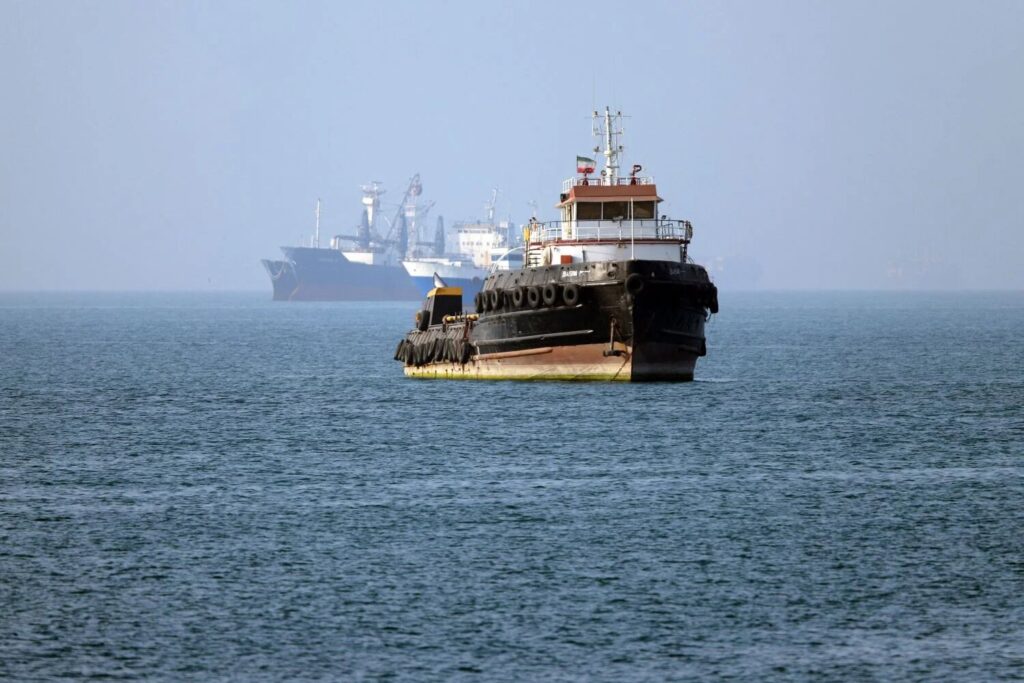
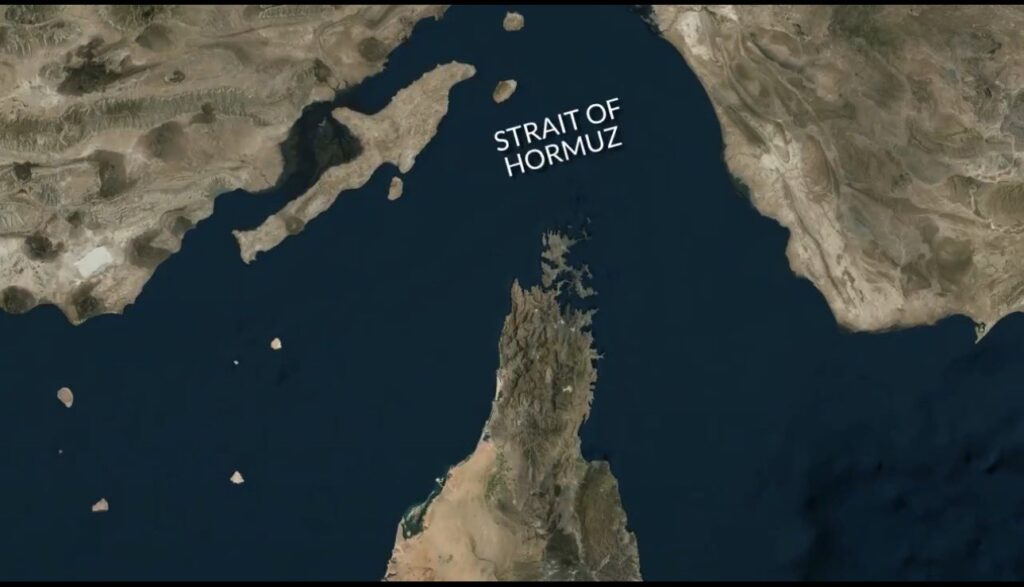
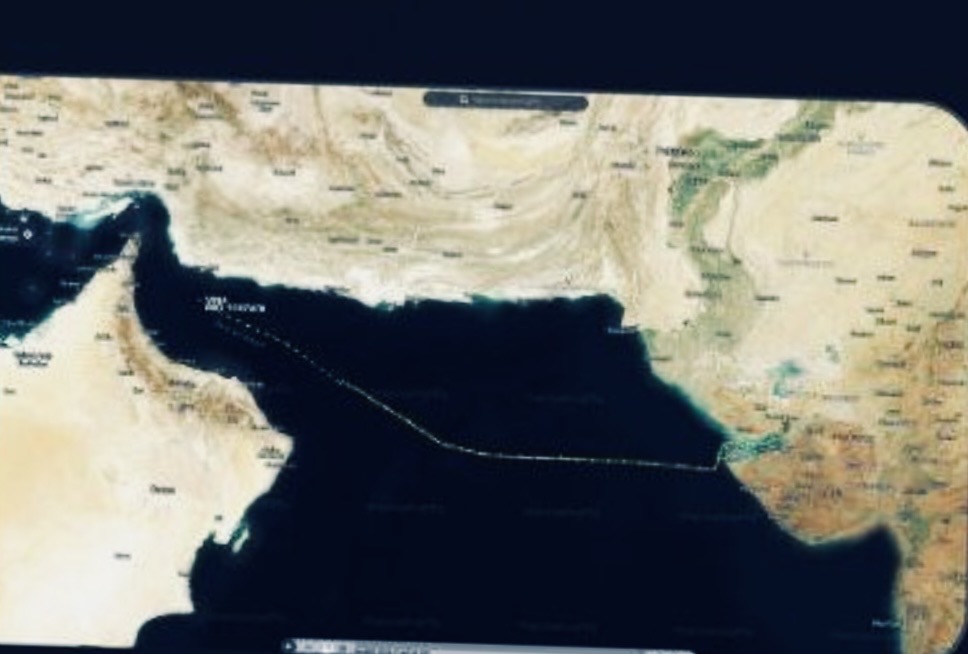
The Strait of Hormuz is a narrow waterway between Iran and Oman, about 25 miles (40 km) wide at its narrowest. It is famous as an oil chokepoint: Roughly one-fifth of the world’s oil passes through it. It is also important for internet cables. Several major submarine cables cross or run near this area. Experts say at least seven active cables traverse the strait, including systems like AAE-1 (Asia-Africa-Europe 1), Falcon, Gulf Bridge International (GBI), TGN-Gulf, and parts of SEA-ME-WE networks.
These internet cables connect Gulf countries (UAE, Saudi Arabia, Qatar, Kuwait, Bahrain) to Europe, Asia, and beyond. They support data centers in the Gulf, banking, oil trading, and everyday internet use for millions. Most cables stay closer to the Omani side to avoid Iranian waters, but a few, like Falcon and GBI, pass through areas Iranian areas.
Iran’s Recent Statements On Internet Cables
In April and May 2026, Iranian media outlets linked to the Islamic Revolutionary Guard Corps (IRGC), such as Tasnim and Fars, published reports and maps of these internet cables. They warned that damage to several cables at once could cause severe outages across the world. They suggested Iran could charge “protection fees” or licensing fees to big tech companies like Google, Meta, Amazon, and Microsoft for using the seabed. One idea was to make these firms follow Iranian law or pay for repairs and maintenance.
Iran’s military spokesman Ebrahim Zolfaghari publicly mentioned imposing fees on internet cables. This fits a pattern of Iran highlighting vulnerabilities in the Strait of Hormuz during tensions with the US and Israel. The goal is for deterrence, revenue, or pressure on Gulf neighbors and their Western allies.
Can Iran Actually Cut or Disrupt These Internet Cables?
Technical challenges:
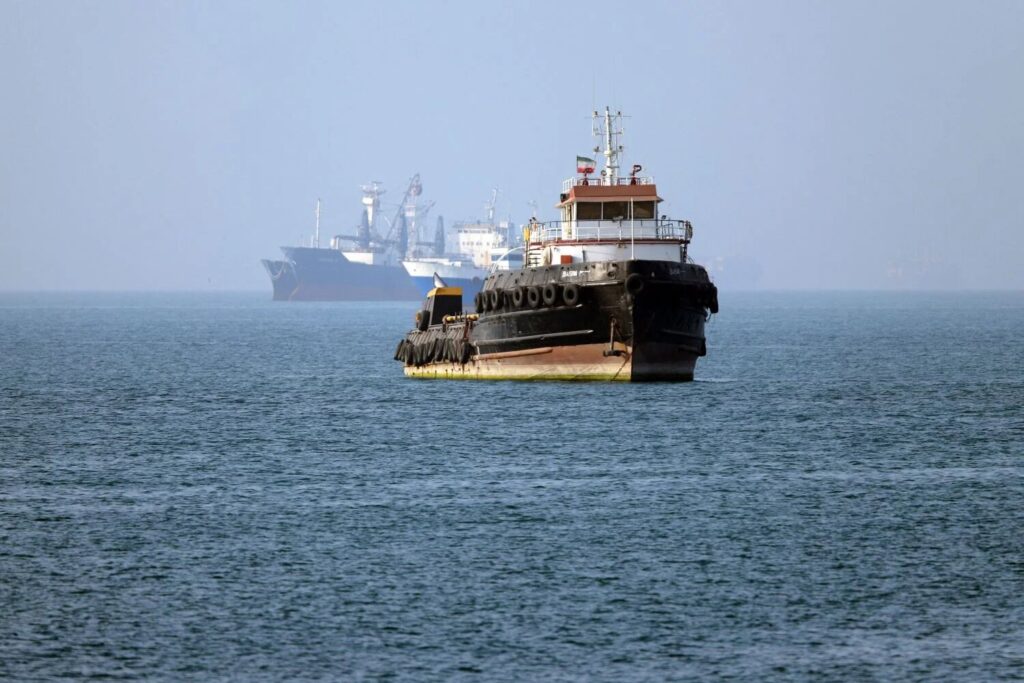
Cutting undersea internet cables is not so difficult. However, cables lie on the seabed, often buried in shallow areas. Special ships with grapnels or remotely operated vehicles (ROVs) are needed for sabotage. Iran has a capable navy, including the IRGC with small submarines, combat divers, and their underwater drones. However, Iran is capable to cut internet cables in the Strait of Hormuz, as yet another big threat in order to protect its sovereignty.
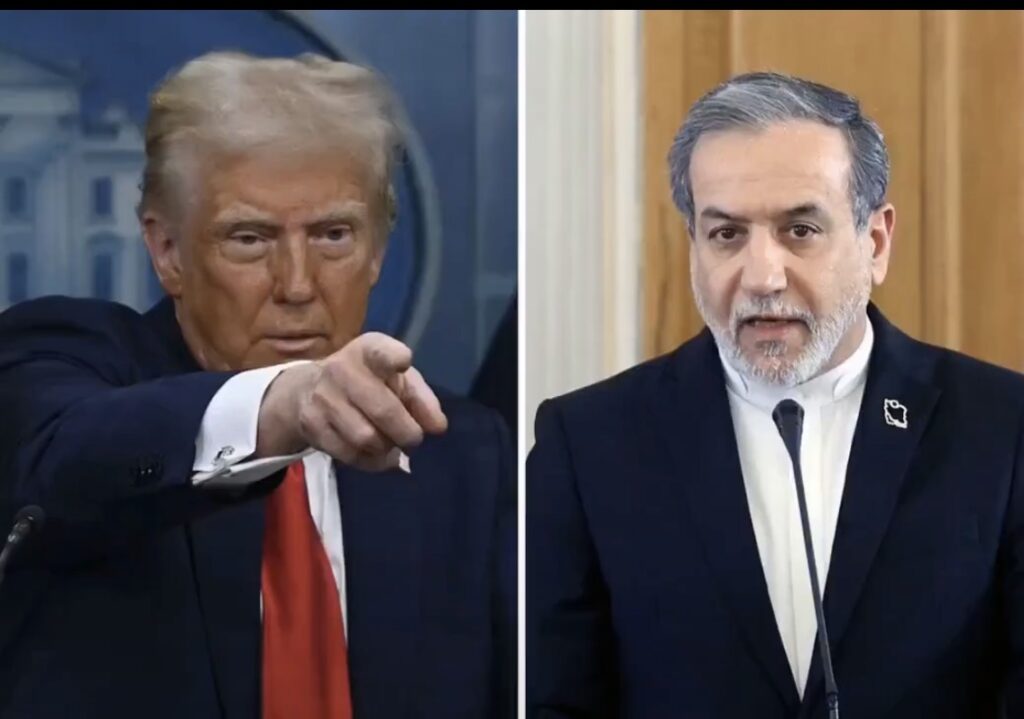
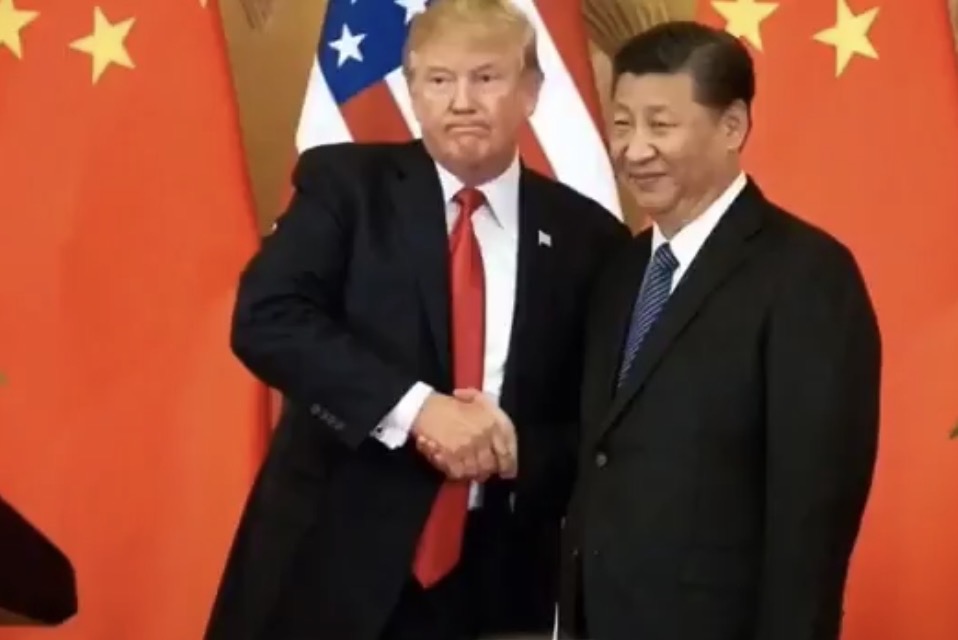
The United States 47th president Donald Trump and Israel’s Prime Minister, a war focused leader did attack Iran without any reason while the talks in Oman were going on in the late Feb, 2026. It is considered as a black day for the entire world. The February 28, 2026.
Doug Madory, an internet infrastructure expert at Kentik, called it a “suicide mission.” He says, the Strait of Hormuz has heavy international monitoring, including US naval and air presence. Any overt operation would likely be detected immediately. In his opinion, Iran lacks advanced stealth technology for such precise seabed work under surveillance. Most cable cuts worldwide (around 150-200 per year) happen accidentally from ship anchors, not sabotage.
Location matters:
Many cables cluster on the Omani side. Attacking them could require entering disputed or international waters, risking direct conflict. Even if cut, effects would mainly hit Gulf states and later cover the entire world. Iraq and Iran have overland fiber routes as backups. Global internet traffic can reroute through other paths in sometime’s of work, though very slow.
Past examples:
As of today, May 19 2026, no confirmed deliberate Iranian cuts of major international internet cables exist. In the Red Sea (2024-2025), internet cables were damaged, possibly by anchors from ships hit by Houthi attacks (Iran-backed).
This slowed internet in parts of the Middle East, India, and East Africa for weeks or months. Repairing of ships faced risks entering tense areas. Similar issues could happen in the Strait of Hormuz during the conflict. But these are a bit of an explanation of internet threat by example and not any Iran’s attack on the said cables.
Potential Impacts If Cables Are Damaged
A single cut would cause at first a local slowdown, and then to a global blackout by multiple simultaneous cuts.
Disruption to:
- Internet and phone services.
- Banking and stock trading (high-frequency trades need low latency).
- Oil and gas operations that rely on data links.
- Cloud services used by businesses worldwide.
The economies which host big data centers, would suffer most. Repair could take weeks or months in a war zone, as cable ships avoid danger. One analysis said even a few days of disruption could cost tens to hundreds of millions of dollars.
Global effects would be limited compared to Red Sea or Suez routes, which carry more Europe-Asia traffic. However, in a wider war, combined with oil disruptions, it could raise insurance costs, slow trade, and affect markets from Asia to Europe.
The Threat Might Be More About Pressure
Charging fees faces big legal and practical problems. Under the UN Law of the Sea, countries control their territorial waters, but the Strait has international navigation rights. Internet cables do not “belong” to one country like Egypt’s land routes. Tech companies cannot easily pay Iran without violating sanctions. Traffic mixes across cables, so targeting specific firms can be a challenge.
Experts see this as psychological or asymmetric warfare. Iran signals it can hurt digital infrastructure without firing missiles. It raises costs and uncertainty for opponents. Similar tactics appear in the Red Sea and Baltic Sea incidents, where sabotage claims create fear even if unproven.
Construction of new internet cables in the Persian Gulf has already slowed or paused due to tensions. Companies like Meta have delayed projects. This shows the threat alone creates real economic effects while the attacks on cables could bring severe disaster or global blackout.
Defenses and Realities
The cable industry uses armor, burial in shallow waters, and diverse routes to reduce risks. Backup satellite links and terrestrial fibers help, but they are slower and more expensive. International repair fleets exist, but they need safe access.
For Iran, attacking internet cables likely to backfire. It might unite Gulf states and the West against it, damage the connectivity, to invite retaliation.
Iran’s threat might be realistic in creating disruption and fear. The internet cables are vulnerable chokepoints, and a sabotage by divers or drones is possible. However, large-scale or secret cuts in the heavily watched Strait of Hormuz seem unlikely without triggering stronger military responses.
The real power may lie in the threat itself, raising risks, delaying projects, and pressuring economies rather than actual widespread cable-cutting.
The world is learning that the internet has physical weak points. More diverse routing, better monitoring, and international agreements on cable protection could reduce future risks. For now, Iran’s statements highlight how geography, technology, and geopolitics intersect under the sea. Approving Iran’s terms is good for now and also the war was not started by Iran, but the aggressors are US/Israel.
Note: This article is written by Khalid M. Raza and published on Tumido News to help readers understand politics and raise awareness. However, we do not claim this article as an intent to differentiate one country from the other. It’s a lot of opinionated and avoidable content, if for any reason, to avoid hurting anyone’s sentiments, as the Editor in Chief does not like offensive tones being carried forward into hatred. Justice is to take this article as a write-up. We value your thoughts, so if you have any questions, please leave a comment. All content on Tumido News is for the information and knowledge of our esteemed readers. Feel free to ask.

