





























































Broadcasters in Spain, Ireland, and Slovenia Boycott Eurovision Over Israel’s Participation
-
Khalid M Raza
- May 11, 2026
- 0
- 5 min read

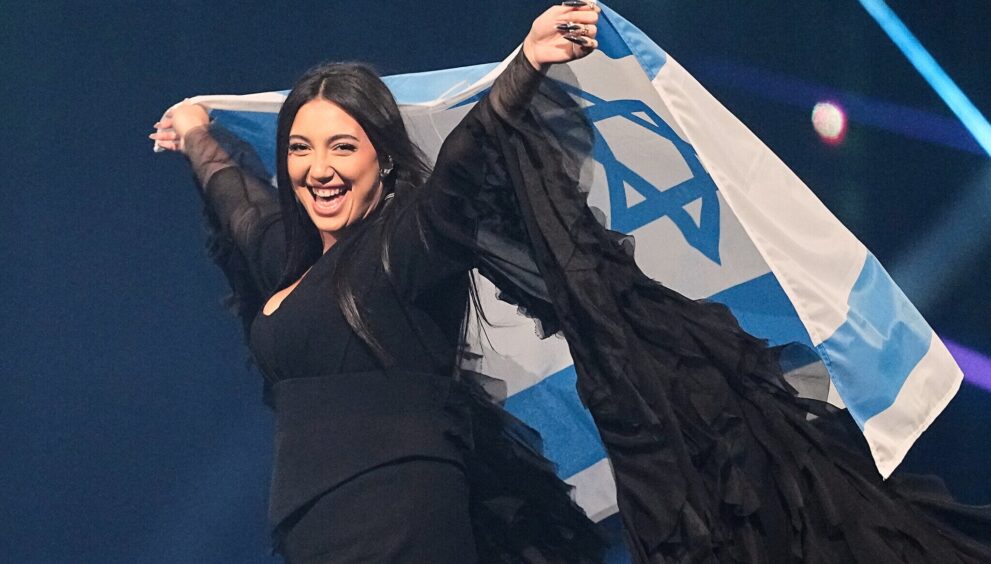
The Eurovision Song Contest is one of the world’s biggest music events. Every year, countries from Europe and beyond send singers to compete. Millions of people watch it on TV for the songs, colorful shows, and fun. But this year, in 2026, the contest faces big problems. Public broadcasters in Spain, Ireland, and Slovenia say they will not show the event at all. They are boycotting because Israel is taking part.
The contest is happening in Vienna, Austria, for its 70th anniversary. Normally, it brings countries together through music. But politics has entered the picture. Many people are unhappy about the war in Gaza. They want Israel out of the contest. The European Broadcasting Union (EBU), which runs Eurovision, decided to let Israel compete. This made some countries angry.
First Time in 60 years for Broadcasters in Spain to Boycott
One of the public broadcasters in Spain RTVE, said no to showing Eurovision. Spain has joined the contest since 1961. This is the first time in more than 60 years that Spanish TV will not air it. RTVE leaders said the situation in Gaza makes it hard to see Eurovision as a neutral fun event. They feel Israel is using the show for politics.
Ireland’s broadcaster, RTÉ, also chose not to broadcast or send a singer. Ireland has won Eurovision seven times, more than most countries. RTÉ called the loss of lives in Gaza “appalling.” They said taking part feels wrong given the humanitarian crisis.
Slovenia’s RTV went further. Not only will they skip the show, but they plan to air films and documentaries about Palestine instead. The director said they stand for peace, respect, and equality. This choice shows strong feelings on the issue.
Other countries like the Netherlands and Iceland are also boycotting or not taking part. In total, several regular participants are missing. Spain and the broadcasters in Spain as one of the “Big Five” countries that pay a lot and always reach the final. Losing big viewers from Spain and Ireland means fewer people will watch overall.
Why the Boycott?
The boycott started after the war between Israel and Hamas began. Many artists, fans, and broadcasters called for Israel to be removed. Over 1,000 music industry people signed letters asking for change. They said Eurovision should not include a country involved in such conflict. Some compare it to past cases where countries were banned for political reasons.
The EBU says Eurovision is about music, not politics. They argue that Israel follows the rules, like other countries. Israel has taken part since 1973 and won four times. But critics say the rules should change when human rights are involved.
This is not the first time politics touched Eurovision. In the past, there were protests and arguments. But this year feels different. The boycott is bigger, and it includes not just not sending singers but also refusing to show the event on national TV.
What Do Fans Think?
Many Eurovision fans are sad. They love the yearly tradition of voting, parties, and new songs. Some fans support the boycott and say music should not ignore suffering. Others think the contest should stay away from politics. They worry that boycotts could damage Eurovision forever.
On social media, people argue both sides. Supporters of Israel call the boycott unfair and say it punishes one country while others face no questions. People who support Palestine see it as standing up for justice.
Broadcasters in Spain and in other boycotting countries say they made the decision after thinking carefully. They believe public money should not support something they see as wrong.
What Happens Next?
The show will still go on without these countries. Other nations will compete, and fans in many places can watch. But ratings may drop. Sponsors might give less money. The EBU must think about how to keep the contest running in the future.
This boycott raises bigger questions. Should music events stay neutral? Or do they have a duty to take a stand on world issues? Different people have different answers.
Eurovision has always celebrated diversity and friendship. This year, it shows how divided Europe and the world can be. For broadcasters in Spain, Ireland, and Slovenia, not showing the contest is their way to protest. They hope it sends a strong message about peace and human rights.
However, a fun song contest has become a place for strong opinions. While singers prepare in Austria, many viewers in three countries will see something else on TV. The 2026 Eurovision will be remembered not just for songs, but for what it says about today’s world.
Note: This article is written by Khalid M. Raza and published on Tumido News to help readers understand politics and raise awareness. However, we do not claim this article as an intent to differentiate one country from the other. It’s a lot of opinionated and avoidable content, if for any reason, to avoid hurting anyone’s sentiments, as the Editor in Chief does not like offensive tones being carried forward into hatred. Justice is to take this article as a write-up. We value your thoughts, so if you have any questions, please leave a comment. All content on Tumido News is for the information and knowledge of our esteemed readers. Feel free to ask.