


























































































































Iran pleased with Chinese four point proposal
-
Khalid M Raza
- May 11, 2026
- 0
- 3 min read

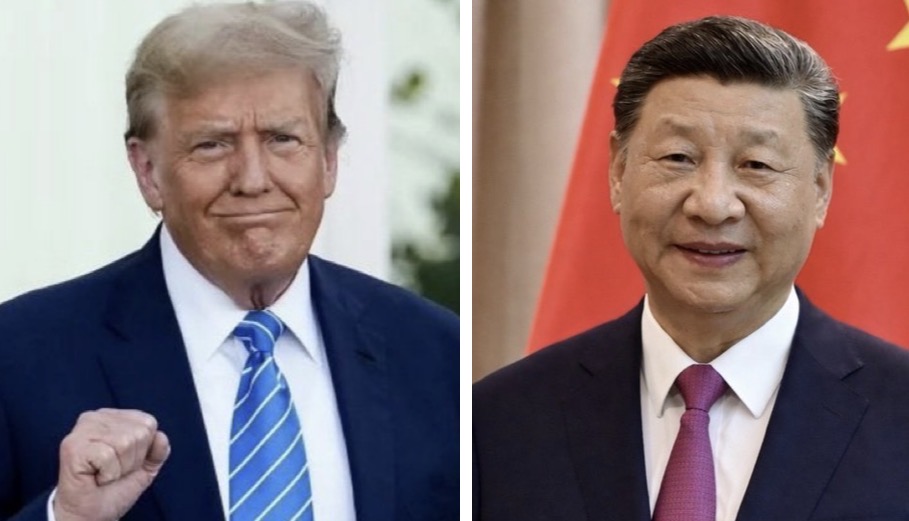
Iran pleased with Chinese President Xi Jinping’s four-point proposal for peace and stability in the Middle East (also called West Asia) primarily because it strongly aligned with Tehran’s core priorities, especially respect for national sovereignty, territorial integrity, and opposition to external interference or “selective” application of international law, while offering an alternative diplomatic framework amid Iran’s recent tensions and conflict with the US and Israel.
Background and Timing
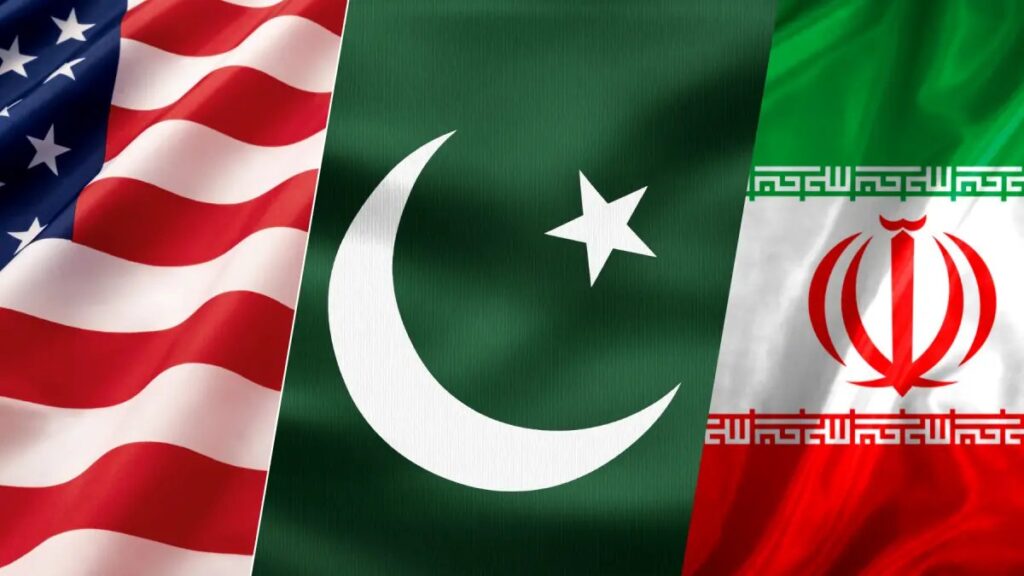
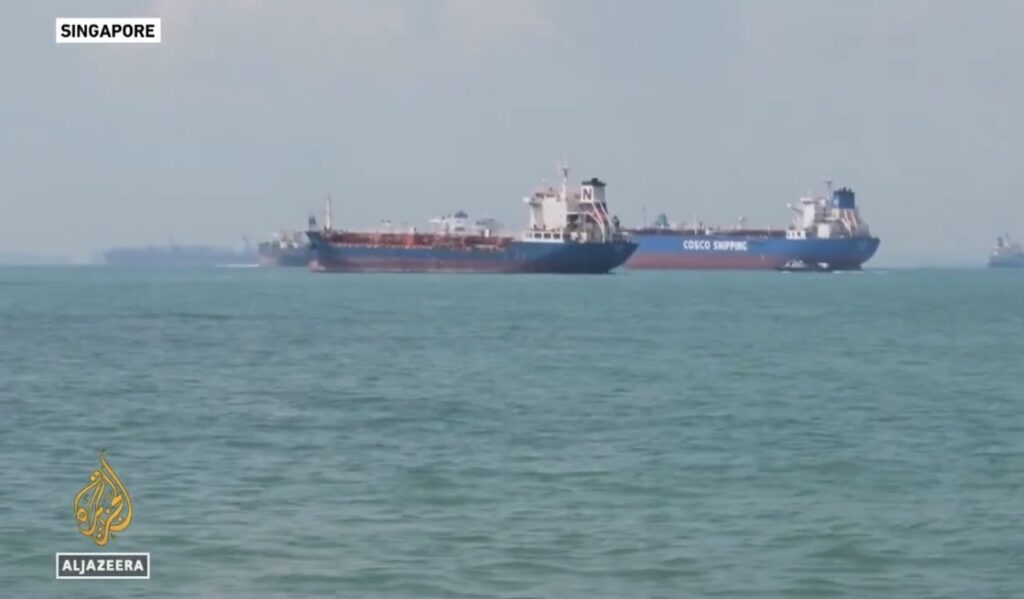
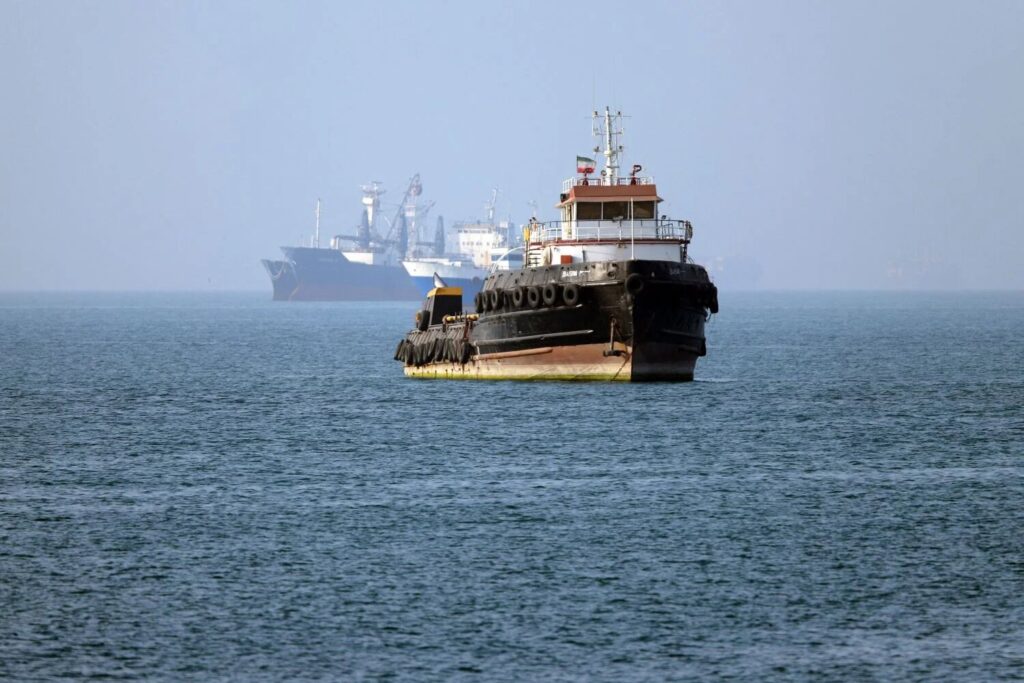
The previous proposal on April 14, 2026, was during Xi’s meeting in Beijing with the Crown Prince of Abu Dhabi. It followed the collapse of US-Iran ceasefire talks in Islamabad, Pakistan, and US actions including a naval blockade on Iranian ports (announced around April 12). China had criticized these moves as destabilizing. This occurred against the backdrop of escalated US-Israeli actions against Iran (sometimes referred to in reporting as aspects of the “Iran War” or related conflict).
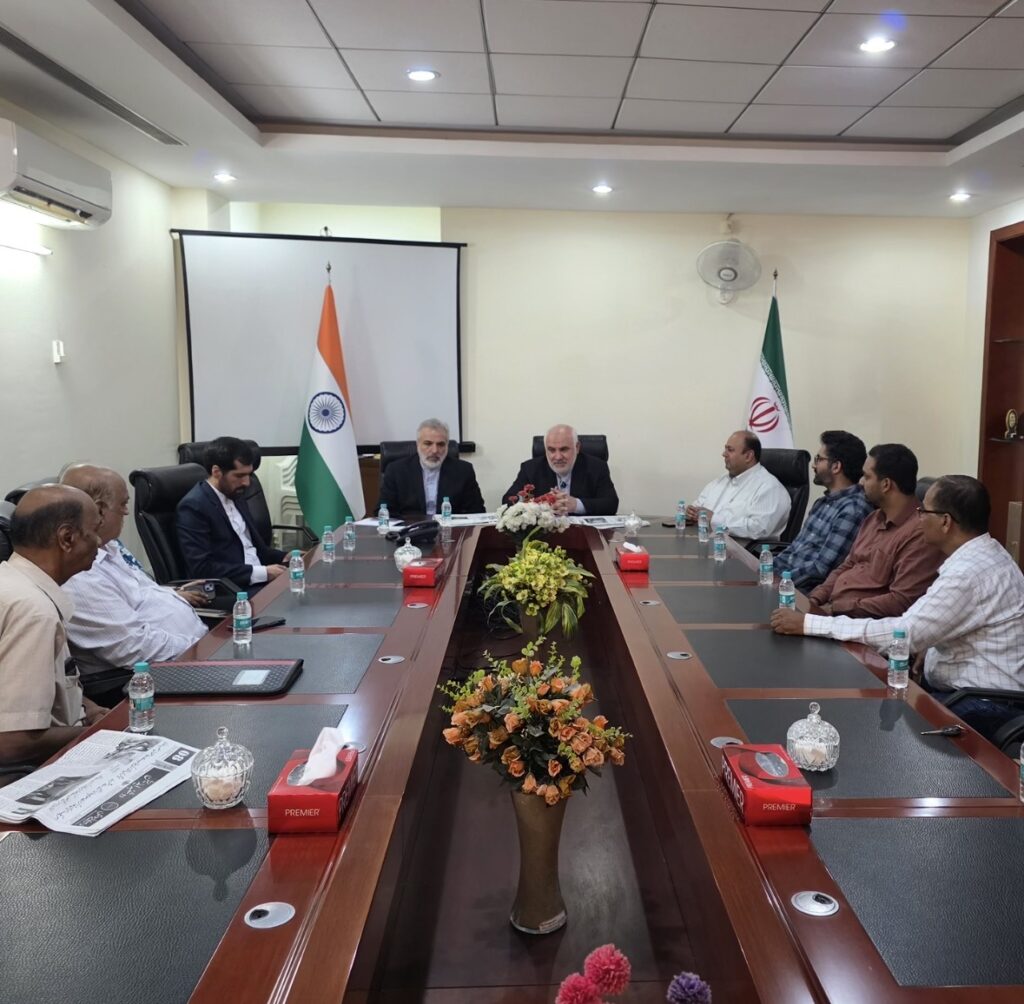
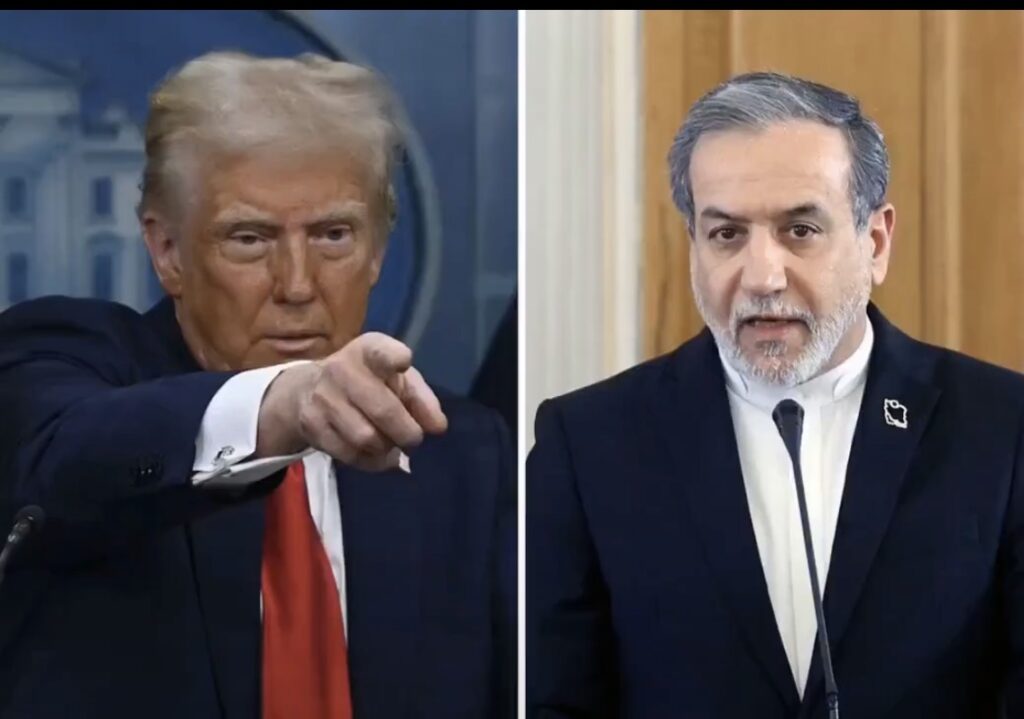
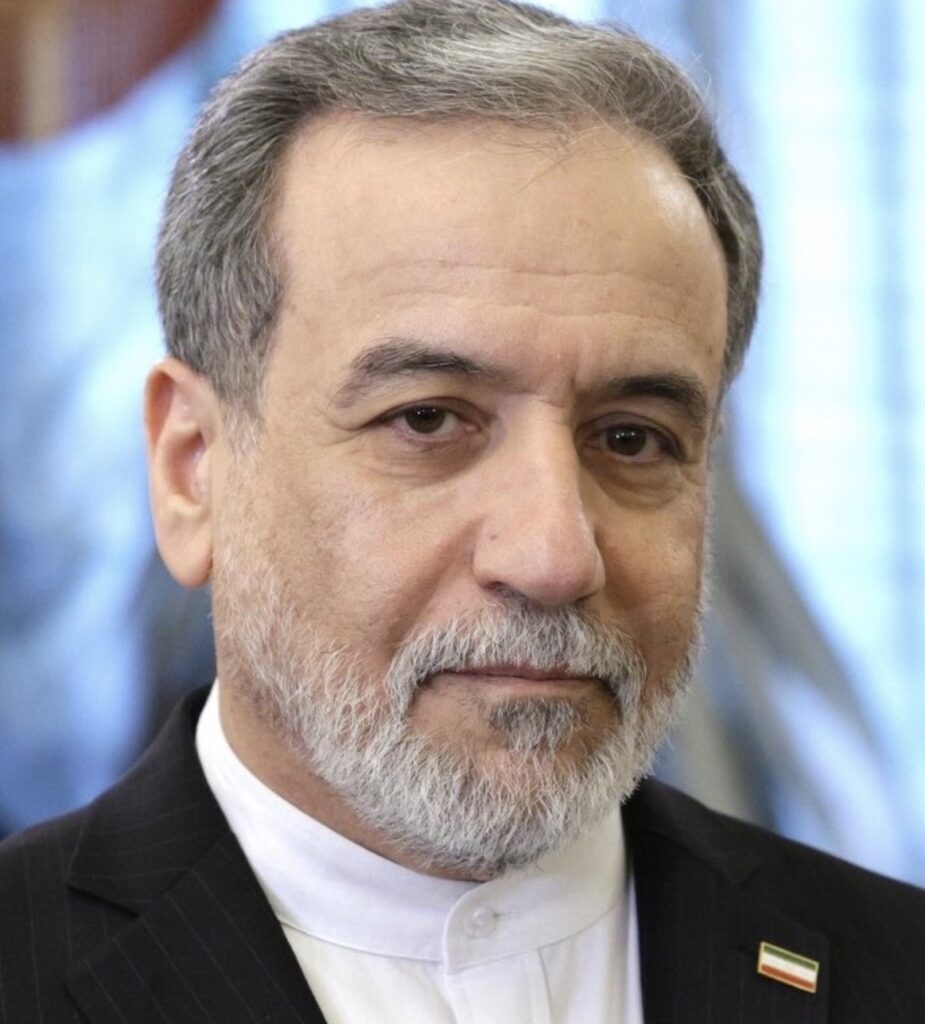
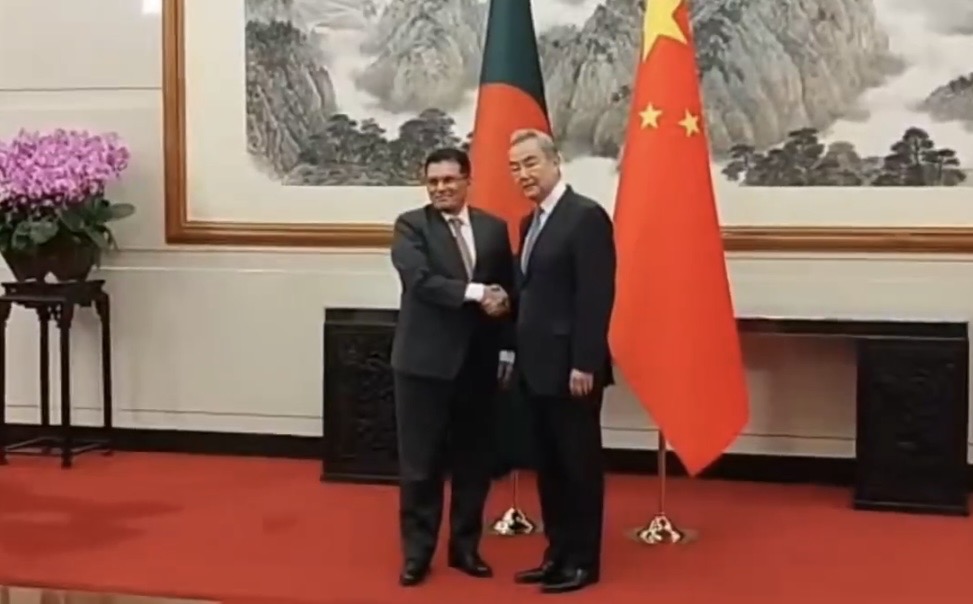
A bit earlier, Iranian Foreign Minister Seyyed Abbas Araghchi formally endorsed the plan on May 6, 2026, during talks in Beijing with Chinese Foreign Minister Wang Yi. He stated that Iran “highly appreciates and endorses” it, called the four principles “entirely correct” (or “totally accurate”), and praised China for always being “on the right side of history” in its relations with Iran.
He added that the proposal enables peace and stability in the Persian Gulf region and that China can play a constructive role. The two sides also reaffirmed Iran’s right to protect its sovereignty and dignity.
The Four Point Proposal
Xi’s plan emphasizes principles that resonate deeply with Iran’s positions:
1. Peaceful coexistence: Support Gulf and Middle Eastern countries in improving relations and building a “common, comprehensive, cooperative, and sustainable security architecture” in the region, as neighbors who “cannot be geographically relocated.”
2. National sovereignty: Sovereignty is the foundation for countries (especially developing ones) and must not be violated. The sovereignty, security, and territorial integrity of Middle East/Gulf states must be fully respected, along with the safety of their personnel, facilities, and institutions.
3. International rule of law: Uphold the authority of international law, reject selective application (“use when it fits, discard when it does not”), and prevent a return to the “law of the jungle.” Firmly support the UN-centered international system, international law-based order, and UN Charter principles.
4. Coordinating development and security: Security is the premise for development, and development guarantees security. Create a favorable environment for regional development; China is willing to share opportunities from its modernization path to “thicken the soil” for development and security.
Why Iran pleased with Chinese 4-point proposal?
Strong emphasis on sovereignty (Point 2) directly addressed Iran’s situation after the blockade and conflict, reinforcing Tehran’s right to defend itself without external dictates.
Critique of selective international law (Point 3) implicitly targeted perceived US/Western double standards, a longstanding Iranian grievance.
Regional security architecture without outside interference (Point 1) aligned with Iran’s preference for intra-regional solutions over US-led alliances or military pressure.
Development-security linkage (Point 4) complemented the strong Iran-China economic and strategic partnership.
Broader context: China had previously mediated the 2023 Saudi-Iran normalization. It positioned itself as a neutral peace broker alternative to the US, which Iran viewed positively.
The proposal was seen by Tehran as timely, principled support from a key partner at a moment of pressure from the US, framing peace around sovereignty, law, and mutual development rather than coercion. Iranian officials have continued to hail it in the days since (including as recently as May 11, 2026).