














































































Russia Is Helping Pakistan Make Its Own Insulin
-
Khalid M Raza
- May 12, 2026
- 0
- 4 min read

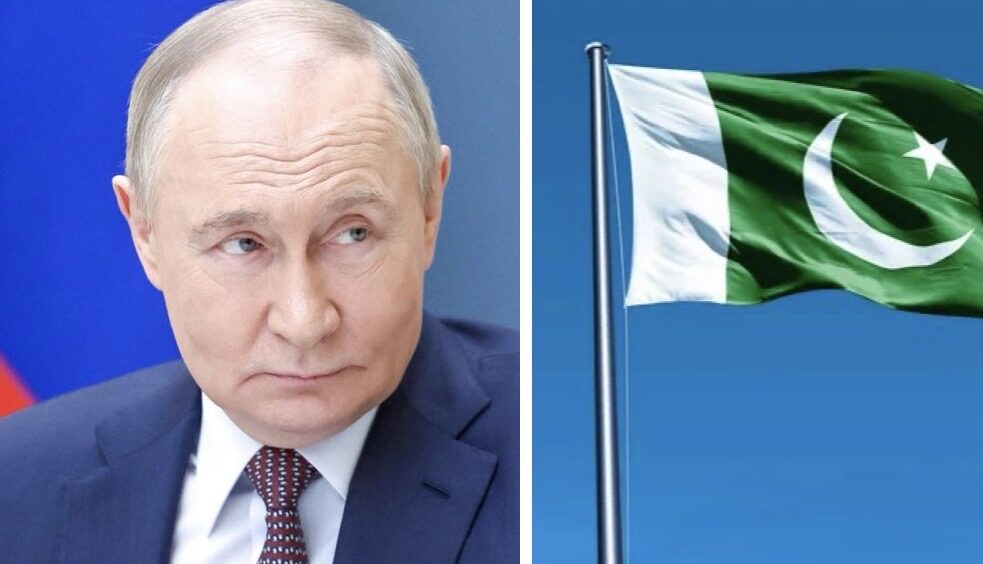
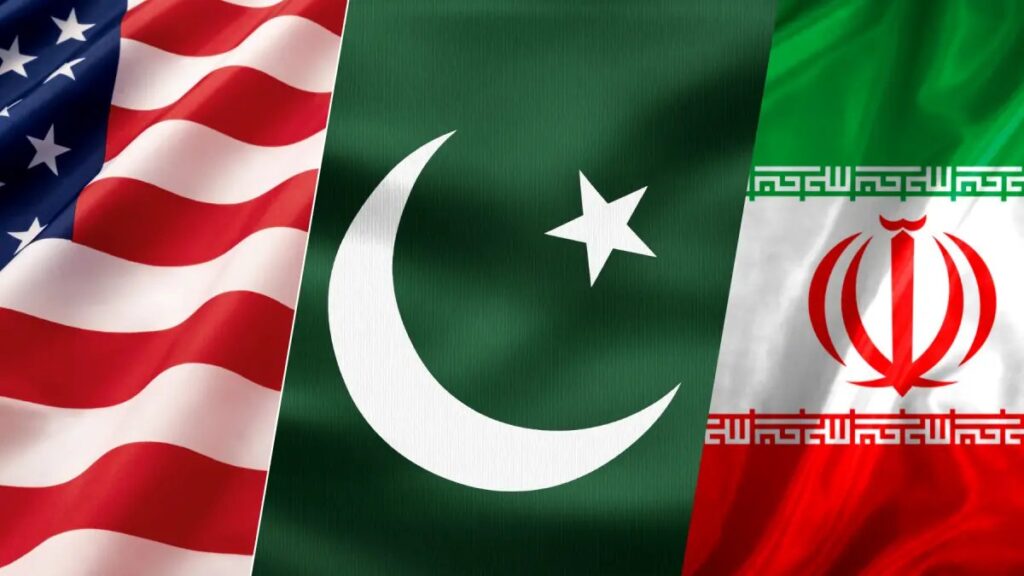
Pakistan is taking a big step to fight diabetes. A Russian company called Medsintez has joined hands with a Pakistani partner to build a new insulin factory. The project costs 80 million US dollars. To begin with, this news is important because Pakistan will now make its own insulin instead of buying most of it from Western countries. Russia is helping Pakistan by transfering biotech knowledge so Pakistani scientists and workers can learn to make insulin locally.
Diabetes is a serious problem in Pakistan. Millions of people suffer from it. Many need insulin every day to control their blood sugar. Without insulin, patients can become very sick or even die. For years, Pakistan has depended on imported insulin from Europe and America. These imports are expensive and sometimes supplies get delayed because of global problems, high prices, or political issues.
Things are changing
Now, things are changing. The new project will bring modern technology from Russia to Pakistan. Russian experts will transfer biotech knowledge so Pakistani scientists and workers can learn to make insulin locally. This is called technology transfer. It means Pakistan will not just buy the medicine but will know how to produce it inside the country.
The factory will have three main parts. First, it will make Active Pharmaceutical Ingredient (API). API is the main part that gives power to the medicine. Today, Pakistan imports almost all API from other countries. Local API production will cut costs and make supply more secure.
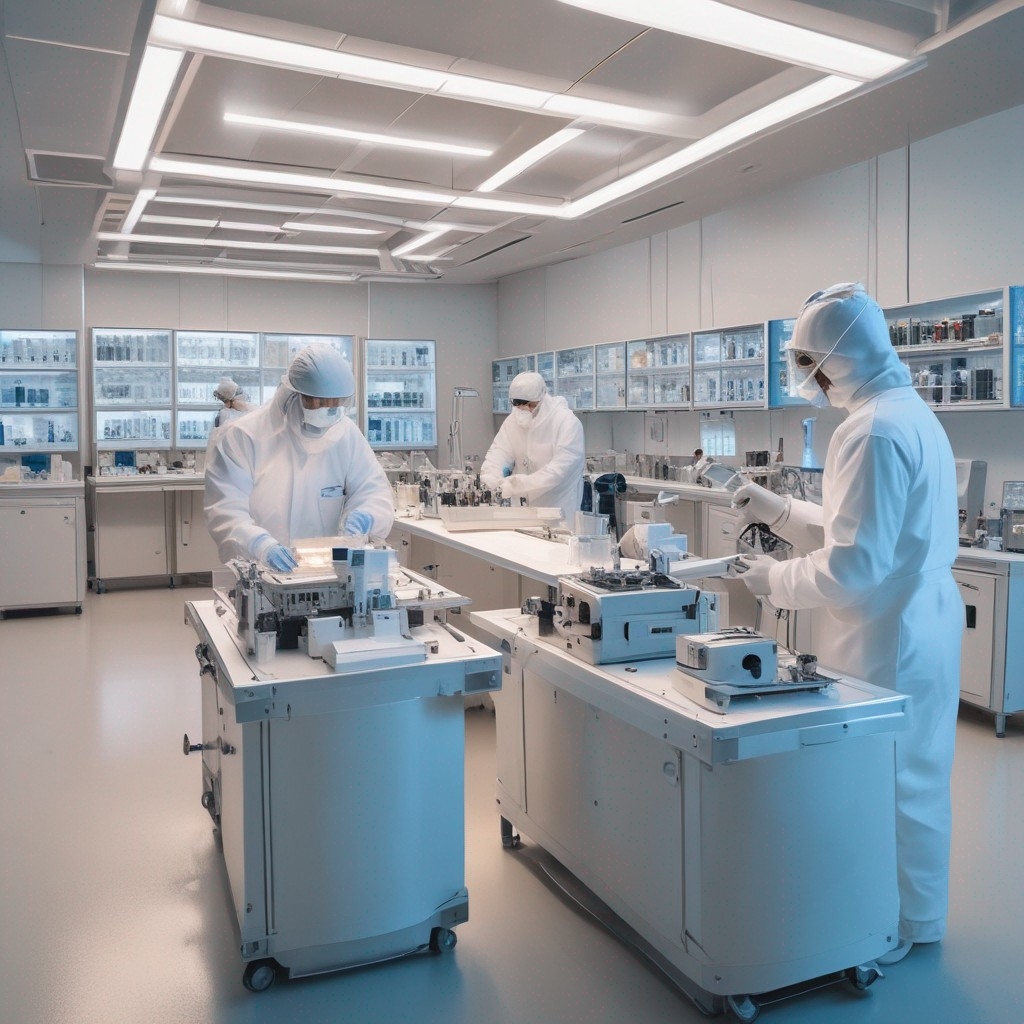
Second, the plant will have aseptic filling facilities. This is a clean-room system where insulin is filled into vials, pens, or cartridges without any germs. Aseptic means super clean, which is very important for injections.
Third, the whole process will follow international quality standards so the insulin is safe for patients. This $80 million investment is a large amount for Pakistan’s health sector.
The project will create jobs for engineers, scientists, technicians, and factory workers. It will also help develop local suppliers for glass vials, rubber stoppers, and other materials. In the long run, Pakistan can save a lot of foreign money that now goes abroad to buy insulin.
Why Russia is helping Pakistan?
Russia is helping Pakistan as it has strong capabilities in medicine and biotechnology. Medsintez is an experienced Russian firm that knows how to make high-quality insulin.
Russia is helping Pakistan to build new friendships in Asia. Both countries want to reduce dependence on Western supplies. Many developing nations now look for partners outside Europe and America for medicines, energy, and technology. This project shows a growing trend of South-South and Russia-Pakistan cooperation.
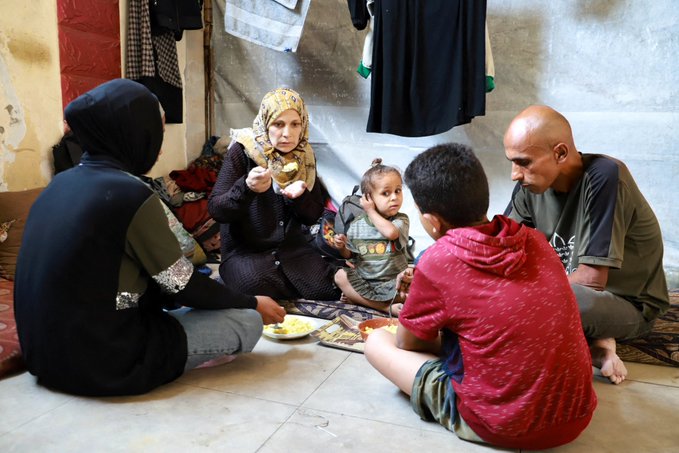
For ordinary Pakistanis, this news brings hope. A mother in Lahore whose child has Type 1 diabetes will worry less about insulin shortages. A grandfather in rural Sindh with Type 2 diabetes can get cheaper medicine. Doctors say local production can lower prices by 30 to 50 percent over time. Reliable supply also means better treatment and fewer complications like kidney failure, blindness, or heart problems that come with uncontrolled diabetes.
Health experts welcome the move
Health experts welcome the move. Pakistan has one of the highest numbers of diabetic patients in the world. According to recent reports, more than 33 million people live with diabetes in Pakistan, and the number is rising fast because of unhealthy diets, less exercise, and obesity.
Imported insulin is often costly for poor families. Local production will make treatment more affordable and reachable even in small towns.
The project also brings technical benefits. Pakistani researchers will gain new skills in biotechnology. Young graduates in pharmacy and chemical engineering will find better career opportunities at home. In future, the factory may produce other important medicines too. This builds self-reliance in healthcare.
The challenges remain
The factory must maintain strict quality control so every batch meets global standards. Training workers will take time. The government needs to support the project with good policies, electricity supply, and easy rules for import of machines. Both Russian and Pakistani partners must work closely to make this manufacturing in Pakistan to be successful.
Still, this is a positive and forward-looking step. It shows Pakistan is serious about health security. Instead of depending only on Western companies, the country is making new partnerships. Russia gets a good market and stronger ties, while Pakistan gets technology and jobs.
In the coming months, work will start and machines will arrive, “Made in Pakistan” insulin should reach soon in hospitals and pharmacies. Patients will feel the difference when prices drop and supplies become steady.
This $80 million project is more than a factory. It is a symbol of hope for millions fighting diabetes. It proves that with right partnerships, developing countries can reduce dependence and build their own strength in critical medicines. Pakistan’s journey toward self-reliance in healthcare has taken a big leap forward.