



























































































































UAE Joins USA to Build New Oil Pipeline to Avoid Using the Strait of Hormuz
-
Khalid M Raza
- May 18, 2026
- 1
- 7 min read

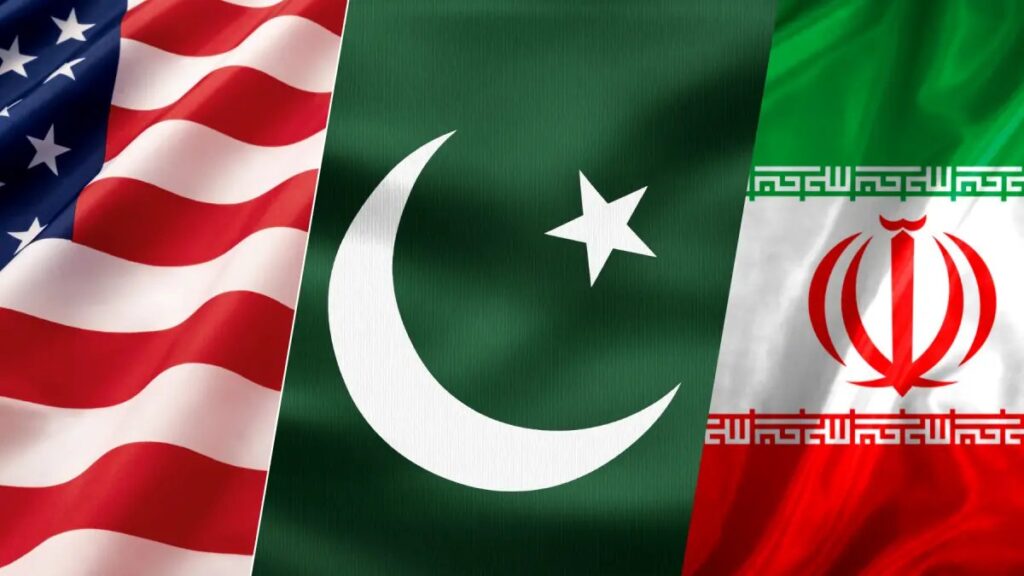
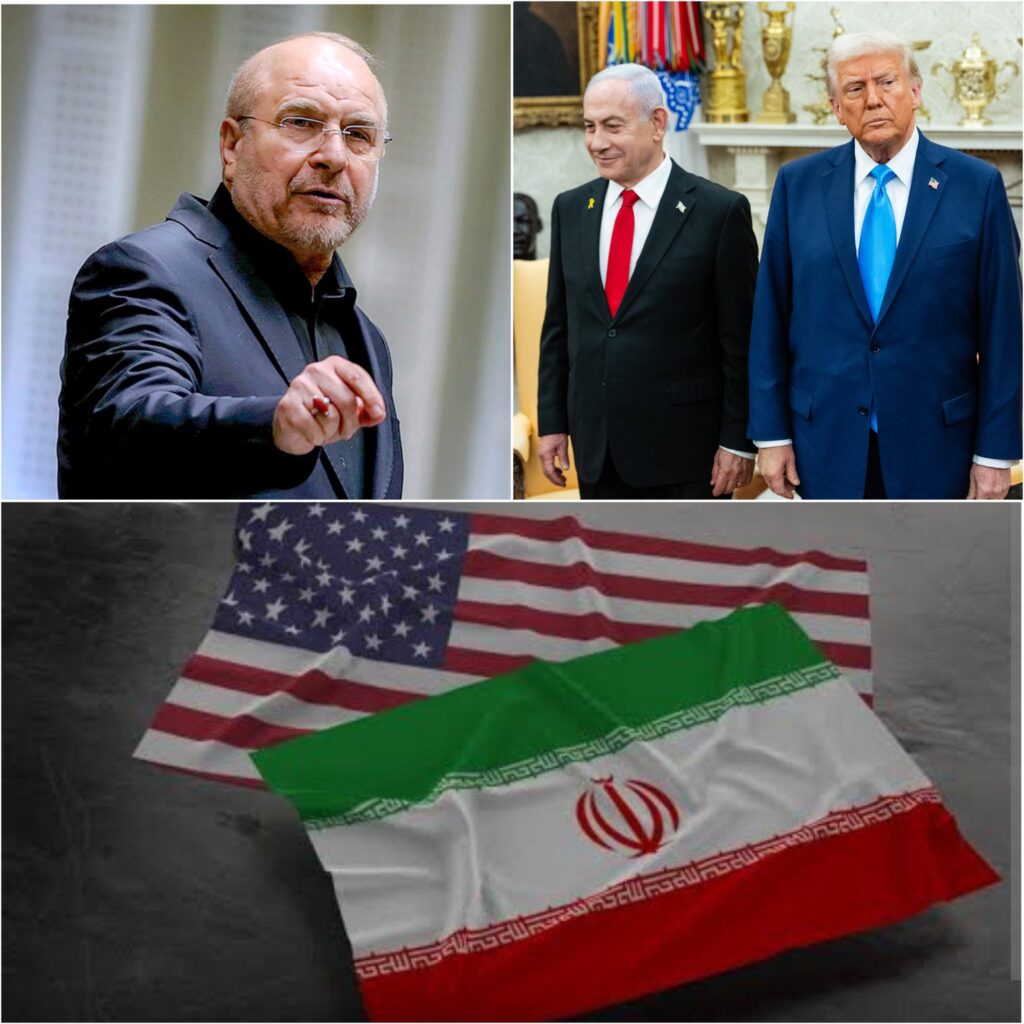
The United Arab Emirates (UAE) is taking a big step to protect its oil exports. It is speeding up work on a new oil pipeline that will help move oil without going through the dangerous Strait of Hormuz. This project comes at a time when tensions in the Middle East are high, especially after conflicts involving Iran, the United States, and Israel. The UAE joins USA and working closely with its allies, Israel and the USA, to make sure energy supplies stay safe and steady for the world.
Why the Strait of Hormuz Matters
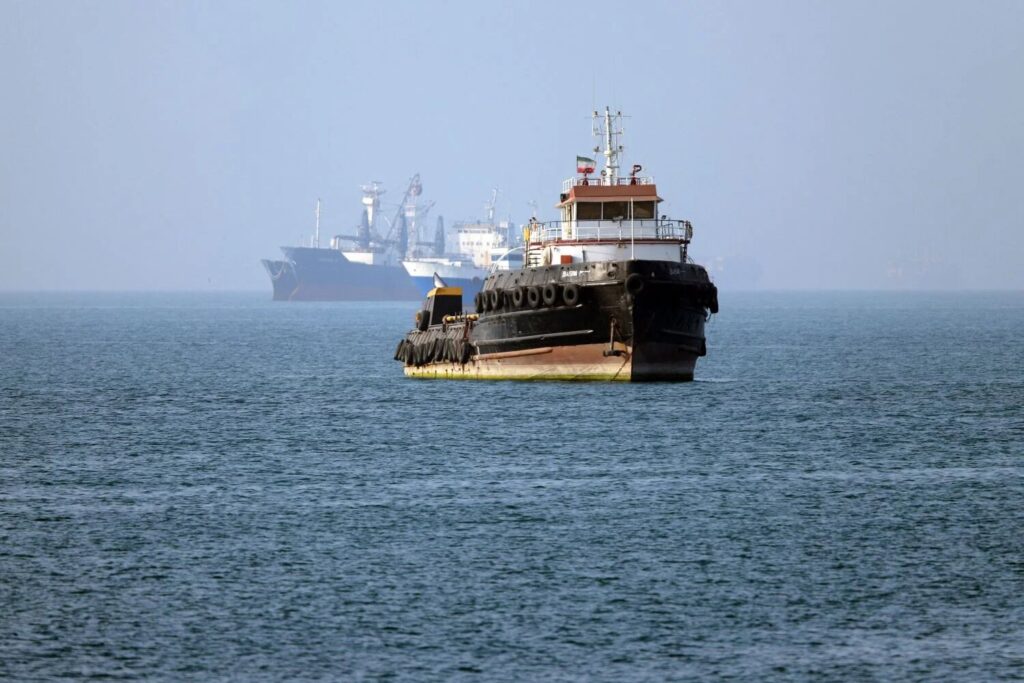
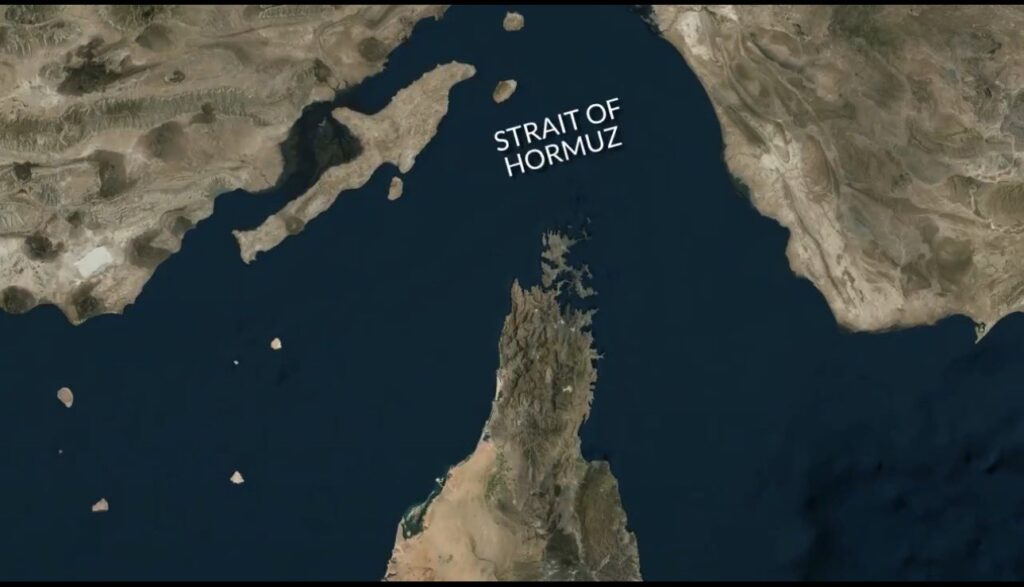
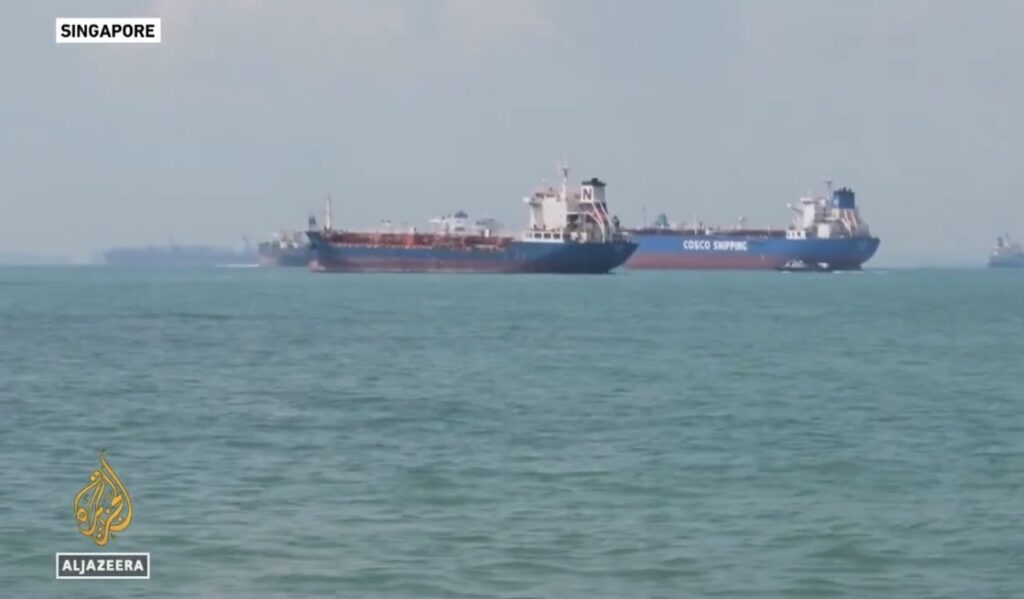
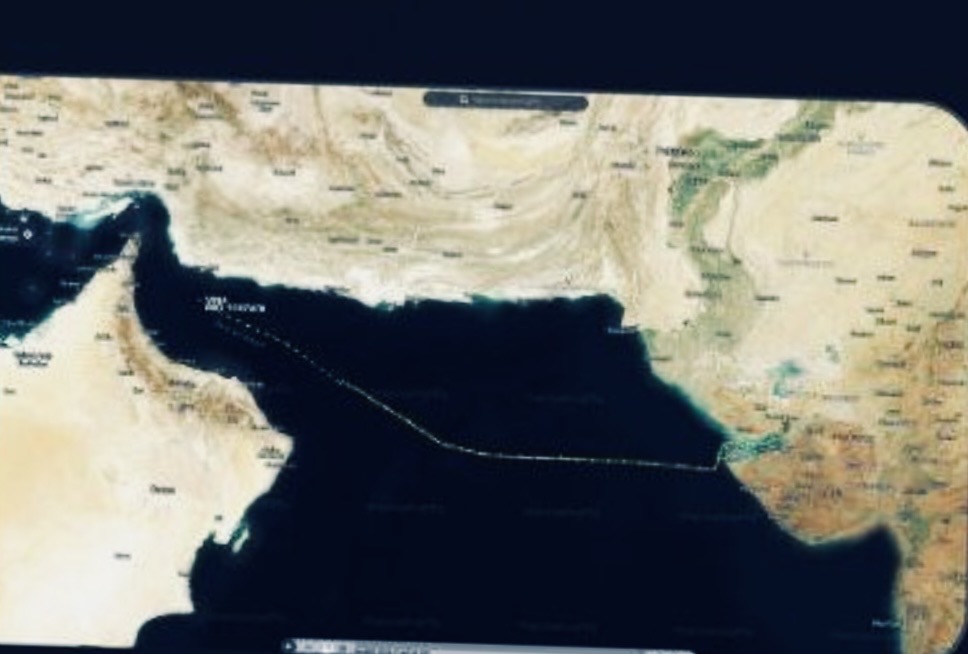
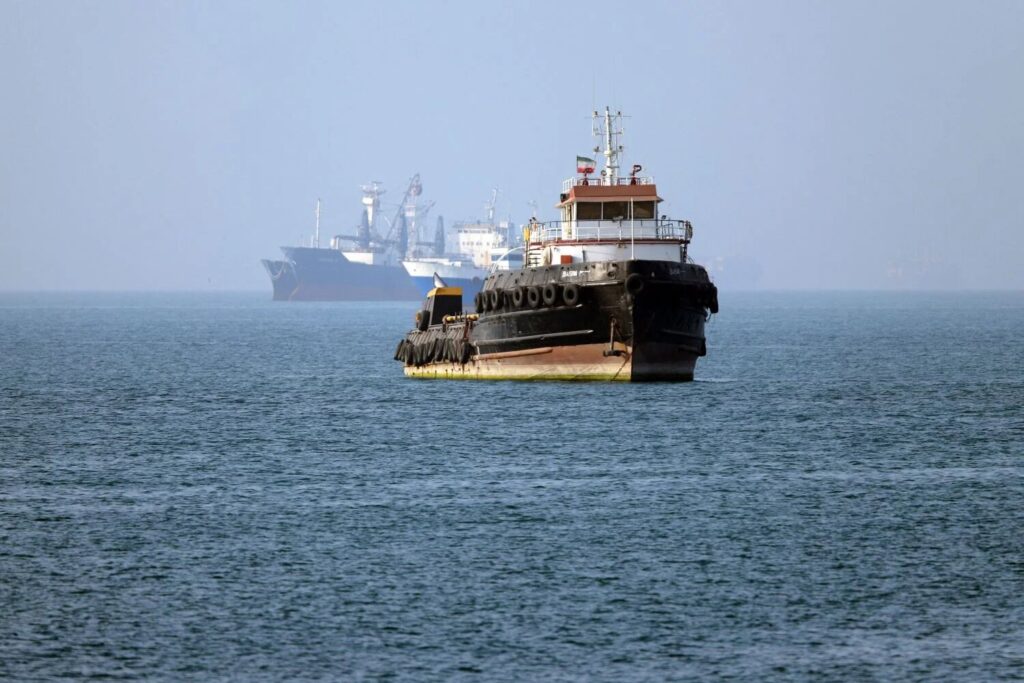
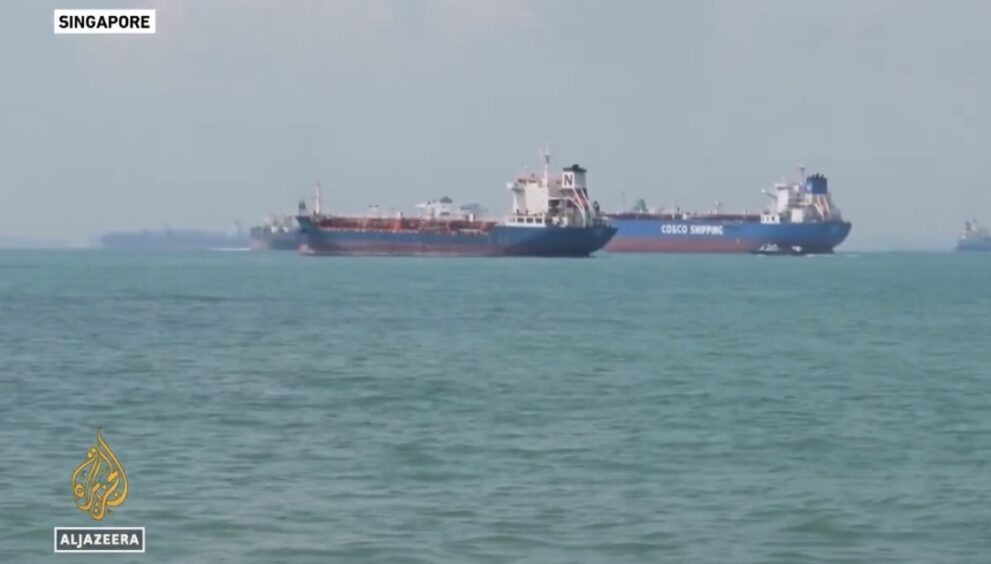
The Strait of Hormuz is a narrow strip of water between Iran and Oman. It is one of the most important places for oil in the world. Every day, about one-fifth of the world’s oil passes through this Strait in big ships called tankers. Countries like Saudi Arabia, Iraq, Kuwait, and the UAE send their oil through here to reach buyers in Asia, Europe, and beyond.
But the Strait was blocked as Iran occupied it and is playing its cards cleverly in return and since US/Israel attacked Iran as aggressors while talks were going on.
In recent months, Iran has increased control and caused disruptions due to conflicts with the US and Israel that started again, and since earlier in 2026. Ships face risks, insurance costs have gone up, and some exports have dropped sharply. Oil prices have risen above $100 per barrel because of these problems. Many countries worry that a full closure could cause a global energy crisis.
This is why alternative routes are so important. Pipelines on land can carry oil directly to ports on the other side, away from the Strait.
UAE joins USA for Pipeline & the new plan
The UAE already has one major pipeline that avoids the Strait of Hormuz. It is called the Abu Dhabi Crude Oil Pipeline, or ADCOP (also known as Habshan-Fujairah pipeline). This pipeline runs about 380 kilometers across the desert from oil fields in Abu Dhabi to the port of Fujairah on the Gulf of Oman. Fujairah is outside the Strait, so tankers can load oil there safely and sail directly to the open sea.
This existing pipeline can carry up to 1.8 million barrels per day. It has been a lifesaver during the current troubles. While other countries struggled with blocked tankers, the UAE joins USA to keep sending oil through Fujairah.
Now, the UAE wants to do even more. On May 15, 2026, the Abu Dhabi Media Office announced that the country will fast-track a new “West-East Pipeline.” This second pipeline will double the export capacity through Fujairah to around 3 to 3.4 million barrels per day. Abu Dhabi Crown Prince Sheikh Khaled bin Mohamed bin Zayed directed the state oil company, ADNOC, to speed up the work. The new pipeline is already under construction and should start working by 2027.
Partnership with the USA
The UAE is a close partner of the United States. These two countries work together on security, trade, and energy. The US has important military bases in the UAE and shares intelligence to protect shipping routes.
In the current conflict, the US has been involved in actions to keep sea lanes open and pressure Iran.
While the pipeline is built and paid for by the UAE and ADNOC, it fits into a larger plan with Western allies, including the USA.
America wants stable oil supplies and less risk from any single chokepoint like the Strait of Hormuz. US companies often get help of technology, engineering, and investment in such big energy projects. The move also comes after the UAE left OPEC, giving it more freedom to produce and export as much oil as it wants without quotas.
This partnership helps both sides
The UAE gets security support and access to markets. The USA and its allies get reliable oil without depending too much on risky sea routes. It shows how friends can work together for energy security.
There are many good reasons for this project:
1. Safety: Oil can flow even if fighting or threats close the strait. This protects UAE income and global supplies.
2. More Exports: UAE oil production is growing. ADNOC aims for 5 million barrels per day or more. The extra pipeline capacity matches this growth.
3. Lower Costs in Crisis: Without the pipeline, companies pay high insurance and take big risks on tankers. Land pipelines are cheaper and safer during trouble.
4. Jobs and Growth: Building pipelines creates thousands of jobs in engineering, construction, and maintenance. Fujairah port will become even busier, helping the local economy.
5. Environment and Efficiency: Modern pipelines can be built with better technology to reduce leaks and emissions compared to older tanker routes.
Saudi Arabia also has pipelines to the Red Sea, but the UAE’s project makes it a leader in bypass options among Gulf countries. Oman has a long coast on the Gulf of Oman, but it does not have the same large pipeline network yet.
Challenges in Building the Pipeline
Big projects like this are not easy. The desert is hot and dry, so workers need special equipment. The pipeline must cross rough land and be protected from possible attacks. It needs strong steel pipes, pumping stations, and safety systems.
Cost is another factor. The first pipeline cost about $4.2 billion. The new one will also need huge investment, but the UAE has money from oil and smart investors. ADNOC is known for finishing projects on time.
There are also political challenges. Iran may see these bypass routes as a threat to its power over the Strait. But the UAE says the project is for “meeting global demands” and is not against any country.
Impact on the World
This pipeline is good news for many people. Countries that buy UAE oil, like China, India, Japan, and Europe, can count on steady supplies. Oil prices may become more stable once the new line opens.
It also sends a strong message: countries do not have to depend only on occupied sea routes.
More pipelines and other options, like rail or new ports, could change how Gulf oil reaches the world.
In the long run, the world is moving toward cleaner energy like solar and wind. The UAE is investing huge money in those too. But oil will still be important for many years. Safe ways to move it are necessary during this transition.
Looking Ahead: Benefits of the New Pipeline
The new West-East Pipeline shows the UAE’s smart planning. By working with the USA and using its own resources, the country is making its own oil industry stronger and more independent.
When the pipeline opens in 2027, Fujairah will handle much more oil. Tankers will load faster and sail safer routes. The UAE will export more, earn more, and help keep world energy flowing.
This project is not just about pipes in the sand. It is about security, friendship between nations, and preparing for the future.
In a world full of surprises, having backup plans like this pipeline are although wise, but tough to achieve.
However, the UAE’s move, with support from allies like the USA, proves that even in difficult times, smart countries find solutions.
Oil will keep moving, economies will stay strong, and the risks from occupied Strait will become smaller. This is a positive story for both the UAE and Iran for innovation and cooperation in the energy world.

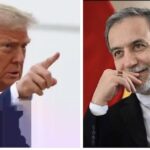
US President Donald Trump Not Sure To Put Pressure On Iran - Tumido News
18th May 2026[…] UAE Joins USA to Build New Oil Pipeline to Avoid […]