































































































































































Lenovo vs ASUS Laptops in 2026: Which Brand Delivers Better Performance, Value, and Reliability?
-
Khalid M Raza
- July 8, 2026
- 2
- 12 min read

Lenovo vs ASUS Laptops: Here is everything you need to know
Affiliate Disclosure: Some links in this article are affiliate links. If you purchase a product through these links, Tumido News may earn a commission at no additional cost to you. As an Amazon Associate, we earn from qualifying purchases.
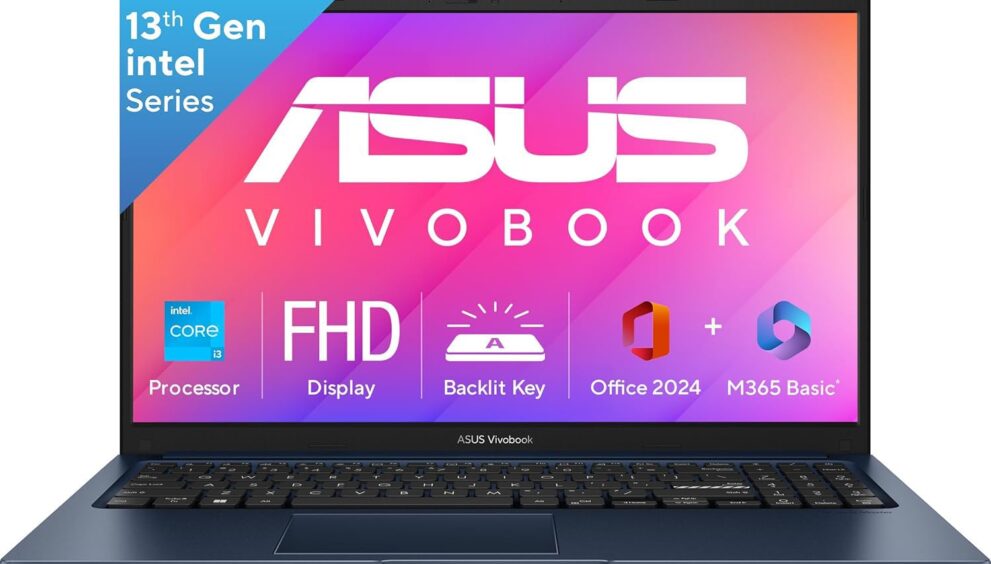
Choosing a new laptop in 2026 is no longer just about buying the fastest processor or the biggest display. Buyers now expect a device that balances performance, battery life, build quality, portability, software features, and long-term reliability. Among the brands that consistently attract attention worldwide, Lenovo and ASUS have become two of the strongest competitors, offering laptops for students, professionals, creators, gamers, and everyday home users.
Lenovo has built its reputation through dependable productivity laptops, premium business machines, versatile 2-in-1 devices, and gaming systems that focus on practical performance and durability. ASUS, meanwhile, is known for combining modern designs with powerful hardware, innovative features, vibrant displays, and competitive pricing across both mainstream and premium categories.
Sample:
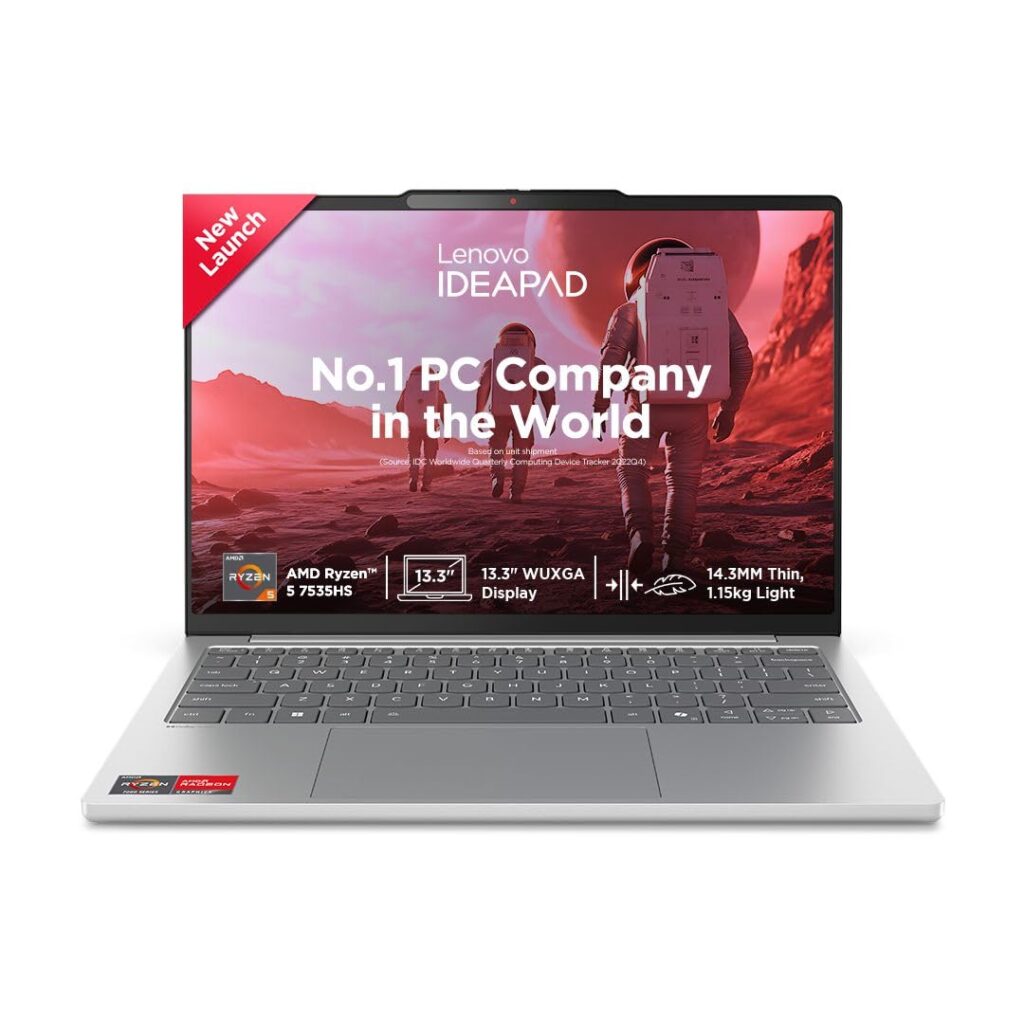
Buy Now: ₹71,990 (Prices are subject to change for each model or design from time to time).
Although both brands manufacture Windows laptops, their priorities are often different. Some Lenovo models emphasise keyboard comfort, business reliability, and long battery life. However, many ASUS laptops focus on high-refresh-rate displays, creative features, lightweight designs, and powerful specifications for the price. This means the better choice depends largely on how you intend to use your laptop.
Sample:
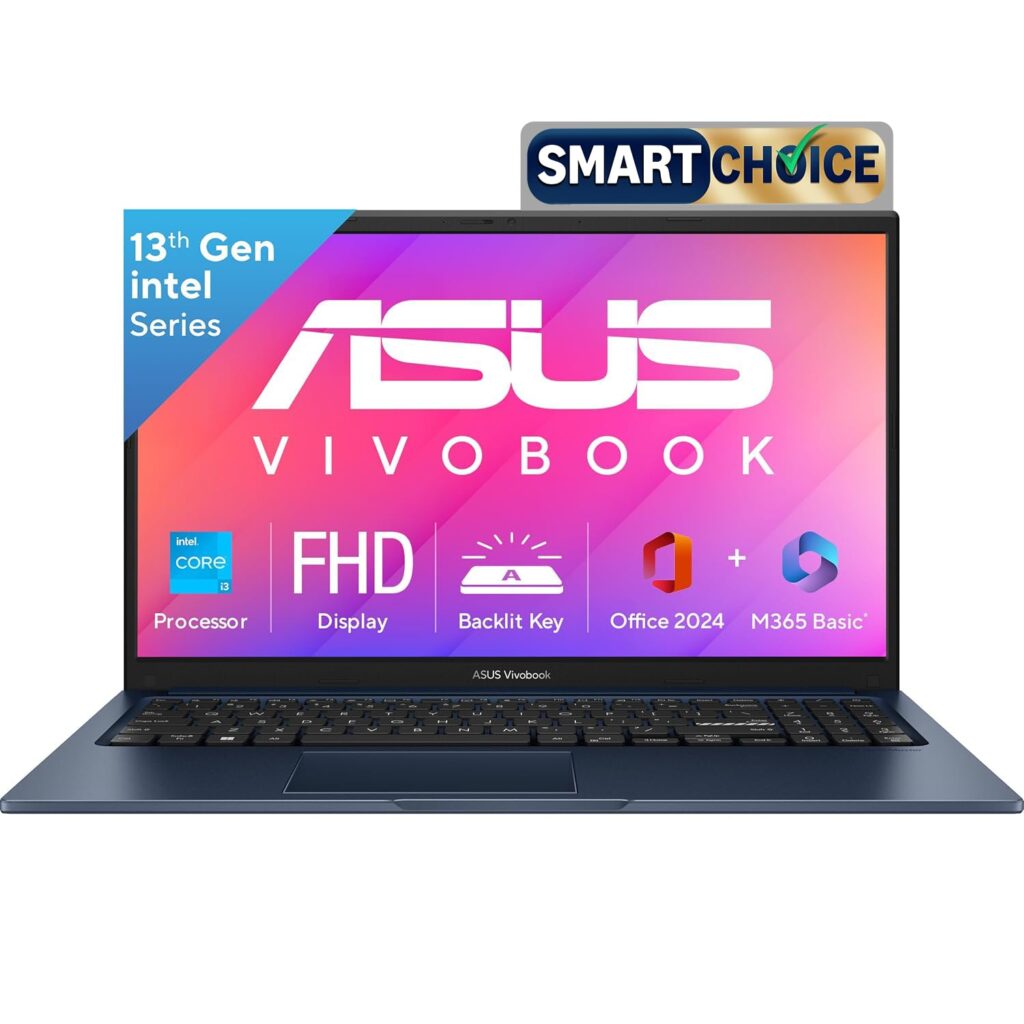
Buy Now: ₹44,990 (Prices are subject to change for each model or design from time to time).
Quick Comparison
In this detailed comparison, we’ll examine Lenovo vs ASUS across the factors that matter most to buyers:
Design
Build quality
Display technology
Performance
Battery life
Portability
Keyboards
Software experience
Gaming capabilities
Pricing
Also, after-sales support, and overall value.
By the end, you’ll have a clearer understanding of which laptop brand is the better investment for your specific needs in 2026.
Lenovo vs ASUS Product Line Comparison: Which Series Is Right for You?
One of the biggest strengths of both Lenovo and ASUS is the variety of laptop families they offer. Instead of producing a single type of laptop, both brands have developed specialised product lines designed for different users. From students and office professionals to content creators and competitive gamers. Understanding these lineups makes it much easier to choose the right laptop for your needs.
ThinkPad vs Zenbook: Business Productivity Meets Premium Style
Lenovo’s ThinkPad series has earned a reputation as one of the world’s most trusted business laptop families. Known for exceptional keyboards, military-grade durability on many models, reliable security features, and excellent battery life, ThinkPads are widely used by businesses, developers, engineers, and professionals who value reliability above all else.
ASUS Zenbook laptops, on the other hand, focus on premium design, lightweight construction, high-resolution OLED displays, and strong everyday performance. They appeal to professionals who travel frequently, students looking for a premium Windows experience, and creative users who appreciate vibrant displays and sleek aesthetics.
Choose ThinkPad if you:
- Spend long hours typing or programming.
- Need business-class security and durability.
- Prioritize reliability over flashy design.
Choose Zenbook if you:
- Want a lightweight premium laptop.
- Enjoy OLED displays for entertainment and creative work.
- Prefer modern styling with powerful everyday performance.
IdeaPad vs VivoBook: Excellent Choices for Students and Everyday Users
The IdeaPad lineup targets students, families, and everyday office users. Lenovo focuses on dependable performance, comfortable keyboards, good battery life, and practical features without significantly increasing the price.
ASUS VivoBook models compete directly in the same market. However, these often stand out for their colourful designs, OLED displays on selected models, and competitive hardware specifications. Many VivoBook laptops offer excellent value while maintaining a modern appearance.
For users browsing the web, attending online classes, editing documents, streaming videos, and performing light multitasking, both series deliver excellent value.
IdeaPad is ideal if you:
- Want dependable performance.
- Prefer a comfortable keyboard.
- Value long-term reliability.
VivoBook is ideal if you:
- Like modern colours and stylish designs.
- Want premium display technology at an affordable price.
- Need solid everyday performance with good multimedia features.
Legion vs ROG: Battle of the Gaming Giants
Gaming enthusiasts often compare Lenovo Legion laptops with ASUS ROG (Republic of Gamers) because both are among the best Windows gaming series available today.
Lenovo Legion laptops typically emphasize balanced performance, efficient cooling systems, understated designs, and excellent keyboards. Many users appreciate that a Legion laptop looks professional enough for work while remaining powerful enough for demanding games.
ASUS ROG laptops are built specifically for gamers. They frequently introduce cutting-edge technologies, RGB lighting, advanced cooling systems, high-refresh-rate displays, and aggressive gaming-inspired designs. The ROG family also includes premium flagship models aimed at enthusiasts who want maximum performance.
Choose Legion if you:
- Want balanced gaming and productivity.
- Prefer a cleaner, professional appearance.
- Need powerful performance without excessive RGB lighting.
Choose ASUS ROG if you:
- Primarily play modern AAA games.
- Want premium gaming features.
- Enjoy bold gaming aesthetics and advanced customization.
Yoga vs ASUS Vivobook S: Flexibility or Everyday Premium Value?
Lenovo’s Yoga series is designed for users who want flexibility. Many Yoga models feature 360-degree hinges, touchscreen displays, pen support, and lightweight designs, making them suitable for students, presenters, business travellers, and creative professionals.
The ASUS Vivobook S series takes a different approach. Rather than focusing on convertibility, Vivobook S laptops offer slim designs, fast processors, quality OLED displays on many models, and excellent portability at competitive prices. They are particularly attractive to users who want premium specifications without moving into flagship pricing.
Choose Yoga if you:
- Need a convertible 2-in-1 laptop.
- Frequently use touch or digital pen input.
- Value flexibility for work, presentations, or creative tasks.
Choose Vivobook S if you:
- Prefer a traditional clamshell laptop.
- Want excellent performance for the price.
- Enjoy thin, lightweight laptops with impressive displays.
Overall Product Line Verdict
Neither Lenovo nor ASUS has a universally superior laptop family. Instead, each excels in different areas:
- ThinkPad remains a top choice for business professionals and heavy productivity.
- Zenbook shines for premium everyday computing and elegant portability.
- IdeaPad and VivoBook are excellent options for students and general users, with Lenovo leaning toward reliability and ASUS emphasizing style and display quality.
- Legion and ROG dominate gaming, with Legion focusing on balanced performance and ROG targeting enthusiasts seeking cutting-edge gaming features.
- Yoga is the better option for users wanting a versatile 2-in-1 device, while Vivobook S delivers outstanding value in a slim traditional laptop.
The right choice ultimately depends on how you use your laptop, your budget, and which features matter most to you.
Design, Performance, Battery Life, Pricing, Etc.
Design and Build Quality
Lenovo vs ASUS, comparatively, have both made significant improvements in laptop design over the years, but they cater to slightly different preferences.
Lenovo generally focuses on practicality, durability, and understated elegance. ThinkPad laptops feature a professional matte-black finish and are renowned for their robust construction, while Yoga and premium IdeaPad models incorporate aluminium chassis for a more refined appearance. Many Lenovo laptops are designed to withstand daily wear and frequent travel.
ASUS places greater emphasis on modern aesthetics. Zenbook and Vivobook models often feature slim metal designs, premium finishes, and vibrant colour options. ROG gaming laptops are bold and eye-catching, with RGB lighting and aggressive styling that appeals to gaming enthusiasts.
Winner:
- Professional appearance: Lenovo
- Modern and stylish design: ASUS
Weight and Portability
If you travel frequently or carry your laptop to work, college, or meetings, portability becomes an important consideration.
Both, as is, Lenovo vs ASUS, while we compare, offer lightweight ultrabooks, but ASUS has an advantage in producing exceptionally thin and light Zenbook models. Lenovo’s Yoga series is also highly portable while adding the versatility of convertible designs.
Gaming laptops from both brands are naturally heavier due to their powerful cooling systems and dedicated graphics cards.
Best for frequent travellers: ASUS Zenbook
Best portable 2-in-1: Lenovo Yoga
Display Quality
Displays have become one of the biggest selling points for modern laptops.
ASUS has aggressively adopted OLED technology across many Zenbook and Vivobook models, providing vibrant colours, deeper blacks, and excellent contrast for entertainment, photography, and content creation.
Lenovo also offers excellent displays, especially in premium Yoga, Legion, and ThinkPad models, although IPS panels remain more common across its mid-range lineup.
For users who watch movies, edit photos, or create videos, ASUS often delivers more premium display options at competitive prices.
Winner: ASUS
Keyboard and Touchpad Experience
Lenovo continues to set the benchmark for laptop keyboards.
ThinkPad keyboards are widely regarded among the best available, offering comfortable key travel, tactile feedback, and excellent typing accuracy. IdeaPad and Yoga keyboards also maintain a high standard.
ASUS keyboards have improved considerably in recent years and are comfortable for everyday use, but most users still give Lenovo the advantage for extended typing sessions.
Touchpads on both brands are smooth and responsive, although premium models naturally provide a better experience than entry-level laptops.
Winner: Lenovo
Performance
Performance depends more on the processor, graphics card, memory, and storage configuration than on the laptop brand itself.
Looking at Lenovo vs ASUS, both offer laptops powered by the latest Intel Core Ultra, AMD Ryzen, and Qualcomm Snapdragon X-series processors, with NVIDIA GeForce RTX graphics in gaming and creator models.
ASUS often pushes innovation with high-performance cooling and flagship hardware, while Lenovo focuses on balanced, reliable performance across its lineup.
For gaming and creative workloads, both brands perform exceptionally well when similarly configured.
Winner: Tie
Battery Life
Battery life varies depending on screen size, processor, and display technology.
Lenovo laptops, particularly ThinkPad and Yoga models, have long been recognised for excellent battery efficiency, making them dependable companions for professionals and students.
ASUS Zenbook models also deliver impressive endurance, especially with power-efficient OLED displays and modern processors.
Overall, there is little separating the two brands.
Winner: Tie
Software and Features
Both brands ship with Windows and provide their own management software.
Lenovo Vantage offers an easy way to manage updates, battery settings, hardware diagnostics, and security features.
ASUS MyASUS provides similar functionality while adding useful options for display optimisation, battery health management, and customer support.
Both applications are intuitive and regularly updated.
Winner: Tie
Pricing and Value
One reason ASUS has become increasingly popular is its aggressive pricing. Many Vivobook and Zenbook models offer premium specifications at highly competitive prices.
Lenovo pricing is also competitive, particularly during seasonal sales. ThinkPad models may command a higher price due to their business-oriented features and exceptional durability.
If maximum specifications per rupee or dollar are your priority, ASUS often provides slightly stronger value.
Winner: ASUS
Pros and Cons
Lenovo
Pros:
- Excellent keyboards.
- Outstanding business laptops.
- Reliable build quality.
- Strong battery life.
- Wide product range.
Cons:
- Premium models can be expensive.
- Mid-range displays may not always match ASUS OLED offerings.
ASUS
Pros:
- Beautiful OLED displays.
- Stylish modern designs.
- Excellent value for money.
- Powerful gaming lineup.
- Competitive hardware specifications.
Cons:
- Keyboards generally trail Lenovo for long typing sessions.
- Some gaming models prioritise style over portability.
Frequently Asked Questions (FAQs)
Lenovo vs ASUS
Which is more reliable, Lenovo or ASUS?
Both brands are considered reliable. Lenovo is especially respected for its business-focused ThinkPad series, while ASUS has built a strong reputation for innovative consumer and gaming laptops.
Which is better for students?
Both are excellent choices. Lenovo IdeaPad offers dependable everyday performance, while ASUS VivoBook provides attractive designs and excellent displays at competitive prices.
Which brand is better for gaming?
ASUS ROG and Lenovo Legion are both among the top gaming laptop series. ROG often offers more enthusiast-focused features, while Legion balances gaming performance with a more professional design.
Which brand has the better display?
ASUS generally leads thanks to its wider adoption of OLED panels across multiple price segments.
Which brand offers better value?
ASUS frequently provides stronger specifications for the price, although Lenovo often excels in durability, keyboard quality, and business-oriented features.
Everything in a Few Words: Lenovo vs ASUS in 2026
Lenovo vs ASUS, to be direct, both rank among the best laptop manufacturers in 2026. However, they both excel in different areas.
Choose Lenovo if your priorities include productivity, long-term reliability, comfortable typing, business features, and versatile 2-in-1 devices. Professionals, programmers, office workers, and students who spend long hours working are likely to appreciate Lenovo’s practical approach.
Choose ASUS if you value premium displays, modern designs, competitive pricing, multimedia performance, or cutting-edge gaming hardware. Creative professionals, travellers, casual users, and gamers will find plenty to like across the Zenbook, Vivobook, and ROG families.
There is no universal winner because the best laptop depends on your specific needs. If productivity and reliability come first, Lenovo is difficult to beat. If display quality, style, and value are your highest priorities, ASUS is an outstanding choice.
Ultimately, both brands offer excellent laptops, and selecting the right product line and configuration is more important than choosing one brand over the other.
Note:
This article, written by Khalid M. Raza and published on Tumido News, aims to help readers understand the real events in business, trade, and market trends and growth. All written content here is on the writer’s ‘Writes RIGHT for YOU’ basis, and if you have any questions, please leave a comment. All content on Tumido News is for the information and knowledge of our esteemed readers. Feel free to ask.
Also Read:


Syair Togel SGP
09th Aug 2026Hey! I know this is kinda off topic however I’d figured I’d ask.
Would you be interested in trading links or maybe guest
authoring a blog article or vice-versa? My website covers
a lot of the same topics as yours and I believe we could greatly benefit from each other.
If you might be interested feel free to send me an email.
I look forward to hearing from you! Terrific blog by the way!
casinosonlineus.com
22nd Aug 2026These are truly wonderful ideas in regarding blogging.
You have touched some pleasant things here. Any way
keep up wrinting.