






















































































































































Bab al-Mandeb: Why the Red Sea Gateway Matters More Than Ever
-
Khalid M Raza
- July 21, 2026
- 0
- 7 min read

Bab al-Mandeb: Why the Red Sea Gateway Matters
A Strategic Waterway That Shapes Global Trade
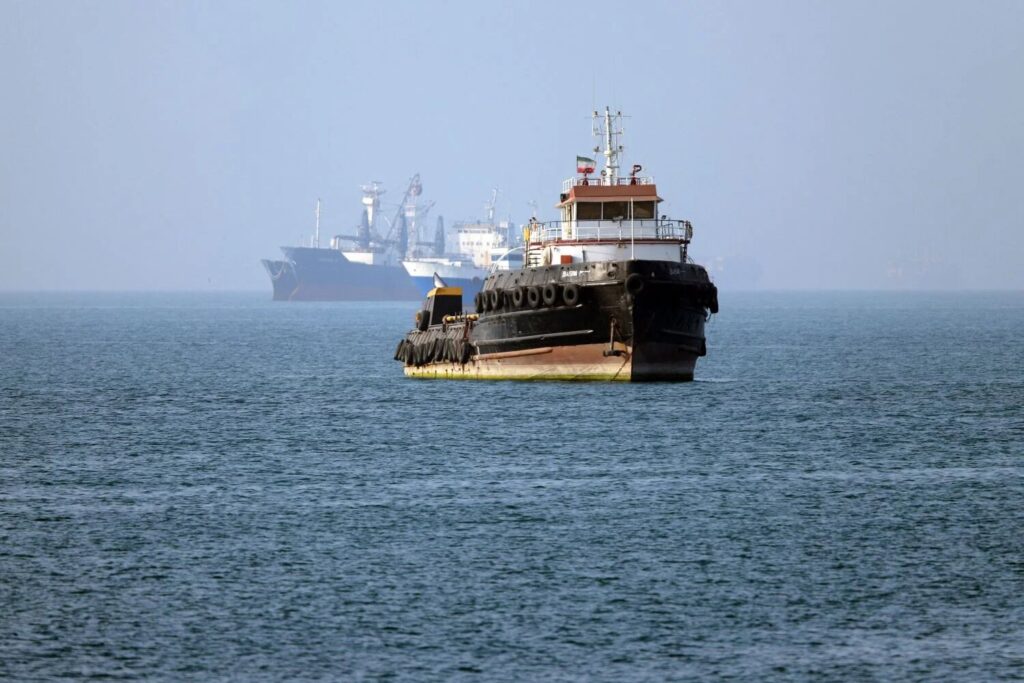
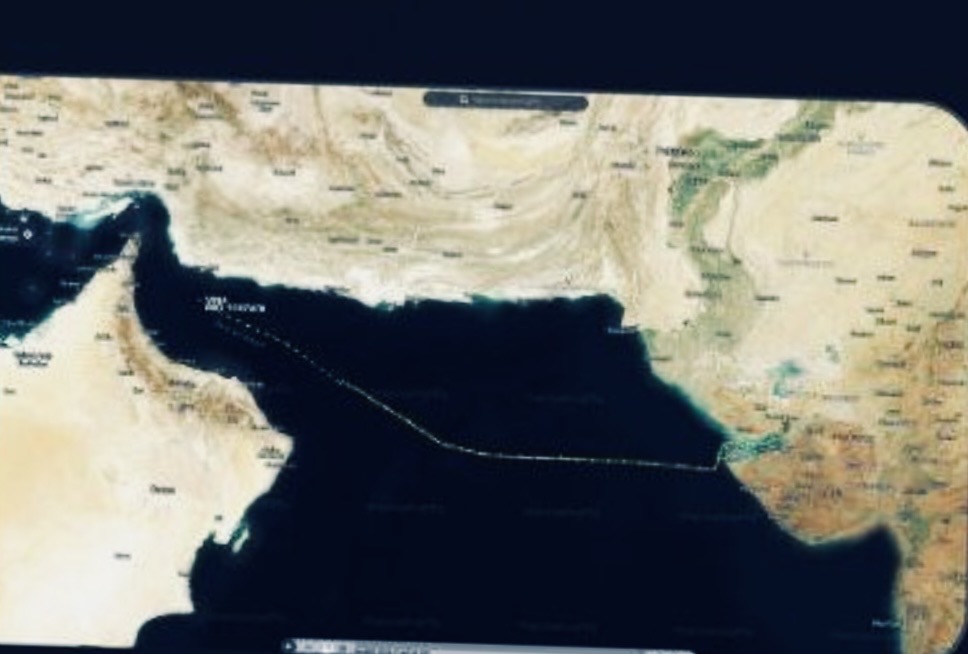
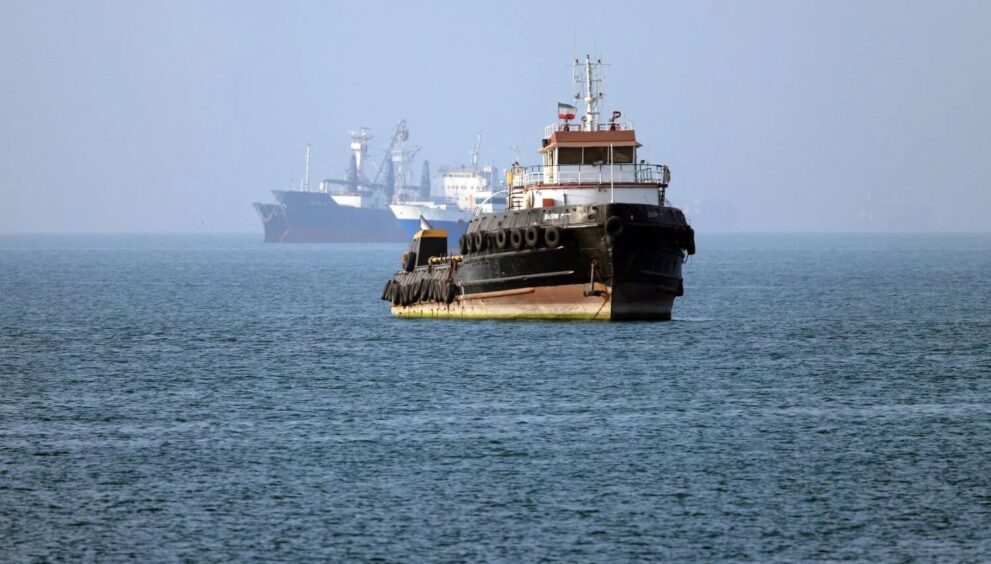
The Bab al-Mandeb Strait is one of the world’s most strategically important maritime passages. Although it is much narrower than many international sea routes, it plays a crucial role in global trade, energy security and regional geopolitics. The strait connects the Red Sea with the Gulf of Aden and the Arabian Sea, making it a vital gateway for ships travelling between Europe, Asia and the Middle East.
According to the U.S. Energy Information Administration (EIA), Bab al-Mandeb is one of the world’s key oil transit chokepoints. Most crude oil and petroleum products travelling from the Persian Gulf to Europe through the Suez Canal or Egypt’s SUMED Pipeline also pass through this narrow waterway. If shipping through Bab al-Mandeb is disrupted, many vessels must sail around the Cape of Good Hope at the southern tip of Africa. This alternative route adds thousands of kilometres to the journey, increasing fuel consumption, freight charges and delivery times. (U.S. Energy Information Administration)
Red Sea has become a growing focus of international attention
In recent years, the Red Sea has become a growing focus of international attention because of regional conflicts and attacks on commercial shipping. According to Reuters, renewed tensions involving Yemen’s Houthi movement have raised concerns among governments, shipping companies and energy markets about the safety of vessels using the Bab al-Mandeb Strait. Even the possibility of disruption has increased shipping costs and insurance premiums, demonstrating how sensitive global markets are to developments in the region. (Reuters)
Saudi Arabia is among the countries with significant interests in keeping the Red Sea shipping lanes open. The Kingdom exports a substantial volume of crude oil through its Red Sea terminals, particularly Yanbu, which allows shipments to reach Europe and other markets without relying solely on the Strait of Hormuz. According to Reuters, any prolonged disruption at Bab al-Mandeb could force more tankers to take longer routes around Africa, increasing transportation costs and affecting global energy supplies. (Reuters)
The Houthis, Regional Tensions and Why Bab al-Mandeb Is Closely Watched
While the Bab al-Mandeb Strait may not handle as much oil as the Strait of Hormuz, its strategic importance should not be underestimated. Any disruption would affect not only energy markets but also container shipping, food supplies and international trade. As geopolitical tensions continue across the Middle East, this narrow waterway remains one of the world’s most closely watched maritime chokepoints.
The Bab al-Mandeb Strait has become increasingly important in discussions about Middle East security because of its location near Yemen, where the Iran-aligned Houthi movement controls large parts of the country’s northwest. The group’s actions in and around the Red Sea have drawn international attention, with governments and shipping companies closely monitoring developments.
According to Reuters, the Houthis have announced measures targeting commercial shipping linked to countries they accuse of supporting Israel during the Gaza conflict. These announcements have contributed to increased concern among shipping operators, insurers and governments about the safety of one of the world’s busiest maritime corridors. Reuters has also reported that many shipping companies have adjusted routes or delayed voyages when security risks increased. This has raised transportation costs and affected global supply chains.
Bab al-Mandeb is used daily
However, maritime analysts note that announcing restrictions on shipping and completely closing an international waterway are different matters. Bab al-Mandeb is used daily by vessels from many nations and is monitored by several international naval forces. According to the Council on Foreign Relations (CFR), maintaining freedom of navigation through strategic chokepoints is considered a priority for many countries because of its importance to global trade and energy security.
For Saudi Arabia, developments in the Red Sea carry particular significance. According to Reuters, the Kingdom has invested heavily in infrastructure along its Red Sea coast, including the Yanbu export terminal, which allows crude oil to reach international markets without relying exclusively on the Strait of Hormuz.
If shipping through Bab al-Mandeb were significantly disrupted, some exports could face longer journeys around the Cape of Good Hope, increasing transport costs and delivery times. Analysts note, however, that the overall impact would depend on the duration of any disruption and the availability of alternative routes.
The Risk
The security of Bab al-Mandeb therefore affects far more than the countries bordering the Red Sea. It influences global shipping, energy markets, insurance costs and the movement of goods between Asia, Europe and Africa. As tensions continue in the region, governments, shipping companies and financial markets are expected to monitor developments closely while diplomatic efforts continue to reduce the risk of wider disruption.
Saudi Arabia, Iran and the Global Stakes
For decades, Saudi Arabia and Iran have been regarded as the Middle East’s two principal regional rivals. Their competition has extended beyond diplomacy into political influence, security issues and regional conflicts. However, relations have shown signs of improvement in recent years.
According to Reuters, Saudi Arabia and Iran restored diplomatic relations in 2023 under an agreement brokered by China after years of strained ties. Since then, both countries have reopened embassies and maintained diplomatic contacts despite continuing disagreements on several regional issues. Although differences remain, analysts believe both governments have sought to prevent direct confrontation while protecting their national interests. (Investing.com)
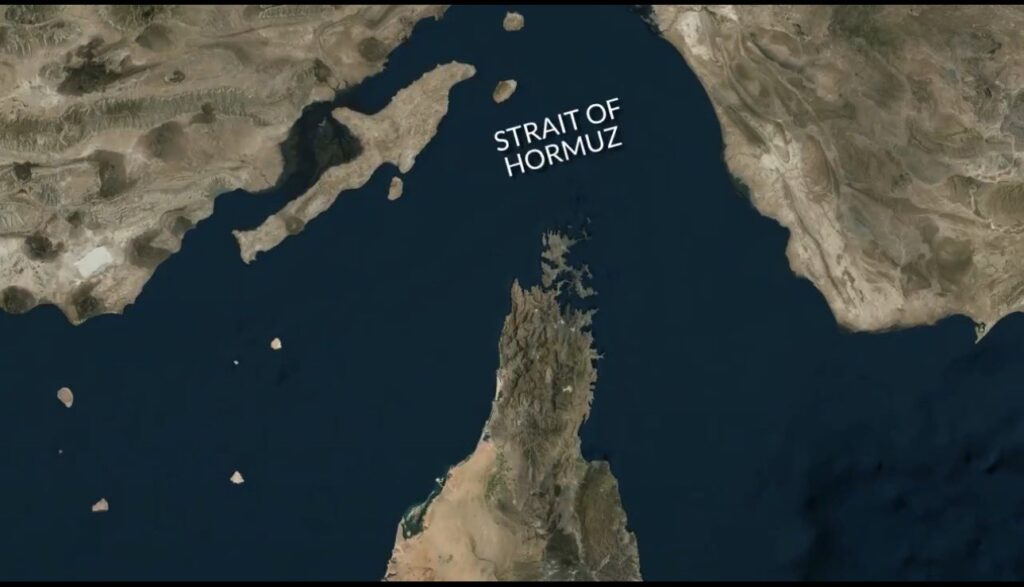
The current tensions in the Red Sea have once again highlighted how closely politics, security and global trade are connected. According to the U.S. Energy Information Administration (EIA), the Strait of Hormuz remains the world’s most important oil transit chokepoint because a significant share of global crude oil passes through it every day. Bab al-Mandeb, while carrying a smaller volume, is equally important because it connects the Red Sea with the Gulf of Aden and provides access to the Suez Canal, one of the world’s busiest shipping routes.
Saudi Arabia relies on its Red Sea export terminal
Energy analysts note that disruption at either chokepoint can increase freight charges, insurance premiums and fuel prices. If both routes face simultaneous disruption, the impact on international shipping and energy markets could become much more severe. According to Reuters, Saudi Arabia has increasingly relied on its Red Sea export terminal at Yanbu as an alternative outlet for crude shipments. This makes the security of Bab al-Mandeb especially important for the Kingdom’s energy exports. (Reuters)
Despite the heightened tensions, analysts caution against assuming that threats automatically translate into a complete closure of an international waterway. Such an action would involve significant military, economic and diplomatic consequences and would likely draw a strong international response. Reuters reports that shipping companies, insurers and governments are continuing to monitor developments closely while adjusting routes and security measures where necessary. (Reuters)
A Quick Read on Bab al-Mandeb Effect
The Bab al-Mandeb Strait is far more than a narrow passage between Yemen and the Horn of Africa. It is a strategic gateway linking Asia, Europe and the Middle East, making it essential for global commerce and energy supplies. Recent developments have demonstrated how events in one region can quickly affect shipping costs, oil prices and international markets.
At the same time, the evolving relationship between Saudi Arabia and Iran shows that diplomacy and regional rivalry can exist side by side. While political tensions continue, diplomatic engagement remains an important channel for reducing the risk of wider conflict.
Ultimately, the future of the Red Sea and the wider Middle East will depend on decisions taken by regional governments, international diplomacy and the security of key maritime routes. For ordinary people around the world, these waterways may seem distant, but their stability influences everything from fuel prices to the cost of imported goods. Understanding their importance helps explain why Bab al-Mandeb and the Strait of Hormuz remain at the centre of global attention.
Note:
This article, written by Khalid M. Raza and published on Tumido News, aims to help readers understand the real events in business, politics, market trends and growth. All written content here is on the writer’s ‘Writes RIGHT for YOU’ basis, and if you have any questions, please leave a comment. All content on Tumido News is for the information and knowledge of our esteemed readers. Feel free to ask.
Also Read: